10 Toxic Spring Foods People Hand Their Dog Without Knowing the Risk
Spring means more meals outside, backyard cookouts, and fresh seasonal foods finding their way onto picnic tables and patio plates. It also means more opportunities for curious dogs to grab something before anyone notices. While most owners know to keep chocolate out of reach, many common spring foods look completely harmless and rarely raise concern.
A dog’s liver simply lacks the enzymes needed to break down specific compounds found in fresh spring harvests. A crisp ingredient that adds crunch to a human salad can destroy canine blood cells. By the time someone realizes a food was never meant for a dog, the question is no longer whether it was eaten, but how much.
Easter Chocolate
Credit: Getty Images
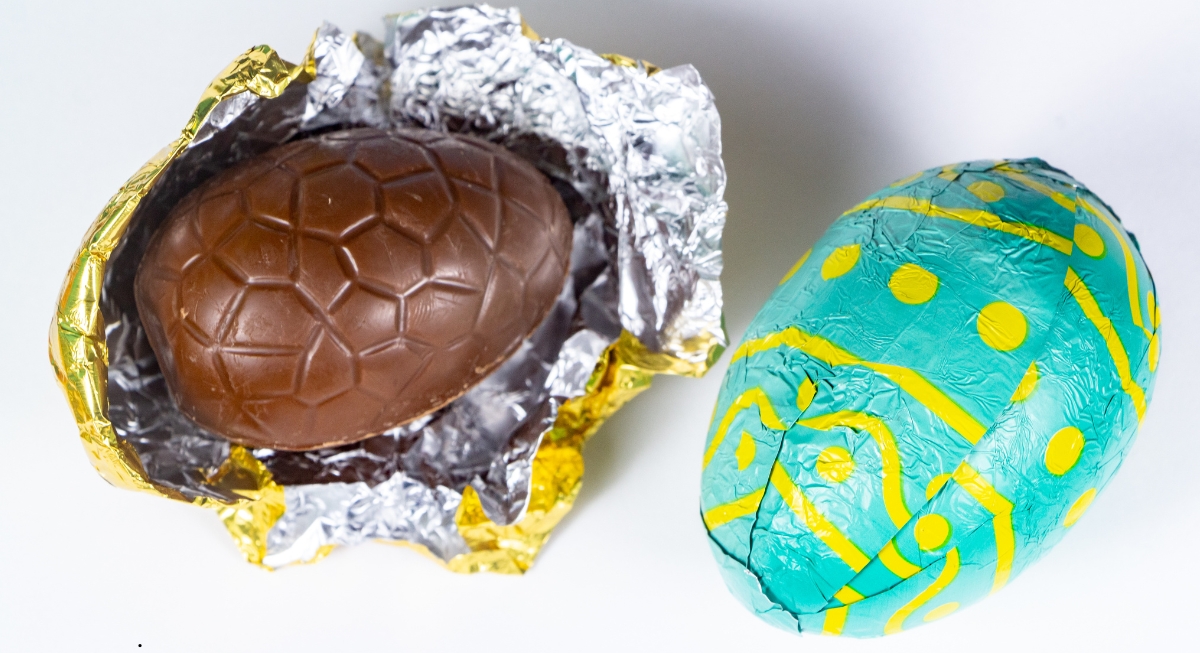
Chocolate becomes one of spring’s easiest mistakes because Easter candy is everywhere. Dogs are drawn to the smell, and owners sometimes underestimate the effect of small pieces, especially milk chocolate. Dogs do not process the methylxanthines in this food, including theobromine and caffeine. Dark chocolate, baking chocolate, and cocoa powder carry the greatest concern, but any chocolate can become dangerous depending on the dog’s size and the amount eaten. Symptoms can include vomiting, restlessness, rapid heartbeat, tremors, seizures, and, in severe cases, death.
Raisin Buns
Credit: Getty Images
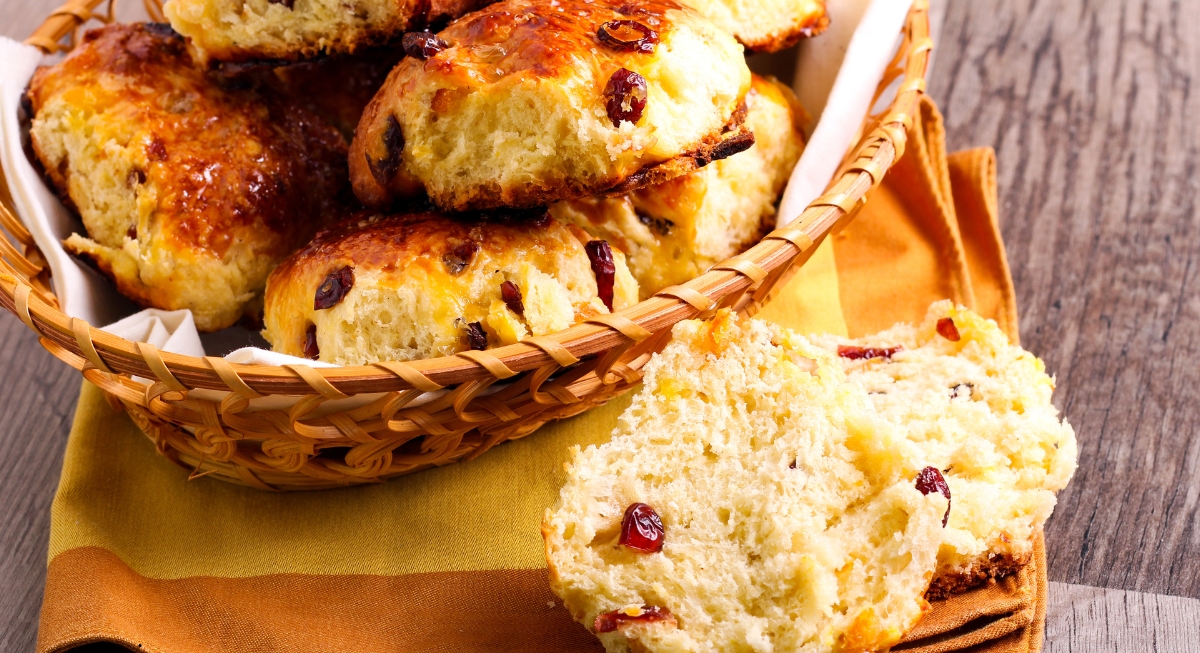
Hot cross buns, raisin bread, simnel cake, trail mix, and sweet spring pastries can cause acute kidney failure in dogs, and the reaction can be unpredictable. Often, they are in plain sight. One dog may eat some and seem fine, while another becomes dangerously ill after a much smaller amount. That uncertainty is what makes “just a bite” unsafe. The pastry around the raisin does not reduce the concern. A dog that eats raisin-filled bread, cake, or snack mix needs veterinary attention, even if no symptoms appear right away.
Picnic Grapes
Credit: Getty Images
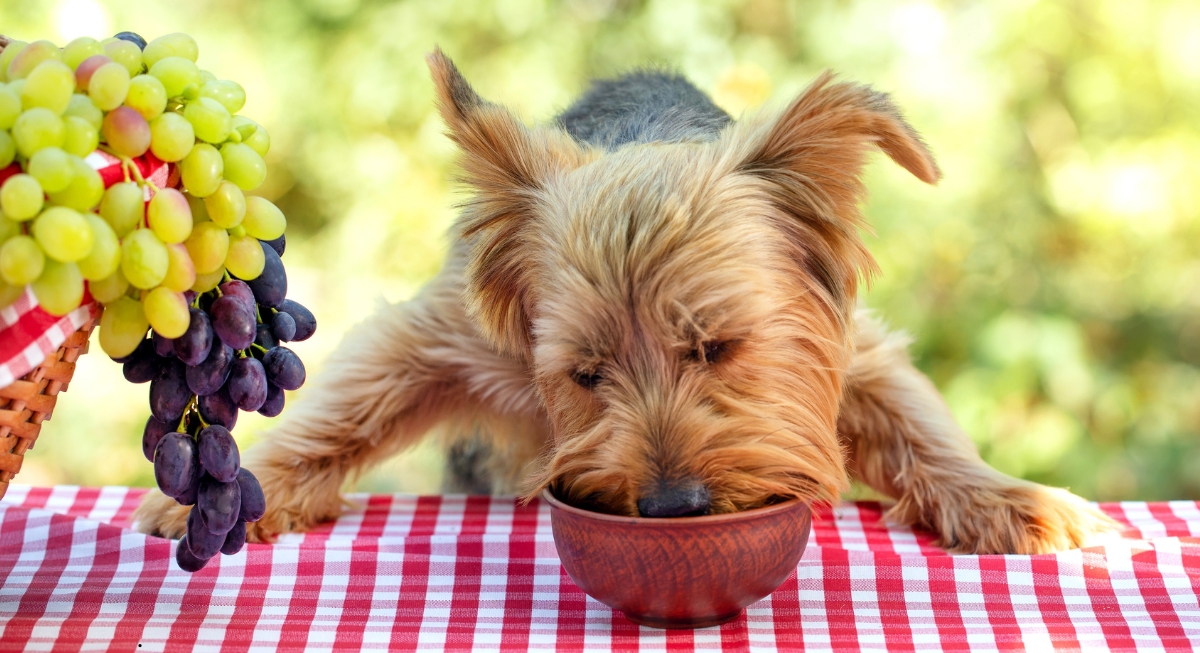
Grapes are a picnic staple, showing up in fruit salads, lunch boxes, snack cups, cheese boards, and kids’ plates throughout the spring. That is exactly what makes them easy for dogs to get hold of. A grape can fall from a plate, roll across a picnic blanket, or be offered as a treat by someone who does not know the danger. While they may seem harmless, grapes have been linked to sudden kidney failure in dogs, and there is no known safe amount. Keeping them off the ground and out of reach is the safest way to avoid a potentially serious problem.
Sugar-Free Candy

Credit: Getty Images
Many people worry about chocolate around dogs but forget that sugar-free candy can be just as dangerous. Gum, mints, gummies, baked goods, and other low-sugar treats may contain xylitol, a sweetener that is extremely toxic to dogs. Small packages tossed into picnic bags, spring baskets, or purses make accidental exposure surprisingly easy. In dogs, xylitol can cause a rapid drop in blood sugar and, in larger amounts, serious liver damage. Vomiting, weakness, poor coordination, collapse, and seizures are all signs that require immediate veterinary attention.
Onion Dip
Credit: Getty Images
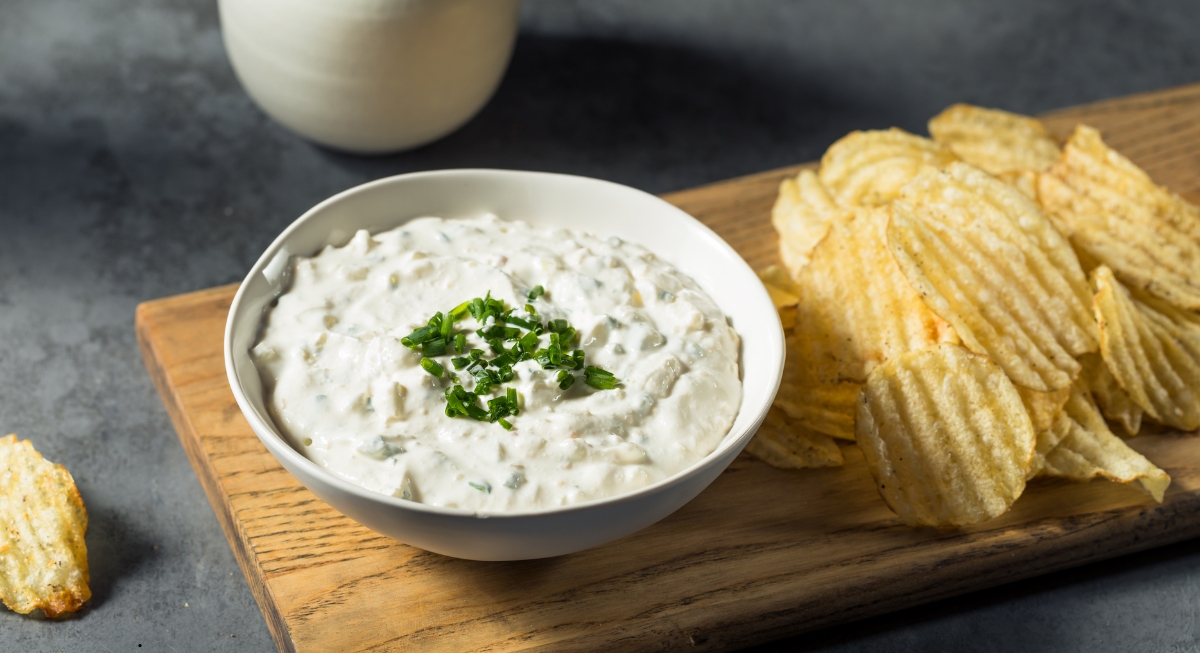
Onion dip is a common cookout favorite, but it is not the only concern. Onions, garlic, chives, leeks, and other allium ingredients also show up in garlic bread, chive cream cheese, burger toppings, marinades, salsa, and potato salad. These foods can damage a dog’s red blood cells and may lead to anemia. The tricky part is that the ingredients are often chopped, powdered, cooked, or mixed into foods people readily share. A dog does not need to eat a raw onion from the counter. A few generous bites of heavily seasoned food can still raise serious concerns.
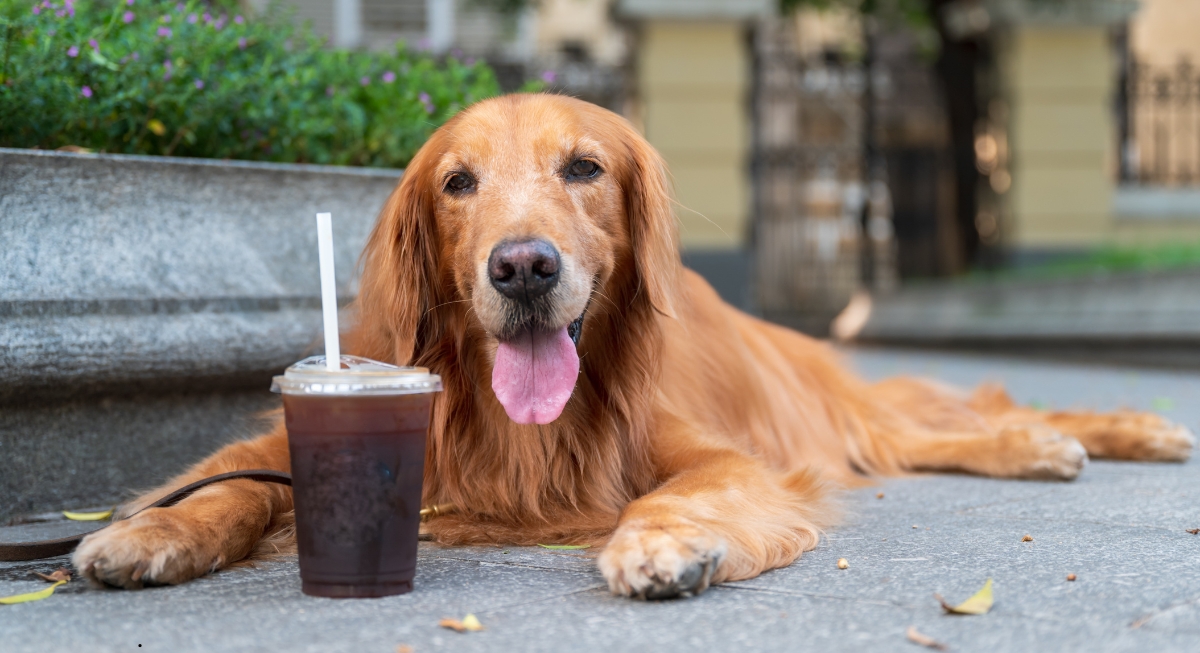
Iced Coffee
Credit: Getty Images
A dog licking a cup may look funny for a second, but caffeine belongs in the same methylxanthine family that makes chocolate dangerous. Dogs can develop vomiting, hyperactivity, abnormal heart rhythm, tremors, and seizures after significant exposure. The risk rises when drinks contain concentrated coffee, espresso, caffeine powders, or chocolate flavoring. Sweet cream and milk can add stomach upset on top of the toxicity concern. Patio tables, car cup holders, and picnic coolers are easy places for a dog to reach.
Alcoholic Drinks

Credit: Canva
Spring gatherings often put alcoholic drinks within nose level, especially with boozy desserts after brunch. Alcohol can be rapidly absorbed after ingestion and may cause vomiting, poor coordination, depression, breathing trouble, tremors, coma, or worse. Small dogs can have issues with just a small drink. The other issue is flavor. Sweet mixed drinks, creamy cocktails, and dessert sauces can smell appealing. If a dog drinks alcohol or eats alcohol-containing food, a trip to the vet should come quickly.
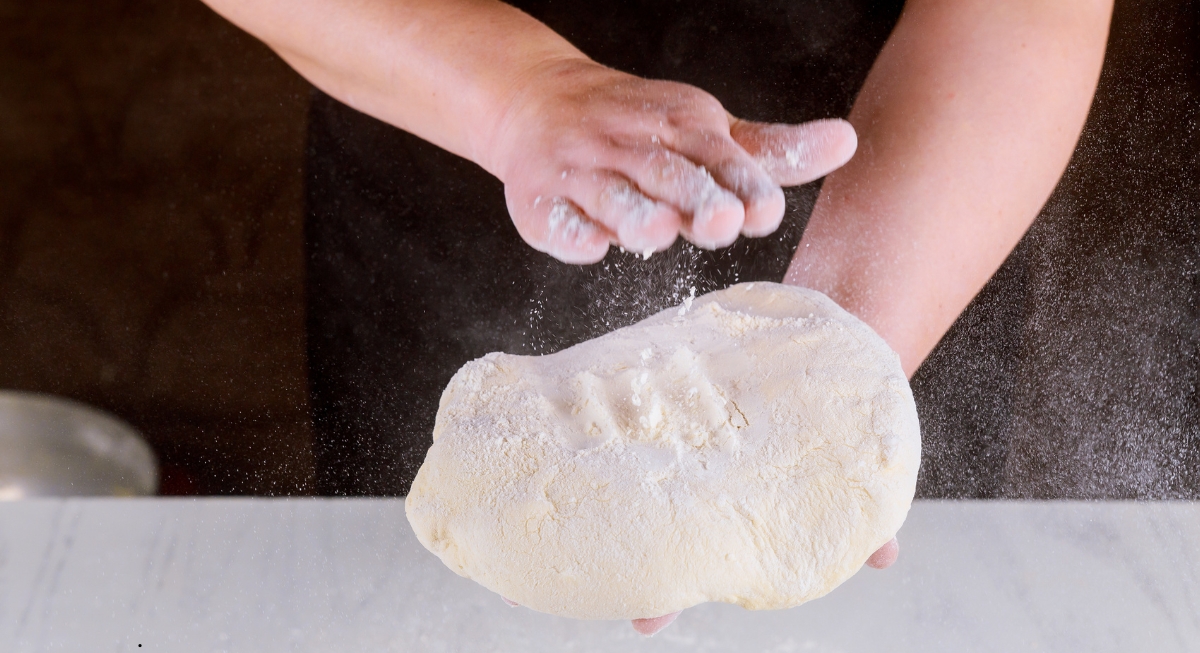
Raw Yeast Dough
Credit: Getty Images
Raw yeast dough can continue rising inside a dog’s stomach. It will create painful gas buildup and possible bloat, which is already a serious emergency risk. The yeast can also produce alcohol during fermentation, adding a second layer of danger. This is why a stolen lump of dough is not the same as a bite of baked bread. Dogs may grab dough from counters, trash, proofing bowls, or outdoor pizza setups.
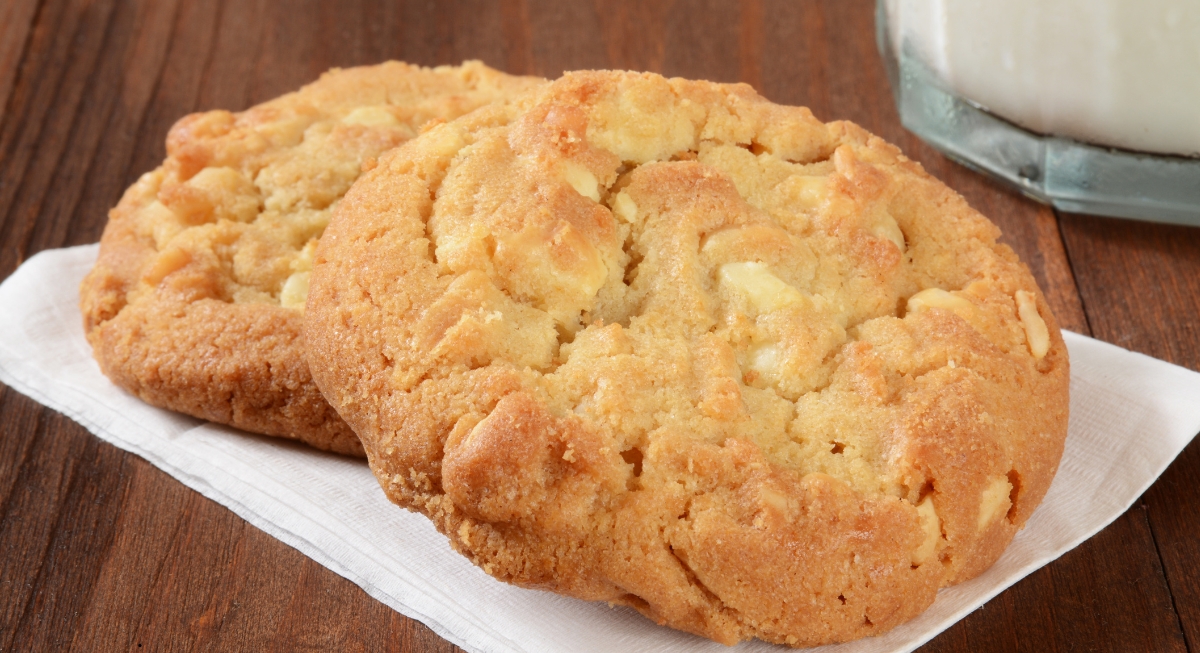
Macadamia Cookies
Credit: Getty Images
The exact toxic component of macadamia nuts is not fully understood, but they can cause weakness, vomiting, tremors, depression, poor coordination, and elevated body temperature. Dogs should not eat them. They are often found in cookies, white chocolate desserts, snack mixes, and gift tins. The spring risk usually comes from mixed desserts rather than a plain bowl of nuts. A cookie may also contain chocolate, raisins, or xylitol. There are several possible hazards, and symptoms may appear within hours.
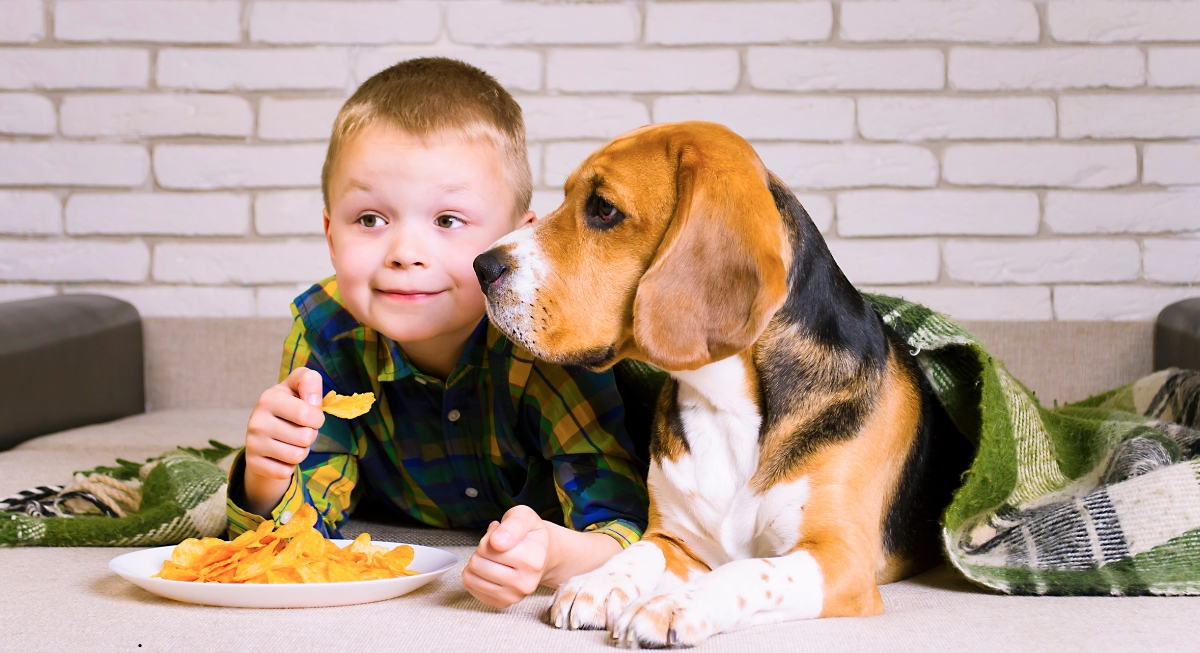
Salty Chips
Credit: Getty Images
Chips, pretzels, cured meats, salted popcorn, and snack mixes become outdoor food as soon as the weather improves. One dropped chip is usually not a problem story. It’s riskier when a dog gets into a whole bowl, bag, or plate of salty snacks. Excess salt can cause intense thirst, vomiting, diarrhea, abnormal electrolytes, tremors, seizures, and severe illness. Snack mixes can also hide onion powder, garlic powder, raisins, nuts, or chocolate pieces. A dog begging near the snack table is not being cute enough to justify the gamble.