17 Things You’re Doing That Are Making Your Cat Hate You
Living with a cat means sharing your space with a creature that’s part adorable fluffball, part mercurial roommate. Cats are known for their independence, but they also have strong opinions about their environment and daily interactions. Chances are, even with the best intentions, you’re doing a few things that drive your cat up the wall. Here are some common habits that cats can’t stand, even if they don’t always show it.
Unannounced Loud Noises

Credit: pexels
Cats have super-sensitive hearing, so sudden loud noises like vacuum cleaners, hairdryers, or even a loud sneeze can startle them. They’re not just jumpy—they genuinely hate the unpredictability of loud sounds. If you must make noise, try to give them a heads-up so they can scurry off to a quiet corner.
Strong Scents and Fragrances
Credit: iStockphoto
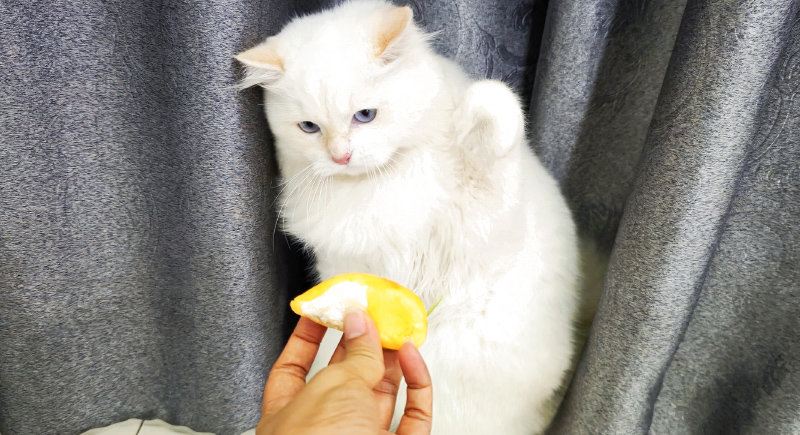
Your favorite perfume or scented candle might be heavenly to you, but to a cat’s sensitive nose, it can be overpowering. Artificial air fresheners, citrus-scented cleaners, or even strong-smelling human foods can send them running. Opt for unscented products where possible to keep your feline friend comfortable.
Overly Affectionate Petting

Credit: pexels
Despite popular opinion, cats actually love affection, but on their own terms. Prolonged petting, especially on the belly or tail, can quickly turn from enjoyable to irritating. They might tolerate it for a while, but don’t be surprised if they suddenly nip or runoff. Learn to read the signs of overstimulation, like tail flicking or flattened ears.
Ignoring Their Personal Space

Credit: pexels
Just because they sit on your laptop or follow you into the bathroom doesn’t mean they want constant attention. Cats value their personal space, and being picked up or pestered when they’re not in the mood can make them cranky. Give them room to approach you when they feel like socializing.
Inconsistent Litter Box Maintenance
Credit: iStockphoto
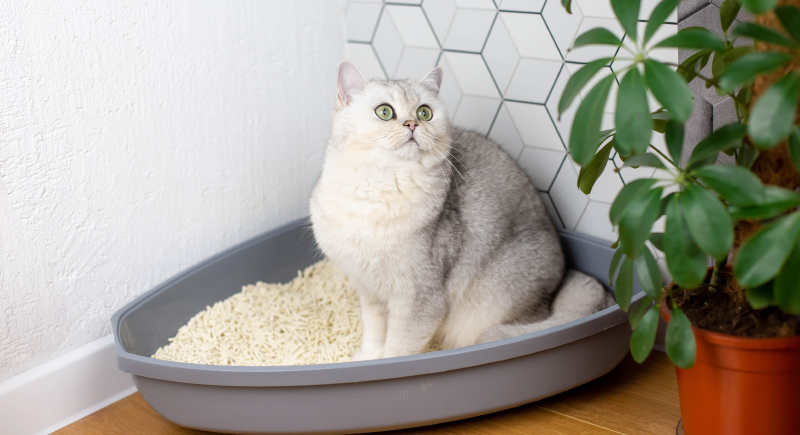
Cats are clean freaks. If their litter box isn’t scooped daily or is placed in a noisy or high-traffic area, they might boycott it entirely. Consistency is key—scoop at least once a day and keep the box in a quiet, easily accessible spot. If you have multiple cats, add more boxes to avoid territorial disputes.
Sudden Changes in Routine
Credit: pexels
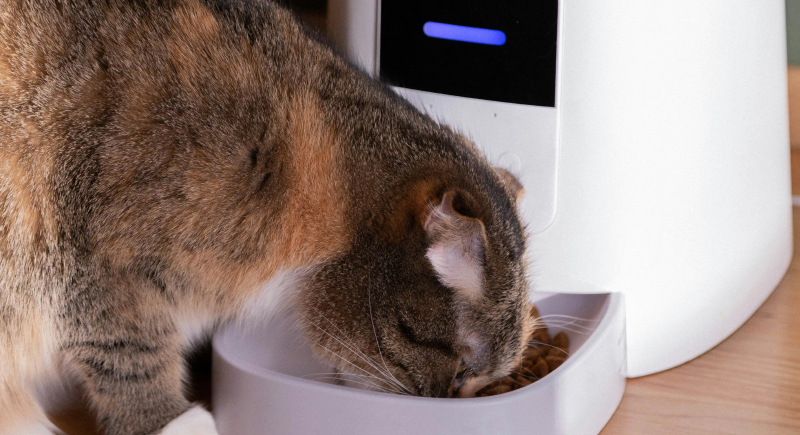
Cats thrive on routine. Switching their feeding schedule, rearranging furniture, or even changing their brand of food can stress them out. Whenever possible, introduce changes gradually. Keep feeding times consistent and make environmental changes slowly to help them adjust without anxiety.
Dressing Them Up in Costumes
Credit: pexels
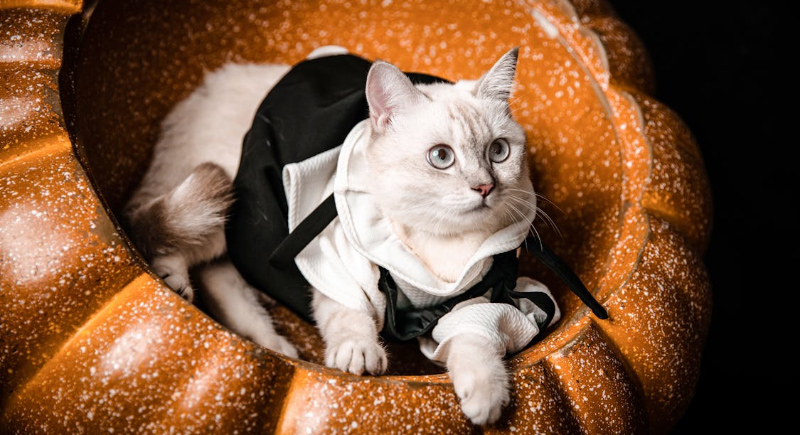
Even if they look adorable, most cats hate being dressed up. Costumes restrict their movement and make them feel vulnerable. When trying to snap a festive photo, keep the outfit simple and short-lived. Better yet, invest in a cute collar or bandana for a more cat-friendly fashion statement.
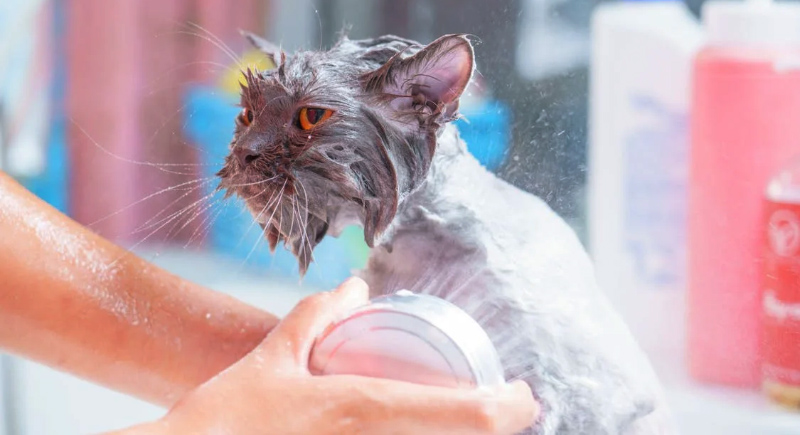
Bath Time Torture
Credit: pexels
Cats are self-grooming experts, and most of them don’t need baths. Forcing them into water can be a traumatic experience. In case a bath is absolutely necessary (when they have skunk spray or stubborn messes, for example), use lukewarm water, mild cat shampoo, and work quickly. Otherwise, stick to brushing for regular grooming.
Forced Social Interactions
Credit: pexels
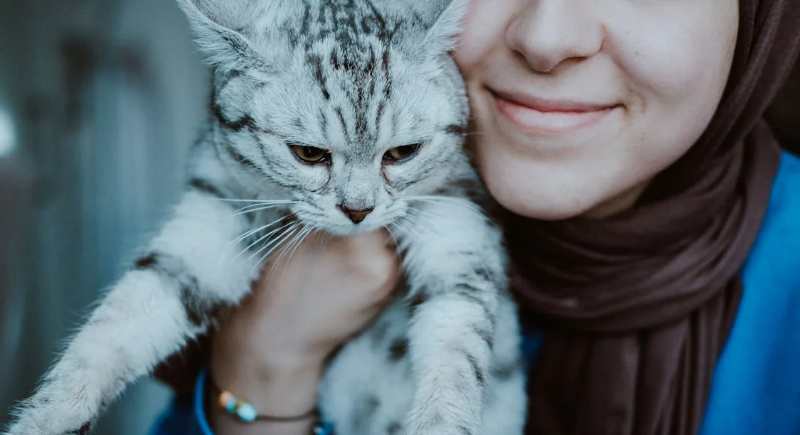
Not every cat is a social butterfly. Some are naturally shy or wary of strangers. Forcing them to interact with guests or other pets can make them anxious. Create a safe space where they can retreat and avoid putting them on the spot. Let them approach new people at their own pace.
Invasive Belly Rubs
Credit: pexels
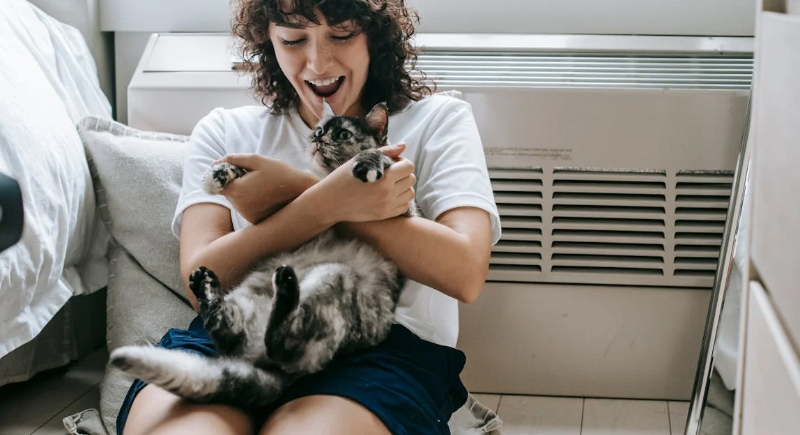
Unlike dogs, most cats don’t appreciate belly rubs. It’s a vulnerable area, and touching it can trigger a defensive reaction. If your cat rolls over and exposes their belly, it’s a sign of trust, not an invitation. Stick to petting their head, chin, or back unless they explicitly show they enjoy belly scratches.
Not Enough Mental Stimulation
Credit: pexels
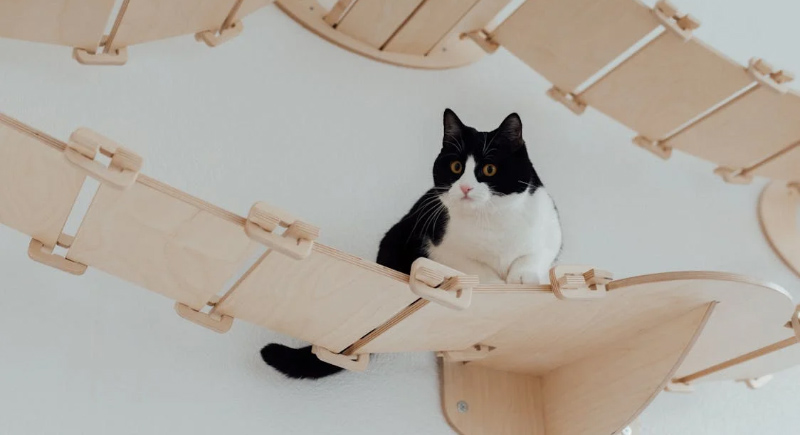
Cats get bored easily, especially indoor cats with limited space to explore. Without enough toys, climbing structures, or interactive playtime, they can become lethargic or even destructive. Rotate toys regularly, invest in puzzle feeders, and dedicate time to play with them daily.
Car Rides and Vet Visits
Credit: pexels
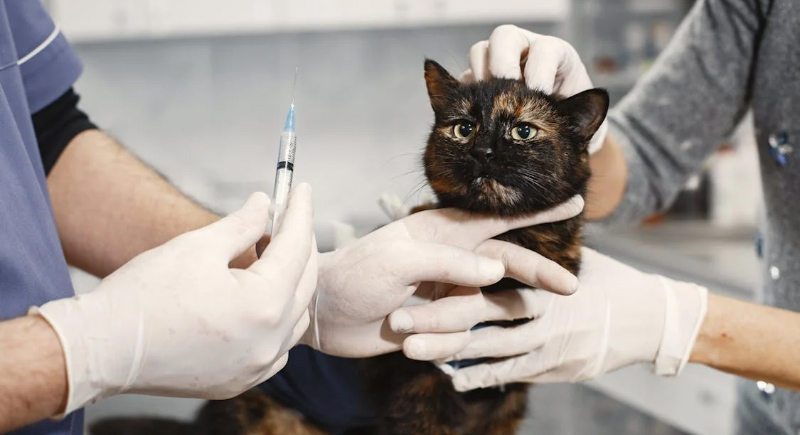
Few things stress out a cat more than car rides and vet visits. The unfamiliar environment, loud noises, and motion can be terrifying. Make vet visits less stressful by using a comfortable, familiar carrier. Practice short car rides to get them accustomed gradually and make sure to reward them with treats afterward.
Overly Clean or Scented Litter
Credit: iStockphoto
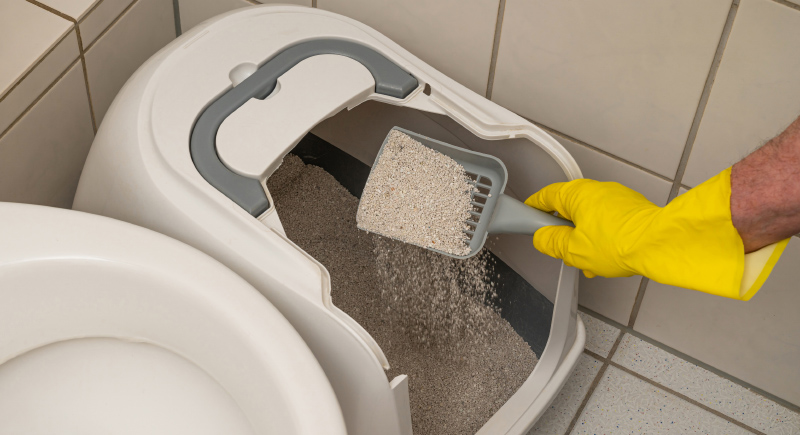
Using heavily scented litter might seem like a good idea, but cats often hate the strong smell. They prefer unscented, clumping litter that feels more natural. Also, avoid changing litter brands abruptly. Mix the new with the old to ease the transition and reduce the risk of litter box avoidance.
Touching Their Paws or Tail
Credit: iStockphoto
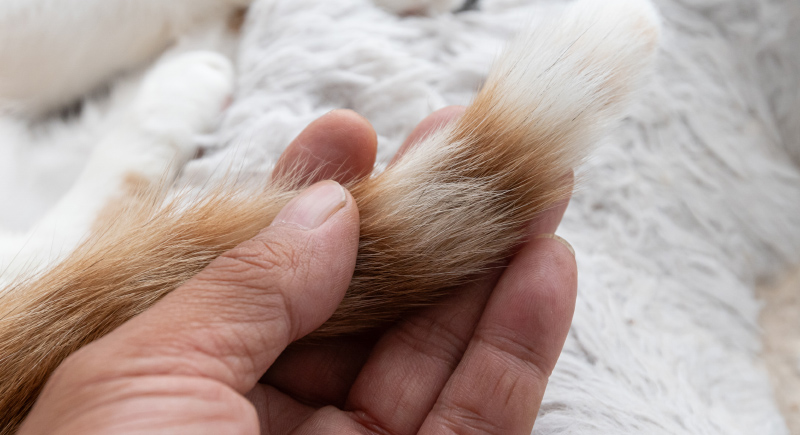
Paws and tails are sensitive areas for cats. They rely on them for balance and defense, so touching them can be uncomfortable. When you you need to trim their claws, get them used to paw handling gradually, with plenty of treats and praise for positive reinforcement.
Neglecting Playtime and Attention

Credit: pexels
While cats are independent, they still crave interaction and playtime. Ignoring them for long periods or failing to engage their curiosity can lead to boredom and behavioral issues. Make time each day for interactive play sessions and gentle cuddles (on their terms) to keep them mentally and emotionally healthy.
Touching Their Perfectly Placed Whiskers
Credit: pexels
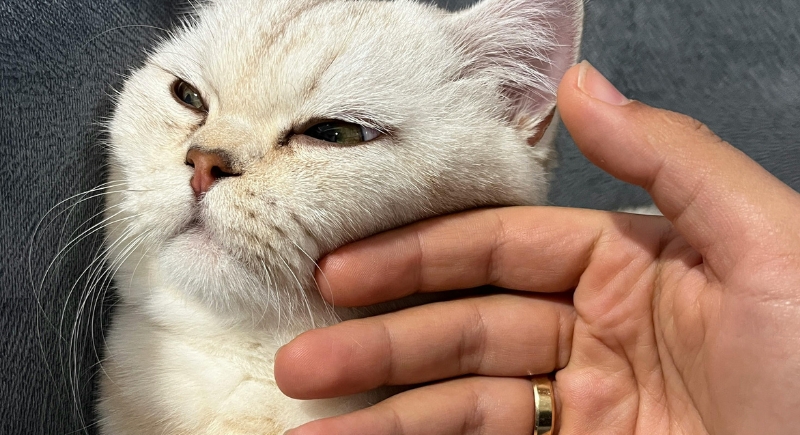
Those long, perfectly placed whiskers are not decorative. They are sensitive tools that help cats judge space and movement. Touching, bending, or trimming them can feel overwhelming and confusing. Even gentle fiddling can stress cats out, making them pull away or avoid interaction altogether without understanding why.
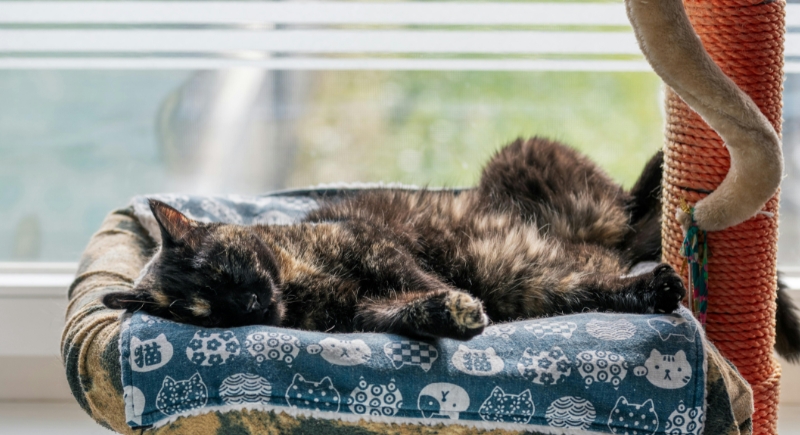
Rearranging Their Favorite Napping Spots
Credit: pexels
Rearranging spots cats love feels harmless, but routine is everything to them. Moving a favorite chair, blanket, or sunny patch disrupts their sense of security. What looks like cleaning or redecorating can register as chaos, leaving cats unsettled, suspicious, and far less inclined to relax.