Raccoons Are Cute, But Here Is Why Domestication Is a Terrible Idea
People often mistake raccoons’ clever behavior and expressive faces for signs of friendliness. Videos of them rummaging through drawers or getting hand-fed snacks make it easy to forget they’re wild animals. But no matter how familiar they seem, raccoons don’t belong in homes. They come with instincts and habits that create real problems inside a domestic setting.
Cute doesn’t mean safe, and trying to raise a raccoon as a pet usually leads to frustration, damage, and danger.
They Show No Loyalty or Long-Term Attachment
Credit: pixabay
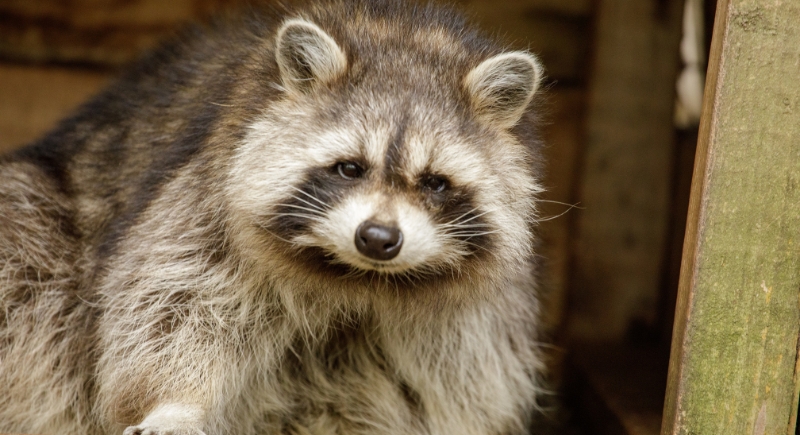
Domesticated animals like dogs have evolved over thousands of years to bond with people, but raccoons haven’t. They don’t seek closeness, nor do they develop lasting trust. Even when kept from a young age, they treat people as a source of food, rather than as companions. This lack of social bonding means raccoons don’t listen, don’t respond to training, and don’t care what their owners want.
Their Bites Can Lead to Emergencies
Credit: Getty Images
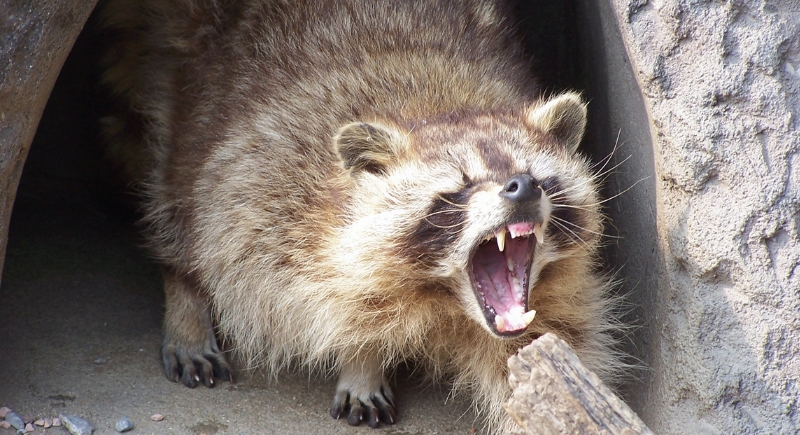
Some people think they can “tame” a raccoon through affection or patience, but that idea falls apart the moment the animal bites. Raccoons act this way when they feel threatened or even just irritated. Since they’re considered high-risk carriers of rabies, every bite may require emergency care.
Exploration Isn’t a Phase
Credit: pexels
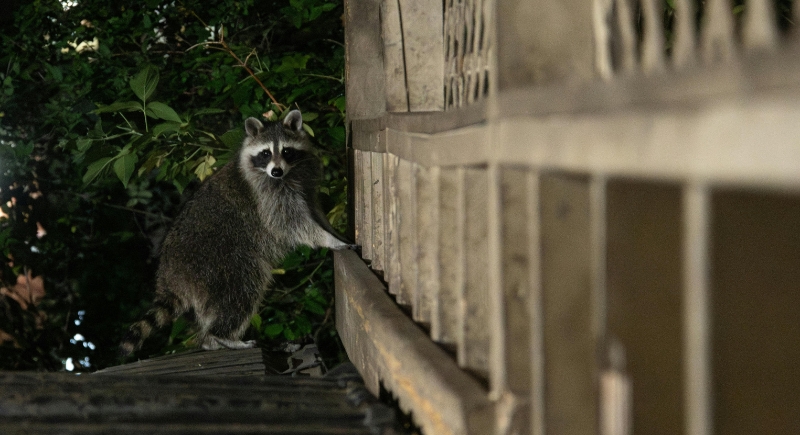
You may think that raccoons are only curious just once in a while. In reality, they are wired to explore all the time. They survive by foraging and investigating their environment. Put that same raccoon in a house, and the behavior doesn’t stop. Instead, it redirects into drawers, cupboards, appliances, and anything that can be moved or opened.
They Do Not Retain Training

Credit: pexels
Unlike dogs, raccoons don’t follow commands for the sake of pleasing someone. They respond to food, and only while they expect to receive it. Once the reward is gone, so is the behavior. This type of training, known as conditioning, yields superficial results that fade quickly. Owners often find themselves repeating lessons over and over.
Sanitation Breakdowns are Inevitable Indoors
Credit: Canva
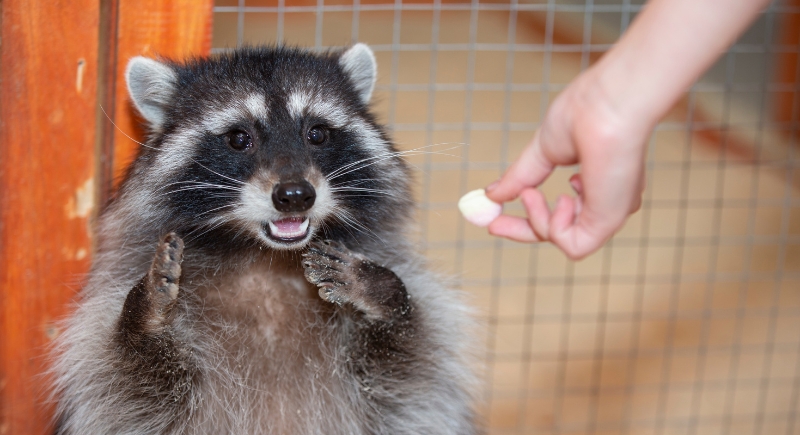
Trying to house-train a raccoon often fails, even with time and patience. They don’t naturally bury waste or follow routines. Some may seem to learn temporarily, but most leave waste behind, such as furniture, under appliances, or in corners. Over time, this develops into a hygiene issue, as the waste emits unpleasant odors, carries disease, and spreads bacteria.
People Only See the Good Moments Online
Credit: pixabay
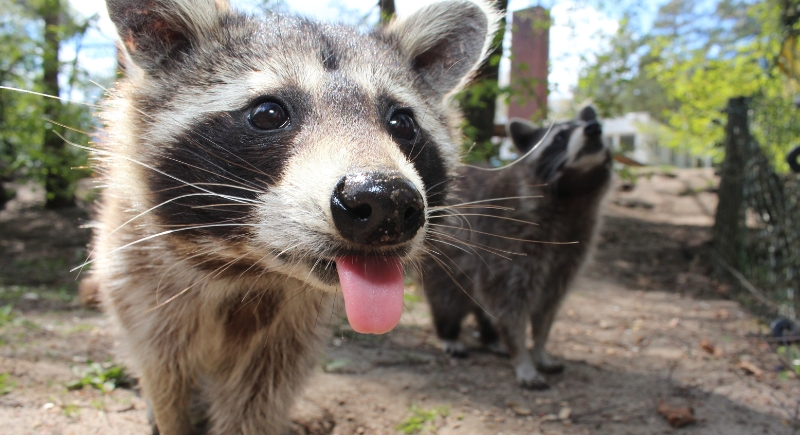
Short videos make raccoons look like little comedians as they steal snacks, react to toys, or climb onto beds. But those clips show five minutes of content after hours of chaos. The rest of the day often involves destruction, stress, or aggression. Owners who post these videos rarely show what happens when the camera turns off.
Local Laws Often Prohibit Pet Raccoons
Credit: Canva
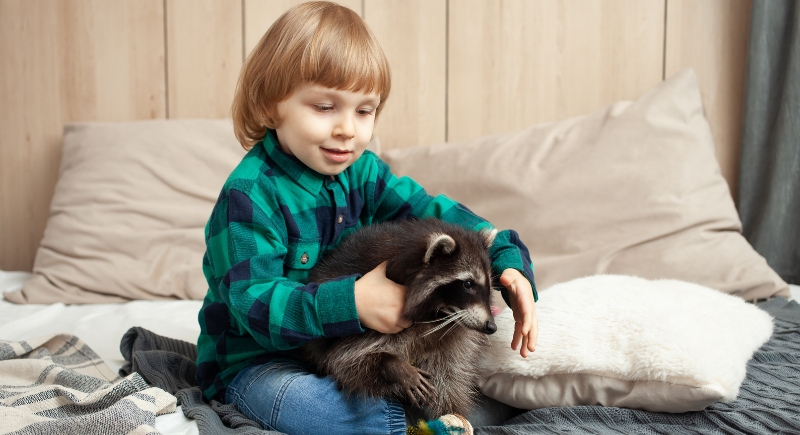
Keeping a raccoon without the proper license is illegal in many states. Even in areas that allow ownership, the laws tend to change often and include strict requirements. Some jurisdictions require regular inspections, permits, and paperwork that most people don’t complete. Getting caught with an unlicensed raccoon can lead to fines or confiscation.
Living Indoors Doesn’t Meet Their Needs
Credit: Getty Images
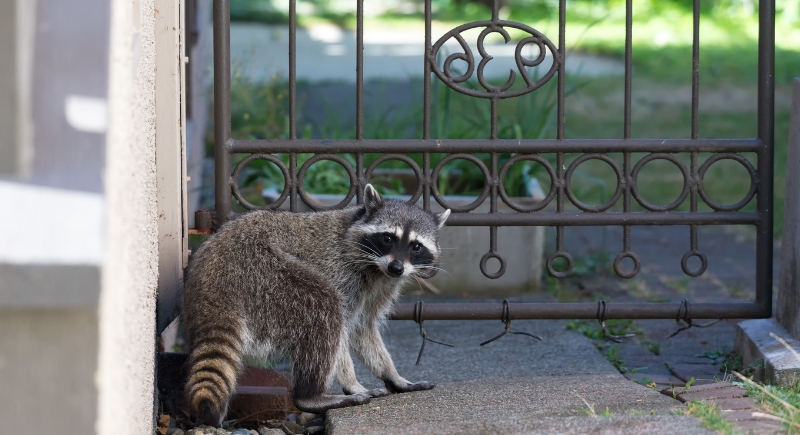
A house can’t provide what a raccoon needs to stay healthy. They require space to roam, stimulation through foraging, and the ability to move through trees or varied terrain. When those needs aren’t met, they show signs of stress. That might look like aggression, weight gain, pacing, or even self-injury.
Their Diseases Don’t Always Show Right Away
Credit: Getty Images
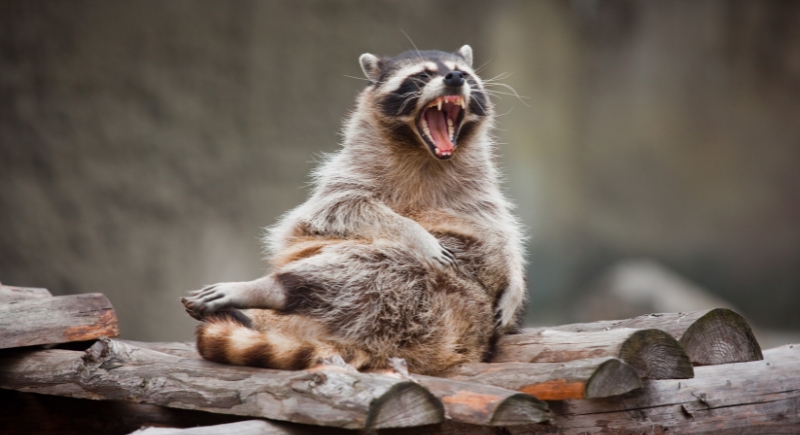
Raccoons can carry several serious diseases without looking sick. Rabies is the most well-known, but they also transmit leptospirosis and salmonella. Infected animals may appear normal for weeks. During that time, they can spread illness through bites, waste, or contact with household surfaces. Regular pets visit veterinarians and receive vaccinations, while raccoons don’t.
They Disrupt Local Wildlife When Released
Credit: pexels
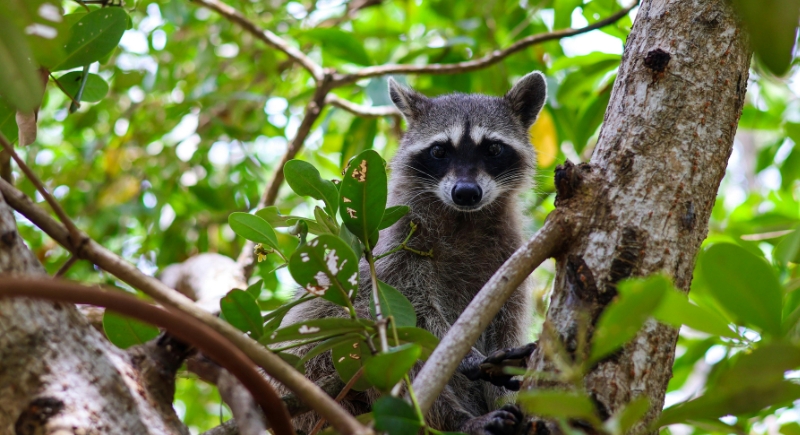
Many raccoon owners give up after realizing they can’t manage the animal. Releasing them into the wild seems like a solution, but it causes real damage. Raccoons raised in homes often lose basic survival skills and struggle to adapt outdoors. Some even carry illnesses or habits that spread to other animal populations.