10 Types of Doodle Dogs Explained by Experts and Trainers
Doodle dogs are created by crossing Poodles with other purebred dogs, mainly to influence coat type and overall temperament. Experts estimate there are now more than 40 recognized doodle mixes worldwide. Their popularity surged in the United States during the 1980s as families looked for dogs that shed less indoors. Poodles come in three size categories, which explains the wide range in doodle sizes.
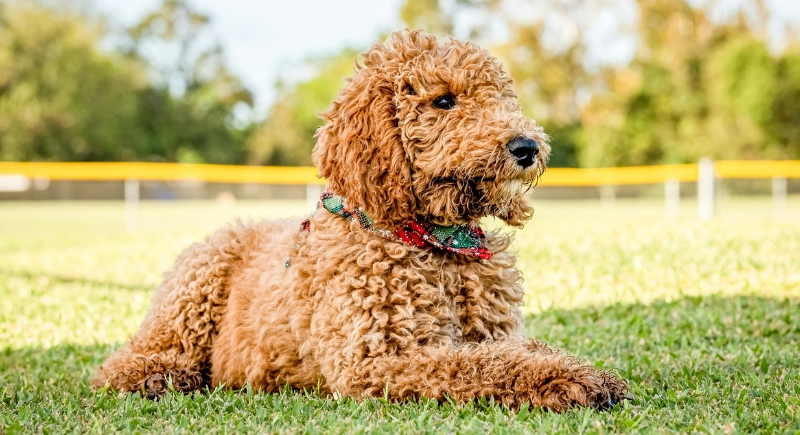
Goldendoodle
Credit: Wikimedia Commons
Therapy programs rely heavily on this mix because Golden Retrievers score high in service temperament testing. With an average lifespan often reaching 15 years, most Goldendoodles weigh between 20 and 80 pounds, depending on the parent Poodle’s size. Coats usually shed less hair, but grooming every six to eight weeks is necessary. Daily exercise prevents boredom since both parent breeds were bred for work.
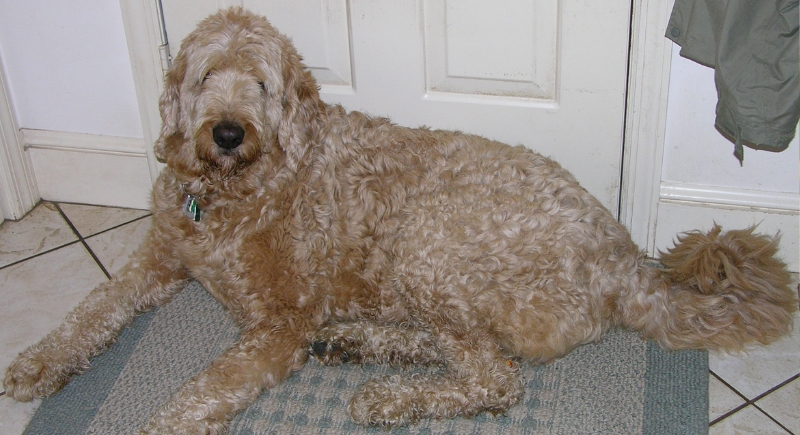
Labradoodle
Credit: Wikimedia Commons
The Labradoodle became famous for being a service dog, especially in programs supporting allergy-sensitive handlers. Many Labradoodle adults settle into a 50 to 75 pound range, though activity level often matters more than exact size. You are usually looking at about a dozen years of companionship, or a little more. Coat care varies widely, so some Labradoodles need brushing several times a week, while those with looser coats need less.
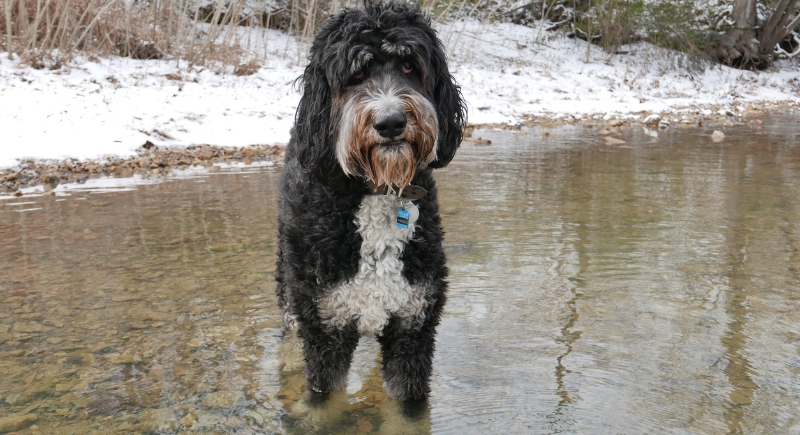
Bernedoodle
Credit: Getty Images
Some Bernedoodles easily cross into giant dog territory near 110 pounds, while others stay far smaller depending on Poodle size. Their tri color coats usually make them instantly recognizable in a crowd.
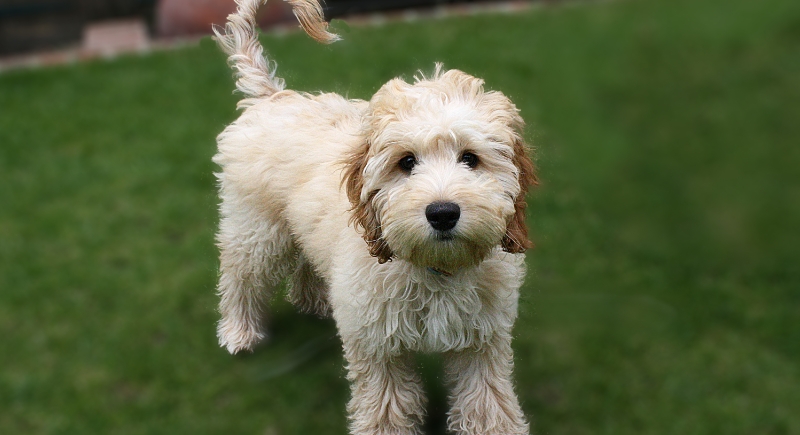
Cockapoo
Credit: Wikimedia Commons
If there’s one dog that launched the doodle movement, many argue it was the Cockapoo decades ago. Many Cockapoos weigh under 35 pounds, making them easy travel companions. They require a grooming routine because their coats tangle fast in humidity. Their playful drive often lasts deep into adulthood.
Sheepadoodle
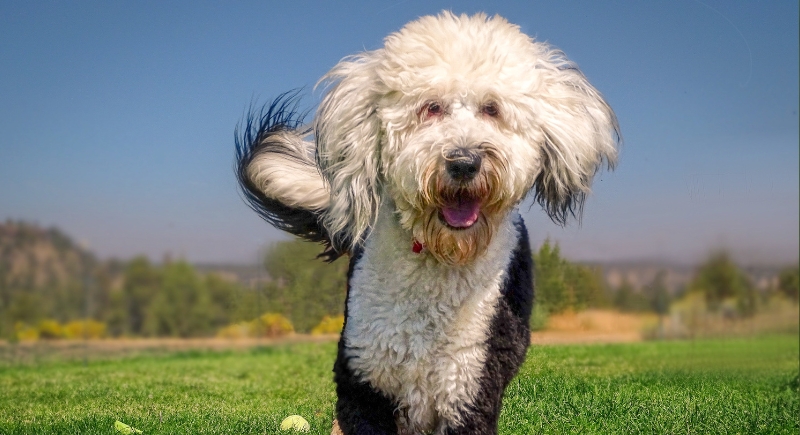
Credit: Getty Images
Seeing a fully grown Sheepadoodle for the first time can be shocking because size sneaks up fast, with many weighing somewhere between 65 and 85 pounds after full growth. Their thick coats usually demand frequent brushing. Lifespan often falls into a 12- to 15-year window, depending on diet and lifestyle. Early training for this dog matters more than people expect.
Aussiedoodle
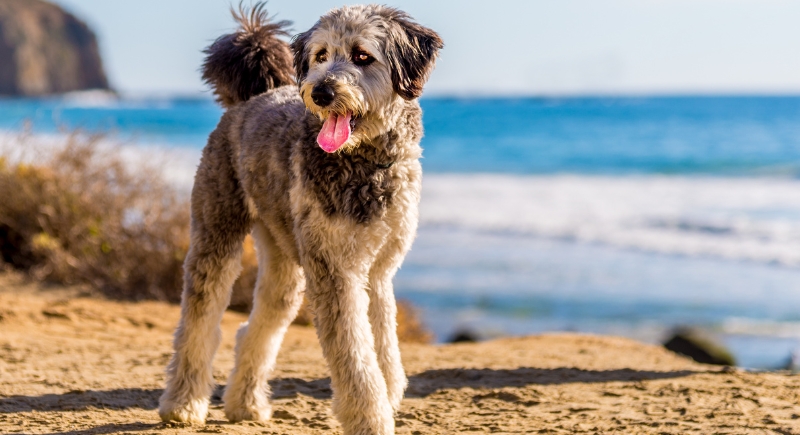
Credit: Getty Images
Mental stimulation usually decides whether an Aussiedoodle becomes calm or destructive at home. Their herding instincts can emerge during regular neighborhood walks. Grooming depends on curl density, but brushing is required several times weekly. They can weigh between 30 and 70 pounds, depending on breeding choices.
Maltipoo
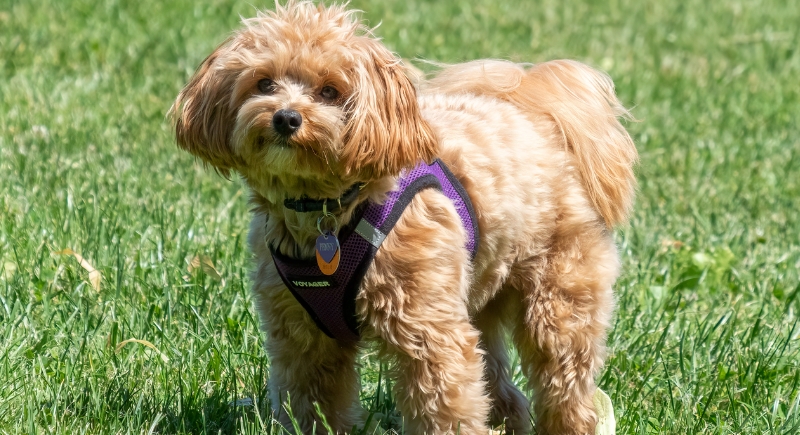
Credit: Wikimedia Commons
Apartment living helped this breed explode in popularity over the last decade. Most Maltipoo adults weigh well under 20 pounds, often much less. Strong attachment to one main person is extremely common in this doodle mix.
Schnoodle
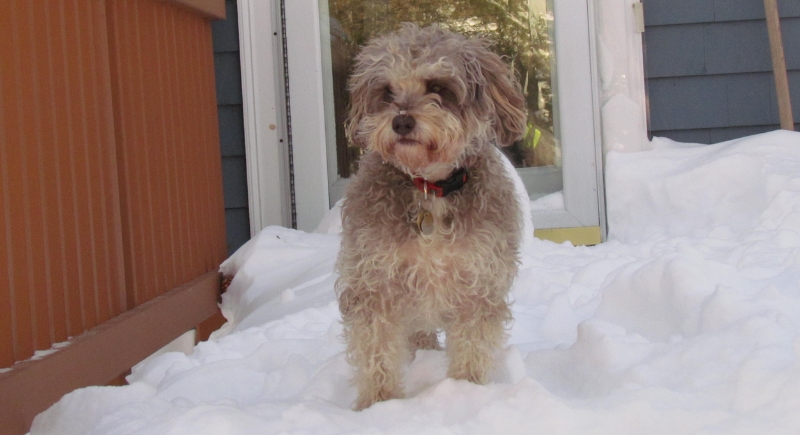
Credit: Wikimedia Commons
The wild card factor with a Schnoodle is size, because the doodle mix depends on which Schnauzer variety was used. Some Schnoodles live closer to 8 years, while others push toward 12. You might see weights ranging from 5 to 70 pounds. Grooming usually requires brushing with scheduled professional trims.
Whoodle
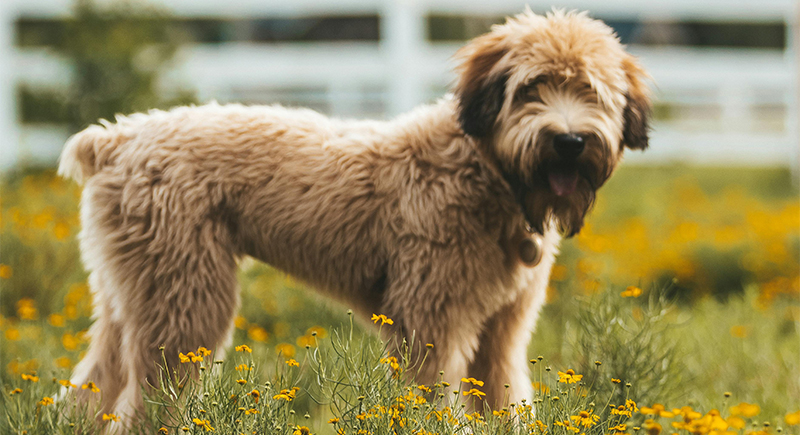
Credit: pexels
The Whoodle’s terrier energy is obvious once the puppy settles into a home. Many Whoodles fall somewhere in the 20 to 45-pound range once fully mature. Coat maintenance usually falls somewhere in the middle, requiring regular brushing but not daily. Training consistency matters with this doodle.
Newfypoo
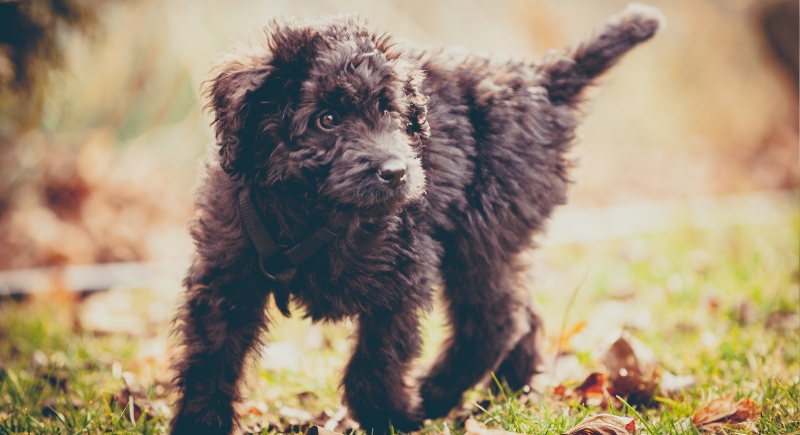
Credit: Getty Images
Swimming ability often shows naturally in the Newfypoo due to strong Newfoundland genetics. Some Newfypoo dogs grow enormous, sometimes reaching 150 pounds, while others stay closer to 70. Large-breed aging patterns mean many Newfypoo dogs live about 10 to 12 years. Food budgets usually run higher because their body mass drives calorie needs.