10 Endangered Species Saved by Conservation Efforts
Nowadays, it feels like extinction headlines dominate conversations about wildlife, but there’s another set of stories that tells a different truth. Around the world, careful planning and policy changes have pulled several species back from the edge. These recoveries involved trial and persistence. Looking at these examples offers a clearer sense of what works when people decide a species is worth saving.
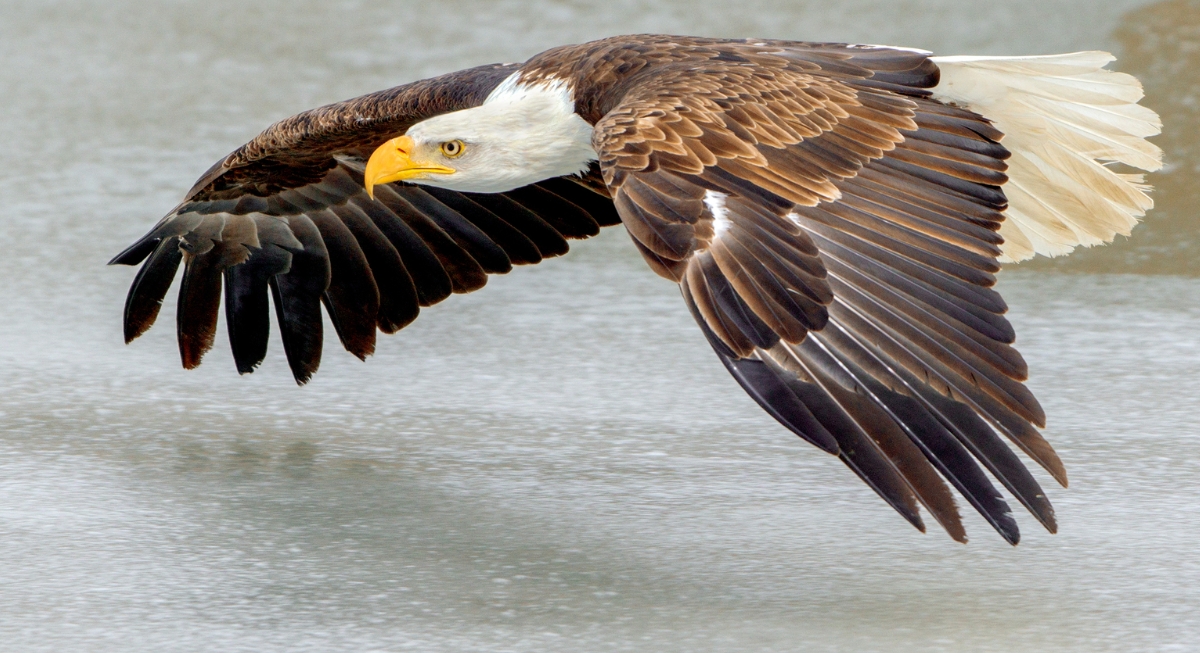
Bald Eagle
Credit: Wikimedia Commons
The bald eagle’s decline once mirrored the effects of chemical pollution across the United States. By the early 1960s, only a few hundred nesting pairs remained. A ban on DDT, paired with habitat protections and breeding programs, shifted that trajectory. Today, hundreds of thousands live across the country, and the bird’s presence has become a routine sight.
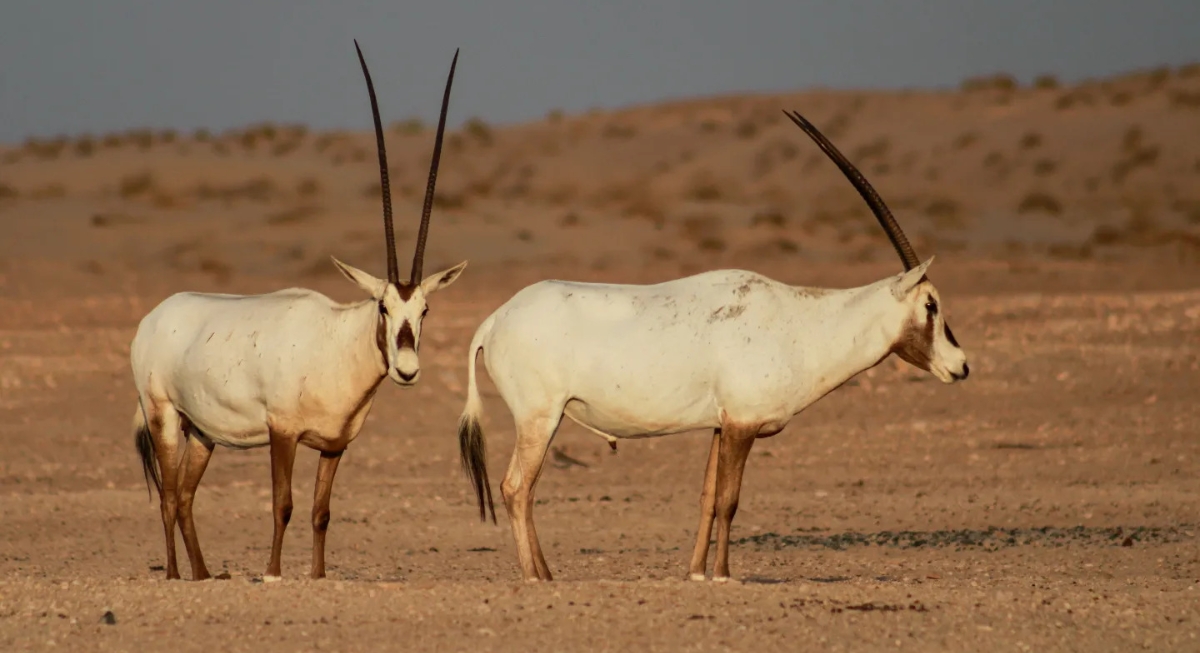
Arabian Oryx
Credit: Wikimedia Commons
This desert antelope disappeared from the wild in the early 1970s after intense hunting pressure. A small captive population became the species’ lifeline. Zoos and conservation groups coordinated a breeding effort, then reintroduced animals into protected areas in the Middle East. The population now includes thousands in managed environments and over a thousand roaming free.
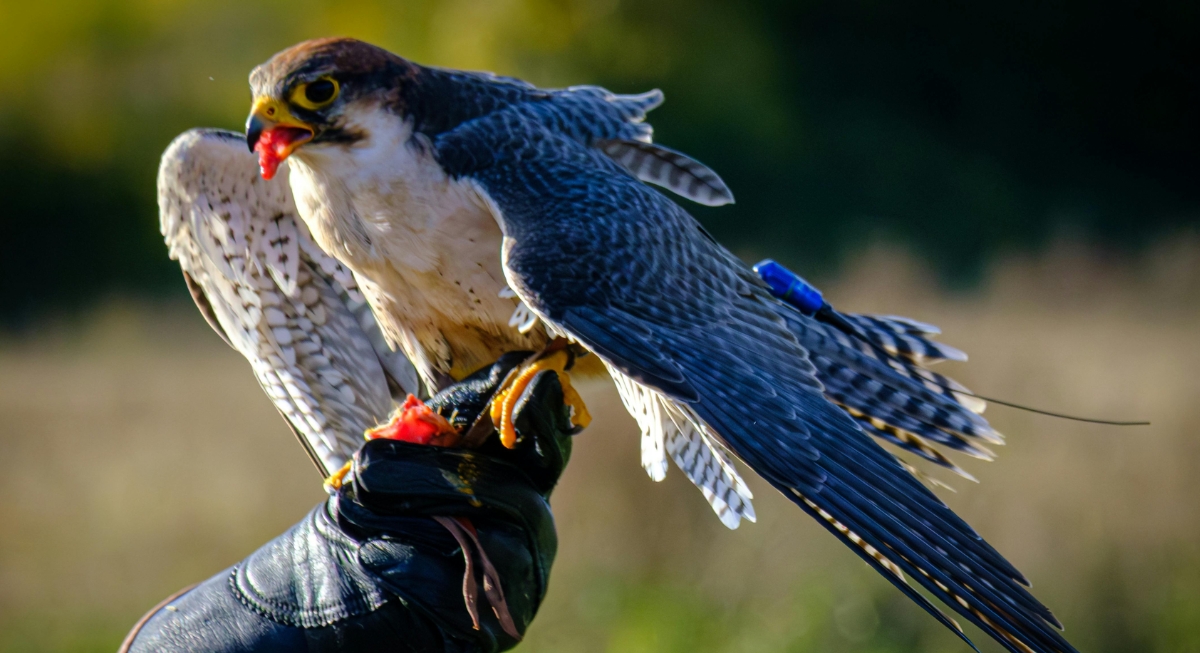
Peregrine Falcon
Credit: pexels
The peregrine falcon’s speed did not protect it from pesticide exposure. DDT contaminated its food chain, weakening eggshells and causing population declines by the 1970s. After the chemical was banned, recovery plans focused on breeding and reintroducing birds into urban and wild habitats. Falcons eventually adapted well to city life.
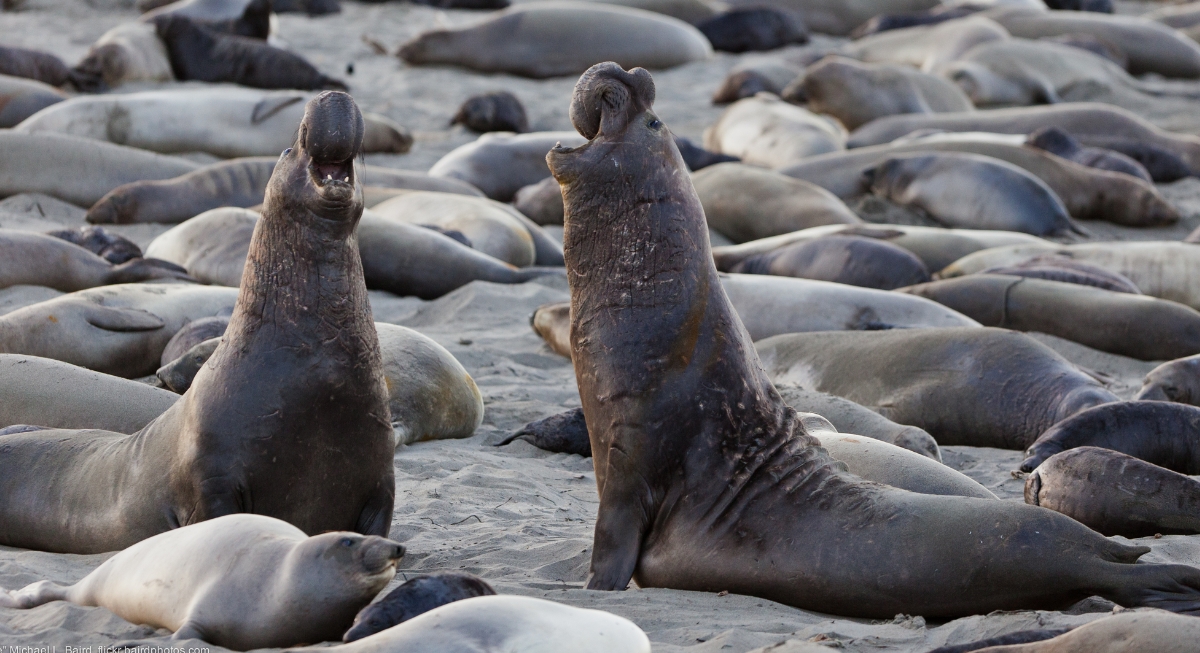
Northern Elephant Seal
Credit: Wikimedia Commons
Hunters once targeted these massive seals for their blubber, driving them to the brink of extinction by the late 19th century. A small group survived on a remote island off the coast of Mexico. Legal protection gave them space to recover without disturbance. The isolated colony became the foundation for today’s population, which now exceeds 150,000 individuals.
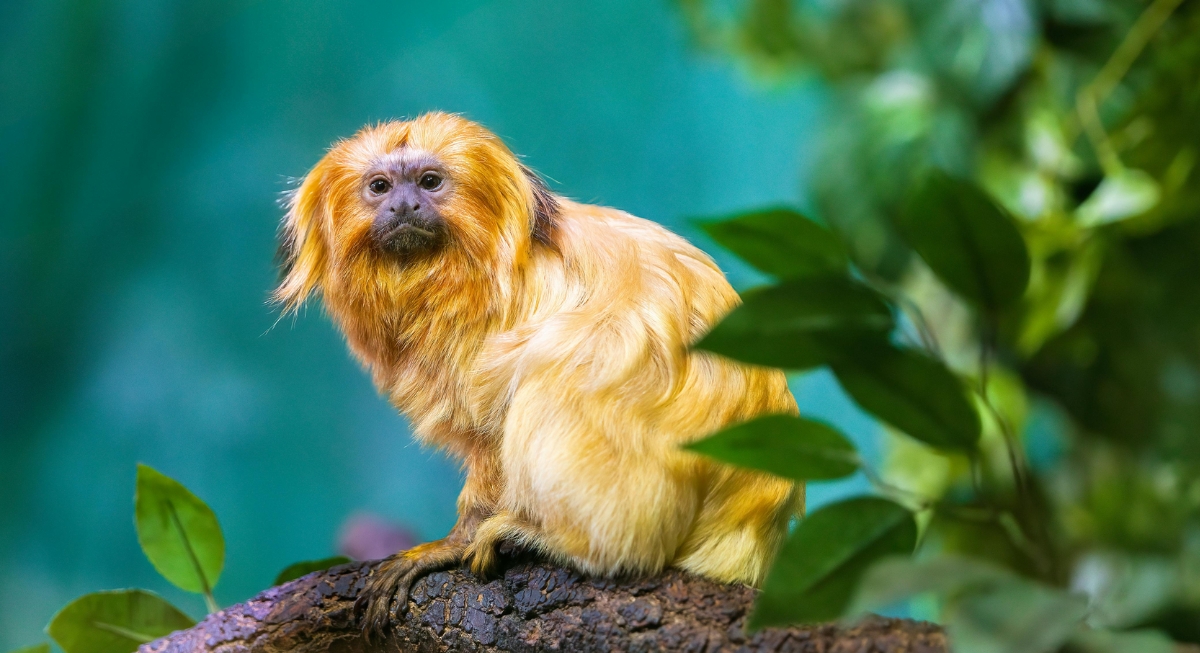
Golden Lion Tamarin
Credit: pexels
Its bright orange fur made this small primate stand out, but it could not protect it from habitat loss in Brazil’s Atlantic Forest. Fewer than 200 individuals remained in the wild during the 1970s. Conservationists partnered with zoos to breed tamarins and reintroduce them into restored habitats. Continued urban expansion still presents challenges.
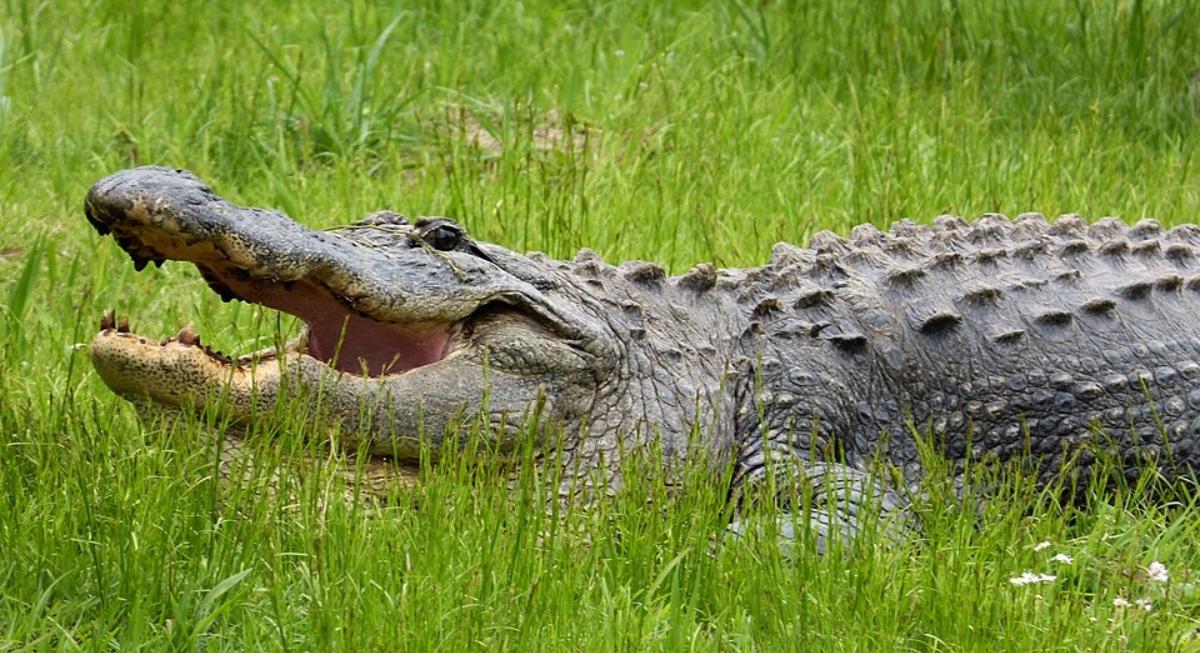
American Alligator
Credit: Wikimedia Commons
Heavy hunting and habitat pressure reduced alligator numbers across the southeastern United States. By the late 1960s, the species earned endangered status. Strict hunting regulations and habitat monitoring followed, along with careful population management. Within two decades, alligator numbers had recovered enough to remove them from the endangered list. Their return also reshaped wetlands, since their nesting and movement patterns influence surrounding ecosystems.
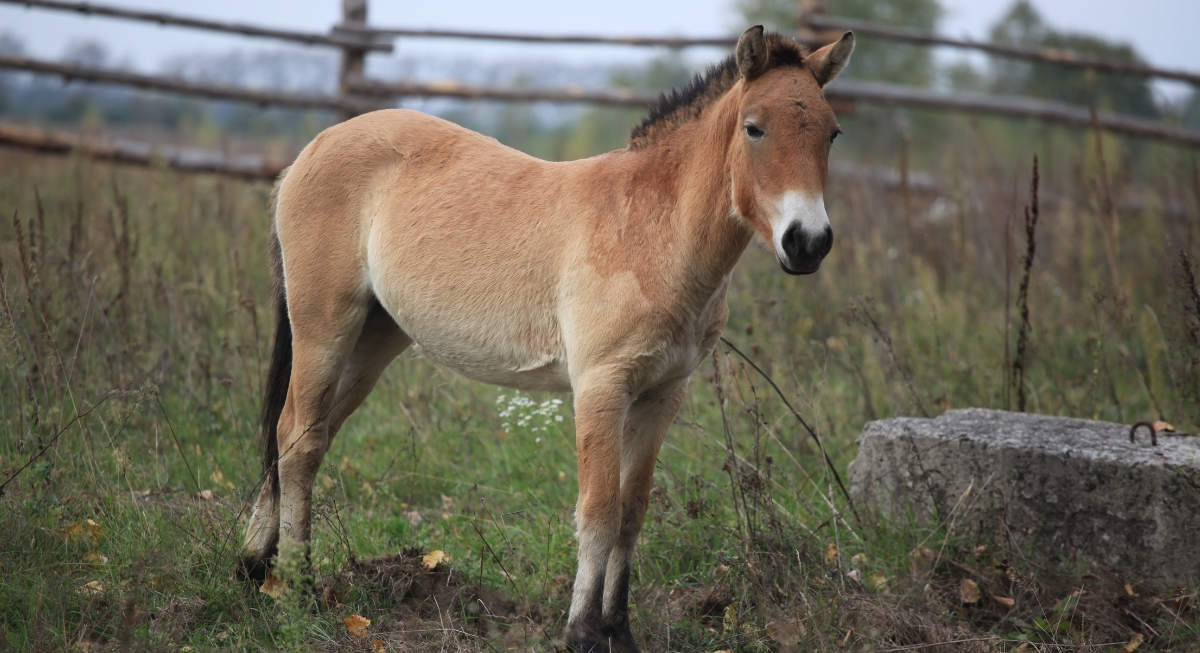
Przewalski’s Horse
Credit: Wikimedia Commons
Native to Mongolia, this wild horse vanished from its natural habitat by the mid-20th century. Zoos had already begun breeding the species, which turned out to be its saving grace. Reintroduction programs started in the 1990s and released horses into protected reserves. Populations have since stabilized in several countries, including areas affected by human abandonment such as Chernobyl.
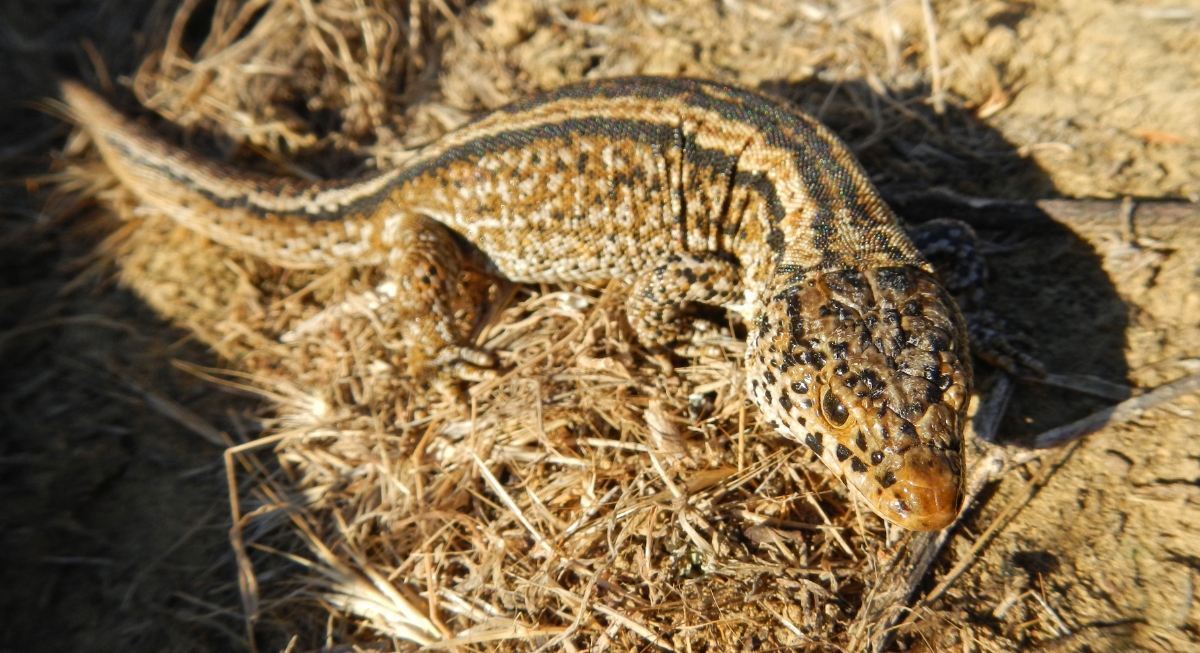
Island Night Lizard
Credit: Wikimedia Commons
Limited to a few islands off California, this reptile faced serious threats after non-native animals damaged its habitat. Protection under federal law led to habitat restoration and the removal of invasive species. The results surprised many researchers. The population expanded into the millions. It is one of the most dramatic reptile recoveries recorded.
West Indian Manatee
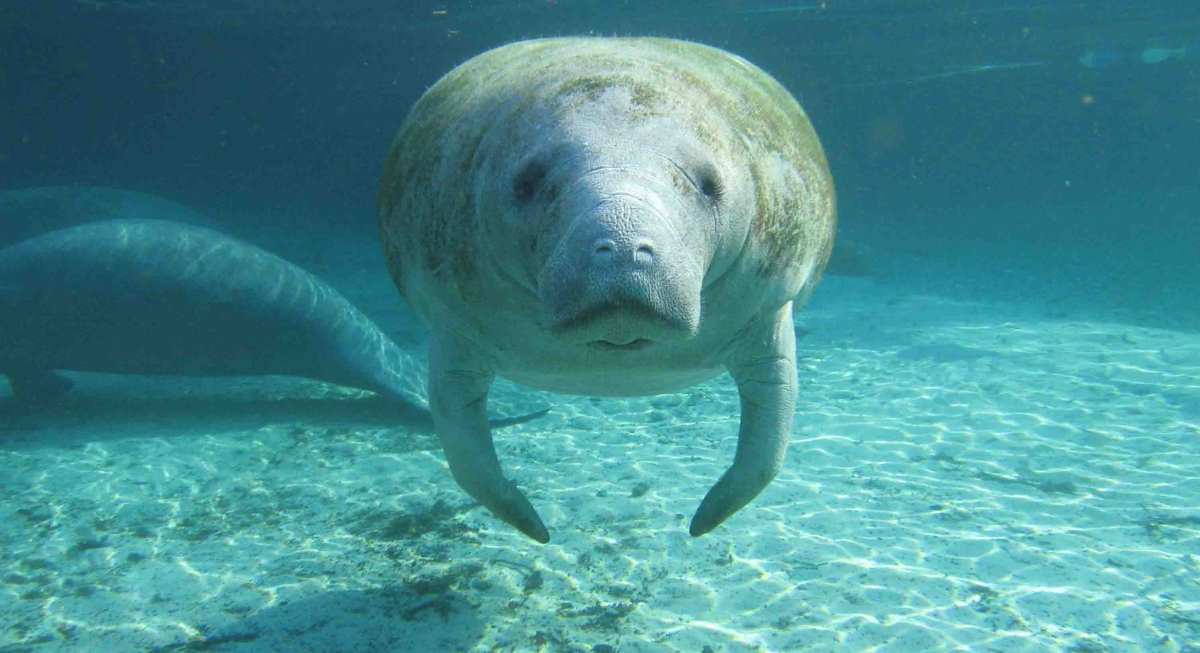
Credit: Wikimedia Commons
Boat collisions and habitat changes placed steady pressure on manatee populations in Florida waters. Protective laws introduced speed limits in key areas and restricted certain boating activities. The population has more than tripled since the early 1990s. Recent challenges linked to food shortages show that its recovery does not eliminate risk, but the species remains far more secure than before.
Burmese Star Tortoise
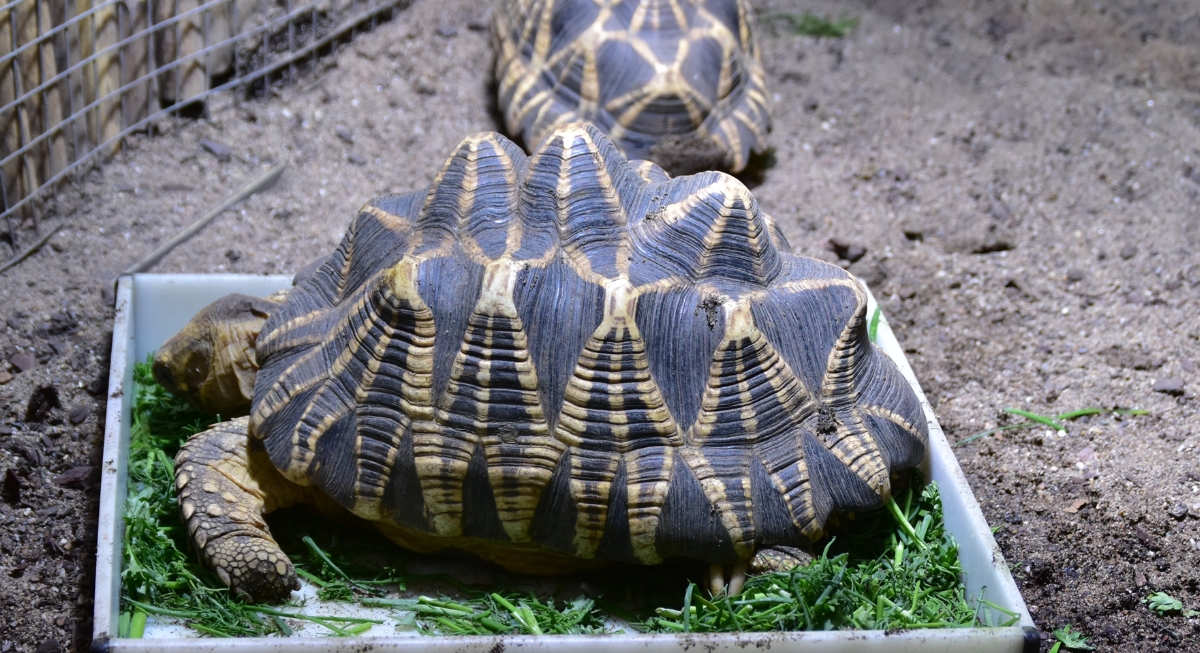
Credit: Wikimedia Commons
Wild populations of this tortoise collapsed due to illegal wildlife trade. Conservationists responded by building breeding programs using confiscated animals. Starting with fewer than 200 individuals, the program expanded steadily. Thousands now exist in captivity, and many have been reintroduced into protected areas in Myanmar. The long-term goal is to establish a fully self-sustaining wild population.