Facts About Grizzly Bears You Probably Did Not Know
Grizzly bears are known for raw power and bad tempers, but most people only know the surface details. Beyond the physical appearance, such as the shoulder hump and the warning growl grizzly bear combines surprising speed, sharp intelligence, and ecological influence across vast landscapes. You’d be surprised by the sides of grizzlies you may not have considered.
They Can Run Shockingly Fast
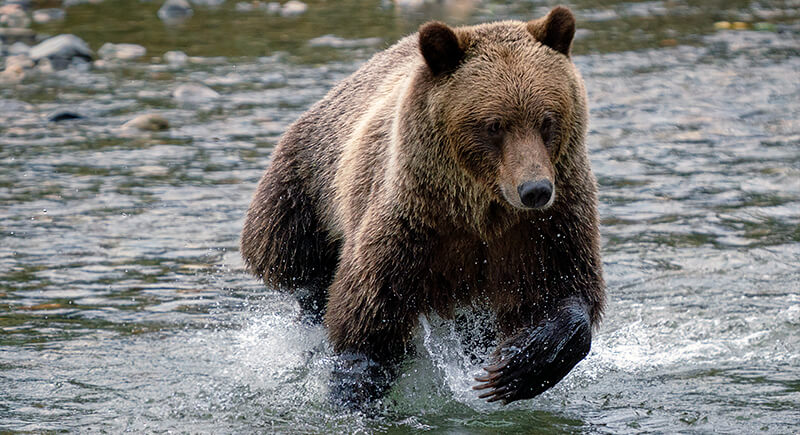
Credit: Wikimedia Commons
Despite their bulk, grizzlies can sprint at speeds up to 35 miles per hour. That is fast enough to outrun the average horse over short distances and easily outpace the fastest human alive. What makes this even more remarkable is that adult males can weigh between 400 and 600 pounds, with some exceeding 700 pounds, depending on region and food availability.
That Shoulder Hump Has a Purpose
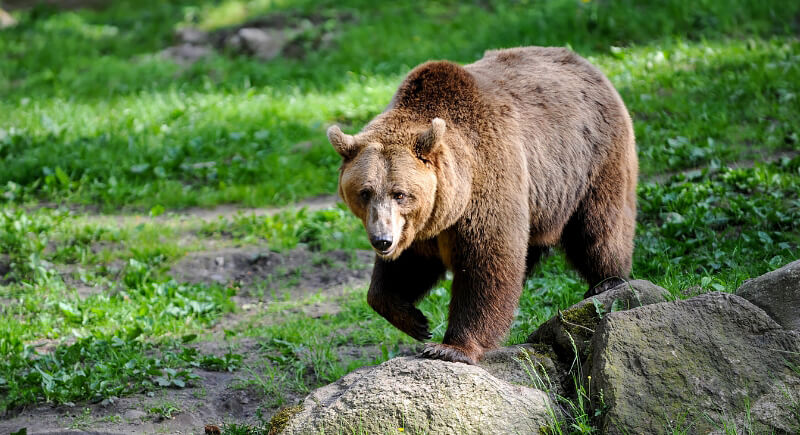
Credit: pixabay
That iconic shoulder hump is a dense mass of muscle attached to powerful forelimbs designed for digging. Those muscles, combined with claws that can grow up to four inches long, allow grizzlies to tear into compacted soil, flip over heavy rocks, and excavate dens with efficiency that few animals can match.
Their Name Has Nothing to Do With “Grisly”
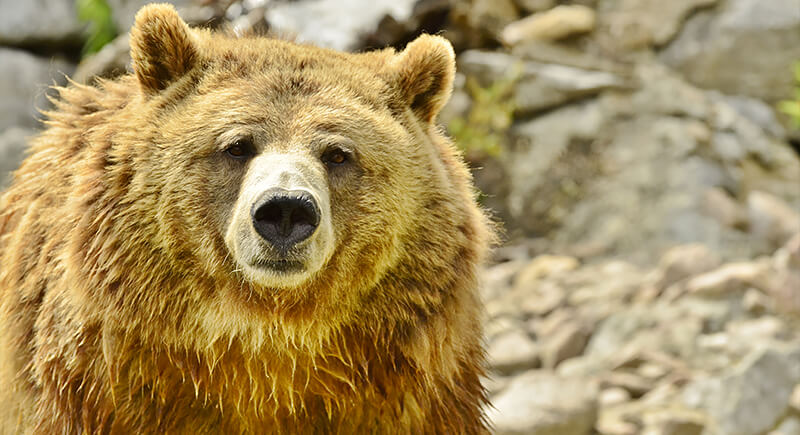
Credit: Wikimedia Commons
The name “grizzly” comes from the word “grizzled,” a nod to the silver-tipped guard hairs that give the bear its frosted appearance. Depending on lighting and season, the same bear can look blonde, cinnamon, dark brown, or nearly black.
They Do Not Truly Hibernate
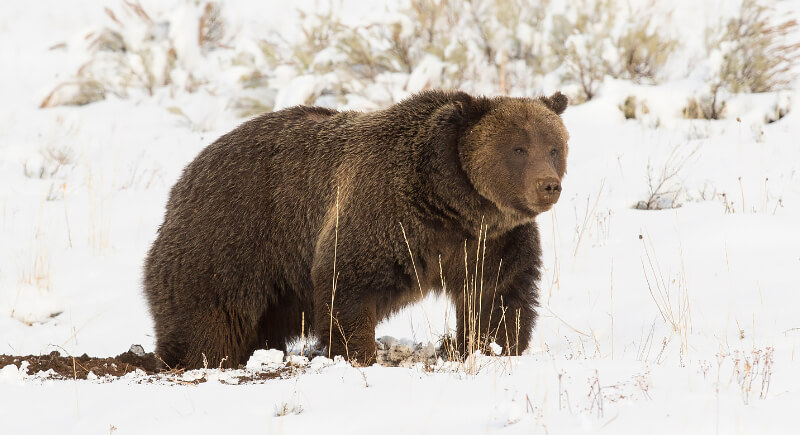
Credit: Getty Images
When winter arrives, grizzlies, instead of hibernating, enter a state known as torpor. Their heart rate and metabolism slow dramatically, but they can wake, shift position, or even leave the den briefly. In preparation for that dormant period, they may gain up to 20 pounds per week in late summer and fall.
Fall Turns Them Into Eating Machines
Credit: Getty Images
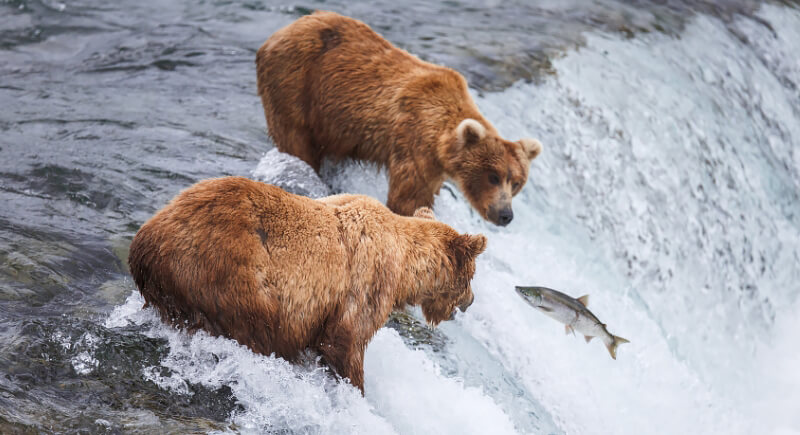
Their fall feeding frenzy, called hyperphagia, pushes calorie intake to extraordinary levels. A grizzly can consume up to 20,000 calories in a single day and may spend 20 hours foraging. Salmon, deer, roots, berries, insects, and even whale carcasses all make the menu. In Montana’s Glacier National Park, some climb to alpine slopes and eat tens of thousands of moths in a single day to maximize fat storage.
Yes, They Can Climb Trees
Credit: Youtube
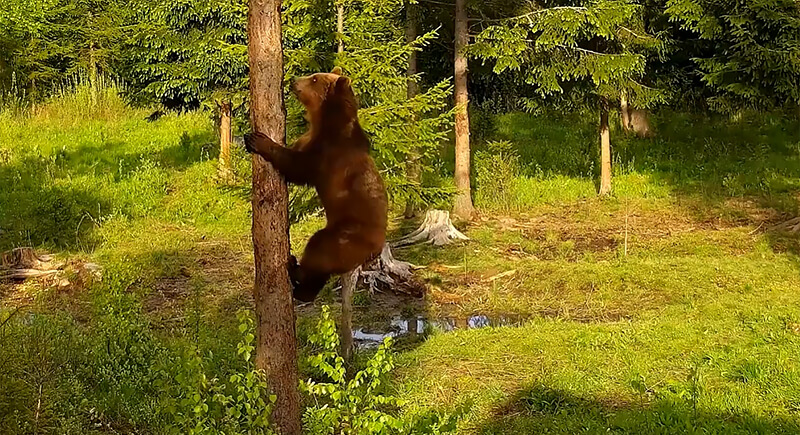
Tree climbing is not limited to black bears. Young grizzlies scale conifers with ease, and even adults can climb when branch spacing allows support. Their long claws make the task awkward, but the ability remains in their toolkit.
Their Memory Is Impressive
Credit: Wikimedia Commons
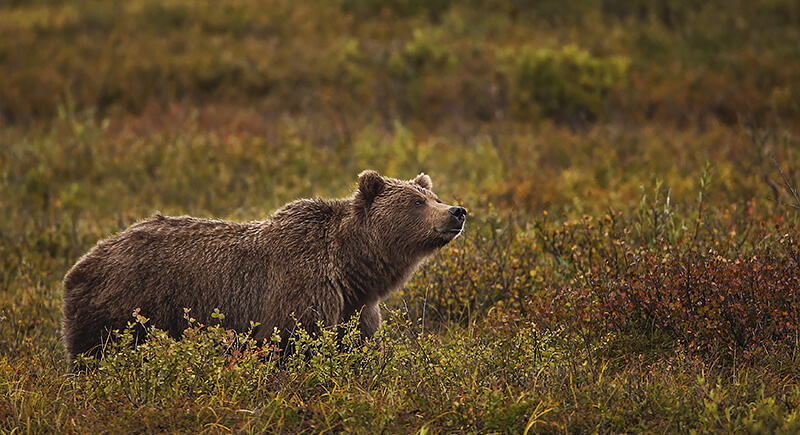
Sharp memory plays a major role in survival. Grizzlies remember productive berry patches, salmon streams, and carcass sites for years, navigating territories that can stretch over 600 square miles when food is scarce. That spatial awareness allows them to return to reliable food sources long after other animals would forget the location.
They Can Hybridize With Polar Bears
Credit: Wikimedia Commons
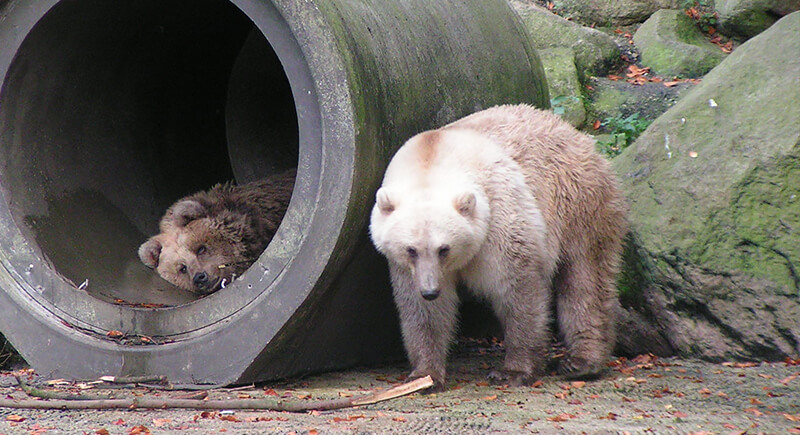
In rare cases where ranges overlap in Arctic regions, grizzlies have mated with polar bears. The resulting hybrids, often called “grolar” or “pizzly” bears, have been confirmed through DNA analysis. These occurrences remain uncommon, but warming climates may increase range overlap in the future.
They Shape Entire Ecosystems
Credit: Wikimedia Commons
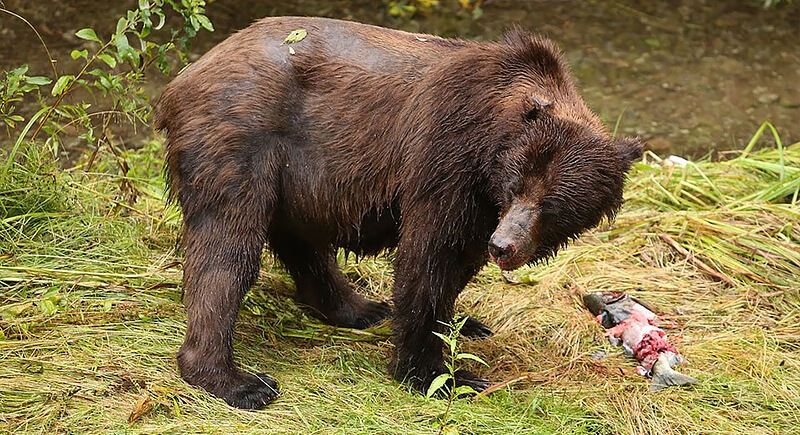
Their influence extends far beyond their own survival. By dragging salmon carcasses into forests, grizzlies transport marine nutrients inland, enriching soil and supporting plant growth. Seeds consumed in berries pass through their digestive systems and are dispersed across wide territories, shaping entire ecosystems in the process.
Their Numbers Are Still Fragile
Credit: Wikimedia Commons
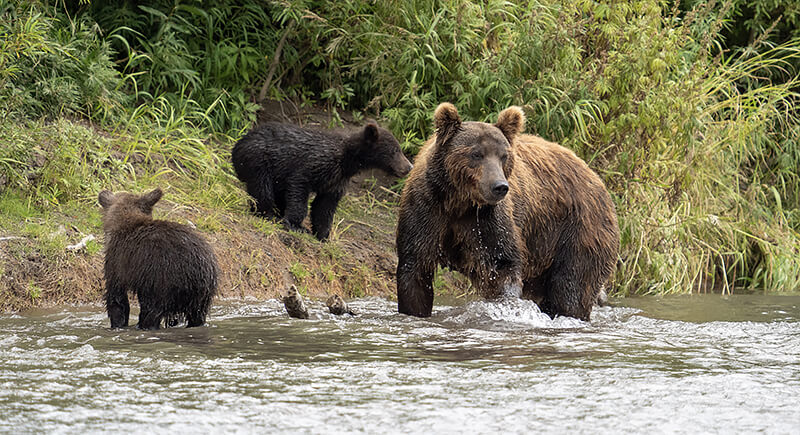
Even with their strength and adaptability, grizzlies remain vulnerable. In the lower 48 states, fewer than 2,000 individuals are estimated to remain, a sharp decline from roughly 50,000 two centuries ago. Habitat fragmentation, road expansion, and human conflict continue to challenge population recovery.