Facts About Elephants That Prove How Special They Really Are
Elephants have fascinated people for centuries, and the more scientists study them, the more impressive they seem. Their intelligence, physical abilities, and social lives reveal a level of complexity that few animals match. Here are ten facts that show just how extraordinary these animals truly are.
Elephants Can Recognize Themselves in a Mirror
Credit: Getty Images
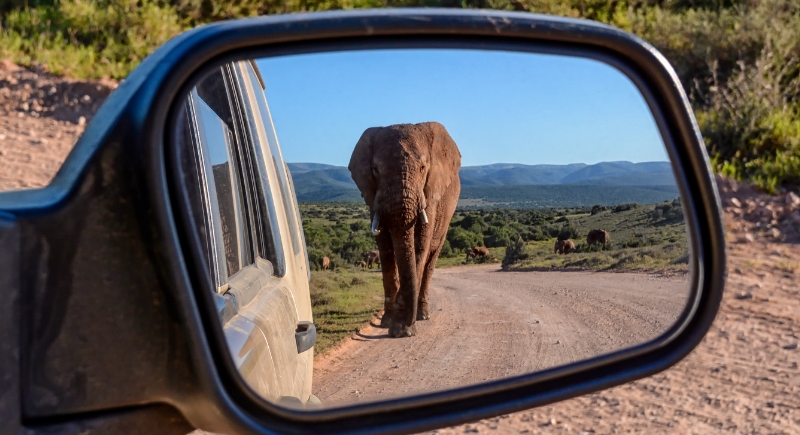
Very few animals understand that the reflection staring back at them is their own image. Elephants pass this test. When researchers placed mirrors in front of elephants, the animals examined parts of their bodies they normally cannot see, indicating clear self-recognition. This level of awareness is rare and has only been documented in humans, great apes, dolphins, and a few other species.
They Can Hear Vibrations Through the Ground
Credit: Canva
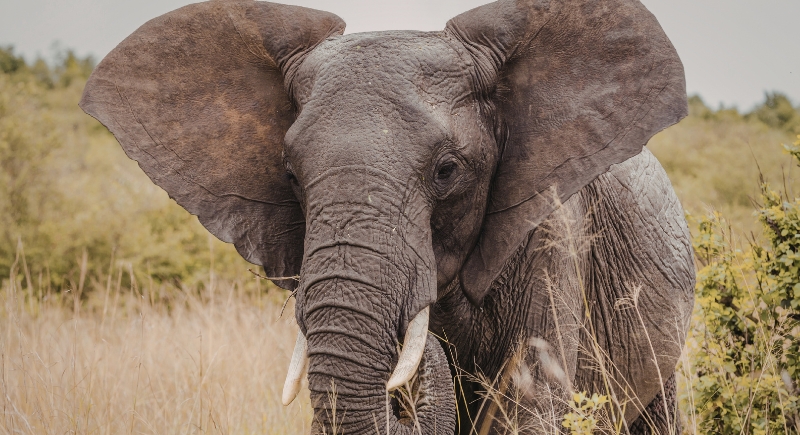
Elephants don’t rely only on sound traveling through the air. They also detect ground vibrations through sensitive nerve endings in their feet and trunk. When another elephant produces a low rumbling call, those vibrations can travel through the soil for miles. Herd members may respond even when the caller is far out of sight.
Their Trunk Is One of the Most Complex Tools in Nature
Credit: Canva
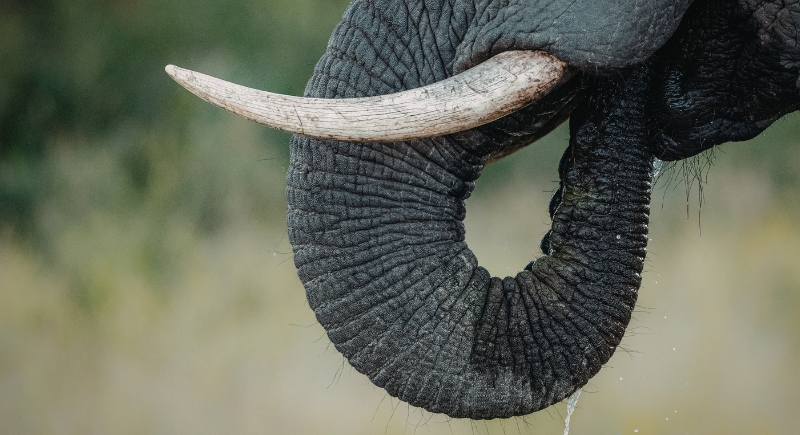
An elephant’s trunk contains more than 40,000 muscles and no bones. That remarkable structure allows it to perform incredibly delicate tasks, such as picking up a single blade of grass, while still being strong enough to lift heavy branches. The trunk also functions as a nose, a hand, and a communication tool.
Elephant Herds Depend on the Wisdom of Older Females
Credit: pexels
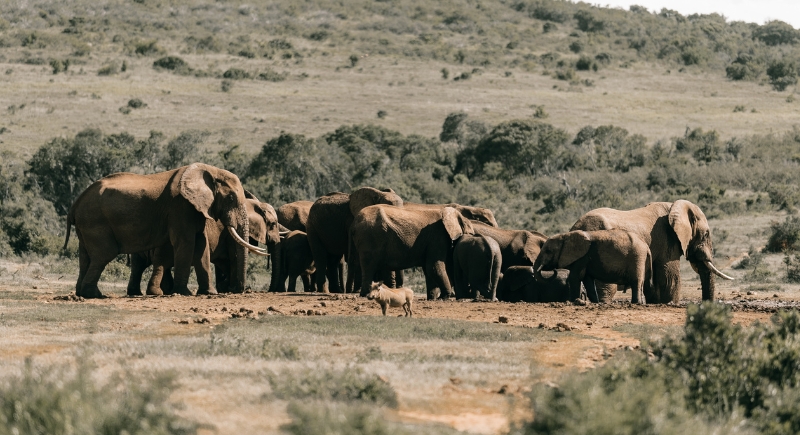
Elephant families are led by a matriarch, usually the oldest female in the group. Her experience can determine whether the herd survives harsh conditions. Studies spanning decades show that herds led by older matriarchs tend to fare better during droughts because these leaders remember distant water sources and feeding grounds from years earlier.
Elephants Spend Most of Their Day Eating
Credit: Getty Images
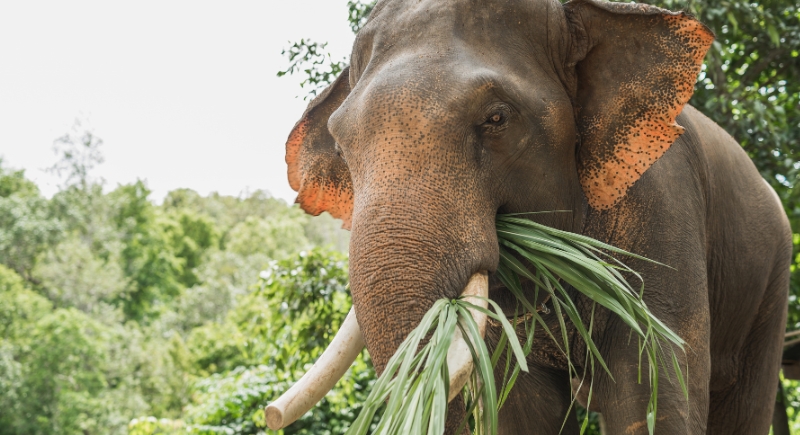
An adult elephant requires enormous amounts of food to sustain its size. Many individuals consume 250 to 300 pounds (113–136 kg) of vegetation daily, and in some cases, much more. Because their digestive systems process only about half of what they eat, elephants may spend 16–18 hours a day feeding as they move through their habitat.
They Shape Entire Ecosystems
Credit: Getty Images
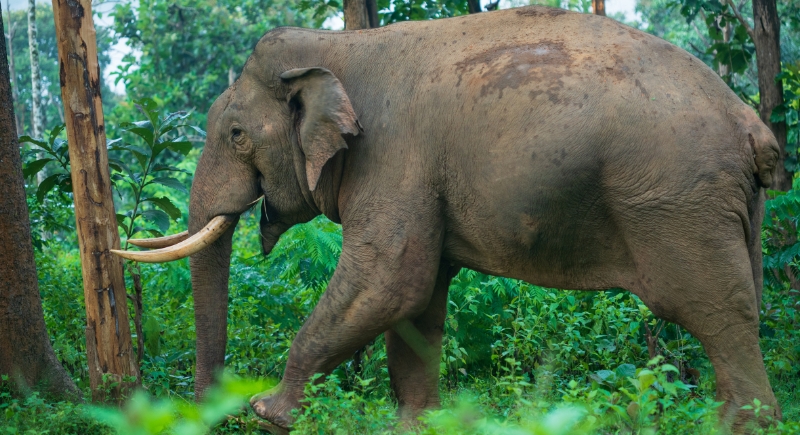
Elephants do far more than simply pass through landscapes. By knocking down trees, digging for water, and clearing pathways through dense vegetation, they transform the environments around them. Other species often rely on these changes.
Elephants Are Capable Swimmers
Credit: Getty Images
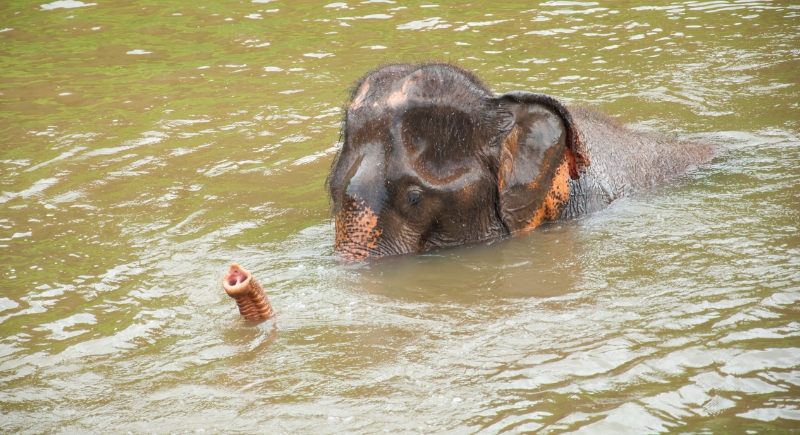
Despite their enormous size, elephants are comfortable in the water. They can swim long distances and often use their trunks as natural snorkels to breathe while their bodies remain submerged. This ability allows them to cross rivers or lakes when migrating between feeding areas.
Elephant Families Show Signs of Grief
Credit: Getty Images
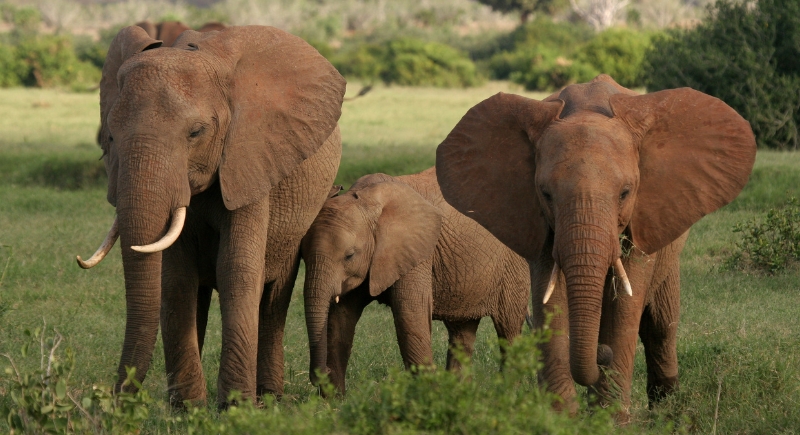
Observations in the wild have revealed behaviors that resemble mourning. Elephants sometimes remain beside a deceased herd member for days and have been seen gently touching the bones of elephants that died long before. These interactions suggest strong social bonds within elephant families.
Their Pregnancies Last Almost Two Years
Credit: Getty Images
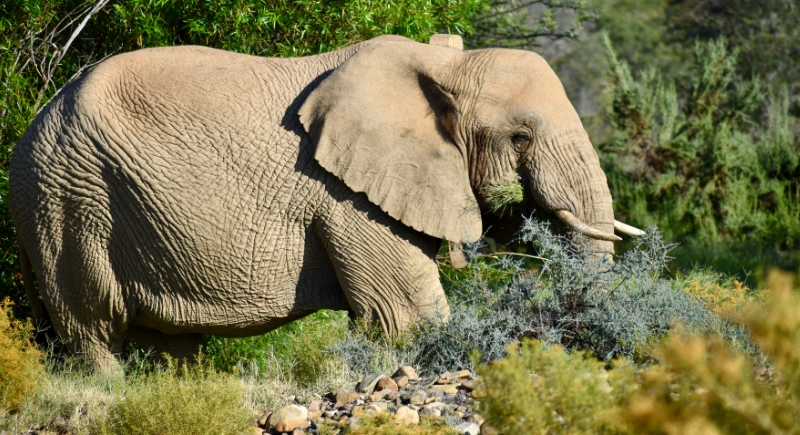
Elephants have the longest known gestation period of any land mammal. A pregnancy typically lasts about 22 months. When the calf is finally born, it already weighs around 200 to 300 pounds (90–136 kg) and can stand within a short time of birth.
They Are the Largest Animals Living on Land Today
Credit: Getty Images
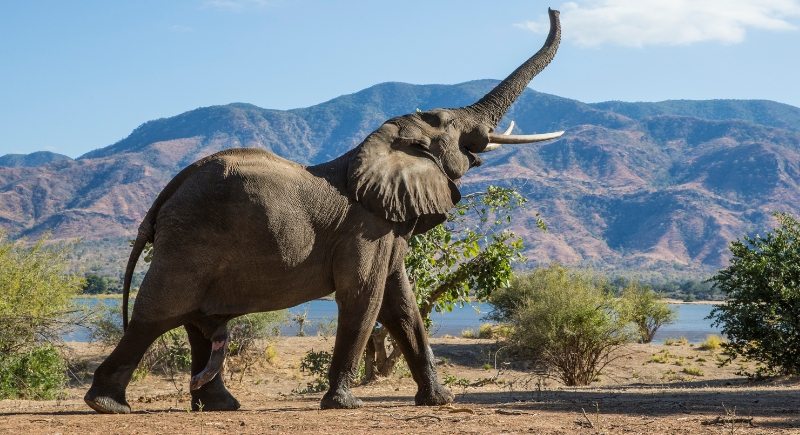
The African elephant holds the title of the largest land mammal on Earth. Adult males can weigh several tons and tower over most other animals in their habitat. Yet despite their size and strength, elephants often display patience, cooperation, and deep social connections within their herds.