10 Famous Companies With Enviable Pet-Friendly Policies
For a lot of people, pets are part of the daily juggling act. You’re checking the clock to make it home for a walk, planning vet appointments around meetings, and thinking about care during long workdays. Some companies eventually noticed that this is just real life. Instead of pretending pets don’t exist, they built workplaces that leave space for them.
Google
Credit: Wikimedia Commons
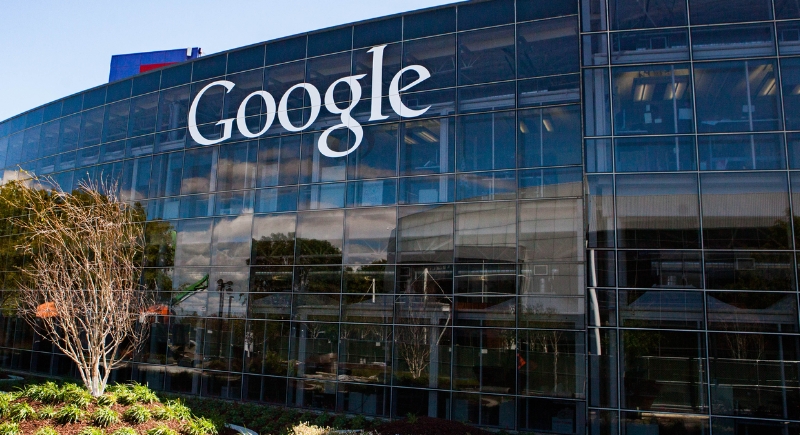
On various Google campuses, dogs moving between desks is normal enough that security teams issue badges for regular canine visitors. The internal Dooglers group was formed so employees could swap training tips, sitter recommendations, and travel advice. Yoshka, owned by early executive Urs Holzle, became so well known that a campus dog-friendly café concept grew from his presence.
Kimpton

Credit: Wikimedia Commons
Kimpton’s pet-friendly reputation started with a simple habit. Founder Bill Kimpton used to greet guests alongside his collie, Chianti, setting the tone from the very beginning. That spirit stuck. Many locations now have a Director of Pet Relations, often an employee’s dog trained to welcome guests. These lobby dogs became so familiar that returning guests sometimes ask about them when they book their stay.
Genentech

Credit: Wikimedia Commons
Working in biotech often means unpredictable hours, long experiments, and strict lab safety rules that keep animals outside research areas. Genentech built support around that reality by offering broad pet care discounts and services. The employee-run gDogs community organizes meetups and advice sessions, helping staff balance demanding research schedules with responsible pet ownership.
Mars
Credit: Wikimedia Commons
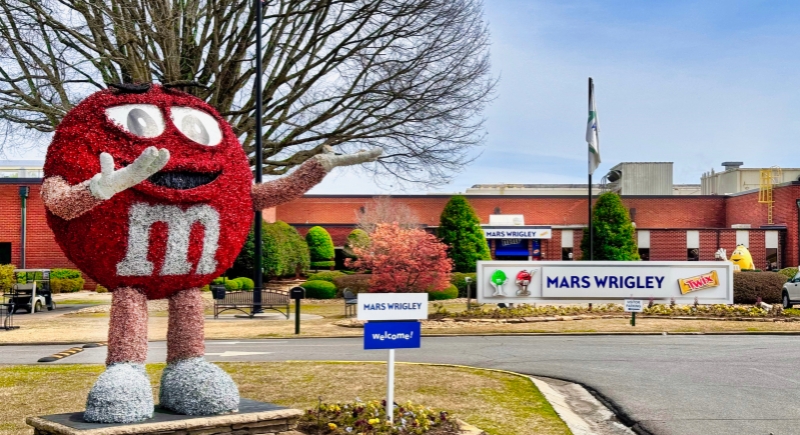
At several Mars corporate sites, employees can register dogs through internal workplace safety systems before bringing them in regularly. Some offices provide designated feeding stations and relief areas to prevent disruption during long workdays. Because many roles involve travel between offices or plants, internal support programs help coordinate temporary pet care during multi-day work trips.
Salesforce

Credit: pexels
At Salesforce’s San Francisco headquarters, pets are part of the routine, but with a clear system in place. Instead of casual desk drop-ins, employees reserve Puppyforce rooms ahead of time, especially on packed meeting days. These rooms come equipped with crates, cleaning supplies, and sound control to keep things calm. Midday dog walks often turn into quick catch-ups between coworkers squeezing in conversation between back-to-back meetings.
Autodesk
Credit: Wikimedia Commons
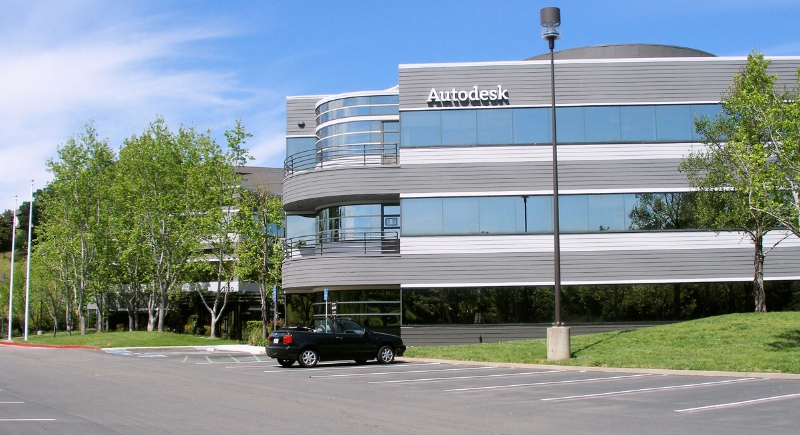
During major software release weeks at some Autodesk offices, teams sometimes coordinate which days dogs come in so crowded project floors stay manageable. Engineers working long rendering cycles often step outside with dogs between test runs. Over time, those breaks became part of how teams pace high-focus technical work without leaving campus.
Workday
Credit: Wikimedia Commons
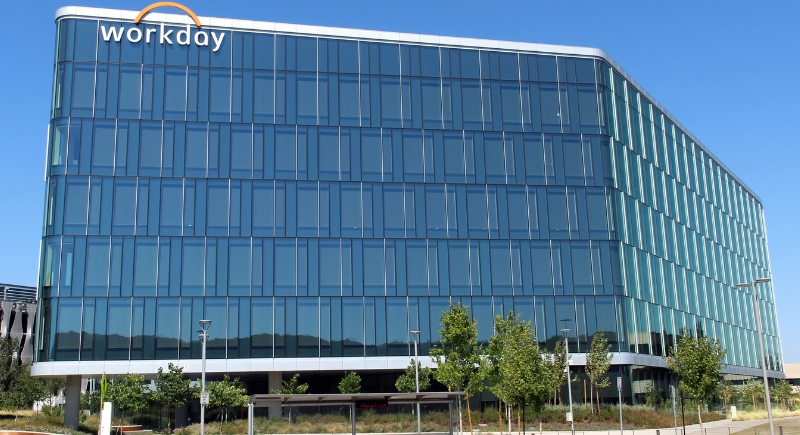
At several Workday locations, dog days are scheduled around peak office attendance, especially during quarterly planning periods when meeting rooms fill up fast. The annual Bring Your Dog to Workday event usually draws employees from departments that rarely interact, and stories about familiar office dogs often circulate faster than internal newsletters.
Activision Blizzard

Credit: Wikimedia Commons
Game development at the Irvine campus often runs on long production cycles, with teams staying late to test builds and troubleshoot launches. Over time, employees started bringing dogs during crunch periods, and the company formalized registration and ID tags styled after game factions. Pet Parents Day later evolved into a practical service day with on-site vet checkups.
Atlantic Health
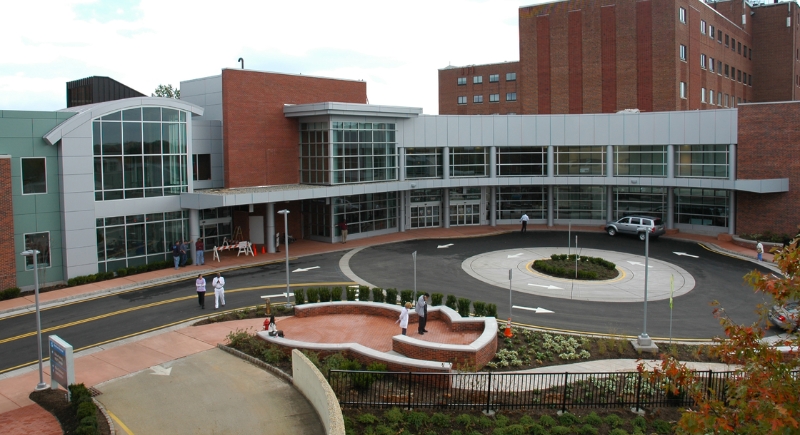
Credit: Wikimedia Commons
Hospital therapy dogs at Atlantic Health move on strict schedules that sometimes mirror patient treatment rounds. The Soothing Paws program began after staff noticed calmer waiting rooms during volunteer dog visits. As hospital workloads intensified during certain seasons, administrators expanded visits to staff break areas where short interactions helped reset between demanding shifts.
Oscar Health

Credit: Facebook
In Oscar’s New York startup environment, dogs became visible during early company growth, when teams regularly worked late to build product launches. Instead of limiting access, leadership allowed pets in shared work areas. One office dog named Tommy became recognizable enough that candidates sometimes asked about him during interviews before accepting offers.