Farmers Are Making Bank by Letting People Cuddle Their Cows
Milk checks have stayed thin for many U.S. dairy farmers over the past year, pushing many to look beyond the bulk tank for stability. Some found it in an unexpected place. Across the Midwest and other regions, farms are filling calendars with paid cow-cuddling sessions, often booking weeks in advance. What started as a side idea during a tough stretch has turned into a steady income stream, and a clear sign that modern farms are finding new ways to survive by opening their gates rather than expanding production.
When Milk Stops Paying The Bills
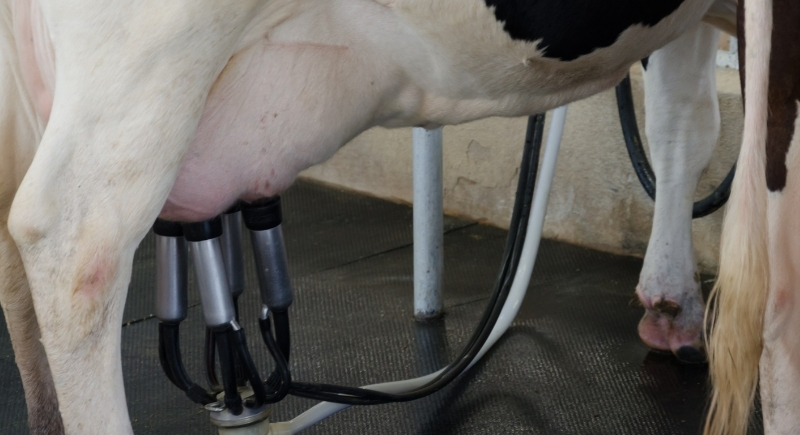
Image via Canva/khunkorn
Dairy farming rarely offers a steady income. Producers typically require approximately $20 per hundredweight of milk to break even. Over the past year, prices have hovered between $16 and $18 per hundredweight. That gap leaves farms searching for ways to cover feed, labor, equipment, and land costs.
Inflation also plays a role, as restaurant spending has slowed, because cheese, butter, and other dairy-heavy foods sell best when people eat out. At the same time, production stays high, supply outpaces demand, and prices slide. Farmers feel it fast. Milk checks change month to month, and planning gets harder. Many farms have already expanded herds to spread costs, but bigger herds do not always solve the cash flow problem. That pressure pushes families to look beyond milk sales alone.
Turning Curiosity Into Cash
Some farms found relief by opening their doors to the public. Visitors now pay to spend time with calves inside controlled spaces on working dairies. Sessions typically last 30 minutes and cost about $25 per person. Guests brush coats, feed hay, and sit close enough to feel the animal’s warmth.
A handful of sessions per day can bring in hundreds of dollars without changing milk production. For farms already caring for calves, the overhead stays low. The animals live in the same spaces and keep the same routines. The idea spread through farming networks after gaining traction during the pandemic, when people craved connection and outdoor activities.
Why People Keep Showing Up
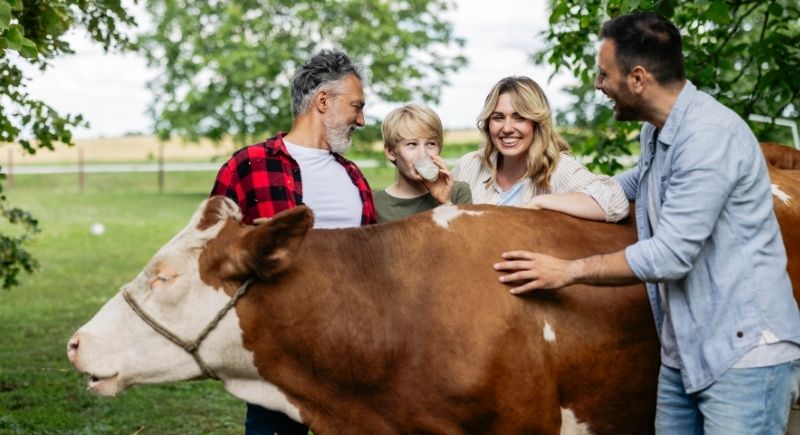
Image via Canva/Imágenes de jose carlos
Visitors do not view cow cuddling as charity, but rather book it as entertainment or self-care. Slow breathing, steady heartbeats, and physical closeness draw people who spend most days indoors and online. Parents bring kids, couples book weekend slots, and some guests even return more than once.
Farmers notice something else. Many visitors arrive knowing little about how milk gets produced, but conversations happen naturally during sessions. Guests ask questions, snap photos, and leave with a clearer sense of farm life. This connection builds loyalty, because people who cuddle calves often buy farm products later or recommend the experience to friends. The visit becomes part income stream, part marketing, without feeling like either.
A Business Model Built On Diversification
Cow cuddling rarely stands alone. It fits into a broader push toward diversification across dairy farming. Some farms produce artisanal cheese, while others sell ice cream, host events, or operate farm stores. Each option spreads risk.
What makes cuddling stand out is simplicity. No new processing licenses or complex supply chains. Just time, supervision, and animals already on site. For multi-generation farms, it offers younger family members a way to contribute ideas without leaving agriculture behind. Industry groups confirm the interest keeps rising when milk prices dip. Farmers call asking how to start, and some even experiment cautiously, while others book solid calendars within months.
The Future Looks Booked
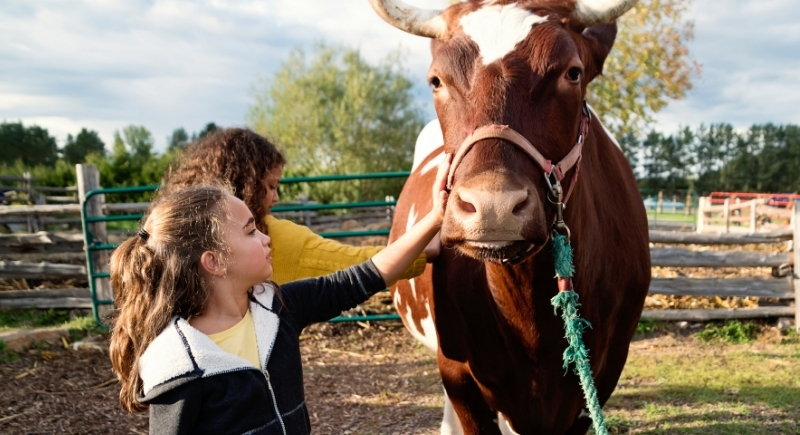
Image via Getty Images/martinedoucet
Cow cuddling will not replace milk sales. It does not need to. It fills gaps during lean months and steadies cash flow when prices swing. It also reflects a larger shift in how farms interact with the public. People want access, and farmers need flexibility. Somewhere between those two realities, calves lie down, visitors pay, and farms stay open another year.