The Fastest Wild Cat Species in the World Ranked
Speed shapes how wild cats survive, hunt, and avoid danger, but not all of them rely on the same kind of quickness. Some sprint across open ground, leap through trees, or use short bursts to navigate tight spaces. This ranking moves from the slower sprinters in the group to the species capable of reaching astonishing top speeds.
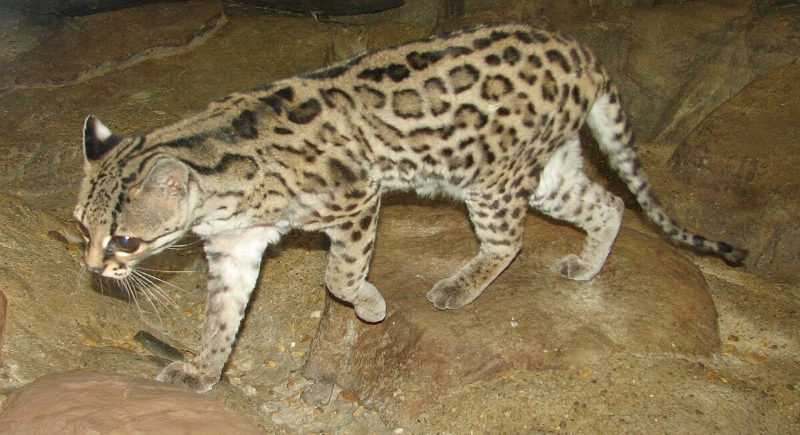
Margay (about 30 mph)
Credit: Wikimedia Commons
Tree scientists often study margays before they study their speed. Their feet rotate enough to grip bark the way squirrels do, and that unusual trait allows them to descend headfirst. Ground movement is limited to about 30 mph, but the agility seen above the forest floor makes them stand out.
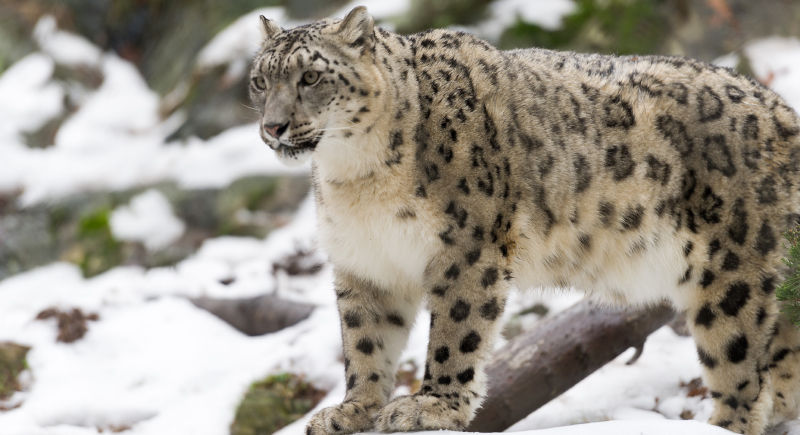
Snow Leopard (35 to 40 mph)
Credit: Wikimedia Commons
Snow leopards move with ease across steep cliffs, and their quick bursts reach around 35 to 40 mph. Field teams studying them in Central and South Asia have recorded leaps of close to 30 feet. Their pale fur blends so well with rock and snow that ibex often never see them coming.
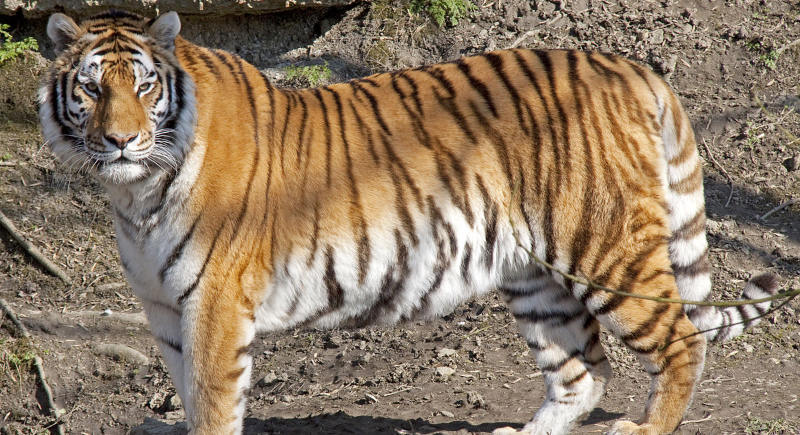
Tiger (35 to 40 mph)
Credit: Wikimedia Commons
Forest paths in India and Southeast Asia bear deep impressions where tigers have landed after clearing long distances. Their sprints reach roughly 40 mph, but their greatest advantage comes from the way they compress power into a leap. The final leap often determines the outcome of the hunt. Their signature pounce shows why a tiger does not need long chases to overwhelm prey.
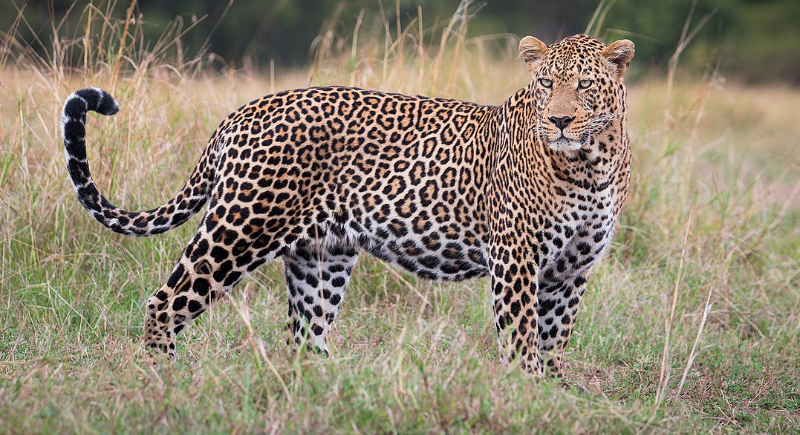
Leopard (near 36 mph)
Credit: Wikimedia Commons
A leopard’s top speed is only one part of its routine. Guides who follow them often talk about the quiet part of the hunt, when the cat crouches inside thickets waiting for the right angle. Once the break in cover appears, a short run near 36 mph closes the distance.
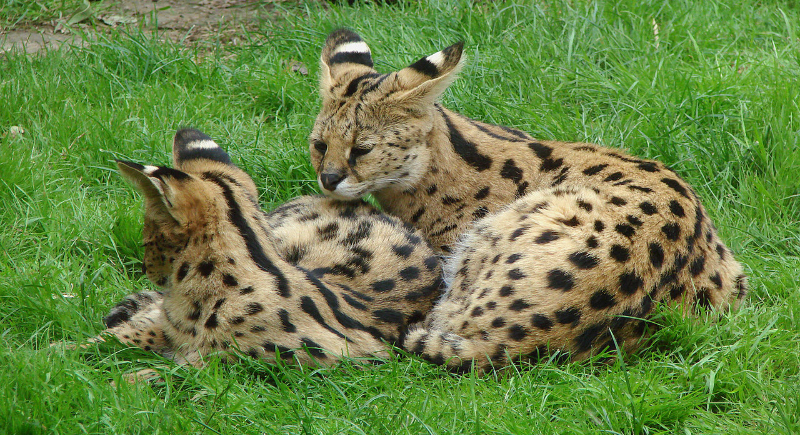
Serval (40 mph with peaks near 50 mph)
Credit: Wikimedia Commons
When a serval starts hunting, the grass ripples long before the cat emerges. Wildlife teams have recorded jumps of nearly ten feet. When a chase begins, speeds near 40 mph carry the serval forward, yet the accuracy of each pounce matters more than the sprint itself.
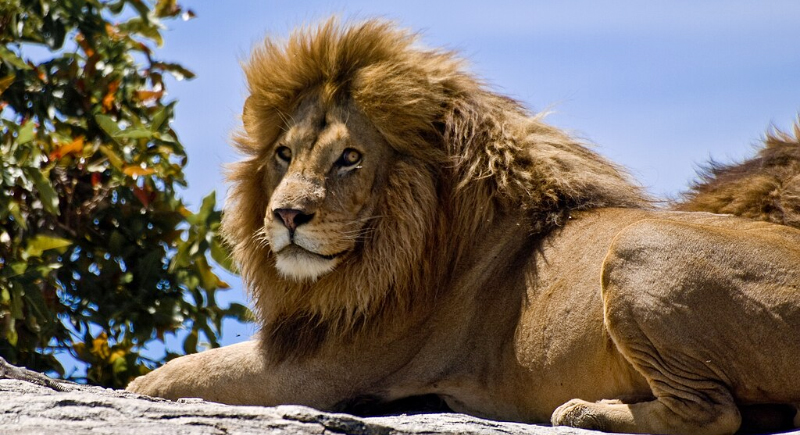
Lion (up to 50 mph)
Credit: Wikimedia Commons
Footage recorded during research on African grasslands often shows the same pattern. Other members of the pride adjust their approach from different angles as a lioness creeps through waist-high grass. The prey barely registers her presence, and then the final rush erupts. The rush can reach speeds of 50 mph, although it lasts only a brief moment.
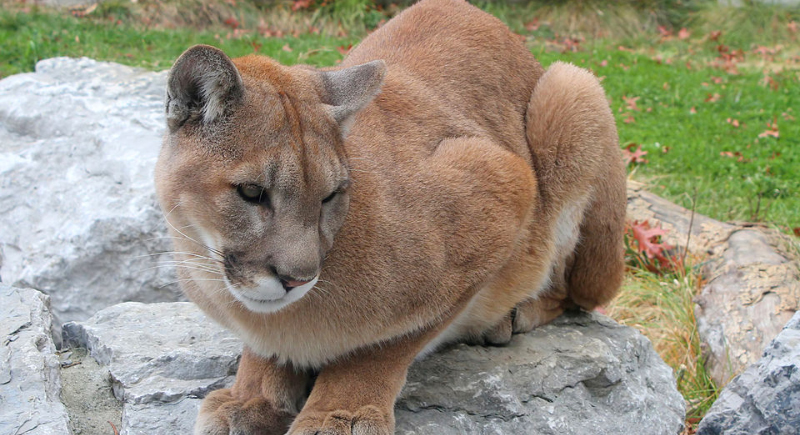
Cougar (around 50 mph)
Credit: Wikimedia Commons
Mountain trails in the Rockies often reveal pawprints spaced far apart, because cougars can reach about 50 mph. Their strongest trait is the ability to shift from a silent walk to a full sprint in a few strides. The shift helps them succeed in terrain that would slow many larger predators.
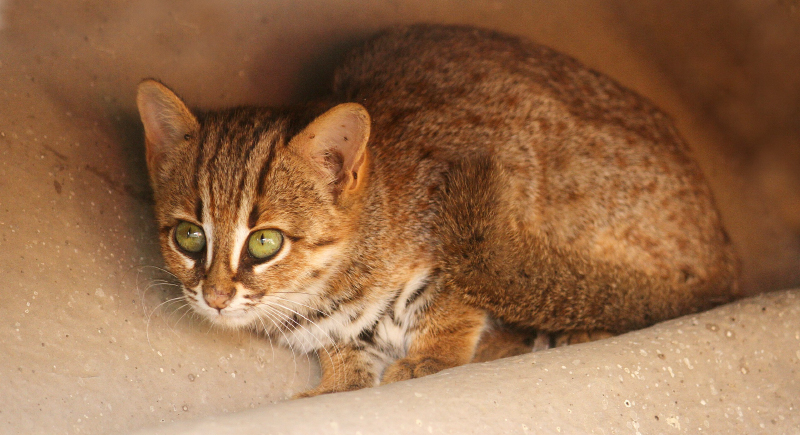
Rusty-Spotted Cat (reported above 50 mph)
Credit: Wikimedia Commons
Farmers in rural India frequently talk about a blur that passes between sheds at night. That blur is often the rusty-spotted cat. Reports indicate that its speed exceeds 50 mph, and its sudden pivots make it difficult to follow visually. The cat thrives in scrub and farmland where it uses tight turns more often than long runs.
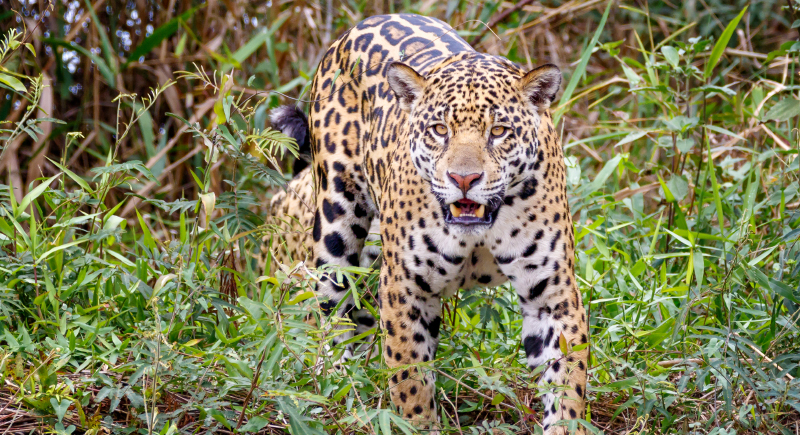
Jaguar (up to 50 mph, exceptional acceleration)
Credit: Wikimedia Commons
Near riverbanks in the Pantanal, jaguars often reveal their strength through water rather than land. Their sprint reaches about 50 mph, but the moment that sets them apart occurs when the chase ends in the shallows. A jaguar can grab a caiman or fish with the same confidence it uses on land animals.
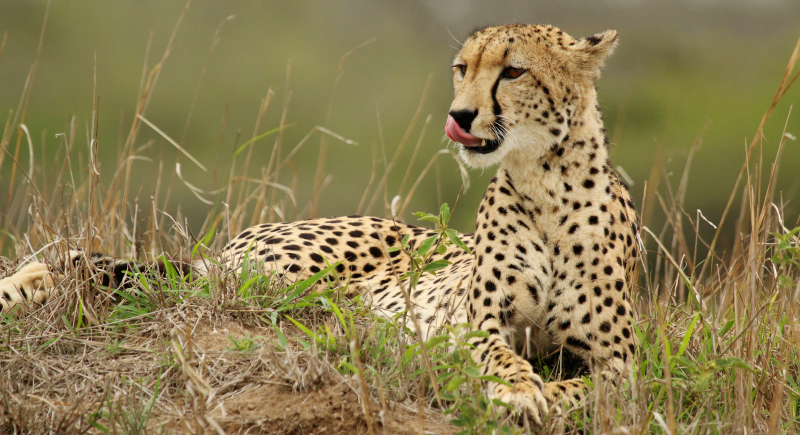
Cheetah (60 mph with peaks up to 75 to 80 mph)
Credit: Wikimedia Commons
Field researchers studying cheetahs treat every chase like a data event. High-speed cameras capture the cat reaching roughly 60 mph in seconds, with rare peaks between 75 and 80 mph. No other cat reaches this acceleration, which is why the cheetah continues to hold the title of the fastest land animal ever recorded.