Feeding Wild Birds in Winter: What to Put Out and What to Avoid
In 2022, around 96 million people in the United States fed, watched, or photographed birds, according to the Cornell Lab of Ornithology. That kind of interest shows how common it is to put out food, though the results aren’t always the same. Small choices like what you offer and how you set up the feeder often decide whether birds actually stick around.
In winter, those details matter more. Birds need steady, high-energy food to get through the cold, so they pay attention to reliable spots. When a feeder meets that need, it becomes part of their routine. If it doesn’t, they usually pass it by.
What Birds Actually Want In Winter
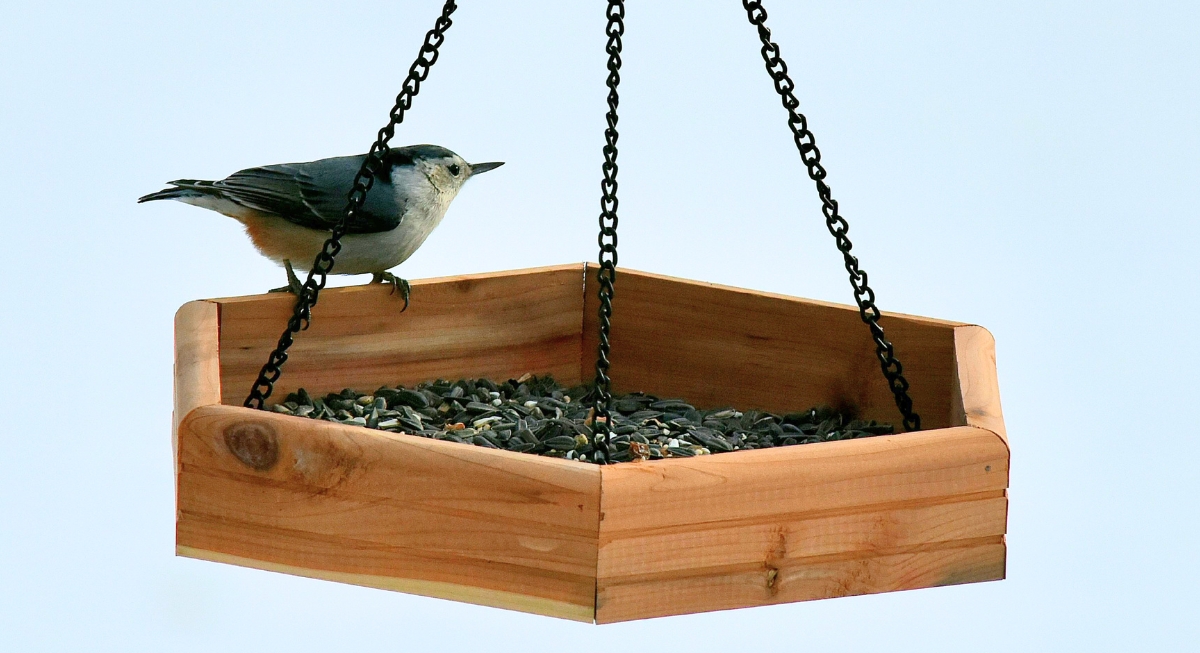
Image via Pexels/Jay Brand
Cold weather changes what birds look for. High-fat, high-energy foods take priority because they help birds maintain body heat through long nights.
Sunflower seeds are at the top of the list. Black oil sunflower seeds, in particular, attract a wide range of birds thanks to their high oil content. Sunflower hearts work even better since birds do not have to crack shells, which saves energy and keeps the feeding area cleaner.
Peanuts also pull in a crowd, including tits, woodpeckers, and nuthatches. They need to be unsalted and offered in mesh feeders so birds can break off small pieces safely. Fat balls and suet-based foods become staples during winter as well, delivering dense energy in small bites.
Nyjer seeds target finches and siskins, while dried mealworms appeal to robins and other insect-eaters. Mixing food types across different feeders increases your chances of attracting a wider variety of birds, since each species sticks to what fits its diet.
Cheap Mixes And Empty Calories
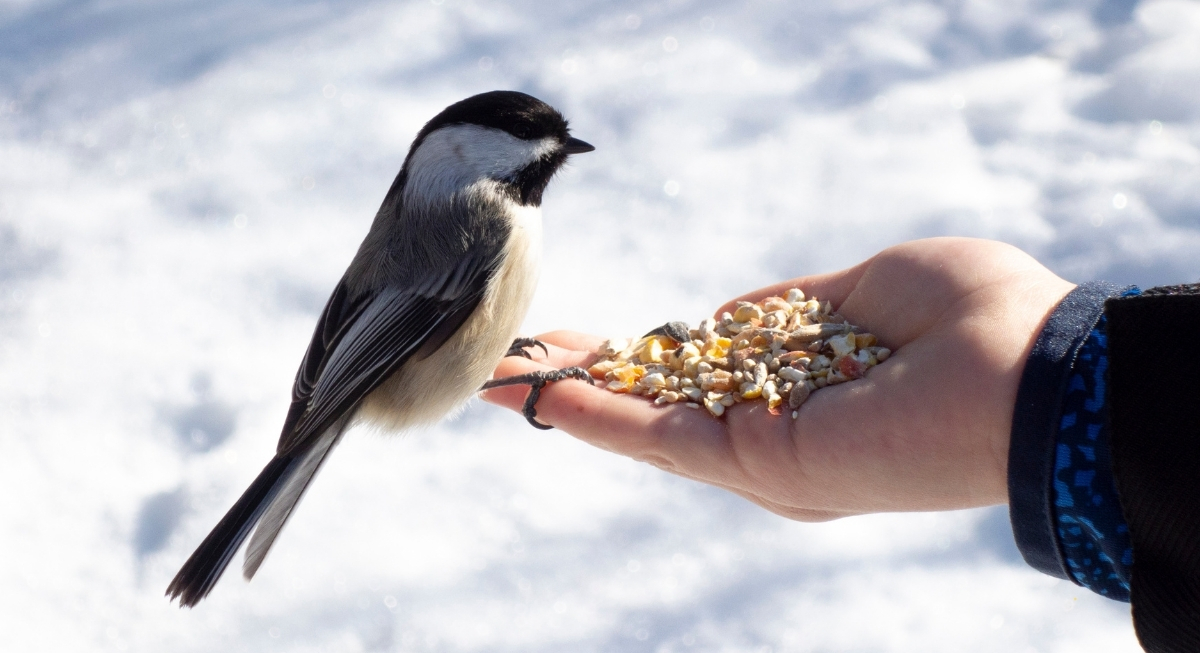
Image via Getty Images/Lissa Lachapelle
That bargain bag of birdseed often creates more waste than activity. Many low-cost mixes are padded with wheat, milo, or cracked corn. Smaller birds tend to toss these aside while searching for better options, leaving piles of uneaten scraps underneath.
Bread and other human food fall into the same trap. They may get eaten, but they offer little nutritional value and can disrupt digestion. Birds spend energy consuming food that does not help them survive winter, which defeats the purpose of feeding them in the first place.
Higher-quality seed blends cost more upfront but deliver better results. Birds spend less time sorting and more time feeding, which keeps them coming back.
Placement, Timing, And Routine
Food alone does not guarantee visitors. Placement plays a big role in whether birds feel safe enough to stick around.
Feeders should sit either very close to windows, about two to three feet away, or much farther out at 30 feet or more. That spacing helps reduce fatal collisions. Nearby shrubs or small trees give birds a quick escape from predators, while feeders placed too low can leave them exposed to cats.
Consistency is just as important. Birds remember reliable food sources, especially in winter. Let feeders run empty too often, and they move elsewhere.
The Mistakes That Quietly Drive Birds Away
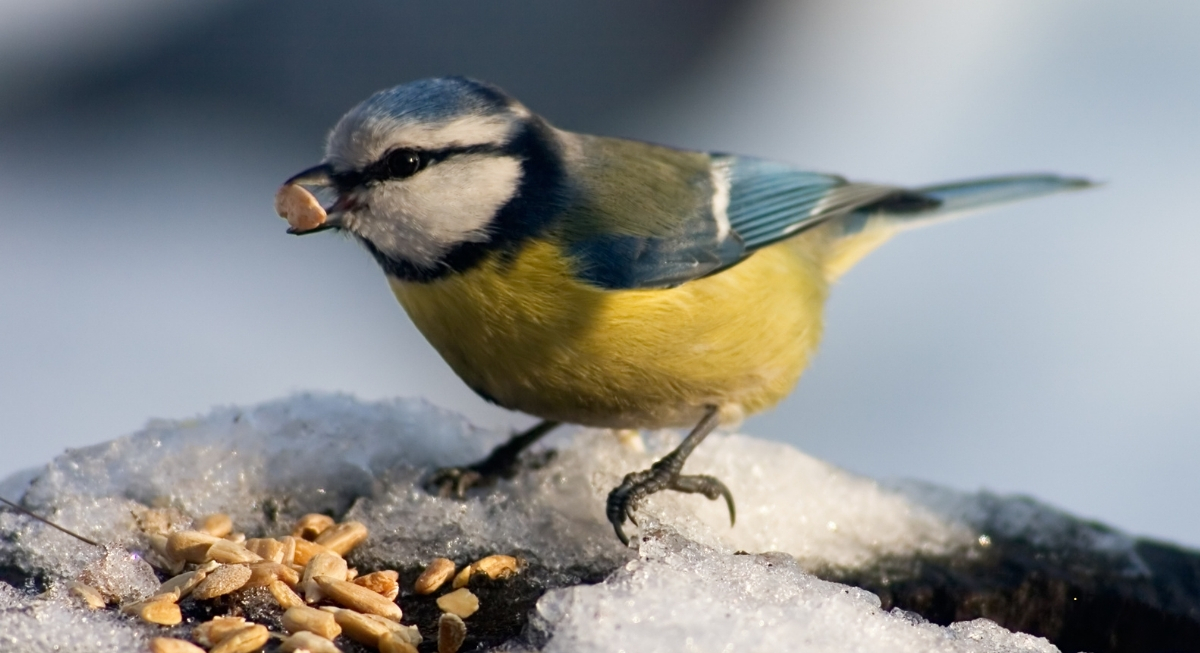
Image via Getty Images/Gorpenyuk
Some of the biggest problems have nothing to do with food choice. Dirty feeders can quickly spread bacteria, which is why regular cleaning is important. A weekly scrub paired with occasional disinfecting keeps feeding stations safe.
Water often gets overlooked, even though birds need it year-round. In winter, a simple bird bath with a heater can make a huge difference when natural sources freeze.
Backyard habits can also work against you. Free-roaming cats pose a serious threat, with estimates showing they kill billions of birds and small animals each year in the United States. Chemical pesticides create another issue by reducing insect populations, which many birds depend on for feeding their young.
Building A Feeding Spot That Works
The best setups go beyond a single feeder. A mix of hanging feeders, ground-feeding areas, and nearby cover provides options for different species. Some birds prefer elevated feeders, while others forage along the ground or within shrubs.
Portion control helps keep things clean. Only put out what birds can finish in a day to prevent mold and reduce disease risk. Moving feeders occasionally also helps avoid buildup and keeps predators from learning feeding patterns.
Small adjustments add up, and once the right balance clicks, the change is obvious. Activity increases, variety improves, and the feeding station starts to feel like a system that works.