Meet the Feral Cats Quietly Patrolling Disneyland
It’s common to see princesses, pirates, and families chasing down churros at Disneyland. What you probably won’t see are the dozens of feral cats that call the park home. These furry employees have kept Disneyland rodent-free for decades. They’re essential to keeping the ‘Happiest Place on Earth’ running smoothly.
They’ve Been Here Since the Beginning
Credit: Instagram
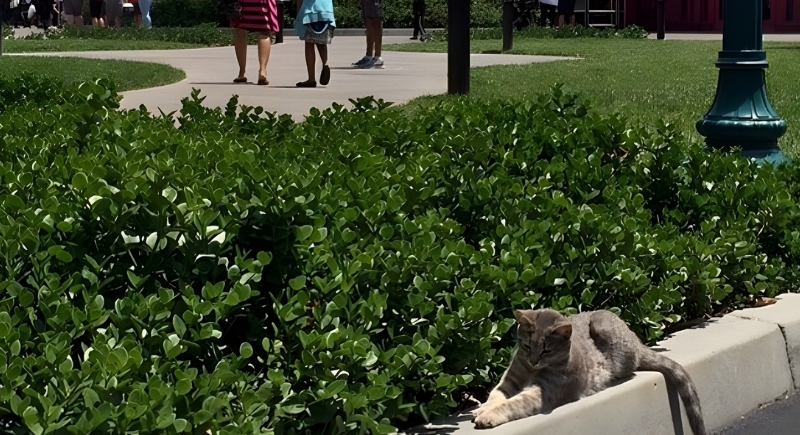
Early staff noticed fewer rodent problems in areas where cats settled. The uninvited residents had moved in without permission, but their presence presented an opportunity to the theme park. A few cats found homes with cast members, while the rest stayed on to hunt rodents. Those original felines established a multigenerational workforce that still patrols the parks today.
The Population Stays Around 200
Credit: Instagram
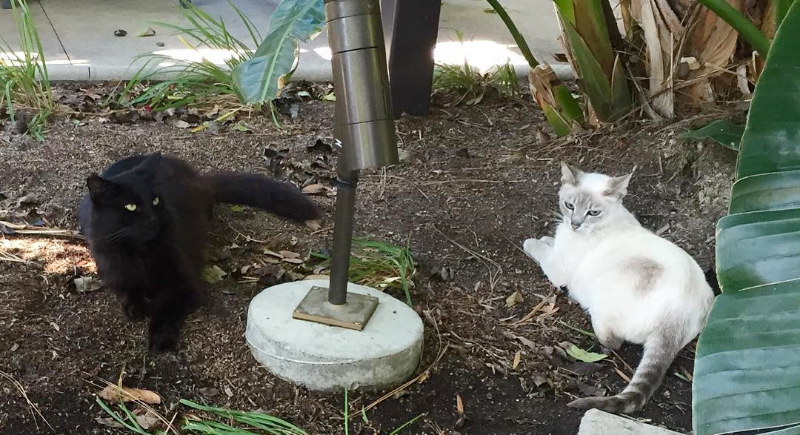
Between 100 and 200 cats currently live across the Disneyland Resort. Veterinary cast members prevent the colony from exploding through trap-neuter-return programs. New arrivals get spayed or neutered, while kittens born on the property get adopted by cast members. The population has remained stable for decades thanks to careful oversight. The goal is to ensure there are enough cats to handle pest control without overwhelming the property.
A Few Cats Become Familiar Faces
Credit: Instagram
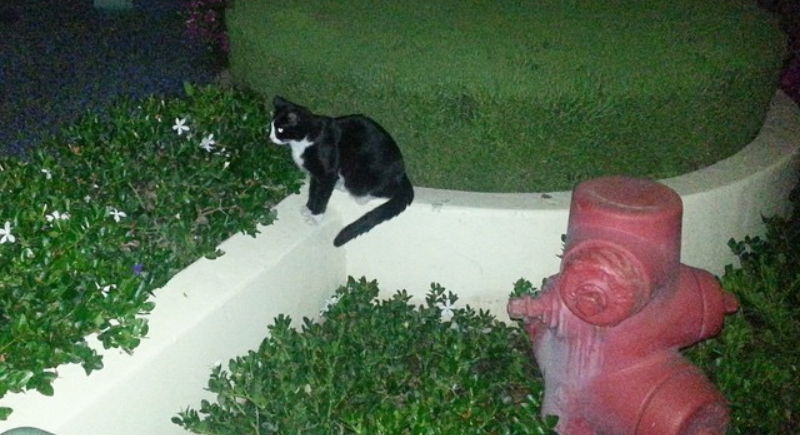
Some cats gain recognition due to predictable hangouts. Snickers, a tortoiseshell near Grizzly River Rapids, is often mentioned by observant visitors. Others stay around the hotel landscaping or walkways. Despite anyone’s best efforts, sightings remain accidental. Visitors discover these cats through fan websites and word of mouth.
They Work the Night Shift
Credit: Getty Images
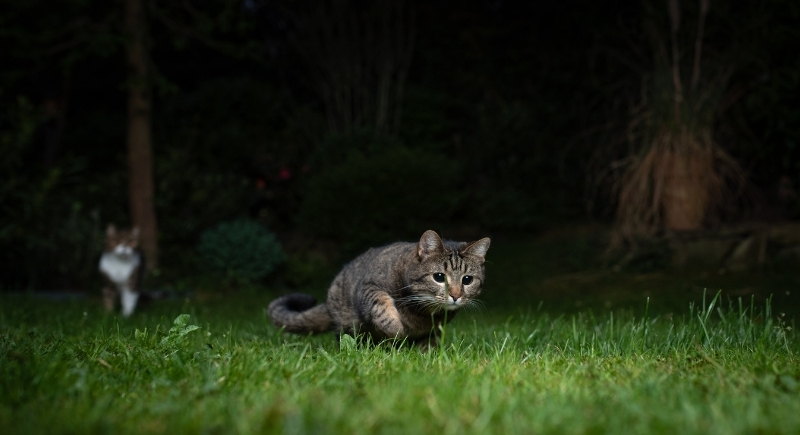
Nocturnal instincts make these cats perfect for Disneyland’s needs. They vanish during operating hours, hiding in backstage areas and utility zones. The moment the park closes and families leave, the cats come out. They spend the night hunting rodents across the property before disappearing again at dawn. Millions of visitors pass through annually without ever knowing about the colony.
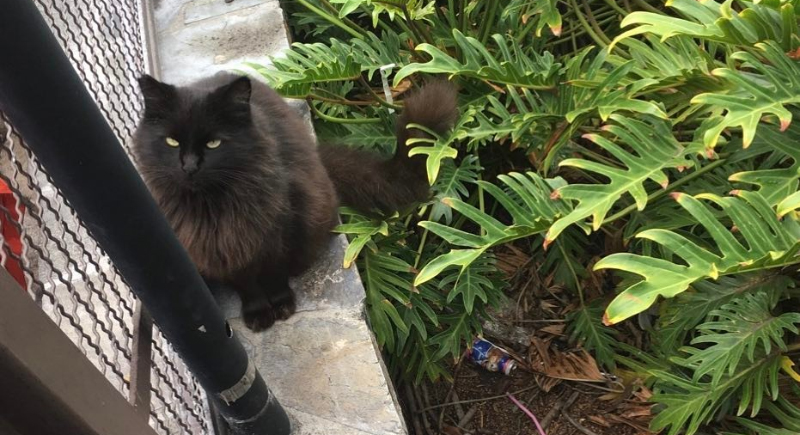
Cast Members Run Secret Feeding Stations
Credit: Instagram
Throughout the property, feeding stations keep the cats nourished and healthy. Cast members stock them and monitor consumption levels to adjust portions. The veterinary team that cares for Disneyland’s horses also treats the cats for injuries and illnesses. These cats get medical attention, vaccinations, and meals. In return, they handle pest control effectively. Call it a win-win situation, and you won’t be wrong.
Some Cats Get Adopted When They Age Out
Credit: pexels
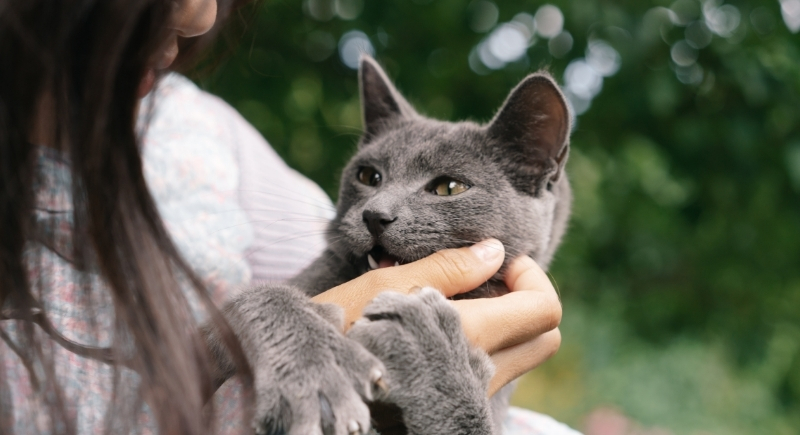
Francisco went home with a cast member in 2022 after her health declined. The beloved park regular received retirement and proper care in her final years. Nutmeg, a fixture at Magic Key Terrace, lived at least a decade before passing away. Older cats sometimes leave the colony when they can no longer handle the workload. Others get adopted if they become too comfortable around guests, which creates safety concerns.
They Even Have Drinks Named After Them
Credit: Instagram
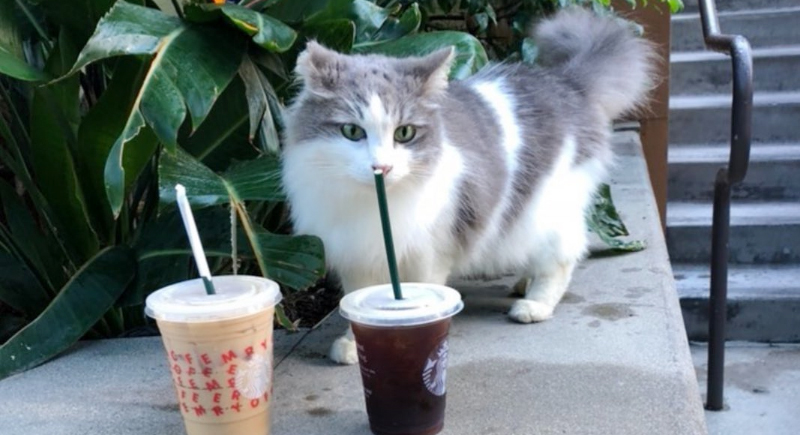
“Magic Key Terrace” created a cocktail in honor of a cat named Nutmeg. Ask the bartenders for it by name, and they’ll mix rum, Frangelico, and half-and-half into a creamy drink. Cast members and regular guests know their names and celebrate their quirks. Disney does not promote these cats, but that hasn’t stopped cat lovers from seeing them as unofficial mascots.
Empty Parks Changed Their Behavior
Credit: pexels
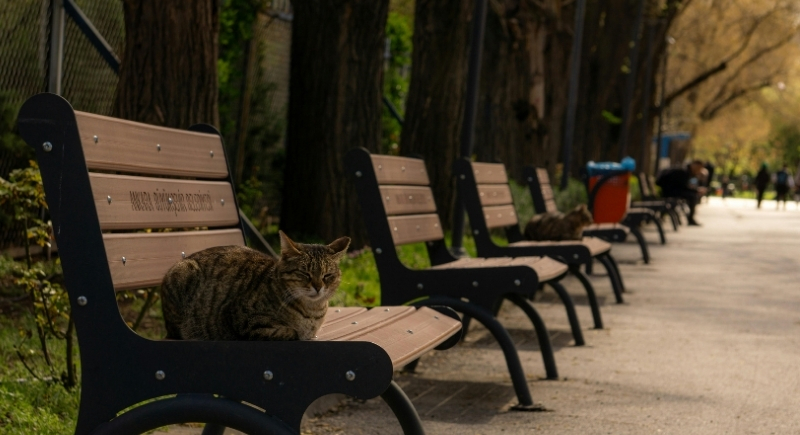
Pandemic closures briefly altered routines. With no crowds or noise, cats explored wider areas and stayed longer in open spaces. Paths usually avoided became accessible. Once operations resumed, those behaviors faded. The shift highlighted how closely their movements track human presence.
They Are Part Of A Global Approach
Credit: Canva
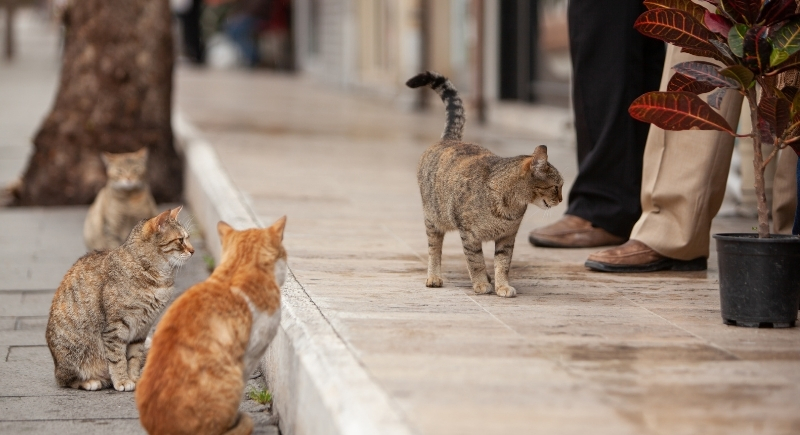
Disneyland is not unique in managing feral cats instead of removing them. Cities like Rome and Istanbul maintain controlled colonies using similar principles. Sterilization, feeding oversight, and veterinary care are major parts of these programs.
Don’t Try to Feed Them
Credit: Instagram
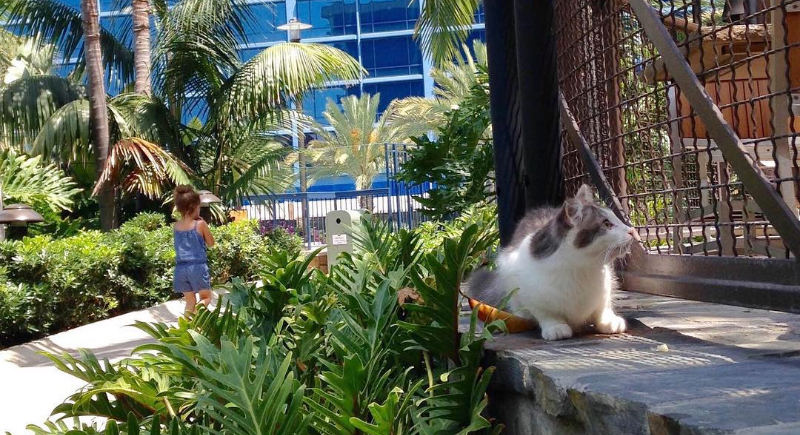
Members of staff carefully monitor what the cats eat, meaning outside food can cause serious health problems. Feeding them also encourages approaches toward guests, which creates safety issues for both parties. These are feral animals, not socialized pets to cuddle. Watching from a respectful distance is perfectly fine. Getting closer or offering food interferes with their work and potentially harms them.