Filou the Cat Walks 250km to Return Home After Being Missing for Five Months
In August 2025, Filou slipped out of a camper van parked near Girona during a road trip. His owners, Patrick and Evelyne Sire, realized hours later that he was gone. They retraced the route, contacted shelters, alerted authorities, and scanned social media posts showing similar-looking cats. Reports came in, but none led anywhere solid.
After some time, the search for the cat slowly lost momentum as distance and time worked against them. Five months passed with no confirmed leads, and the case slipped into the category most missing pet stories enter.
The Search Goes Cold
By late fall, reality had set in. Filou was missing in another country, far from familiar territory, and each passing week reduced the chances of a reunion. Sightings went unverified, return trips produced little progress, and the trail thinned. Like many long-term missing pet cases, the story seemed likely to fade, though the couple kept the microchip registration active in case it was ever needed.
That decision proved crucial. In early January 2026, a woman named Hélène noticed an emaciated cat wandering into her garden in Homps, a small village near Olonzac. The animal looked weak and underfed. Instead of dismissing him as another stray, she brought him to a veterinarian. A routine scan revealed a registered microchip implanted years earlier.
Proof That Turned a Guess Into a Reunion
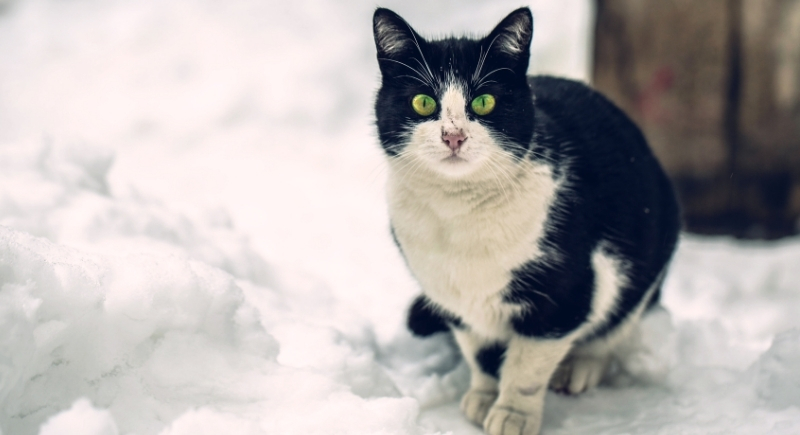
Image via Getty Images/kadirdemir
The chip linked the cat back to Patrick and Evelyne within minutes. Five months after vanishing, Filou had reappeared less than a kilometer away from his home base. Veterinary exams showed dehydration, paw injuries, and weight loss, all signs of extended survival outdoors, but with treatment, his condition stabilized quickly. The phone call that followed stunned his owners, who rushed to meet the neighbor who unknowingly solved a mystery stretching across borders.
The 250 Kilometer Question
The confirmed distance between the disappearance point in Spain and Filou’s recovery site in France measured about 250 kilometers, but his exact route remains unknown. Specialists often explain that cats rely on strong spatial memory, scent cues, visual landmarks, and environmental patterns. Roads, waterways, and rural corridors may help guide movement over long stretches.
Filou’s physical condition suggested a solo journey with limited access to regular food and shelter. News about Filou’s return spread quickly, and unlike exaggerated animal tales, this one came with documentation, veterinary confirmation, and consistent reporting across outlets, all thanks to the microchip, of course.
A Reminder for Pet Owners
Image via Canva/dimaberlinphotos
Filou now rests safely at home, eating regularly and recovering strength. His journey shows a practical truth often overlooked until it matters most: identification technology bridges the gap between hope and closure. In this case, it turned a wandering cat into a documented traveler and transformed a stranger’s kindness into a reunion story few expected to read in 2026.