10 Reasons First-Time Axolotl Owners Lose Their Pet in the First 90 Days
Axolotls look easy to care for at first. They stay still most of the day, rarely make noise, and often seem fine even when something is wrong. That catches many first-time owners off guard. Problems like poor water quality, overheating, or unsafe tank setups can build quietly until the axolotl suddenly stops eating or becomes sick. The first few months matter most because many beginner mistakes happen during that period, and axolotls are far less forgiving than they appear.
Starting With An Uncycled Tank
Credit: Getty Images
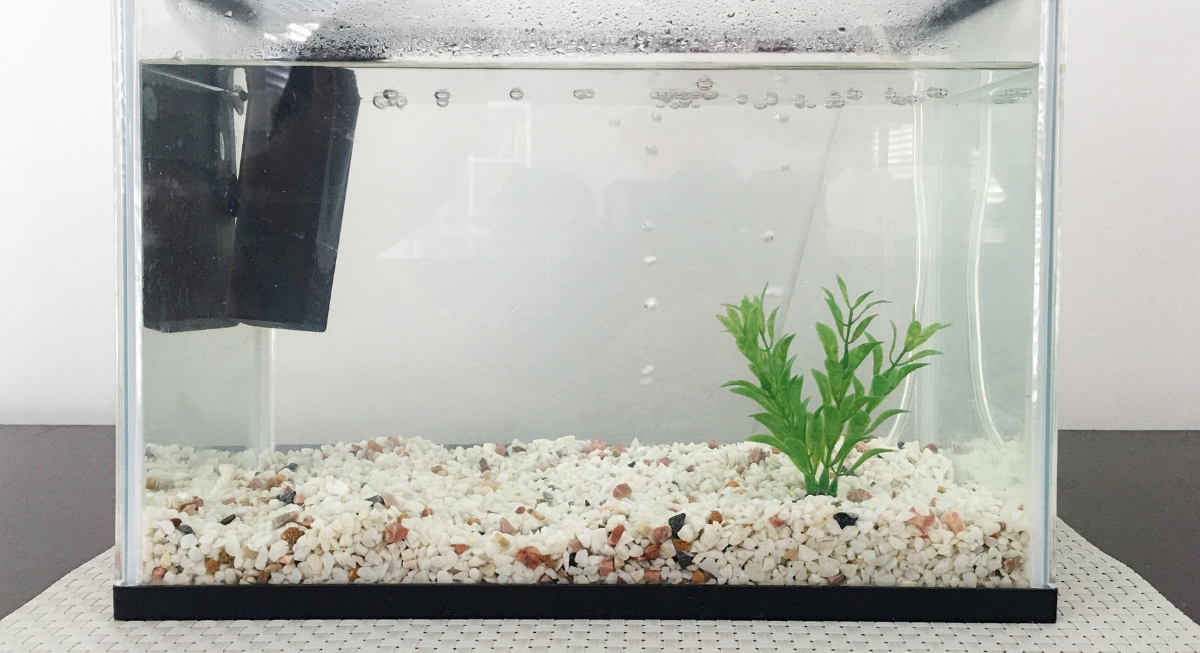
A new tank with clean water and a running filter can look safe, but the environment still needs time to grow the beneficial bacteria that break down waste. Skipping this process can lead to dangerous ammonia and nitrite spikes that irritate an axolotl’s gills and cause stress. Many first-time owners do not realize anything is wrong until the axolotl stops eating or starts showing signs of distress.
Picking Gravel Because It Looks Cute
Credit: Getty Images
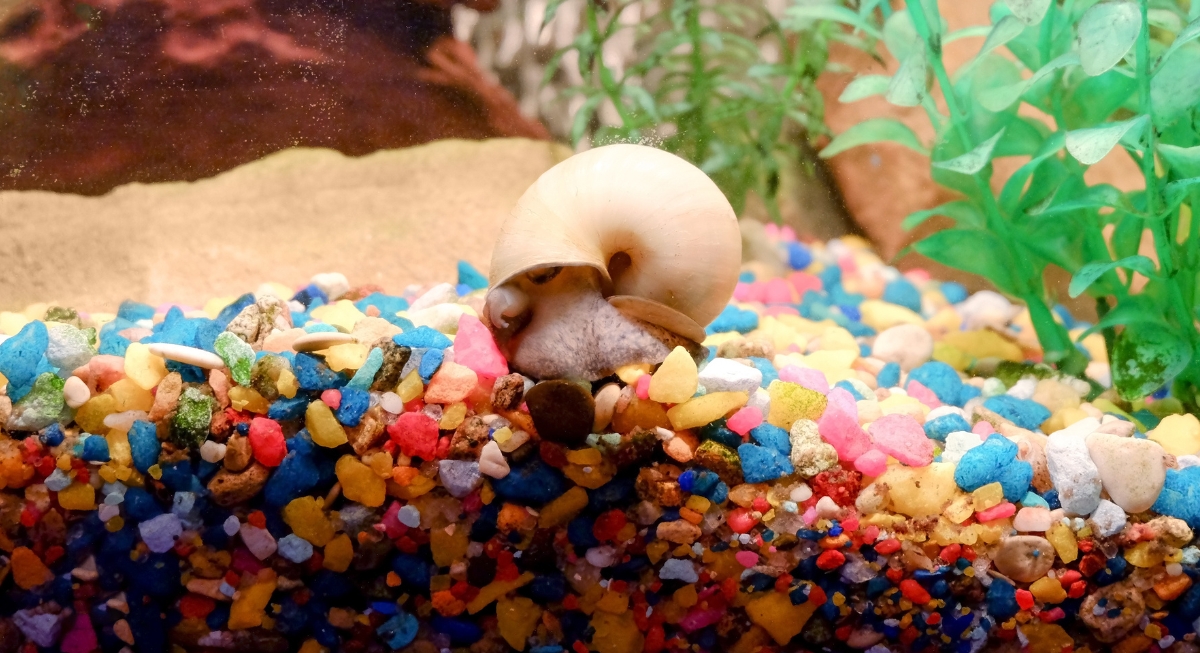
Small gravel creates a serious risk in an axolotl tank because axolotls eat by sucking food into their mouths and can easily swallow loose stones by accident. That can lead to dangerous internal blockages that are difficult to treat. Bare-bottom tanks are usually safest for young axolotls, while many experienced owners wait until the animal grows past 5 inches before adding fine sand.
Missing The Temperature Warning
Credit: Getty Images
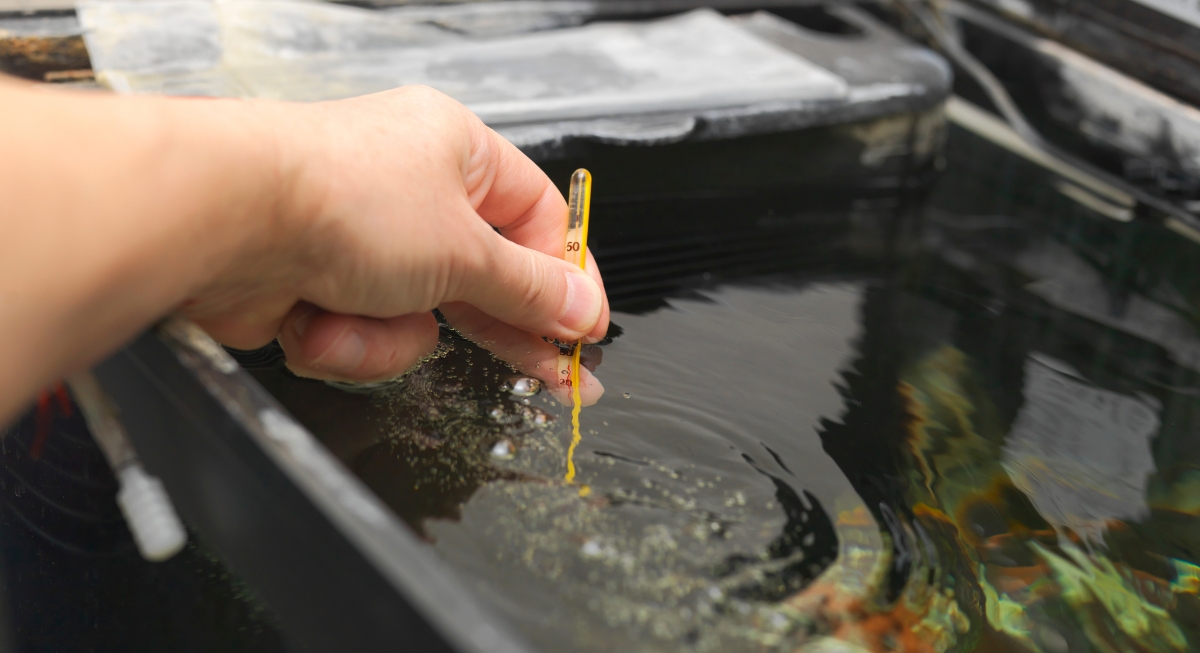
Indoor air might feel fine, but the aquarium thermometer could reveal a problem. Axolotls do best around 60°F to 65°F, and many keepers try not to let the tank rise past 68°F. Temperatures around 70°F and above warrant immediate attention, while mid-70s°F temperatures can become dangerous. Sunlit windows and heaters often cause these spikes. Protect your pet by using fans, frozen water bottles, or a dedicated chiller to maintain a safe environment.
Treating The Tank Like A Community Aquarium
Credit: pexels
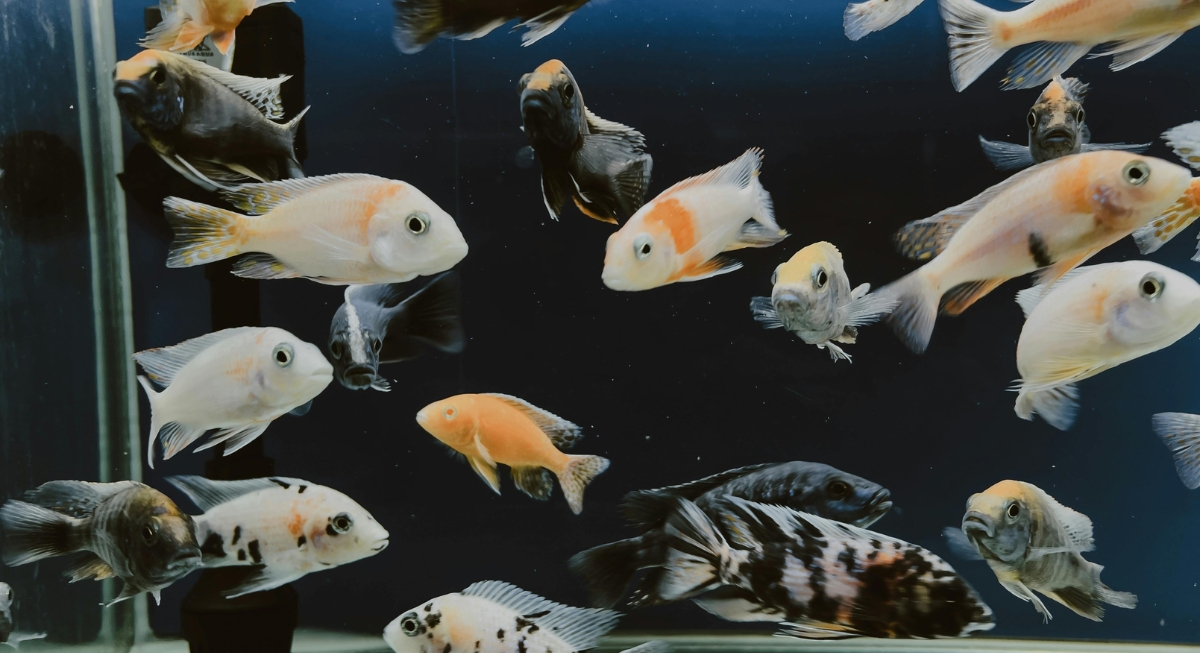
The empty space in a tank tempts many new owners. While adding a few fish seems harmless, it usually leads to trouble. Fish frequently nip at sensitive gills, and the axolotl might view its roommates as snacks. Neither outcome is good. Small snails or shrimp carry similar risks. A simple setup works best when the axolotl lives alone with plenty of hiding spots and still water.
Feeding The Wrong Kind Of Dinner
Credit: Youtube
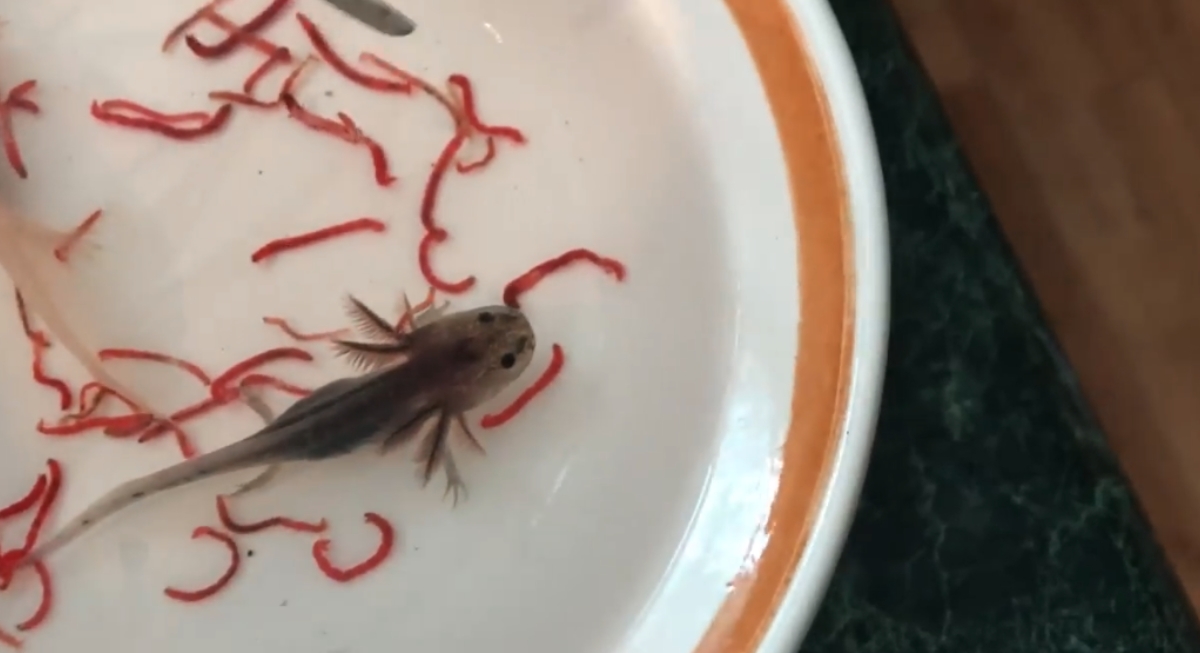
Earthworms are an excellent main food since they provide great nutrition and are easy to size. Sinking pellets specifically made for these amphibians also perform well. Avoid feeder fish or oversized bites, as these often cause health issues. Incorrect feeding habits dirty the tank water, hurt digestion, and prevent your pet from getting the nutrients it needs.
Overcleaning The Tank
Credit: Getty Images
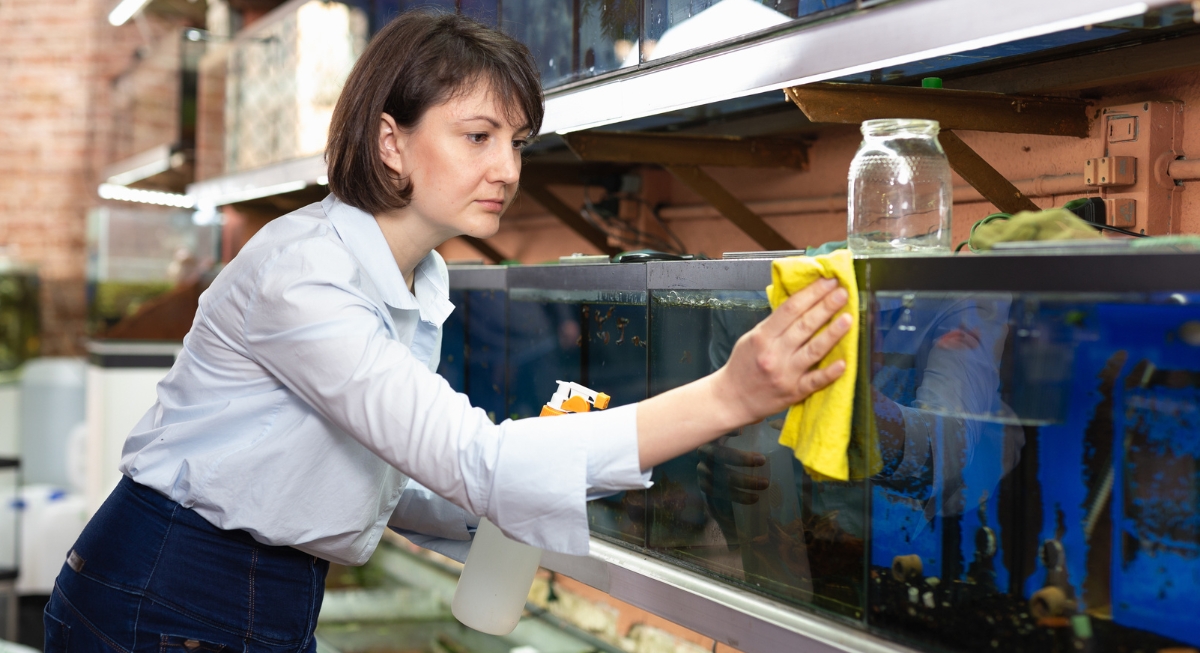
Dirty tanks are problematic, but aggressive cleaning makes things worse. Beneficial bacteria live on tank surfaces and inside the filter, so replacing everything at once can ruin the ecosystem. Many beginners make the mistake of throwing away old filter media or using untreated tap water for rinsing. Partial water changes are much more effective.
Buying A Tank With Too Little Floor Space
Credit: Getty Images
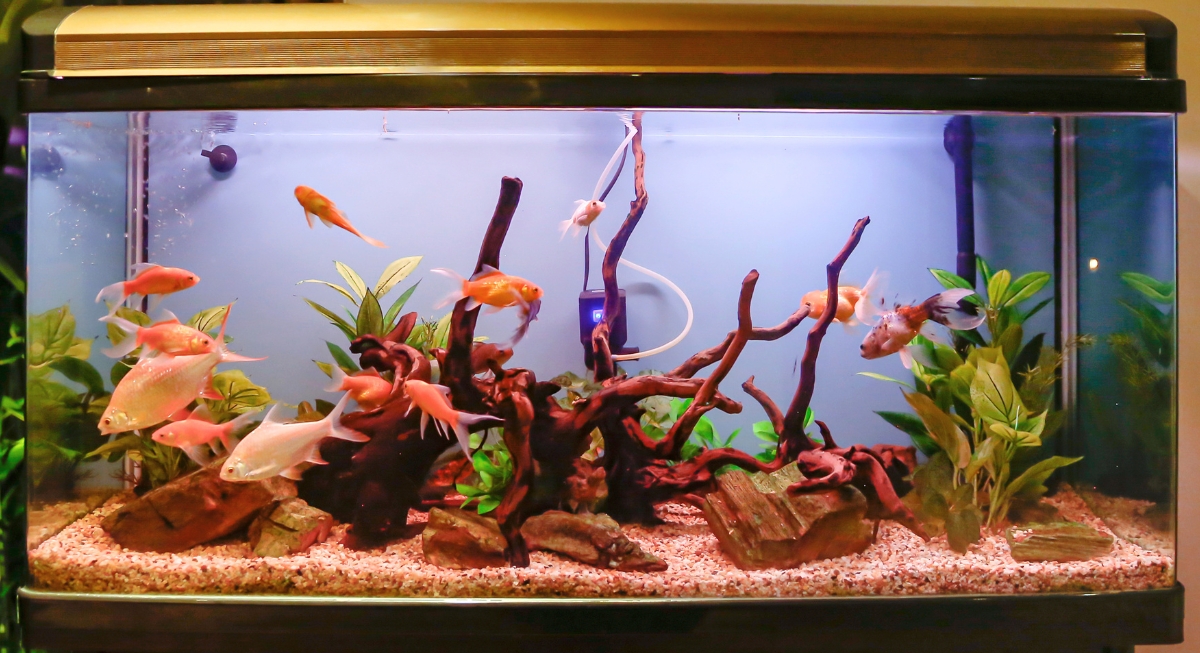
Axolotls need more space than many first-time owners expect, as they grow quickly and produce a surprising amount of waste. Small tanks become harder to keep stable, especially for beginners still learning how to manage water quality. A 20-gallon-long tank is usually considered the minimum for one adult axolotl, and floor space matters far more than height, since these animals spend nearly all their time at the bottom.
Choosing A Filter With Too Much Flow
Credit: Canva
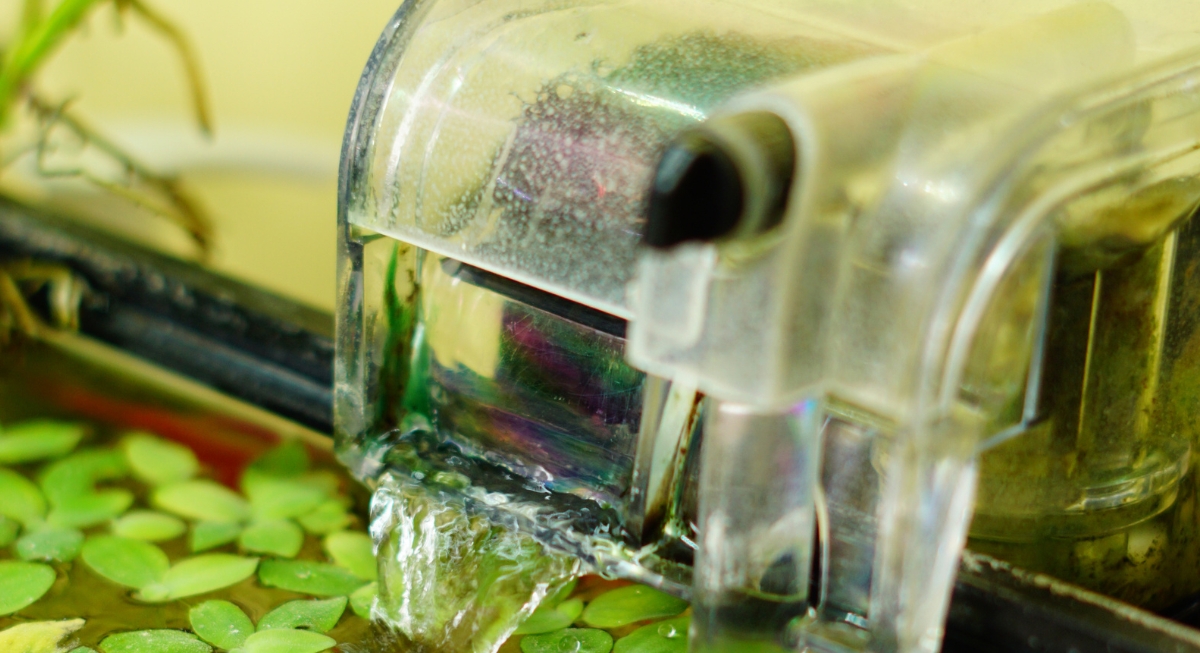
Strong filtration may sound helpful, but axolotls do not do well in strong currents and can become stressed when the water movement is too intense. High flow can lead to curled gills, restlessness, and trouble resting comfortably. Clean water still matters, but the flow needs to stay gentle. Sponge filters, baffled outlets, and adjusted filter settings usually work much better for axolotls.
Skipping Water Conditioner
Credit: Reddit
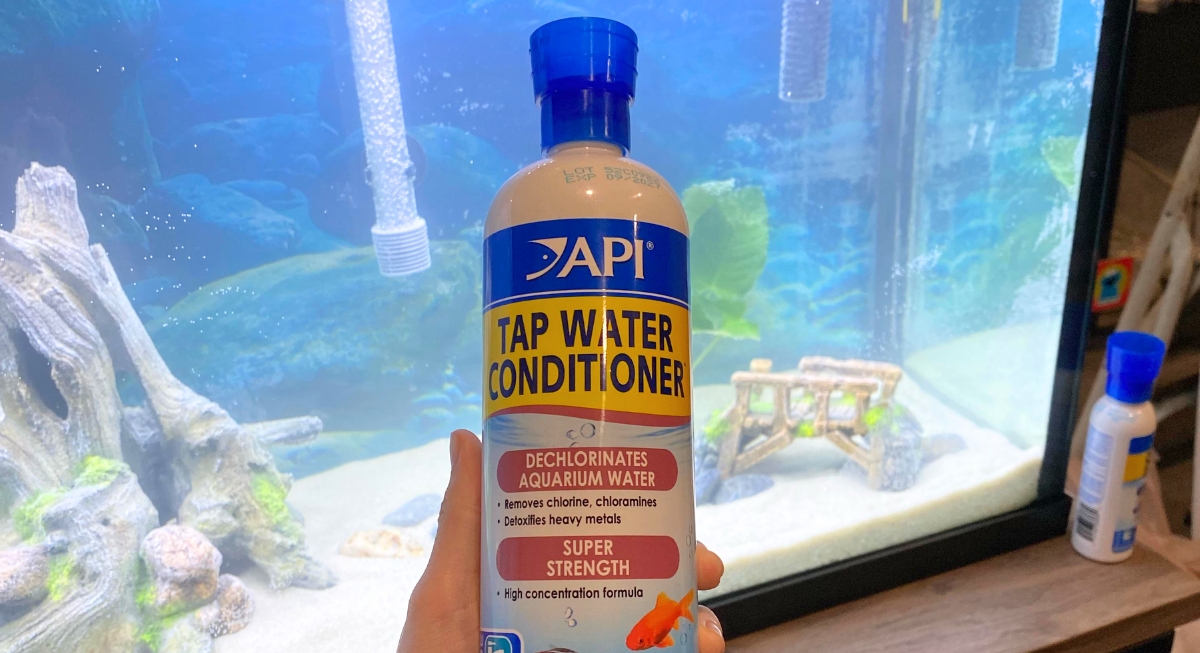
Tap water needs to be treated before it goes into an axolotl tank because chlorine and chloramine can harm sensitive gills and skin. Water changes should also be done carefully since sudden temperature shifts can stress the animal. Many new owners also make the mistake of using plain distilled water, but it lacks the minerals axolotls need, so extra additives are needed to balance it properly.
Handling Them Like Regular Pets
Credit: pexels
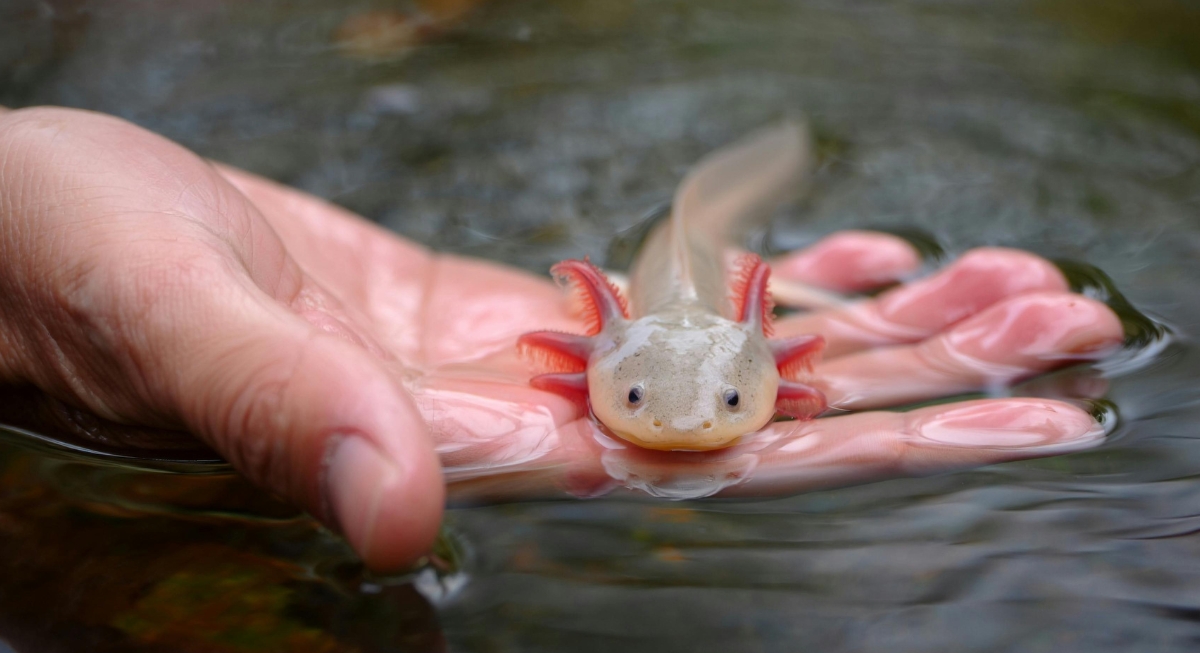
Axolotls have delicate skin and a protective slime coat that can be easily damaged by frequent handling. Avoid chasing them with a net. When a move is necessary, a plastic container or a very soft, fine mesh net is safer than grabbing them by hand. A quiet tank with plenty of hiding spots and stable water helps them stay calm. This gentle approach ensures they settle in well during those first few weeks.