10 Things First-Time Rescue Cat Adopters Wish Someone Had Told Them
Adopting a rescue cat often comes with expectations about how quickly they will settle in and bond. In reality, the process is slower, less predictable, and shaped by the cat’s past experiences, environment, and personality. The learning curve is often underestimated, but understanding these factors early can prevent confusion and make the transition smoother for both you and your cat.
Your Cat Is Not Excited — They Are Overwhelmed

Credit: pixabay
When you bring a cat home, you’re introducing them to unfamiliar territory filled with new smells, sounds, and people. Instead of exploring confidently, many cats respond by hiding, avoiding interaction, or staying completely still. This is a normal stress response. Your cat is still trying to feel safe, and allowing it time to observe and adjust without pressure helps reduce anxiety.
The Adjustment Period Is Longer Than You Expect
Credit: Canva
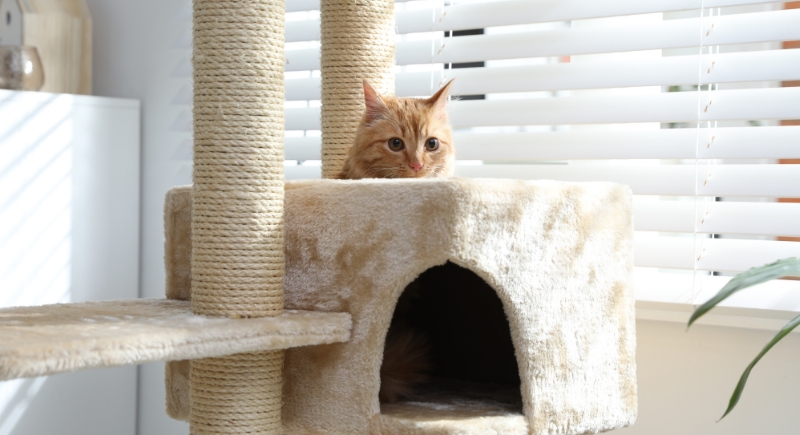
Cats do not settle in within a few days. Adjustment happens gradually and can take weeks or months. During the early days, the cat may seem unusually quiet or distant. But early behavior may not reflect your cat’s long-term personality. As they become more comfortable, their behavior often changes, which is part of the normal transition process.
Your Cat Cares About Territory Before They Care About You

Credit: pexels
Cats are highly territorial animals, which means their first priority is understanding their environment. They need to identify safe spaces, escape routes, and resting areas before they can focus on building a relationship. This is why a smaller, controlled introduction to your home often works better than giving full access immediately. Once your cat feels secure in their space, connection follows more naturally.
Trying Too Hard Can Slow the Bonding Process
Credit: Canva
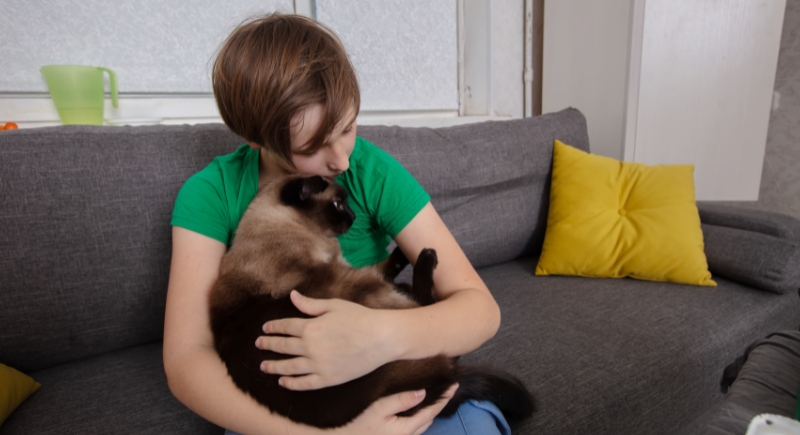
It is natural to want your cat to feel comfortable quickly. Many owners pick them up frequently, introduce them to multiple people, and encourage interaction. This can have the opposite effect on the cat. Cats build trust when they can control how and when they interact. Being calm and present and allowing them to approach you on their own terms is more effective than direct attempts to engage.
Your Cat May Never Be the “Affectionate” Pet You Imagined

Credit: pexels
Cats express affection in different ways, and some prefer distance over constant physical attention. They may choose to stay nearby, follow you from room to room, or simply share your space rather than sit on your lap. This does not mean something is wrong or that the bond is weak. It reflects their personality, and understanding how your cat connects with you helps build a stronger relationship.
Behaviors That Seem Like Problems Are Often Normal

Credit: Canva
Scratching furniture, occasional biting, hiding, or nighttime activity can feel like signs that something is wrong. In most cases, these behaviors are natural. Scratching maintains claw health and marks territory. Biting can occur when a cat feels overstimulated, and hiding is a way to manage stress. Increased activity at night reflects their natural rhythm. Instead of trying to eliminate these behaviors, the goal is to redirect them in ways that work within your home.
Your Home Will Change — Physically and Practically
Credit: Canva
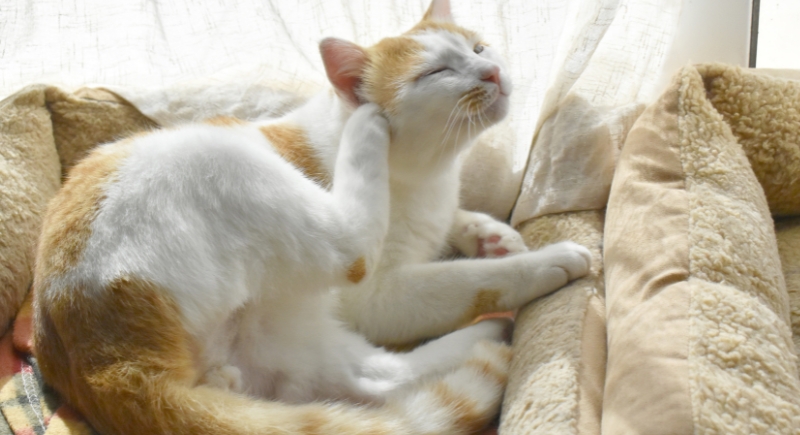
Living with a cat introduces new realities that are easy to underestimate. The scratching, for example, may be natural behavior, but it can damage surfaces if alternatives are not provided. Shedding also affects your clothing and furniture, and your cleaning routines have to become more consistent, especially around the litter box. These changes are not temporary adjustments. They are part of daily life with a cat.
Your Setup Shapes Your Cat’s Behavior More Than You Think
Credit: pixelshot
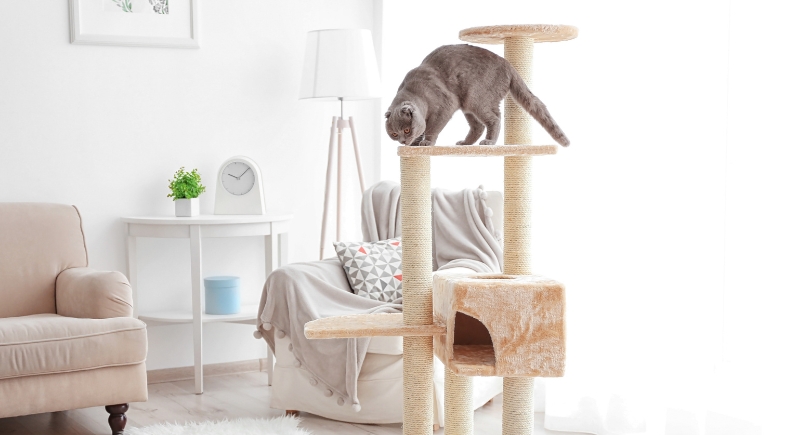
Many behavior issues are not personality-driven. They are environment-driven. Cats need vertical space, observation points, and retreat areas. A well-designed environment prevents problems before they begin. Access to windows, elevated surfaces, and engaging surroundings reduces boredom and stress. Without these outlets, cats often create their own stimulation, which can include unwanted behaviors such as knocking items over or seeking constant attention.
Your Routine Matters More Than Your Attention

Credit: pexels
Consistency is one of the most effective ways to help a cat feel secure. Feeding at regular times, maintaining predictable daily patterns, and keeping the environment stable allow your cat to anticipate what comes next. While affection is important, predictability builds confidence. A cat that understands their routine is far more likely to relax and engage.
This Is a Long-Term Commitment That Evolves Over Time
Credit: Getty Images
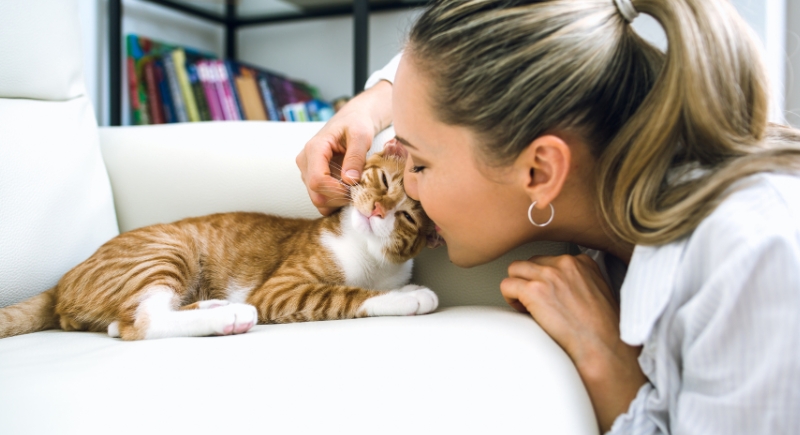
Adopting a rescue cat is not a short-term experience. Many cats live 15 to 20 years, and their needs change as they age. Veterinary care, potential health conditions, dietary adjustments, and lifestyle considerations all become part of that commitment. Travel plans and housing choices may need to adapt as well. The relationship deepens over time, but so does the responsibility.