Fish Species Scientists Have Trained to Recognize Shapes and Faces
Fish cognition research has come a long way from the old idea that fish forget everything after a few seconds. Scientists have trained different species to identify faces, distinguish between shapes, recognize familiar individuals, and even respond to images displayed on screens.
These experiments offer a fascinating look at how fish process visual information. Some learn to tell geometric patterns apart, while others rely on facial markings to recognize members of their own species. In one well-known study, archerfish were even able to distinguish between photographs of human faces, showing that fish can handle visual tasks far more complex than many people assume.
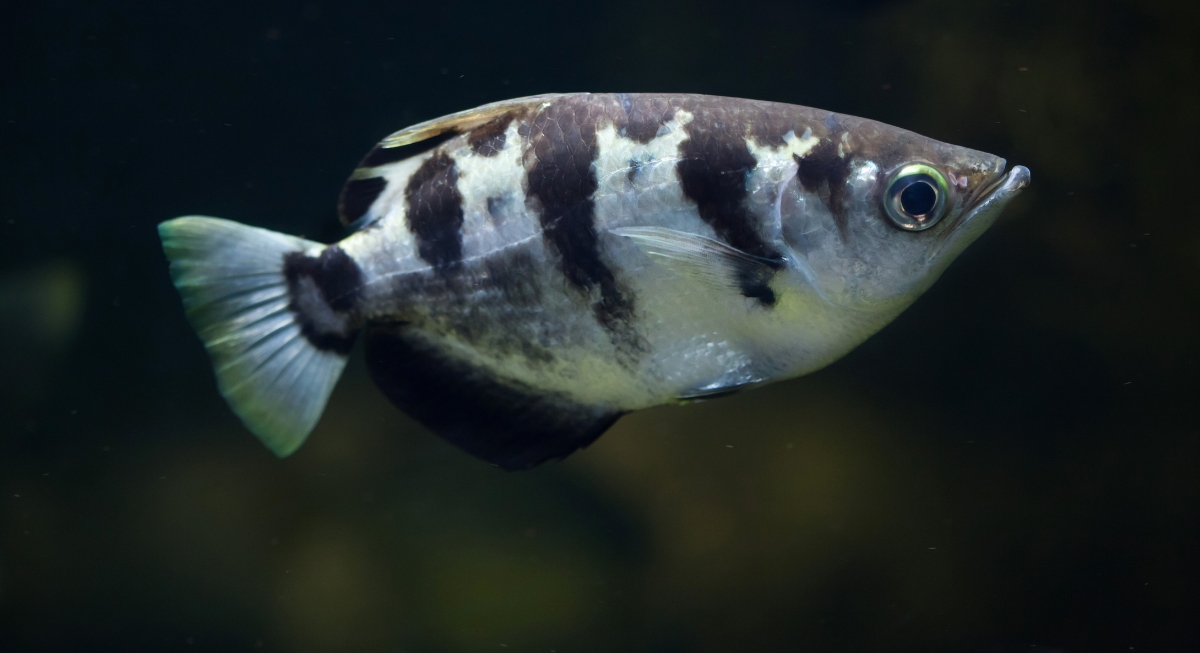
Archerfish
Credit: Getty Images
Archerfish became famous for an unusual face-recognition experiment in which researchers trained them to spit water at specific human faces shown on a screen. The task matched their natural hunting behavior, since they already shoot water jets at prey above the water. The fish learned to recognize a rewarded face and later picked it out from dozens of unfamiliar faces. They even performed well after researchers removed obvious clues like color and head shape. The study drew attention because archerfish lack the brain structures that mammals use for face recognition, yet they still solved the task.
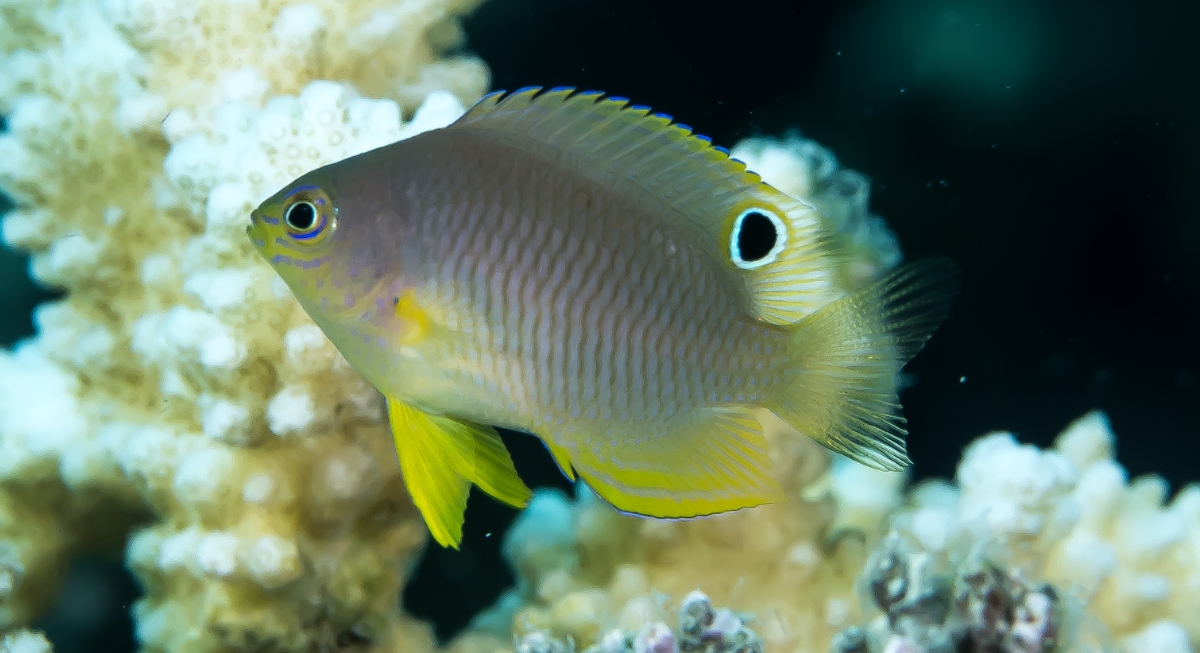
Ambon Damselfish
Credit: Wikimedia Commons
Ambon damselfish have appeared in two important lines of visual research. In one study, researchers trained reef damselfish to discriminate abstract shapes, patterns, and objects, showing that a small coral reef fish could learn visual targets with no direct ecological meaning. In another study, scientists found that Ambon damselfish use ultraviolet facial patterns in social recognition. Those UV markings are invisible to many predators, creating a private visual channel among reef fish.
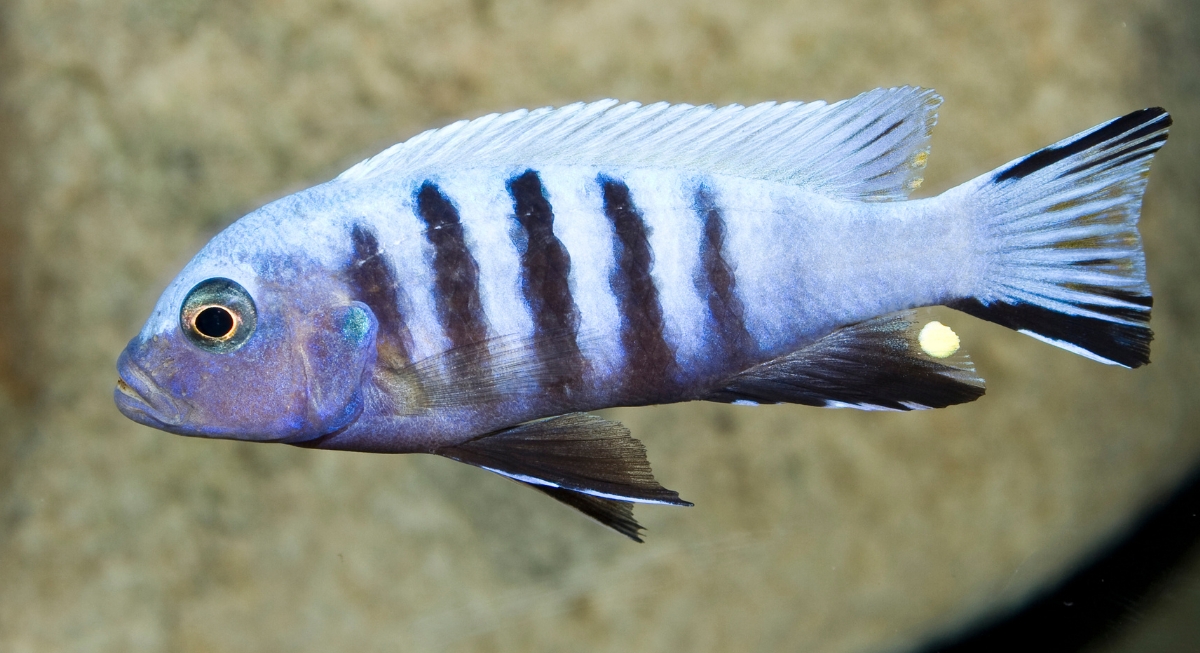
Malawi Cichlid
Credit: Getty Images
Researchers trained them to distinguish between geometric shapes, different sizes, and even images of fish and snails. The fish continued making correct choices when the pictures changed in style, suggesting they were focusing on important features rather than memorizing a single image. Other studies found they could recognize three-dimensional objects from different angles, showing a level of visual flexibility that helps in underwater environments where objects rarely look exactly the same twice.
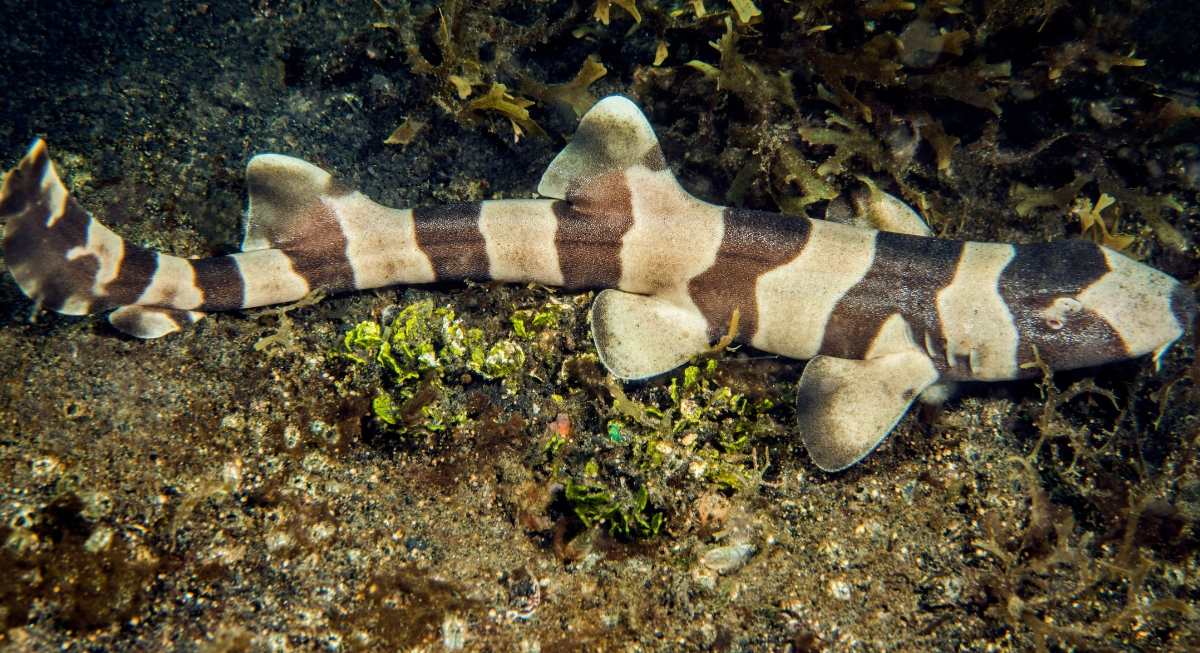
Gray Bamboo Shark
Credit: Getty Images
In cognition studies, Chiloscyllium griseum learned visual discrimination tasks involving categories such as “fish” and “snail.” Researchers changed image type, size, color, and presentation style, yet the sharks still treated fish-like images as belonging together. Other work examined symmetry perception and visual memory in this species. The research is striking because sharks are usually discussed in terms of hunting senses such as smell and electroreception. It appears some sharks also handle trained visual categories with impressive flexibility.
Goldfish
Credit: pexels
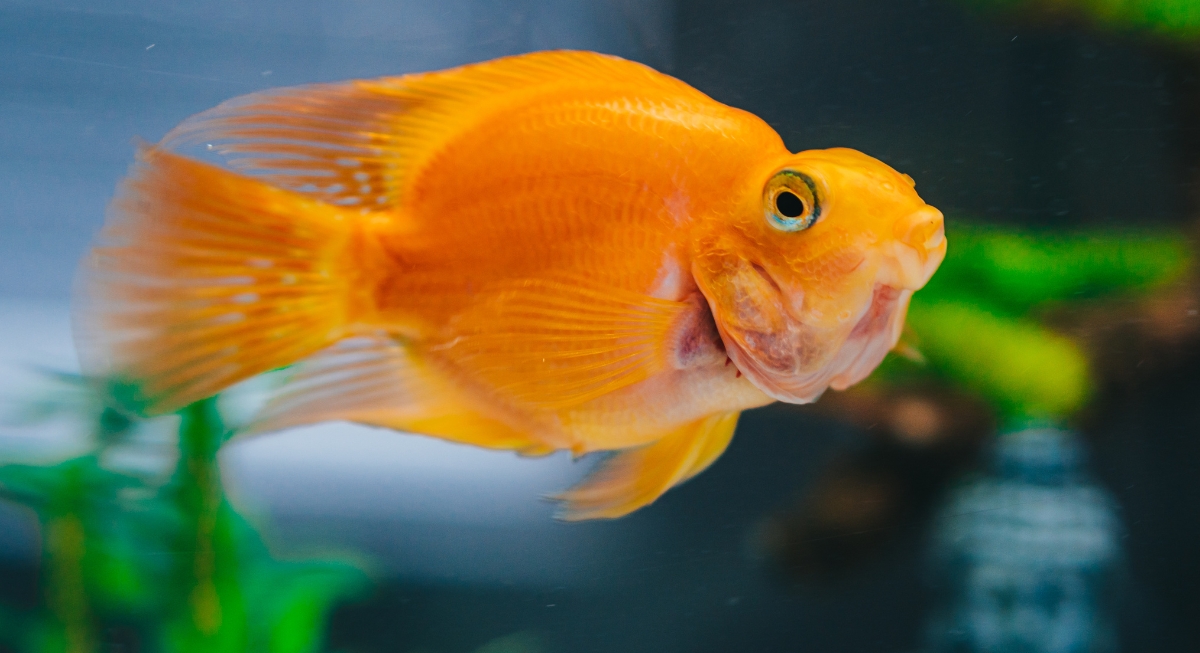
Goldfish have a surprisingly long history in shape-recognition experiments. Earlier studies trained Carassius auratus to discriminate forms such as W and V shapes, circles, squares, and modified outlines. Later work examined how goldfish process shape details and recognize objects when orientation changes. The species became useful because it is hardy, trainable, and visually capable. Goldfish studies also helped researchers explore whether fish attend to the whole object or to specific features such as edges, corners, and upper contours.
Zebrafish
Credit: pexels
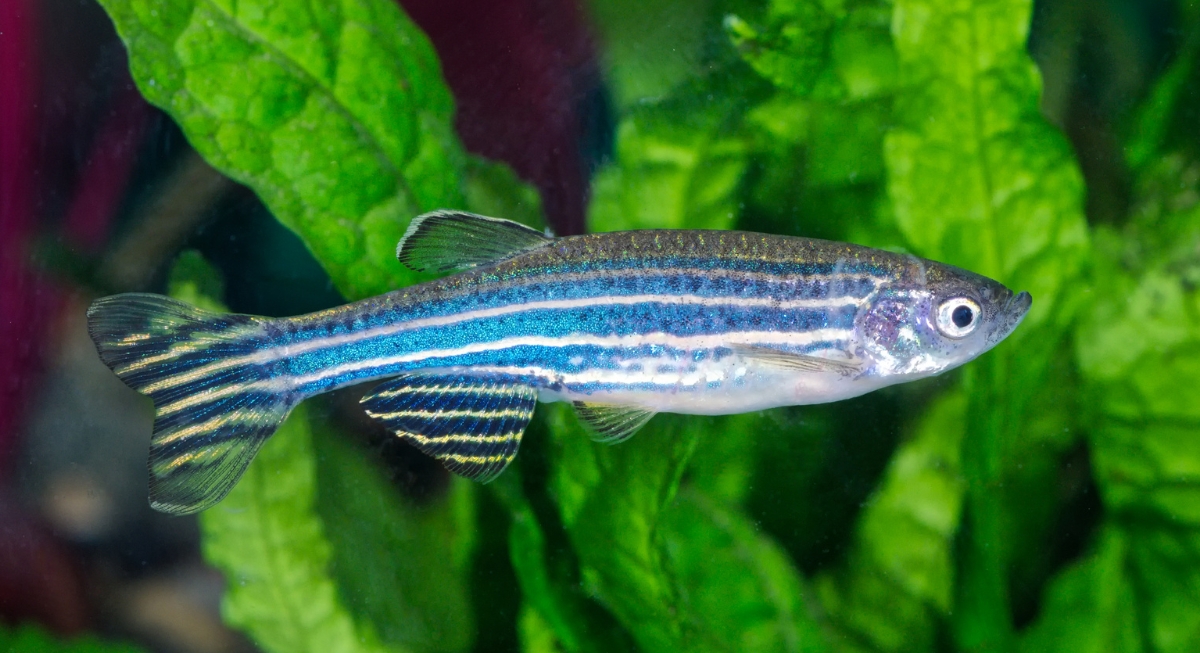
Few fish have contributed more to scientific research than zebrafish. Alongside studies of genetics, development, and disease, researchers have used them to explore learning and perception. In visual discrimination experiments, zebrafish learned to distinguish between shapes, patterns, and altered images. These tasks help scientists study attention, memory, and decision-making. Because zebrafish biology is so well understood, even small changes in visual performance can provide useful clues about how the brain and genes influence perception.
Rainbow Trout
Credit: Getty Images
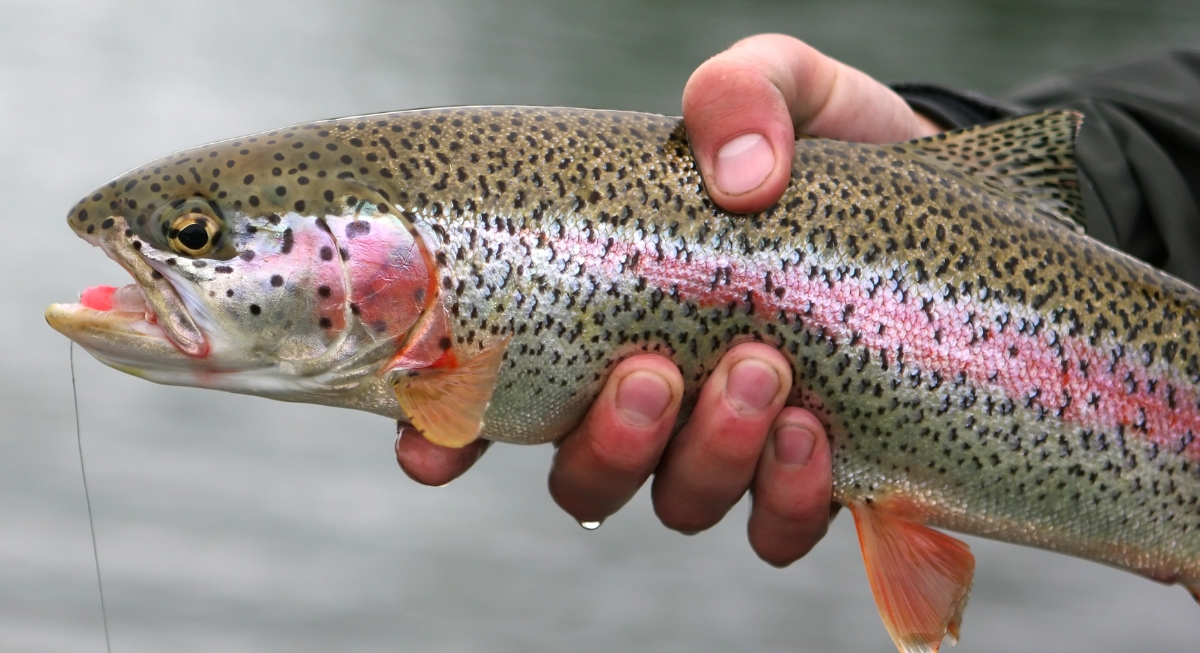
Rainbow trout entered this field through an operant-conditioning study using images on a screen and self-feeders. Researchers trained Oncorhynchus mykiss to choose photographs of their own species over distracting stimuli. The fish managed to distinguish trout images from abstract shapes and objects, though separating trout from other fish species proved harder. Rainbow trout learned a visual category, but the boundary appeared broad, closer to “fish-like shape” than precise species identity.
Guppy
Credit: Getty Images
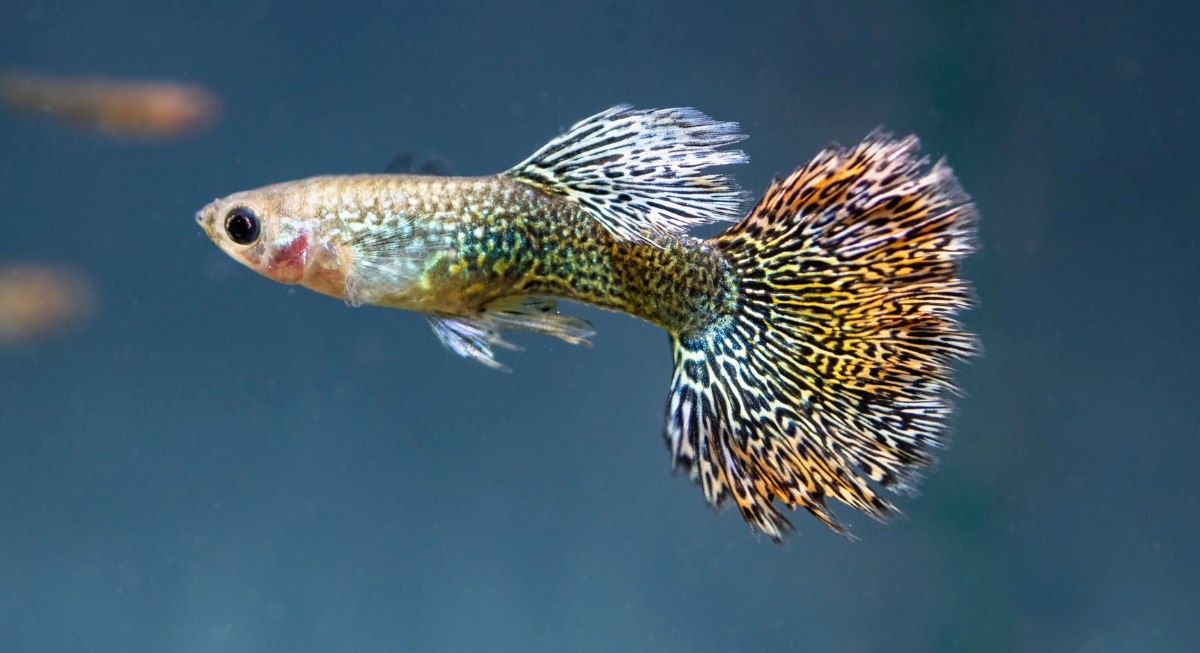
Guppies have been used in visual learning, numerical discrimination, and same-different tasks. In shape-related experiments, Poecilia reticulata learned to choose between visual stimuli in reward-based setups, although studies often show that color discrimination is easier than shape discrimination. This reveals how cognition aligns with a species’ sensory priorities. Bright male coloration, mate choice, shoaling, and predator avoidance all make visual learning important, but not every visual feature carries equal weight.
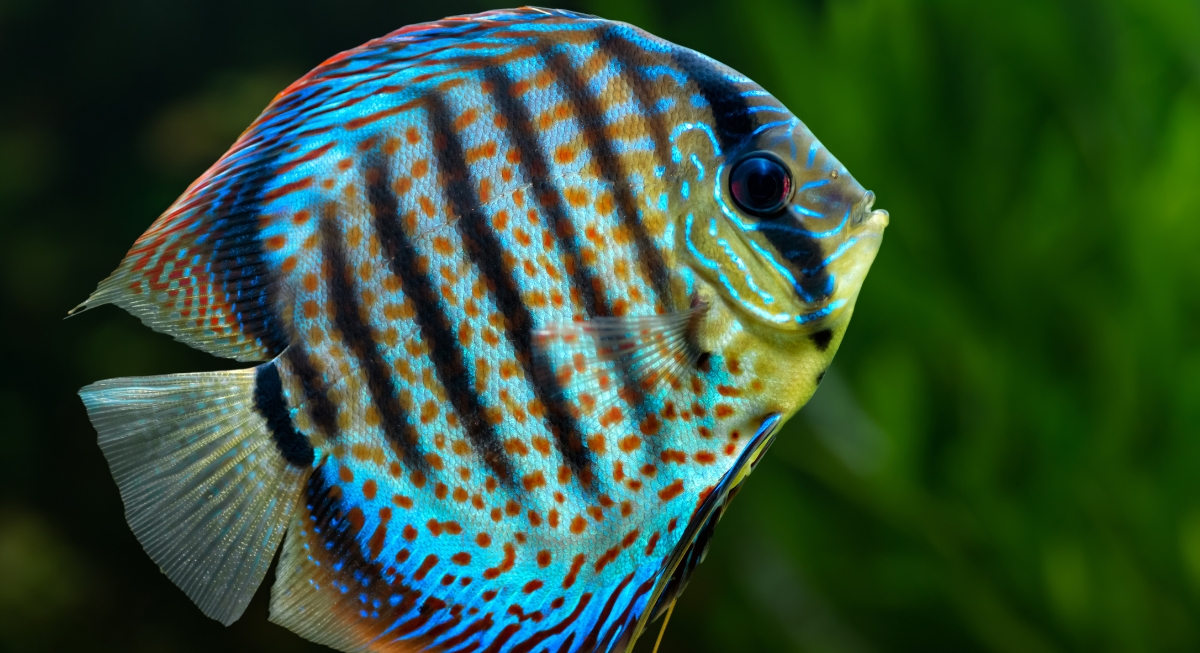
Discus Fish
Credit: Getty Images
Discus fish rank among the most recognizable freshwater fish in the aquarium world. Their nearly circular bodies, vivid colors, and intricate patterns make them visually striking even among tropical species. Those same characteristics also make them useful subjects for studying visual recognition. Scientists investigating how fish identify one another found evidence that discus fish rely heavily on facial features when distinguishing individuals. For a species living in social groups, accurate identification can help regulate interactions.
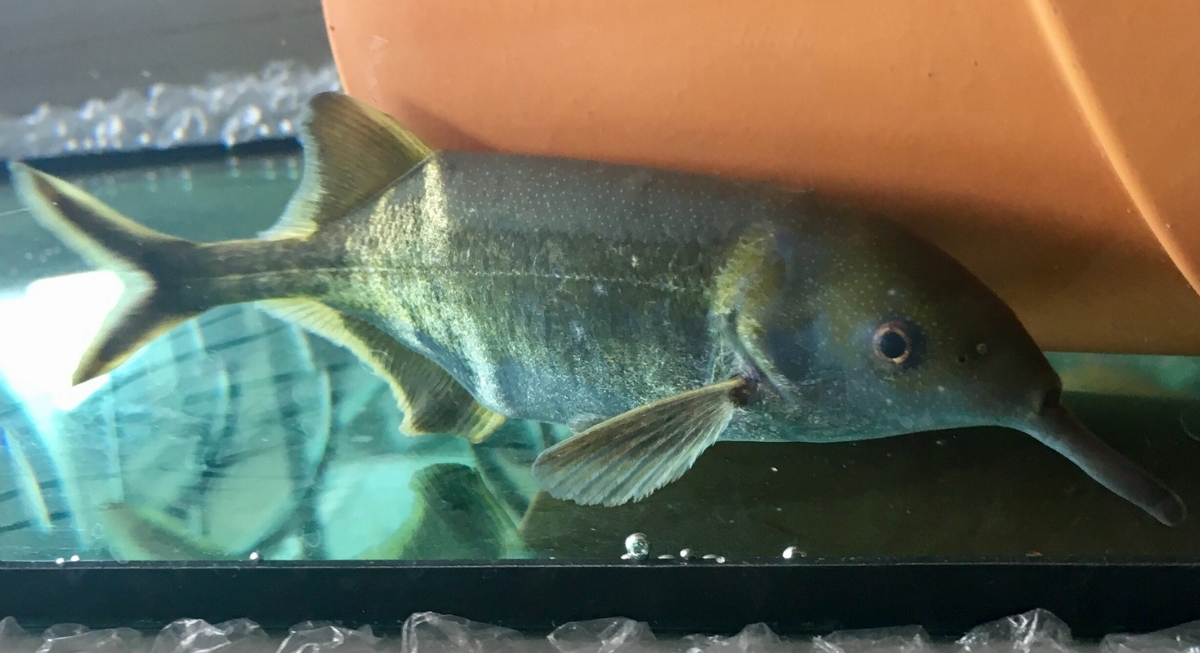
Peters’s Elephantnose Fish
Credit: Wikimedia Commons
Peters’s elephantnose fish brings a different sensory system into the conversation. Gnathonemus petersii is a weakly electric fish that detects objects through self-generated electric fields. In training experiments, researchers tested whether these fish could recognize distance, object properties, and three-dimensional shape without relying on normal vision. The fish learned to identify objects and distinguish shapes through electrolocation. It expands the idea of “recognizing shapes” beyond eyes and screens. For elephantnose fish, shape can be something sensed in the dark through electric images.