Is Your Indoor Cat Secretly Depressed? Here’s How to Fix It ASAP
Indoor cats may seem like they’re living the dream, but even the most spoiled pet can feel low. Life inside can become repetitive without enough variety or interaction. Mood shifts often go unnoticed until habits change. Luckily, you can lift your cat’s spirits without major effort. Spotting emotional changes early and providing the right enrichment can help your feline feel balanced, secure, and playful again.
Change in Appetite
Credit: pexels
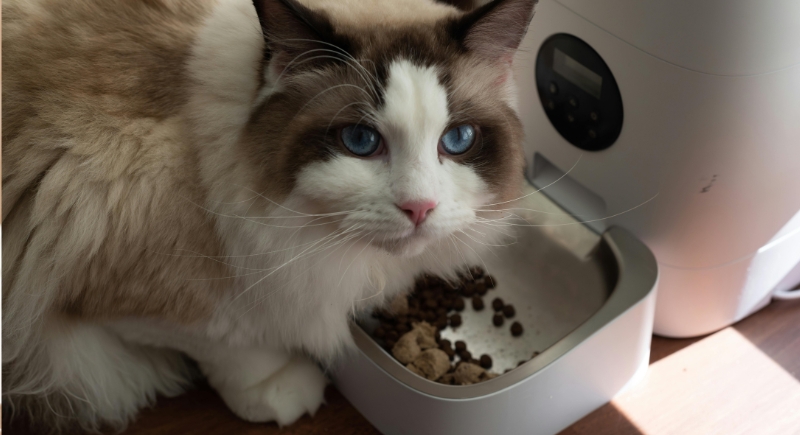
The food bowl often tells the first story. When a cat suddenly ignores dinner or seems oddly obsessed with food, something is off. Emotional changes can dull or increase appetite, depending on the cat’s stress level. Loss of interest in treats or meals can signal sadness or illness. Cats rarely alter their eating habits for no reason, so watching for even small appetite changes is worth your attention.
Neglected or Excessive Grooming
Credit: pexels
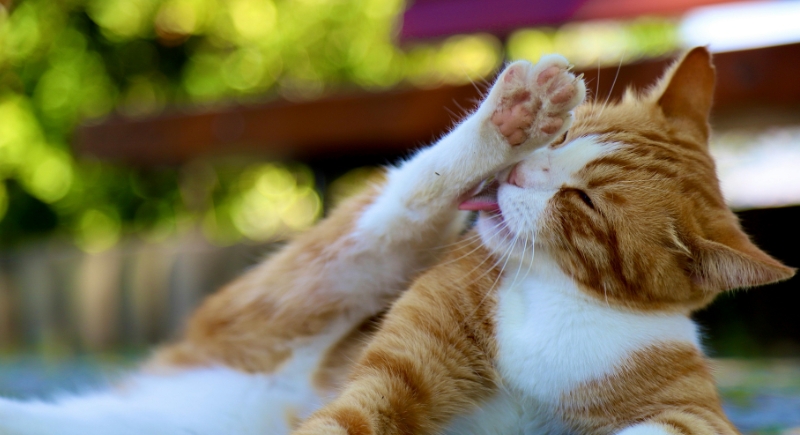
A shiny coat usually reflects a content cat. When that shine disappears, take notice. Depressed cats often stop cleaning themselves, leaving fur oily or tangled. Others may lick one spot repeatedly until the hair thins. Both extremes are emotional responses that often appear when a cat feels uneasy or bored. Paying attention to these small grooming changes helps identify stress before it grows into something larger.
Loss of Interest in Play
Credit: pixelshot
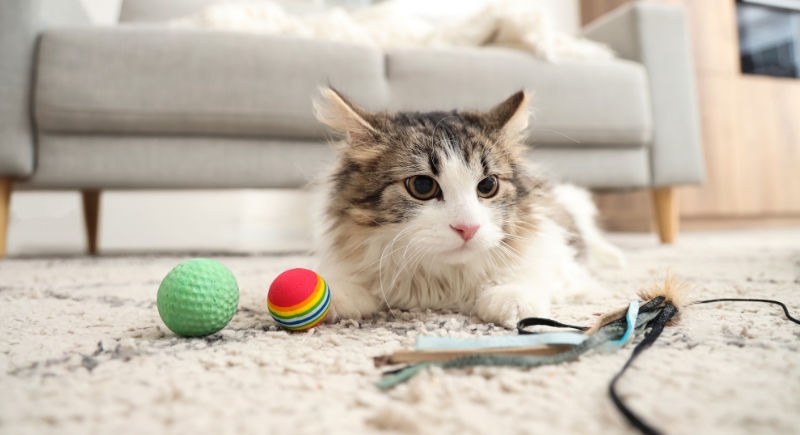
When favorite toys collect dust, it is not a coincidence. Play is how cats express joy, curiosity, and instinct. Losing interest in movement often points to sadness or lack of stimulation. Depression drains motivation and curiosity, replacing energy with stillness. Watching your cat’s enthusiasm for toys fade can feel subtle at first, but it is one of the most common early signs of emotional decline.
Changes in Sleep Patterns
Credit: Getty Images
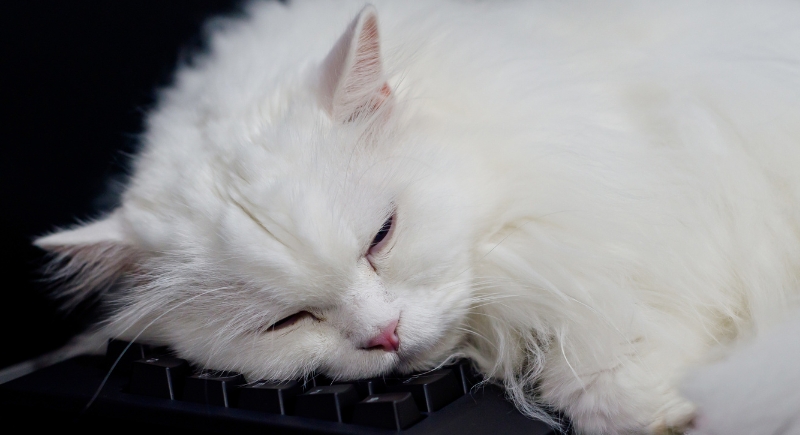
Cats are professional nappers, but when rest turns into all-day slumber or restless pacing, pay attention. Major changes in sleep often indicate a shift in emotional health. Depressed cats may seem tired all the time, even after long naps, or may wander at night without reason. Healthy cats alternate between bursts of energy and rest, so noticeable differences in their daily rhythm deserve investigation.
Unusual Vocal Clues

Credit: Getty Images
Every cat has a unique voice, and when that sound changes, it means something. Some become unusually quiet, while others begin producing deep, mournful meows. These new tones are emotional signals rather than random noises. A previously chatty cat going silent, or a quiet one becoming loud, can both be signs of sadness or stress. Listening closely to vocal changes can reveal what words cannot.
Aggression or Withdrawal
Credit: Getty Images
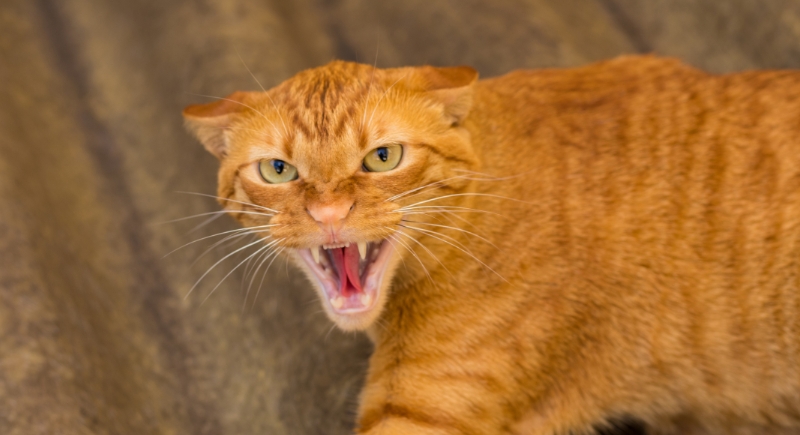
A cat that once greeted you at the door but now hides or hisses may be struggling emotionally. Depression can cause shifts in temperament, from irritability to complete avoidance. This change is often the result of frustration or fear, not hostility. When that happens, patience and a calm environment are key. Offering quiet reassurance helps your cat feel safe enough to re-engage when ready.
Litter Box or Scratching Issues

Credit: pixelshot
When cats stop using their litter box or scratch more than usual, it is rarely rebellion. These actions help them cope with stress. A cat may avoid the litter box because it associates it with anxiety, or it may scratch furniture to release pent-up tension. Instead of punishment, focus on comfort and consistency. Most cats return to normal routines once they feel secure again.
Schedule a Vet Visit First
Credit: Canva
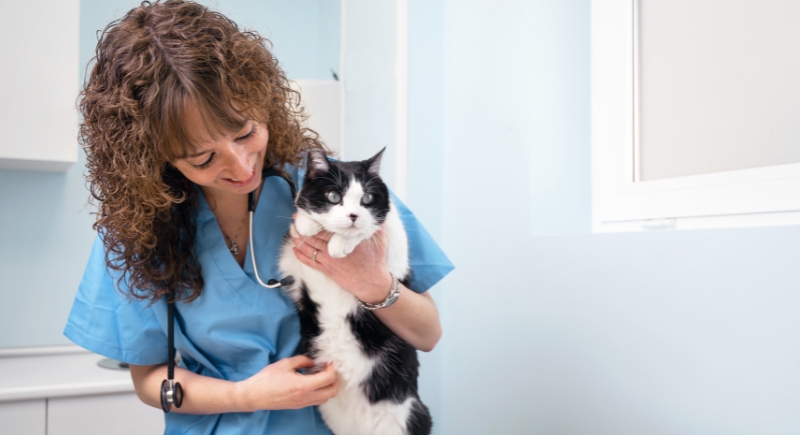
Before assuming sadness, rule out medical issues. Conditions like arthritis, thyroid problems, or dental pain often mimic emotional distress. A thorough veterinary checkup ensures nothing physical is behind the mood change. Once health concerns are cleared, it becomes easier to address emotional factors. Your vet may suggest behavioral adjustments, diet changes, or supplements to restore balance and bring back your cat’s happy rhythm.
Create a More Stimulating Environment
Credit: Getty Images
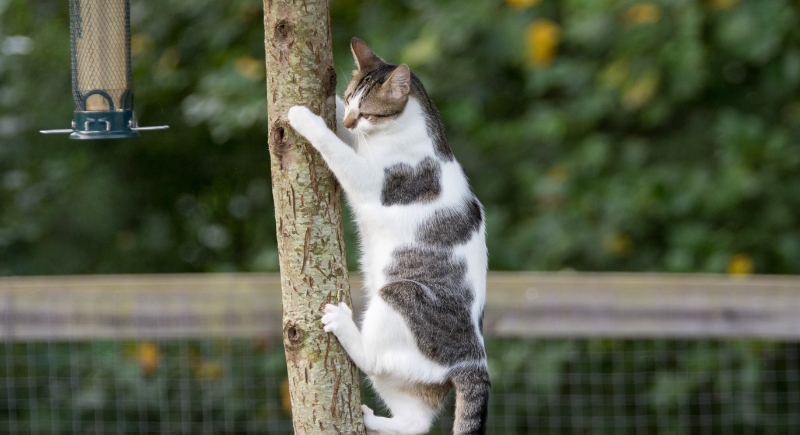
Imagine spending your days in the same few rooms with no surprises. That is what indoor cats face without enrichment. Adding climbing towers, shelves, or window perches gives them space to explore safely. Even small environmental tweaks, like new scents or textures, make a big difference. These changes help cats exercise natural instincts and transform dull spaces into lively, engaging playgrounds full of curiosity.
Engage in Daily Interactive Play
Credit: pexels
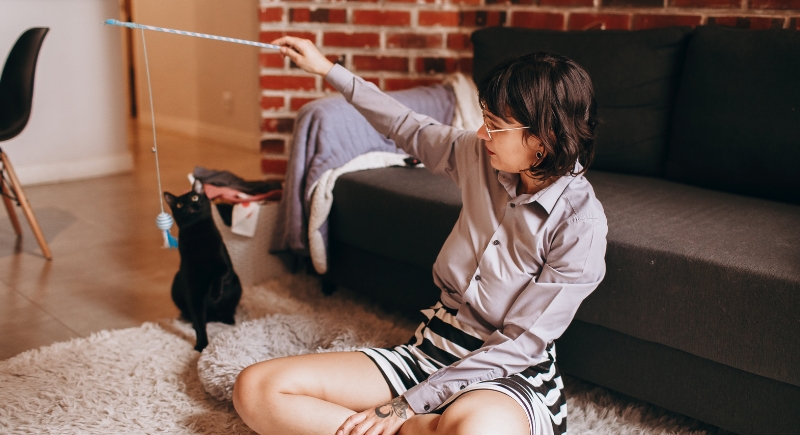
Play sessions are not just fun; they are essential therapy. Using feather wands, toy mice, or laser pointers encourages natural hunting behavior and reduces stress. A few minutes of play each day can lift mood and prevent boredom. Variety is key. Switching toys regularly keeps them exciting and unpredictable. Consistent play builds connection while giving your cat a healthy outlet for energy and emotion.
Turn Mealtime into a Game
Credit: Getty Images
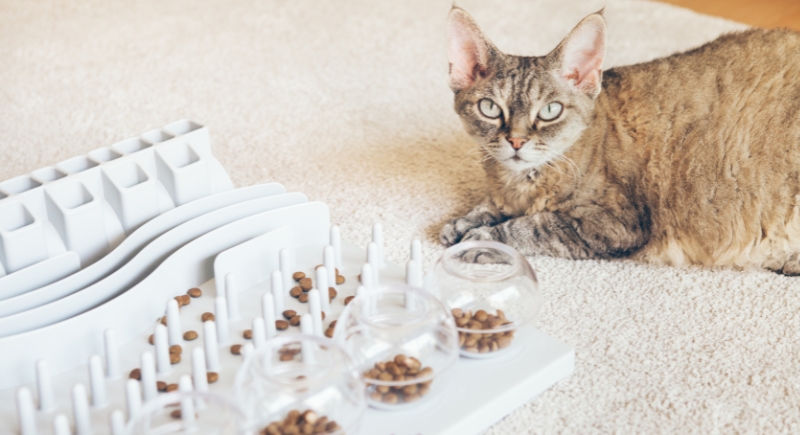
Feeding time can double as entertainment. Puzzle feeders, treat balls, or hidden snacks turn meals into challenges that spark curiosity. Working for food helps cats feel accomplished and mentally engaged. Studies show that this type of enrichment lowers stress and encourages healthier eating habits. It mimics hunting instincts without the danger, keeping your cat busy, sharp, and emotionally satisfied with every delicious reward.
Offer Hideouts and Quiet Retreats
Credit: pexels
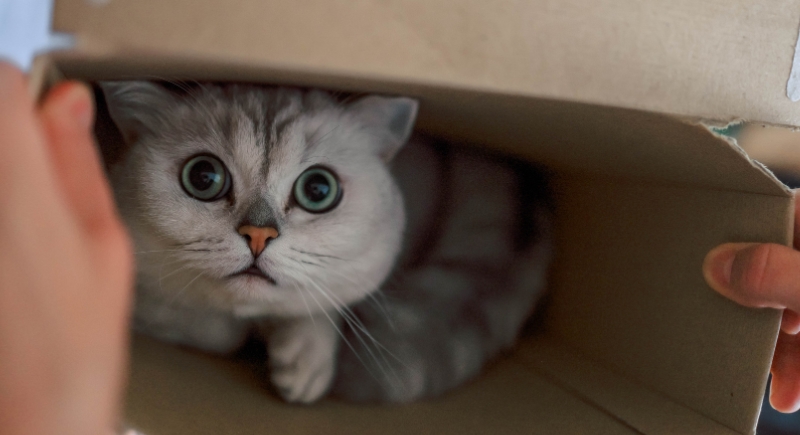
Cats crave control over their surroundings. Providing small hideouts, soft beds, or boxes where they can retreat restores that sense of safety. These quiet zones let them decompress during stressful moments and regain emotional balance. A cat that can choose solitude is less likely to feel overwhelmed. Giving them peaceful corners to escape to is one of the simplest ways to reduce anxiety.
Stick to Familiar Routines

Credit: pexels
Cats rely on consistency more than most pets. Sudden changes in mealtime, furniture placement, or your schedule can leave them unsettled. Keeping daily patterns predictable builds security and trust. Even when big life events happen, small routines like greeting them the same way or maintaining playtime offer stability. Structure helps them feel grounded and confident, reducing the emotional toll that unpredictability can bring.
Rebuild the Bond Through Gentle Contact
Credit: Canva
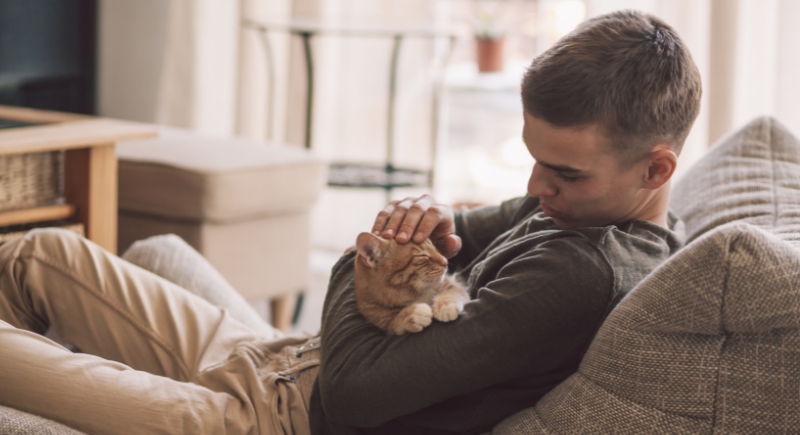
Sometimes the best medicine is quiet companionship. Sitting near your cat, speaking softly, or gently stroking their fur can rebuild trust without pressure. Depressed cats often need calm energy more than excitement. Let them approach on their terms and reward that confidence with attention. Simple, peaceful interaction reminds them they are safe and loved, which can slowly lift their spirits back up.
Consider Companionship or Behavioral Help

Credit: Getty Images
When sadness lingers, it may be time to get professional help or a feline friend. Some cats thrive with company, while others benefit from behavioral guidance. Certified animal behaviorists can design plans to reduce anxiety or depression, sometimes recommending calming pheromones or medication. Every cat’s emotional landscape is unique, and finding the right balance between companionship and expert support can make all the difference.