10 Vital Ways to Protect Your Pet From the FDA-Flagged Flesh-Eating Screwworm Parasite
The New World screwworm parasite sounds terrifying, and health officials are taking it seriously after recent cases were reported in Mexico. So far, no cases have been confirmed in the United States, but the FDA and USDA are already preparing response plans for animals. Pet owners do not need to panic, though staying careful around wounds, outdoor exposure, and heavy fly activity can help lower the risk of infection.
Check Small Wounds Right Away
Credit: Getty Images
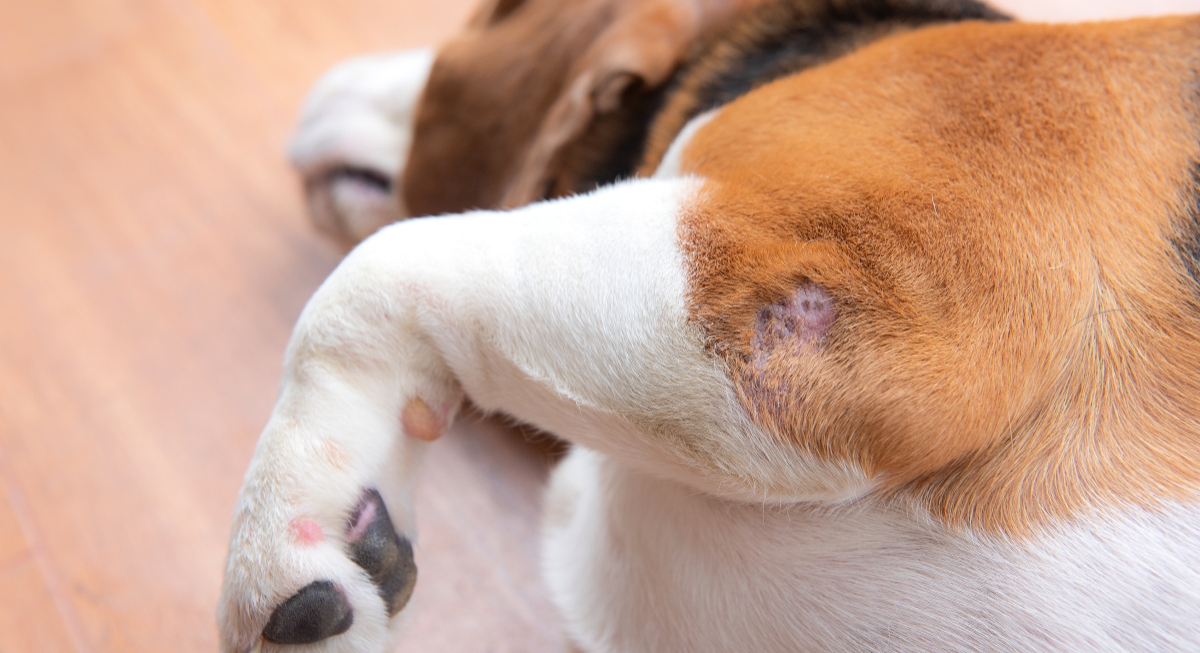
Female screwworm flies look for openings in the skin to lay eggs, including tick bites, cuts, and irritated ears. Daily checks matter after hikes or grooming appointments. A wound that stays clean and covered gives flies fewer chances to settle in. Warm weather also speeds up fly activity, so summer routines deserve extra attention.
Keep Pets Away From Livestock Areas

Credit: Getty Images
Livestock areas pose the highest risk for screwworm flies, as animals such as cattle, goats, sheep, and horses are common targets. Pets wandering through barns, pens, or trailers can come into contact with flies around untreated cuts or sores. Keeping dogs and outdoor cats away from these areas lowers the chance of exposure.
Pay Attention to Odd Behavior

Credit: Getty Images
Changes in behavior can be one of the first signs that something is wrong. A dog constantly shaking its head or a cat obsessively licking and pawing at one spot may be reacting to irritation, insects, or a wound. The USDA lists unusual restlessness and irritation among the early warning signs linked to screwworm infestations.
Stay Consistent With Flea and Tick Medication
Credit: Canva
FDA officials recently authorized common flea and tick treatments such as NexGard and NexGard COMBO for emergency screwworm response efforts in certain animals. That news surprised many pet owners because most people associate those medications with fleas instead of parasitic flies.
Watch Outdoor Pets More Closely
Credit: Getty Images
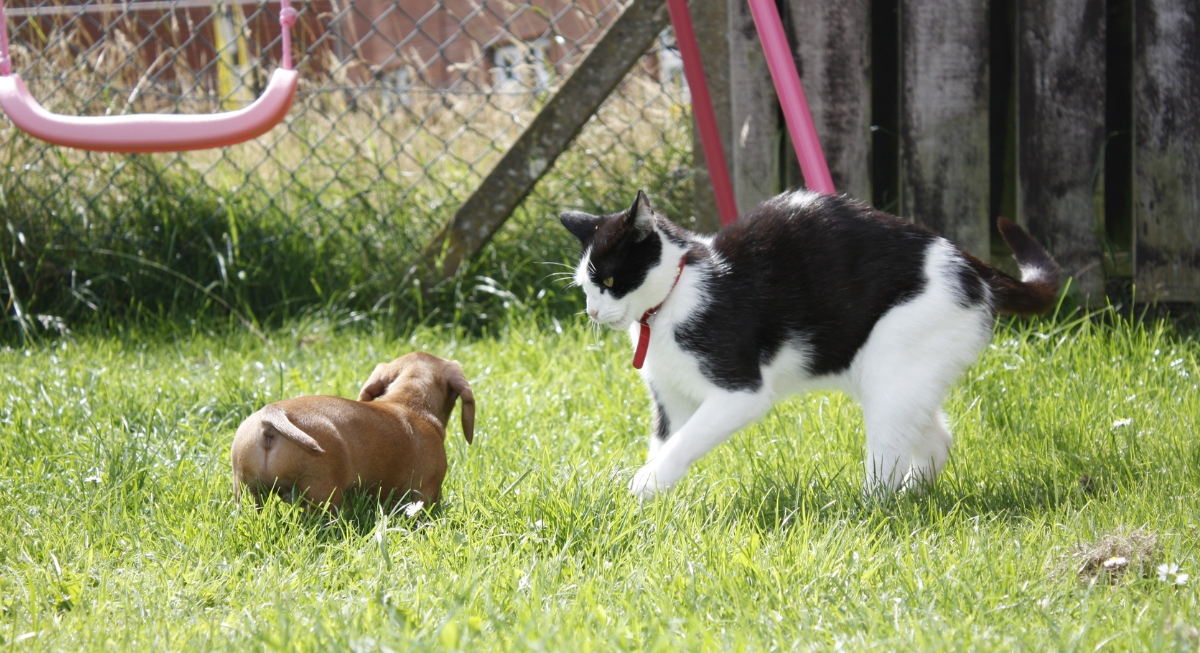
An indoor pet usually has fewer opportunities to encounter dangerous flies. Outdoor dogs and cats spend more time near wildlife, garbage, standing water, and injured animals. That creates more chances for exposure. A pet that disappears under a porch or fence line for hours can return with cuts that owners never notice right away.
Keep Grooming Tools and Bedding Clean

Credit: pexels
Dirty bedding and damp grooming supplies attract plenty of pests, especially during humid stretches of weather. Fresh blankets, washed collars, and sanitized brushes help limit bacteria around cuts and irritated skin. Long-haired breeds deserve extra care because thick fur can hide sores beneath the coat.
Learn What the Adult Fly Looks Like
Credit: Wikimedia Commons
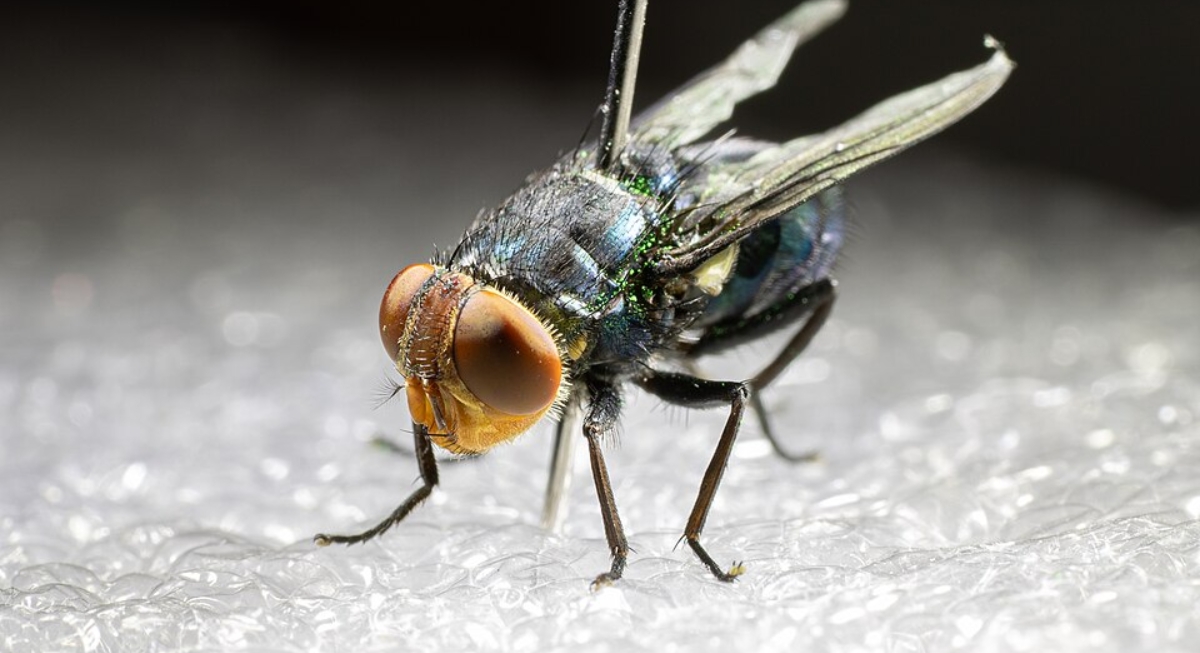
The adult screwworm fly does not resemble a giant movie monster. It looks like a regular housefly, with metallic blue or green coloring and bright orange eyes. The USDA also notes dark stripes running along its back. Recognizing the insect helps owners notice unusual activity around pets or livestock.
Avoid Ignoring Bad Smells
Credit: Getty Images
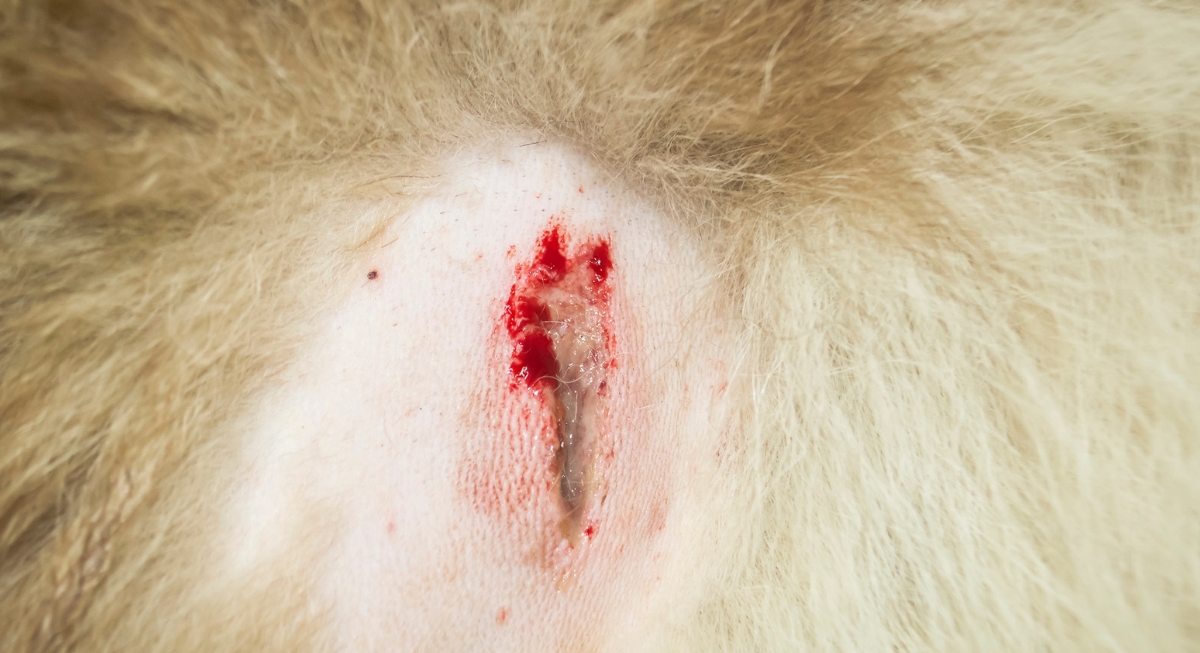
A wound with a strong, rotten smell deserves attention even when it appears small at first glance. Veterinarians often mention odor as one of the clearest warning signs connected to tissue damage and infection. Screwworm larvae create deeper wounds as they feed beneath the skin surface.
Schedule Vet Visits After Travel
Credit: Getty Images
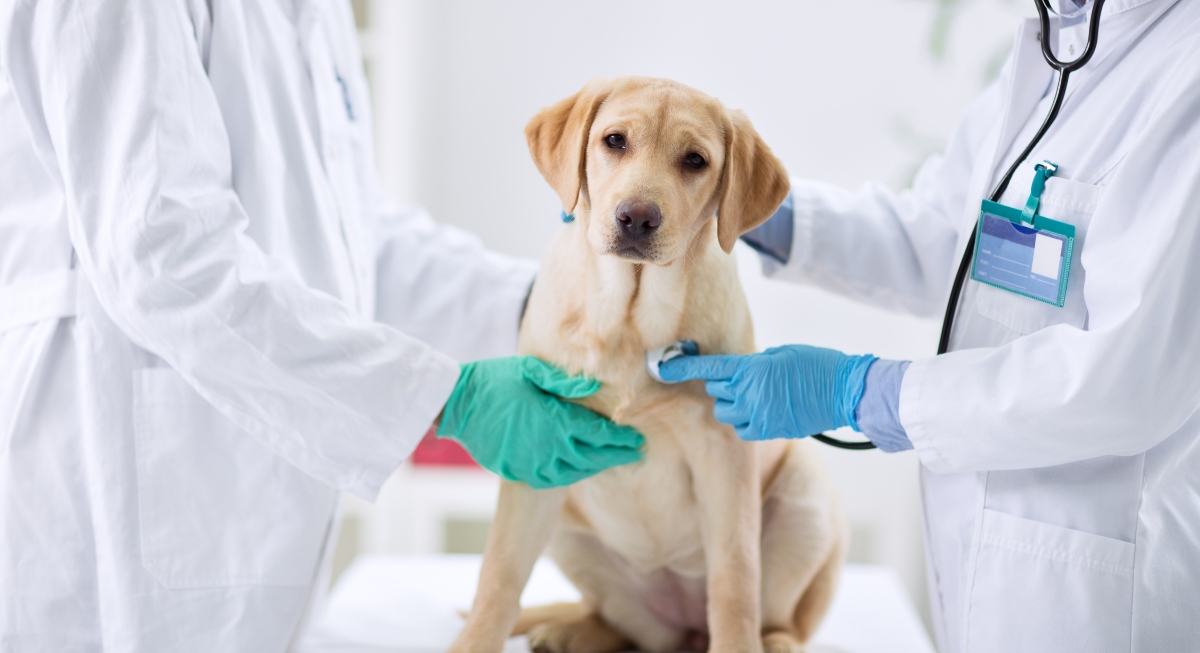
Families traveling near affected regions should pay closer attention once pets return home. Border areas with livestock traffic can expose animals to pests uncommon in other locations. A quick veterinary exam after long road trips or farm stays gives professionals a chance to inspect hidden wounds.
Take Government Warnings Seriously Without Panicking

Credit: Getty Images
Federal agencies rarely issue emergency authorizations for animal treatments unless officials see a genuine need to prepare in advance. That said, no confirmed New World screwworm infestations have been reported in the United States during this latest alert. Still, preparation matters more than fear.