Tips for Flying With a Large Dog
Flying with a large dog takes planning, patience, and a realistic view of airline rules. Most airlines treat big dogs differently from lap-sized pets, and those differences affect everything from ticketing to timing. With the right prep, air travel can be predictable and safe for dogs that must fly. These tips focus on what actually matters at the airport and in the air, based on current airline practices and pet travel standards.
Know Where Your Dog Is Allowed to Fly
Credit: iStockphoto
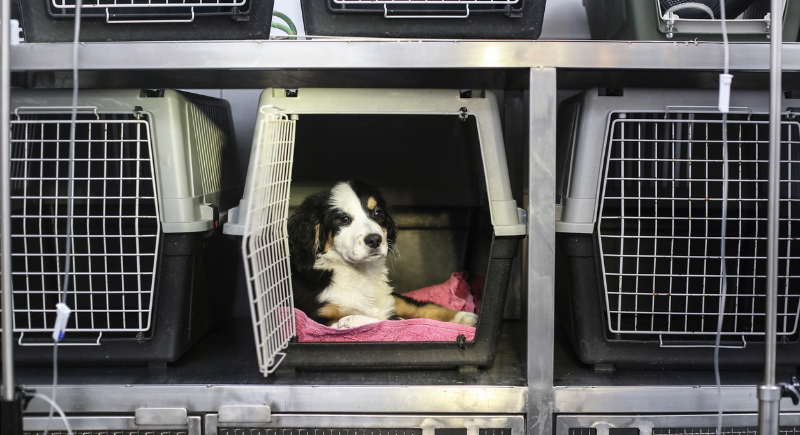
Large dogs almost always travel in the cargo hold because seat dimensions limit space in the cabin. Cargo compartments used for animals are pressurized and temperature-controlled on major U.S. airlines. Some aircraft types still do not accept live animals, which makes checking the plane model important when planning the trip.
Choose Flights Based on Weather

Credit: Canva
Airlines restrict pet travel when temperatures fall below 20°F or rise above roughly 85°F on the ground. Seasonal embargoes are common during summer and winter, especially on long-haul routes. Morning flights reduce heat exposure during warm months and lower the risk of being on the tarmac.
Get the Right Health Paperwork
Credit: iStockphoto
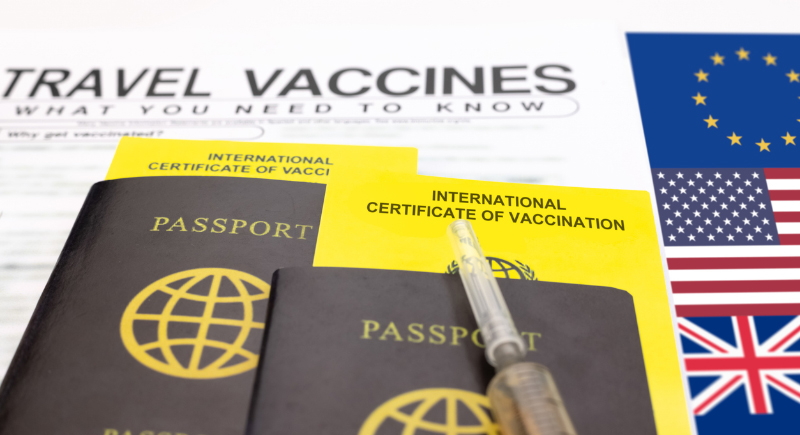
Most airlines require a veterinary health certificate issued within 10 days of departure. Rabies vaccination records are mandatory for domestic flights in many cases and required for all international travel. Some destinations also require microchips that meet ISO standards.
Use an Airline-Approved Crate
Credit: iStockphoto
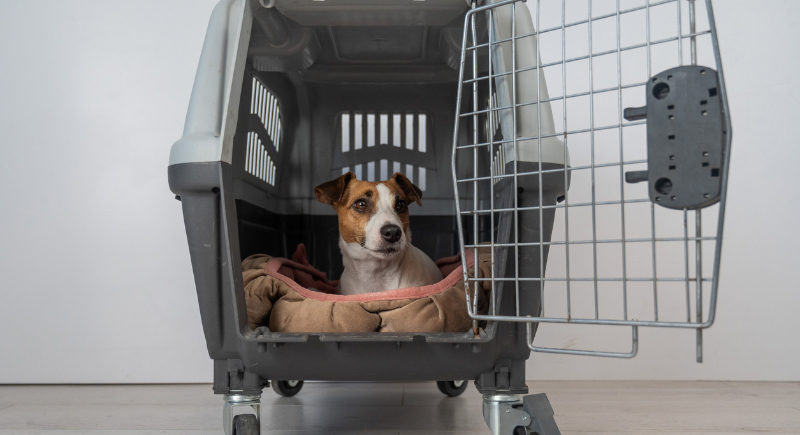
Cargo crates must meet IATA guidelines and be rigid with ventilation on multiple sides. The interior height must allow the dog to stand upright without touching the ceiling. The dog must also be able to turn comfortably and rest in a natural position.
Label the Crate Like It Matters
Credit: iStockphoto
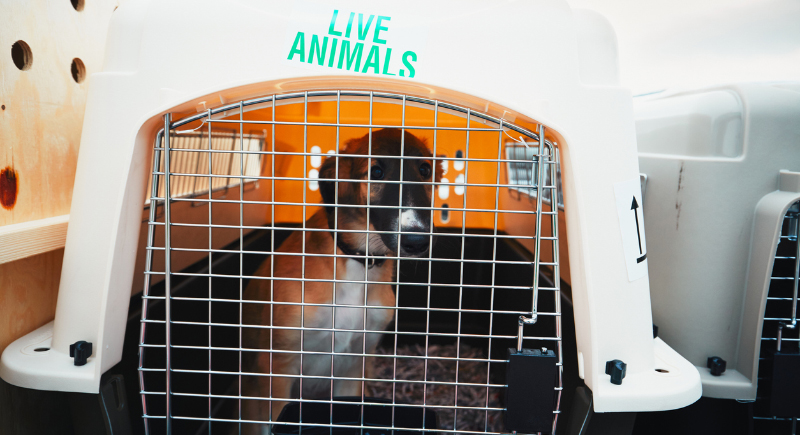
Airlines recommend placing contact details on the crate using waterproof labels. A current photo of the dog helps airline staff identify the animal if paperwork becomes separated. Many carriers also require “Live Animal” stickers on the exterior of the crate.
Skip Sedation Unless a Vet Insists
Credit: Canva
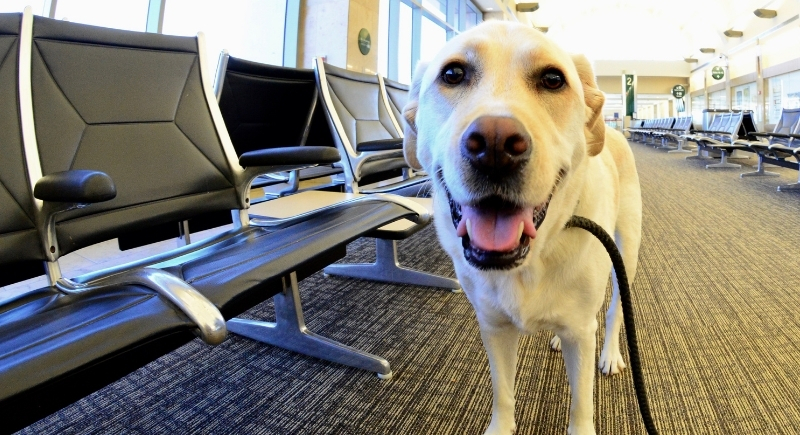
Veterinary associations warn that sedatives increase breathing and heart risks at altitude. Airlines may refuse animals that appear heavily sedated at check-in. Behavioral conditioning and crate training reduce anxiety more safely than medication.
Arrive Earlier Than Usual
Credit: iStockphoto
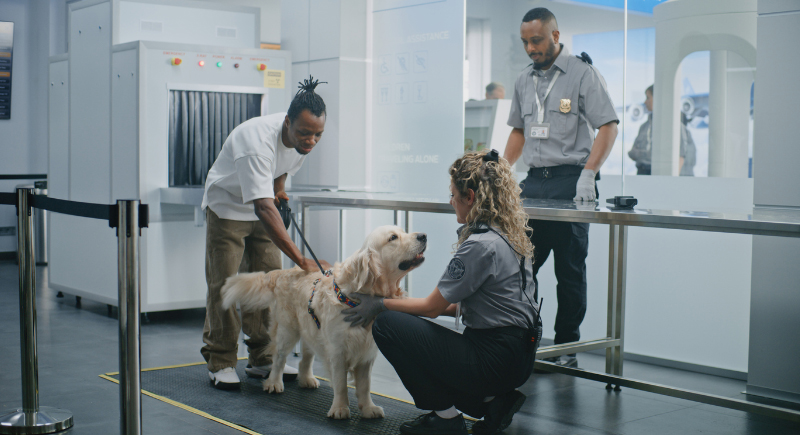
Checking in with a large dog takes longer because documents are reviewed manually. International flights may require additional customs forms and destination permits. Airlines often require pets to be checked in at least 1 hour before standard baggage.
Plan Airport Relief Breaks
Credit: iStockphoto
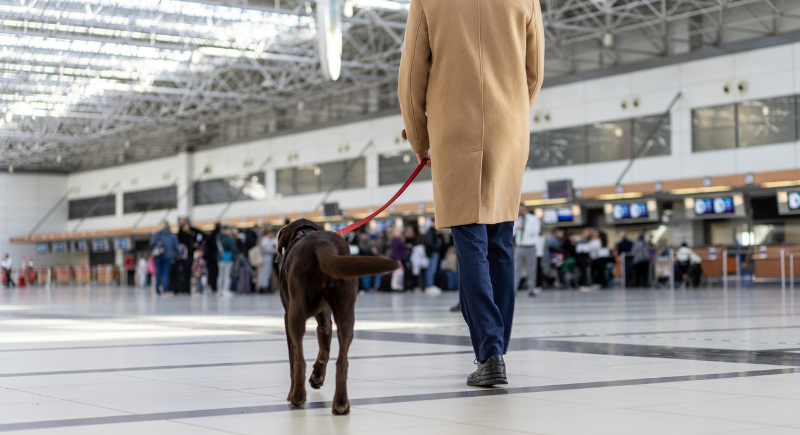
Most major U.S. airports now offer designated pet relief areas beyond security. These spaces help reduce stress before crating and prevent accidents during transit. Knowing their locations saves time during tight connections.
Manage Food and Water Timing
Credit: iStockphoto
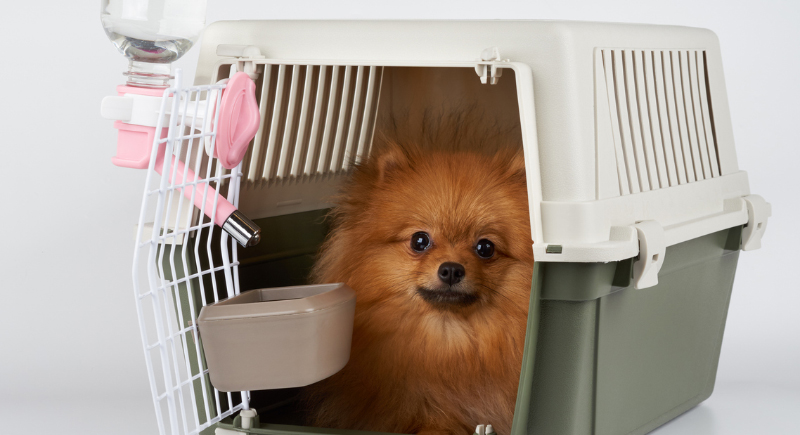
Veterinarians advise feeding dogs several hours before departure to reduce the risk of motion sickness. Water should be available until check-in, with a spill-resistant container attached to the crate door. Hydration is more important than meals during flight hours.
Understand Breed-Based Restrictions
Credit: Canva
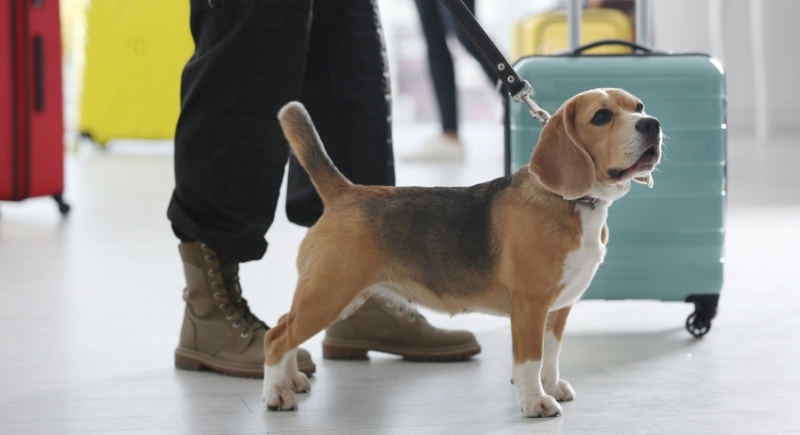
Some airlines limit or ban brachycephalic breeds because shortened airways increase the risk of respiratory issues. Extra crate space and cooler temperatures are often required when these breeds are accepted. Breed rules vary by airline, rather than being governed by federal law.
Confirm Fees and Space in Advance
Credit: iStockphoto
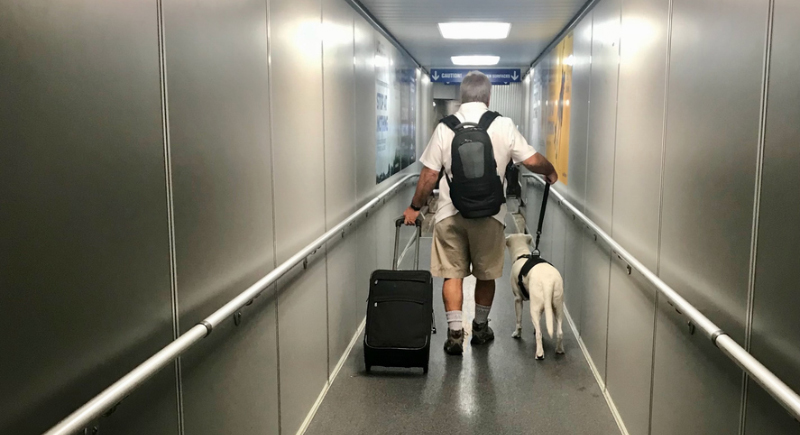
Airlines limit the number of animals per flight, including cargo pets. Fees for large dogs typically range from $100 to over $500 each way, depending on the route and weight. Pet reservations are handled separately from passenger tickets.