France Formally Includes Pet Care in Education to Teach Empathy
France is changing how it approaches animal welfare by starting with education instead of punishment. By including pet care in schools, the focus shifts to teaching children empathy and responsibility early on, with the idea that understanding care and commitment can reduce neglect later in life. In 2024, France brought pet care into the classroom. The aim is to reach children early and teach empathy and responsibility through basic lessons on caring for animals, with the hope these ideas stay with them beyond school.
This change traces back to a national decision to treat animals as sentient beings in law. Education followed that logic, and by placing pet care inside moral and civic education, France positioned empathy as a learned skill rather than an instinct kids simply grow into. Children learn that animals feel stress, pain, and comfort, and that human choices affect those outcomes.
Starting With Five-Year-Olds

Image via Canva/Gpoint Studio
The program began in September 2024 with CP students, typically ages 5 to 6. Lessons center on respect for pets as part of shared rules and personal responsibility. Teachers introduce animal needs, boundaries, and care routines through everyday situations that children already understand. This age matters because habits form early and shape how kids think about care, ownership, and accountability.
The lessons do not treat pet care as a list of chores. They focus on seeing animals as individuals, even pets in the same home. This approach encourages patience and respect for differences. Supporters of the program say the empathy children learn here carries over into how they relate to classmates, neighbors, and family members.
Preventing Problems Before They Start

Image via Getty Images/FatCamera
France faces persistent challenges with pet abandonment, especially during summer travel periods. Thousands of animals enter shelters each year, prompting a €20 million national action plan to address the issue. Education plays a long game in that response, and teaching children that animals rely on consistent care reduces the odds that pets later become disposable. The classroom becomes a prevention tool rather than a reactionary fix.
Reinforcement As Students Age
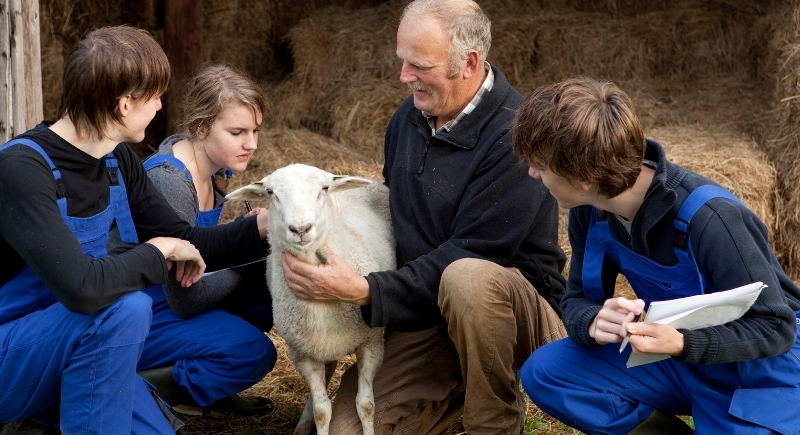
Image via Getty Images/BartCo
Older students already encounter animal welfare topics in middle and high school, where discussions expand to abuse prevention and ethical treatment. Starting earlier allows those later lessons to build instead of being introduced. Students revisit similar ideas with more depth, reinforcing responsibility across different stages of development.
Studies across education and psychology link humane education with stronger social skills, improved emotional regulation, and lower aggression. Research also connects early cruelty toward animals with higher risks of violent or antisocial behavior later on, and teaching respect early helps interrupt that pattern.
A Distinctive National Model
Several countries support animal welfare education in various ways, including the United Kingdom, Germany, and parts of the United States. France is prominent because its program carries a legal mandate and national consistency. Pet care is not an optional workshop or extracurricular topic, but is a required coursework, ensuring that students across regions receive the same baseline education.
Animal welfare groups welcomed the change while noting its narrow focus on pets rather than animals more broadly. Educators have room to expand discussions toward what defines an animal as an individual, encouraging deeper reflection without altering official guidelines. As the program matures, adjustments may follow based on classroom feedback and long-term outcomes.
By formalizing pet care education, France shows that empathy belongs alongside literacy and civic knowledge. The expectation is not perfection, but awareness. Children grow up understanding that care carries responsibility and that choices affect vulnerable beings.