Top 10 Fruits That Animals Love to Eat
Animals do not choose fruit by chance. What they eat depends on smell, ripeness, texture, and what is available in the moment. Some fruits are taken simply because they drop along familiar paths, while others stand out through scent or soft flesh when food is scarce. These ten fruits consistently appear in the diets of wild animals as practical, well-timed food sources that they know how to find and utilize.
Apple
Credit: pexels
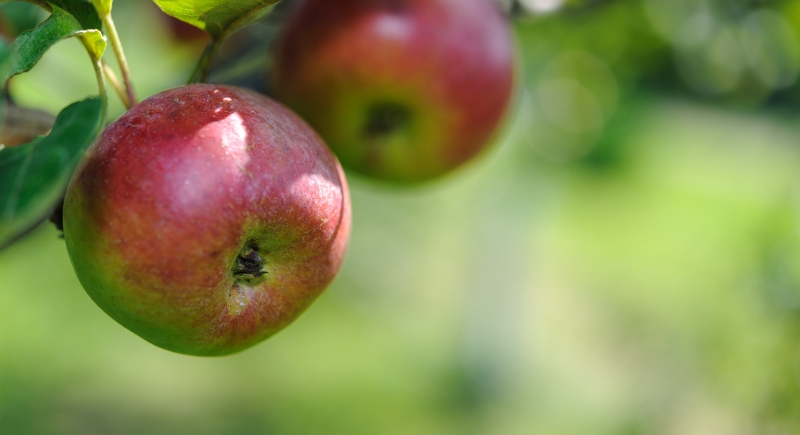
In places where orchards border forests or farmland, apples become part of the local food cycle. Deer browse fallen fruit beneath trees, birds peck at split skins, and even livestock learn the timing of harvest. Apples don’t need encouragement because once they hit the ground, animals find them quickly and return until the supply disappears.
Cantaloupe
Credit: Canva
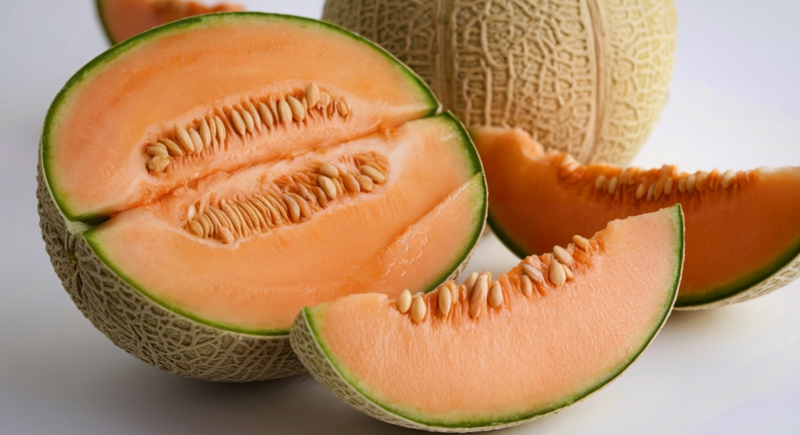
On hot days, cantaloupe comes across more as a source of moisture than of flavor. Once the rind and seeds are removed, the soft flesh is easy to eat. Because the sweetness adds up quickly, it’s usually offered sparingly and cleared away before it starts to break down.
Banana
Credit: Canva
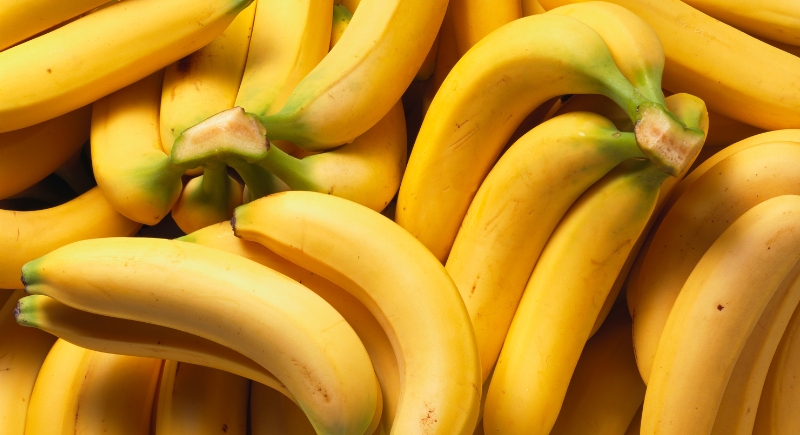
Bananas attract animals for one primary reason: their high energy content. Soft flesh, pungent aroma, and natural sugars make them easy to recognize and fast to eat. Monkeys handle them with ease, while dogs respond to the smell long before tasting. Because they spoil quickly, bananas tend to show up as brief, high-interest treats rather than regular food.
Pear
Credit: Canva
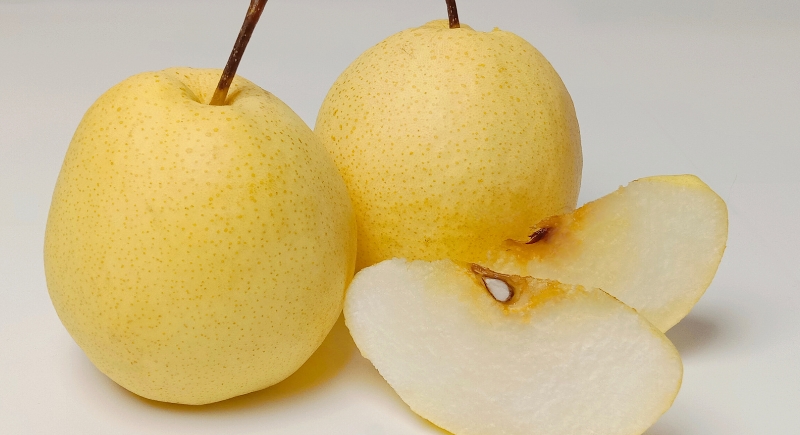
While pears hang untouched on the branch, ripened fruit on the ground quickly draws attention and alters movement through orchards overnight. By morning, the evidence is obvious. When the fallen supply disappears, interest fades just as fast, making pears a brief but predictable part of the cycle.
Blueberry
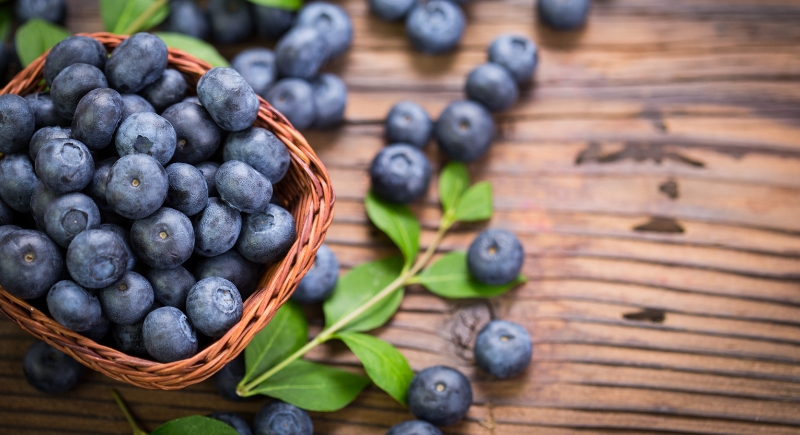
Credit: Getty Images
Size is the advantage here, as blueberries fit into the diets of animals that couldn’t manage larger fruit at all. Birds swallow them whole, while smaller mammals forage without effort. Their short growing season also matters. When blueberries ripen, animals focus on them heavily, then move on once the bushes are empty.
Strawberries
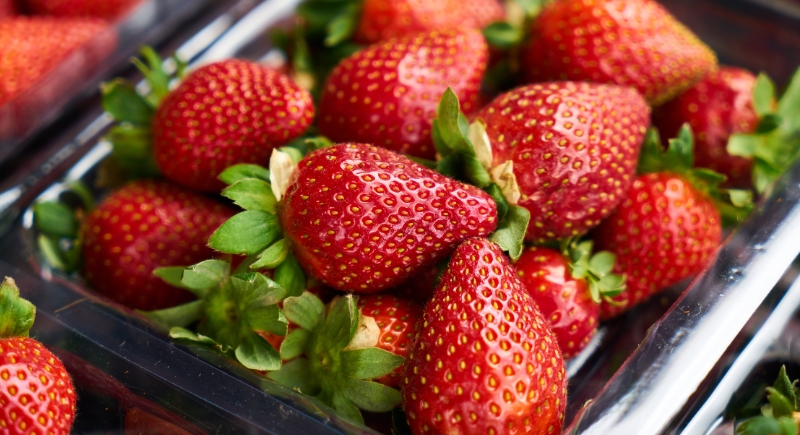
Credit: pexels
Strawberries vanish quickly once they ripen, often before anyone notices they’re ready. Their color does the advertising, especially in open fields and gardens. What happens next depends on timing. By the end of a harvest day, little is left except flattened leaves and stems, evidence of how briefly they last.
Watermelon
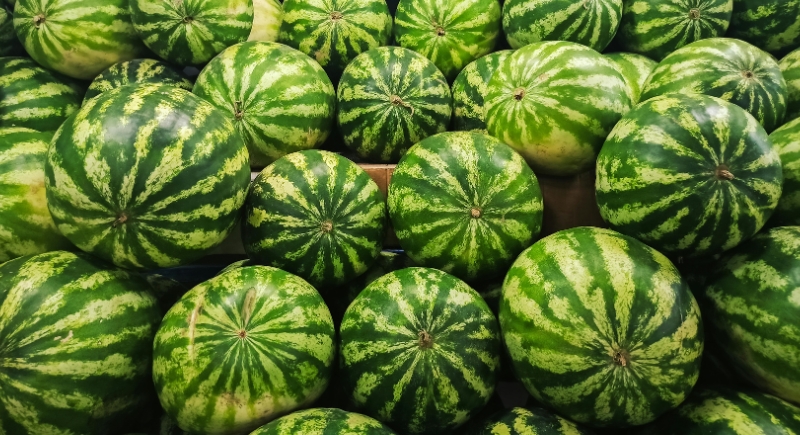
Credit: pexels
During extreme heat, watermelon acts more like a hydrating agent than a snack. Sanctuaries and farms often offer it during heatwaves because animals absorb water as they eat. Dogs crunch through chilled cubes, while larger animals work through the rind with ease. Interest drops once temperatures cool, but on the hottest days, watermelon gets noticed right away.
Raspberries
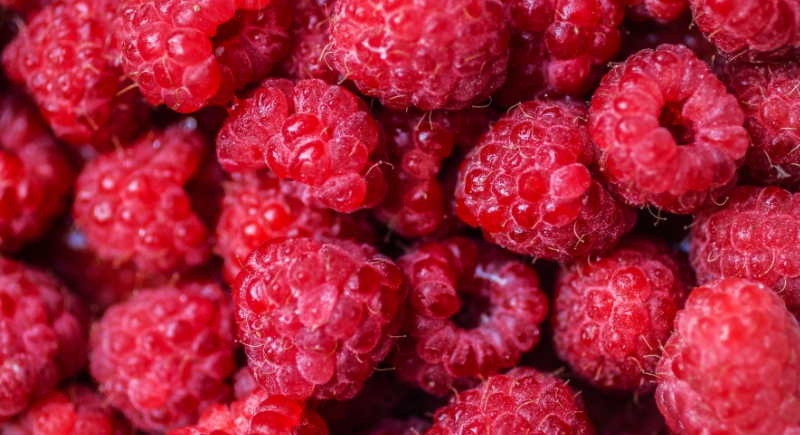
Credit: pixabay
These berries offer a sharper taste than most fruits, which limits the amount that can be eaten at once. Their lower sugar content makes them easier to incorporate into small treats, although quantities remain modest. While they contain trace compounds that raise questions online, typical servings don’t pose the same concerns as artificial sweeteners.
Mango
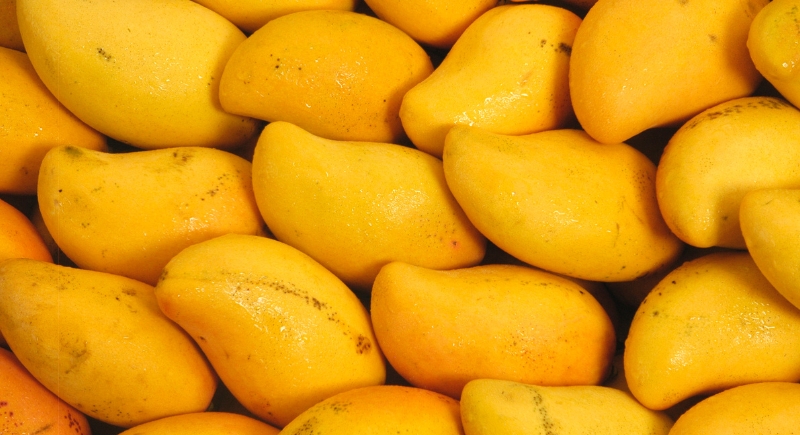
Credit: pixabay
Mango draws attention before it’s even tasted. Once the skin is cut, the smell carries far enough to interest animals that may not recognize the fruit at all. Primates tend to handle it cautiously, while dogs do better with small amounts. Because mango is seasonal, it remains an occasional curiosity rather than a regular part of feeding routines.
Papaya
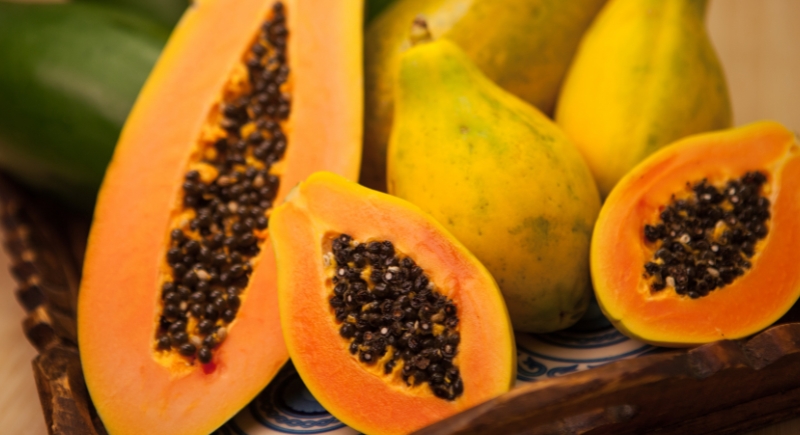
Credit: Getty Images
In regions where it grows naturally, papaya becomes a familiar option rather than a novelty. The flesh gives easily, which helps animals with low appetites or sensitive digestion. Caretakers remove the seeds and skin, keeping portions small so the strong flavor doesn’t overwhelm regular feeding routines.