Your Cat Might Actually Be a Genius if It Belongs to This Breed
Cats have a reputation for doing exactly what they want. That independence can make it easy to miss how much they notice and remember. Research shows that cats can recognize their names, follow pointing gestures, track hidden objects, and even sense daily routines with surprising accuracy.
Some breeds show these abilities in ways you can clearly see at home. Feline intelligence rarely looks like strict obedience. It usually manifests as curiosity, problem-solving, and a steady awareness of what is happening in their environment.
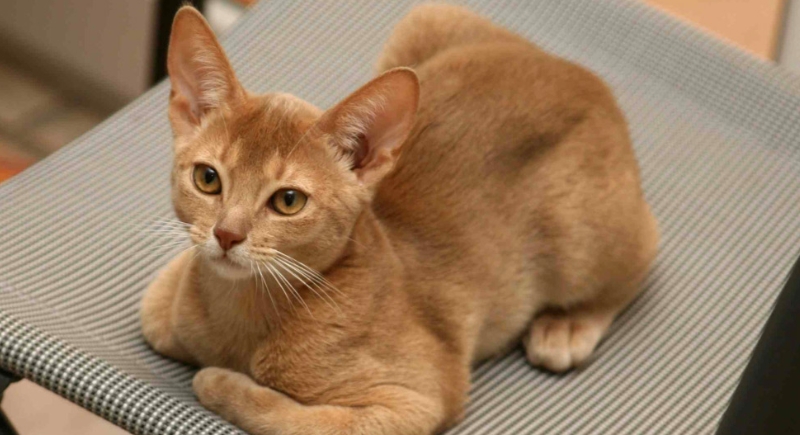
Abyssinian
Credit: Wikimedia Commons
Height rarely intimidates this breed. Abyssinians actively seek elevated vantage points and track household movement from above. They move quickly through agility-style obstacles and pick up new tricks without prolonged repetition. Their ability to adapt to new living arrangements and coexist with other animals reflects flexible thinking rather than a reliance on routine.
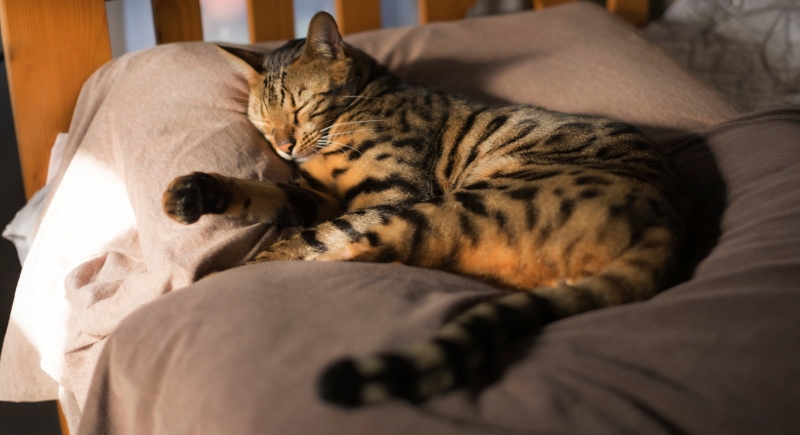
Bengal
Credit: Canva
A Bengal’s paws function almost like hands. Many learn to flip switches, slide open drawers, and investigate aquariums with careful focus. Descended from crosses with the Asian leopard cat, they retain a strong prey drive paired with problem-solving ability that demands structured play and room to roam.
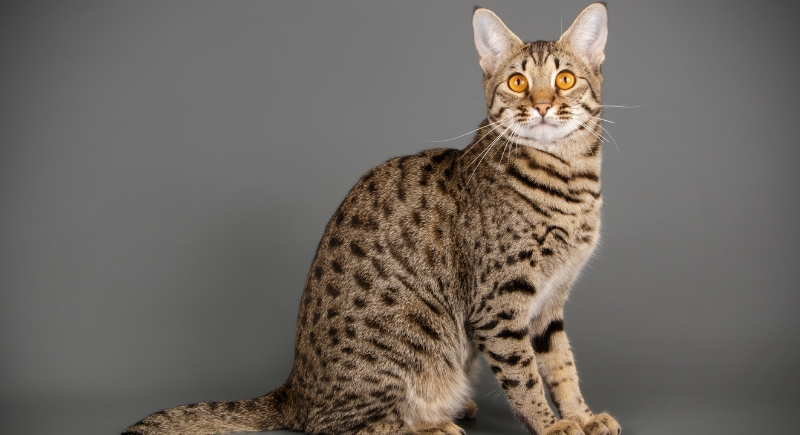
Savannah
Credit: Getty Images
The Savannah carries traces of its serval ancestry in both build and behavior. Cabinets, faucets, and high shelves rarely go unexplored. Many take to leash training with surprising ease and respond well to structured routines. Their curiosity is persistent and tends to intensify in environments that lack stimulation.
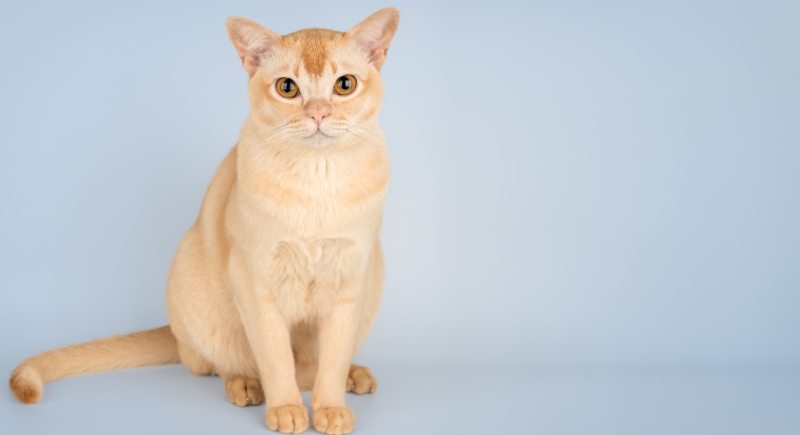
Burmese
Credit: Canva
Burmese cats approach training with steady attention. Sit, roll over, and fetch are common additions to their repertoire. They often respond to their names and adapt well to car travel when introduced early. Their social focus makes them attentive students who seem to enjoy predictable interaction.
Siamese
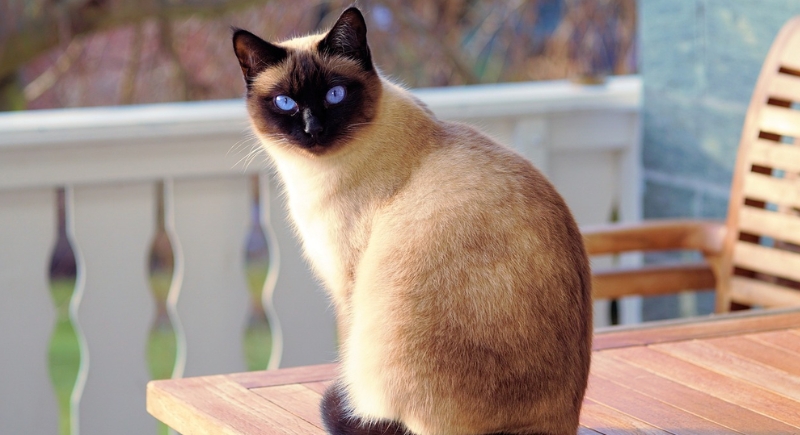
Credit: Wikimedia Commons
Few breeds communicate as directly as the Siamese. They vocalize to comment on daily routines and quickly notice shifts in household patterns. Puzzle feeders and climbing structures hold their interest longer than passive toys. Their awareness of human cues suggests memory and recognition rather than simple habit.
Balinese
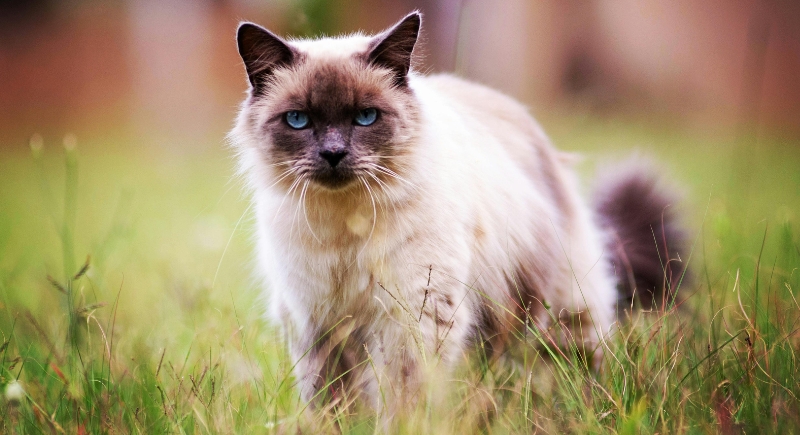
Credit: pexels
The Balinese shares ancestry with the Siamese and mirrors much of its perceptiveness. They follow household activity closely and react to subtle changes in tone or timing. Fetch and leash walking are common skills. Without engagement, their curiosity often turns toward opening drawers or inspecting shelves.
Cornish Rex
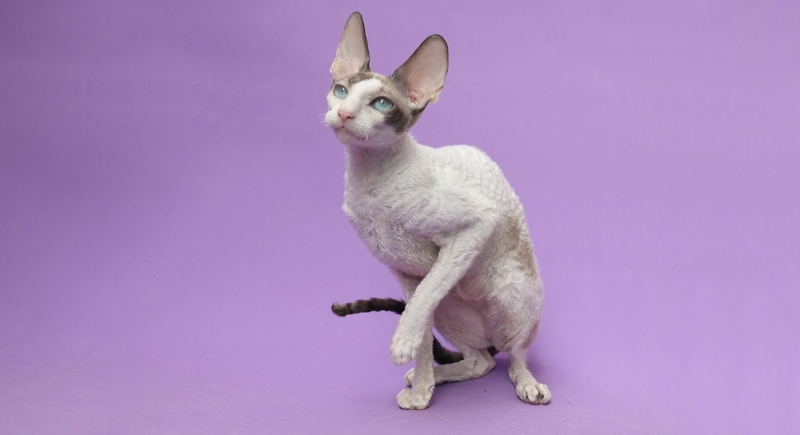
Credit: Wikimedia Commons
Long toes and flexible bodies give the Cornish Rex unusual dexterity. Doors and cabinets sometimes require childproof latches after repeated experimentation. Playfulness carries into adulthood, and interactive games maintain their attention far beyond kittenhood. They appear to treat mechanical challenges as puzzles to be solved.
Korat
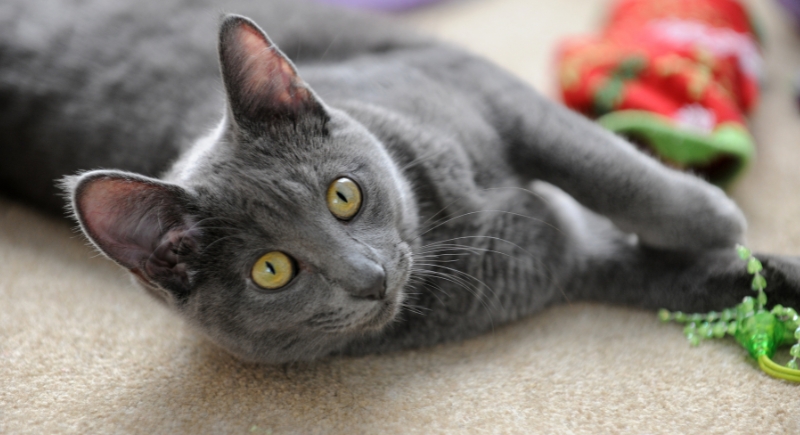
Credit: Getty Images
Attention to human feedback sets the Korat apart. Praise and treats reinforce behaviors such as fetch or leash walking with reliable results. Their energy level stays moderate, yet their attention remains sharp. Many owners describe them as observant companions rather than constant entertainers.
Singapura
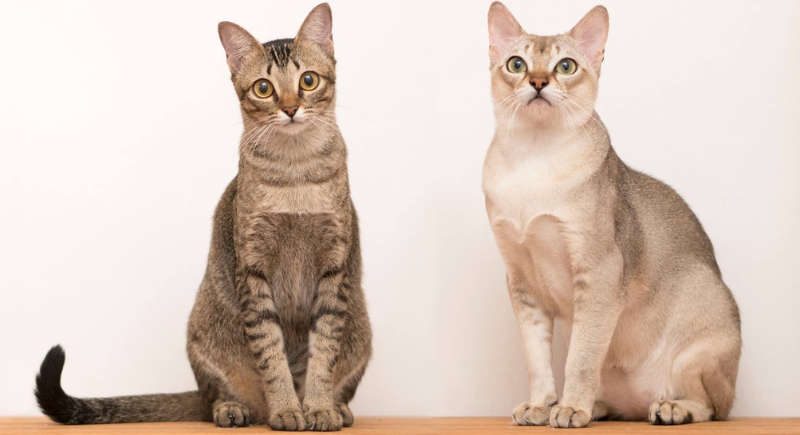
Credit: Wikimedia Commons
Small in size yet highly alert, the Singapura inserts itself into daily routines with enthusiasm. Vertical climbing comes naturally, and moving objects rarely escape notice. They often perch on shoulders during chores and monitor activity from elevated spots, and display awareness that feels deliberate rather than random.
Turkish Angora
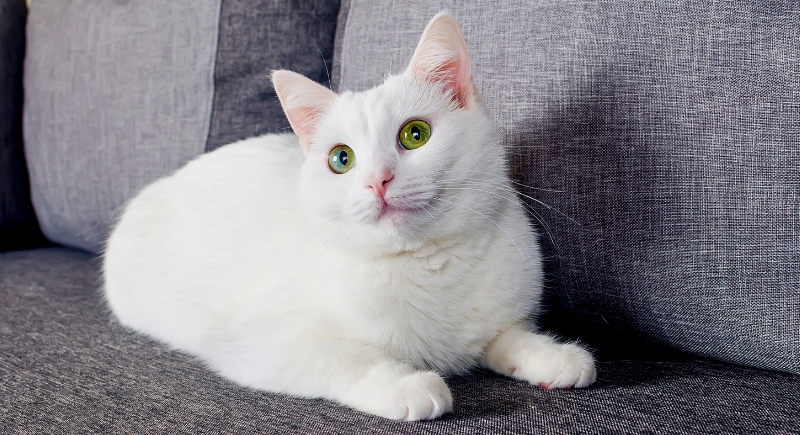
Credit: Canva
Exploration rarely stops with the Turkish Angora. Faucets turn on under curious paws and cabinet doors rarely stay closed. Extended solitude tends to lead to restless behavior. Regular interaction and environmental enrichment keep their focus directed toward structured play instead of household mischief.