Scientists Reveal Behavior That Sets ‘Gifted’ Dogs Apart
Scientists have found that a small number of dogs can memorize and recognize the names of dozens of toys. These “gifted word learner” dogs grow up in homes that look similar to other dogs’ environments, much like human babies learning language. So what makes them different?
To answer that, researchers at the University of Veterinary Medicine Vienna compared 10 gifted Border Collies with 21 typical Border Collies. For two weeks, all the dogs played with both labeled and unlabeled toys. After observing how they interacted and responded, researchers discovered clear behavioral differences that helped explain why some dogs stand out as exceptional word learners.
They Bring You the Toy
Credit: Getty Images
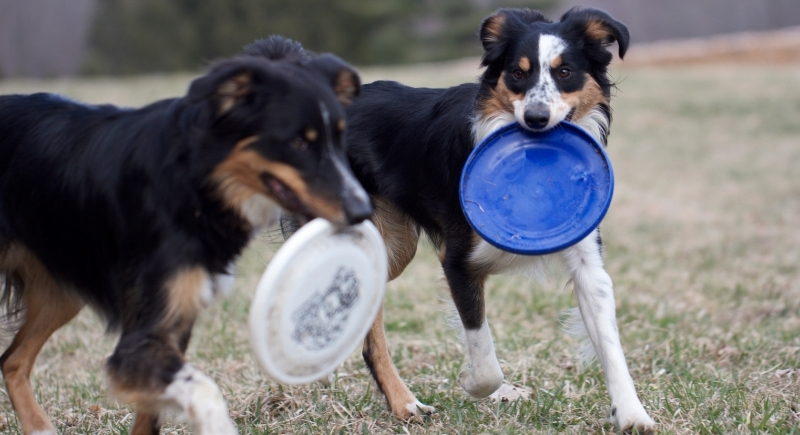
During the study, these gifted dogs consistently picked up toys and brought them to their caregivers, even when the humans avoided them. Regular dogs mostly hung around their owners or leaned against them without initiating any toy-based interaction. Gifted dogs treated the toys as social currency, using them to start games and engage their people. The behavior mirrors how human infants point at objects or hold them up to get adult attention.
Novel Toys Get VIP Treatment

Credit: Canva
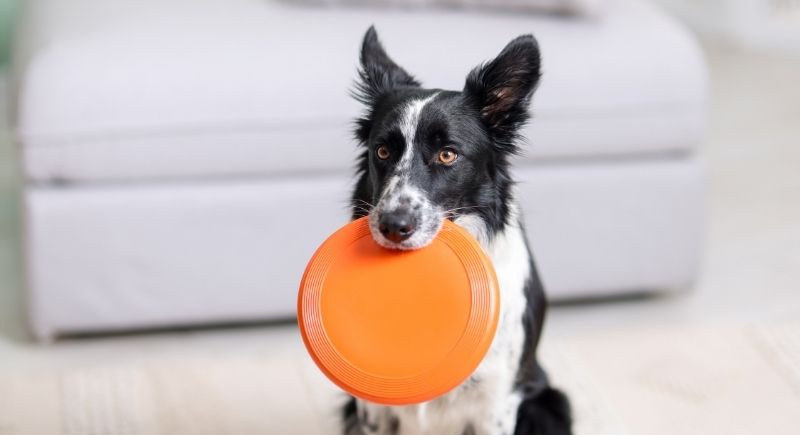
The study included familiar labeled toys, familiar unlabeled toys, and completely novel objects that the dogs had never seen before. When gifted word learner dogs picked up a toy to bring to their caregiver, they most often chose a brand-new one. Typical dogs did not show this pattern. To researchers, gifted dogs possibly wanted the interaction that comes with learning a new name from their owners.
All Dogs Love New Stuff
Credit: iStockphoto
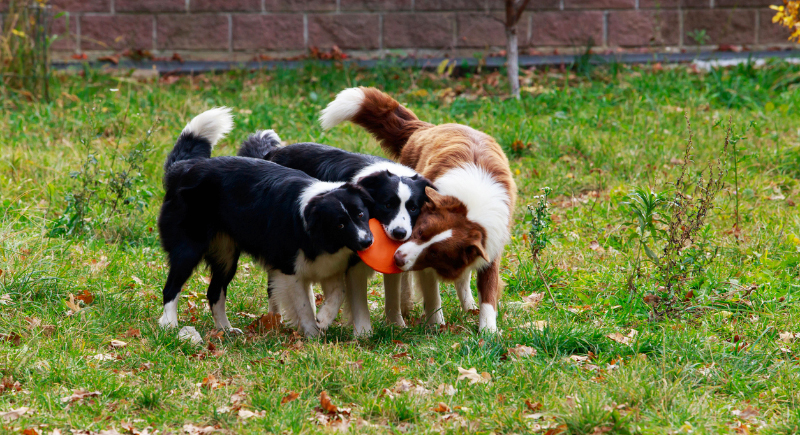
When left alone to explore, both gifted and typical dogs spent more time investigating new toys than familiar ones. This shows that attraction to novelty is a normal form of dog behavior. The key point is that curiosity itself was shared across all dogs. What separated the gifted group was that they were more likely to involve their human in that discovery.
Labels Didn’t Change Exploration Patterns
Credit: Getty Images
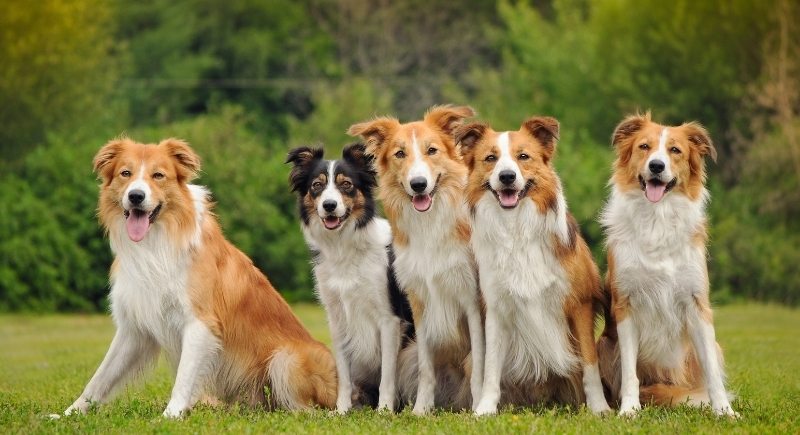
One of the study’s biggest surprises was what didn’t happen. Researchers expected gifted dogs to show greater interest in toys named during play sessions. After all, in human infants, labeling an object increases attention to that object even after the labeling stops. The same effect didn’t occur in both dog groups. The finding suggests that whatever drives vocabulary learning in these dogs probably isn’t due to a heightened cognitive response to labels themselves.
Only Gifted Dogs Actually Learned the Names
Credit: Canva
After two weeks of play with labeled and unlabeled toys, researchers tested whether the dogs had learned any names. The vocabulary assessment involved scattering eight toys on the floor, and the owner asking the dog to fetch specific labeled toys while their view was blocked to prevent accidental cueing. The gifted dogs performed above chance and retrieved the correct toys when asked, while the regular dogs failed.
The Study Used All Border Collies
Credit: Getty Images
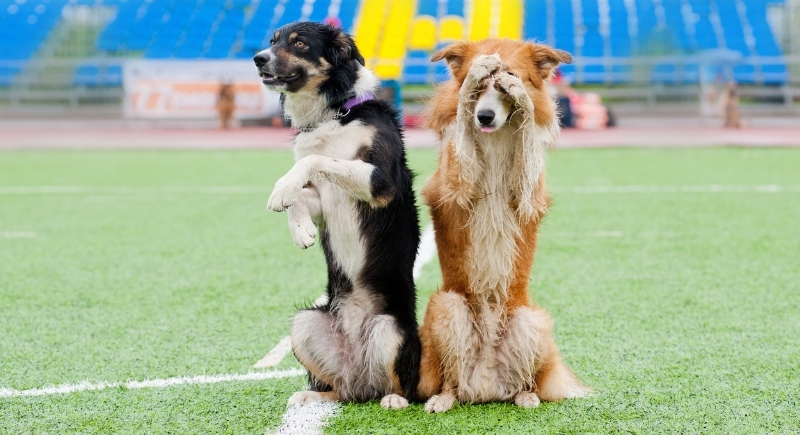
The choice to use only Border Collies was deliberate. Most gifted dogs happen to be of this breed, so using them minimizes genetics as an external influence. Both classes of dogs were toy-motivated and were eight months or older. The controlled breed helped researchers focus on behavioral differences. Still, they acknowledge the findings might not apply to other breeds without further testing.
Social Motivation Might Be the Secret
Credit: iStockphoto
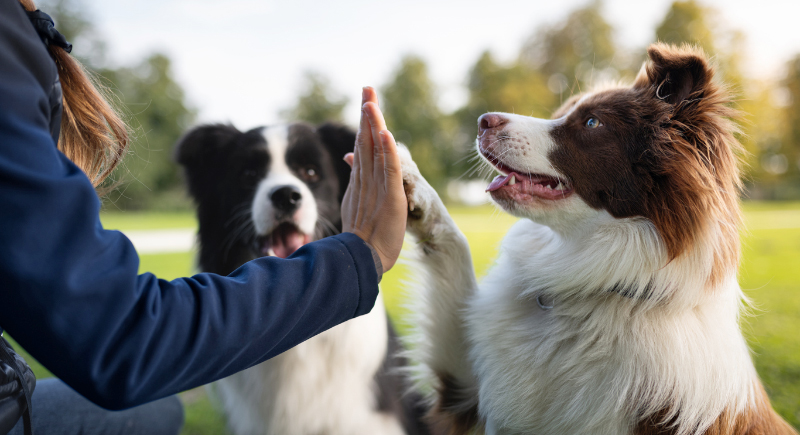
The researchers concluded that vocabulary learning in dogs may be associated with social motivation rather than the process of recognizing objects. Gifted dogs demonstrated a stronger drive to involve humans in object-centered interactions than their counterparts. The distinction matters because language acquisition in human children is done through interaction. If the same principle applies to dogs, then gifted word-learners might possess a stronger desire to communicate about objects with their people.
Experience Alone Doesn’t Explain It
Credit: Canva
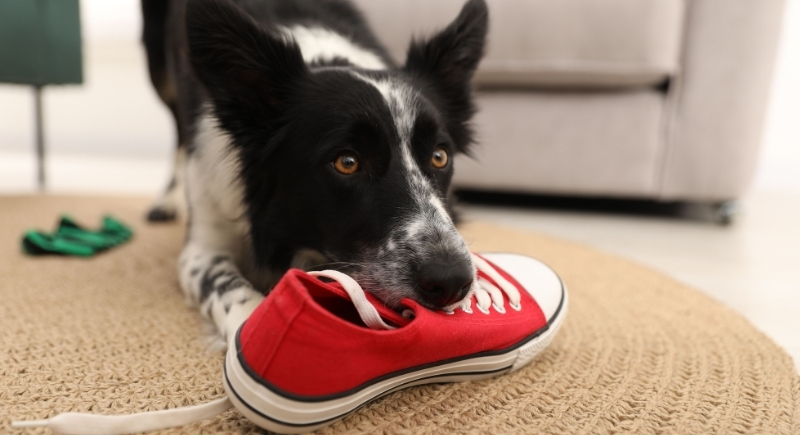
One might think gifted dogs act differently because they’ve spent years playing naming games with their owners, but that doesn’t explain why they brought novel toys to their caregivers during the study. If prior reinforcement was the main factor, they should have favored the familiar toys with the longer play history. The researchers suggest this could indicate these dogs seek social-naming interactions around unfamiliar objects.
The Findings Open New Research Directions

Credit: Canva
This study shifts the scientific conversation away from what gifted dogs think about toys and toward how they relate to humans. Previous research focused on the dogs’ memories, learning speeds, and object discrimination. By reframing vocabulary learning as a social phenomenon rather than a cognitive one, Andrea Sommese and her team created a new framework to help us understand these remarkable dogs.