Good Boy Star Indy the Dog Just Did Something No Animal Actor Has Done Before
Awards season usually follows a familiar pattern.Big films dominate the conversation, critics rally around the same shortlists, and surprises are rare. In 2025, that pattern shifted in an unexpected direction.
A dog named Indy did more than stand out in the horror film Good Boy. He ended up changing the boundaries of what on-screen recognition can include.
Indy, a Nova Scotia Duck Tolling Retriever, became the first animal actor to win Best Performance in a Horror or Thriller at the Astra Film Awards. The category had always been reserved for human performers, which made the decision immediately noticeable across the industry.
How Good Boy Built a Horror Story Around a Dog
Good Boy takes an approach rarely seen in feature films. Directed by Ben Leonberg, the story unfolds entirely through a dog’s point of view. The camera stays close to the floor, rooms feel larger and more threatening, and tension develops through sound, movement, and partial glimpses.
Leonberg did not begin with the intention of making a formal experiment. Indy was his real-life dog, adopted years before the script took shape. As the idea evolved, it became clear that a dog’s way of experiencing the world fit naturally with horror. Dogs sense changes before understanding them. They react to sounds and shifts that humans overlook. That instinctive perspective shaped both the tone and structure of the film.
Production stretched across nearly three years because Indy could only work for short periods each day. Scenes were built around patience and repetition rather than forced reactions. At no point was Indy placed in frightening situations for the sake of a shot. His expressions remain neutral for much of the time, while the emotional weight is conveyed through framing, editing, and sound design. The fear emerges from what the audience brings to those moments.
Winning The Award That Turned Heads
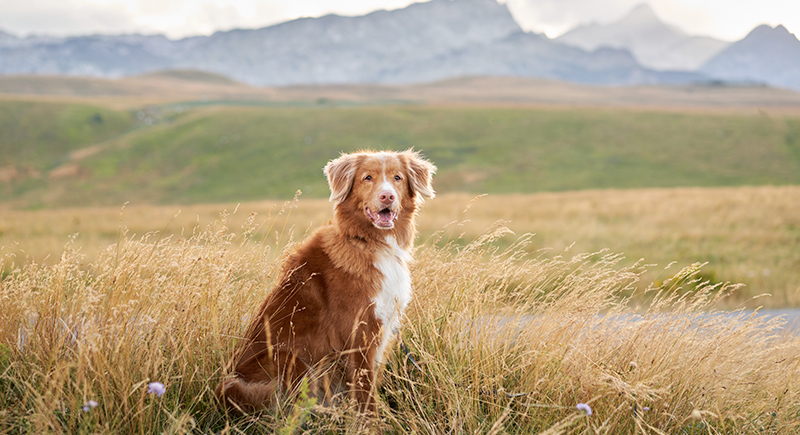
Image via iStockphoto/Anna-av
When Astra nominations were announced, Indy appeared alongside established human actors. When he won, the moment became more than a novelty headline. It marked the first time an animal performance was evaluated directly against human acting in a competitive genre category and awarded the top honor.
The response quickly divided. Some critics questioned whether animals should be considered in acting categories at all. Others noted that cinema has always depended on interpretation. Performance does not require awareness of the camera or intention in the human sense. It depends on what appears on screen and how viewers connect to it.
Audiences stayed with Indy throughout Good Boy. They followed his movements, read emotion into his stillness, and felt tension because his presence grounded the story. That sustained connection is ultimately what the award recognized.
What Indy’s Win Signals for Film Recognition
Animal performances have usually been kept in separate lanes, acknowledged without being measured alongside human acting. Indy’s Astra win broke that divide. His work was judged inside a standard competitive category and evaluated on the same screen-based criteria as any other performance.
Leonberg has noted that the result reflects the full filmmaking process rather than a single element. Meaning in Good Boy comes from framing, timing, and how viewers interpret what they see, not from exaggerated expression.
Whether other awards follow this example remains uncertain. What is clear is that the film sustained attention through a nonverbal lead for its entire runtime. For a small horror project built slowly around one dog’s perspective, that accomplishment speaks for itself.