10 Things Your Guinea Pig’s Squeaks Actually Mean
Guinea pigs are small animals with big opinions, and squeaks are the fastest way they share them. These sounds typically begin early, often within two weeks of birth, and continue throughout the day. Each noise carries a specific message related to mood, comfort, health, or social cues. Once the sounds start to make sense, daily life with a guinea pig becomes easier to read and more fun to observe.
Wheeking

Credit: Canva
This is the loud, rising squeak that typically begins around feeding time. Wheeking is strongly linked to humans, since researchers have not documented it in wild guinea pig groups. The sound often starts low and builds in intensity as excitement rises, especially when vegetables appear or a fridge door opens. Many guinea pigs wheek simply because they expect food at a particular hour, which shows how closely sound and routine are connected.
Chutting

Credit: pexels
Chutting sounds like soft, steady muttering. This noise signals contentment during activities like exploring a room, eating hay, or relaxing near a familiar companion. During lap time, chutting means the guinea pig feels safe enough to stay relaxed instead of alert. After all, they are prey animals that are usually prepared to flee.
Shrieking

Credit: Getty Images
Shrieks are impossible to ignore. This sound signals fear or pain and often comes in bursts. Guinea pigs shriek when startled, trapped, or hurt, and the sound is meant to trigger immediate attention. A quick check of the environment and the body helps rule out injuries or threats, since ignoring this noise can delay needed care.
Low-Pitched Purring

Credit: pexels
This noise typically occurs when a guinea pig feels secure, often while being gently petted or resting with its legs stretched out. Closed eyes sometimes accompany this sound, which indicates trust because guinea pigs usually stay visually alert. Calm purring shows the nervous system has shifted into a relaxed state.
High-Pitched Purring

Credit: iStockphoto
When it comes to tighter, higher purrs, they carry a different meaning. This version often pairs with a stiff posture and limited movement, which suggests irritation or stress. Guinea pigs use this sound when handling feels unwelcome or when their surroundings feel overwhelming. Giving space usually helps the sound fade as tension drops.
Rumbling
Credit: pixabay
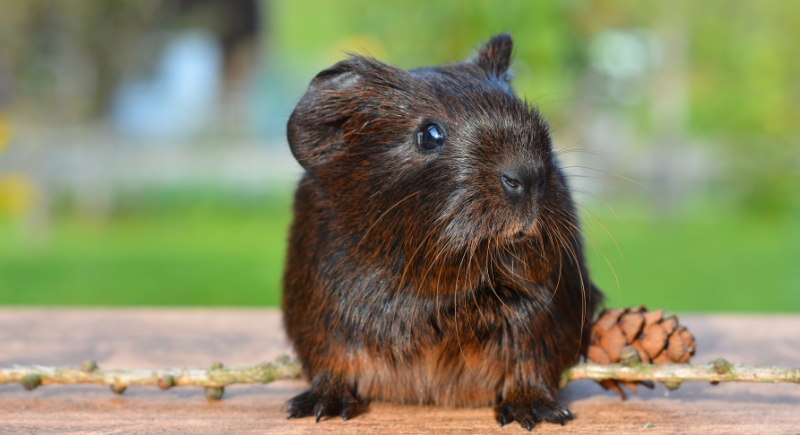
Male guinea pigs use rumbling to assert dominance or impress a potential mate, often while swaying their hips in a behavior known as rumble strutting. Females also experience rumbling during their reproductive cycle, which occurs roughly every 16 days. This sound, which helps maintain clear social roles within a group, is a deeper vibration associated with social ranking and courtship.
Teeth Chattering

Credit: iStockphoto
If your guinea pig is angry or anxious, you might hear this noise. It appears right before a fight. Guinea pigs chatter when boundaries are crossed, especially during disagreements over space or resources. Spotting this sound early gives time to separate animals before conflict escalates.
Hissing

Credit: iStockphoto
As a defensive warning to others to back off, a guinea pig may puff up its fur and hiss to look larger and more intimidating. This sound is less common than wheeking or chutting, but it clearly communicates discomfort. Leaving the guinea pig alone usually prevents further stress.
Chirping

Credit: pexels
Almost identical to birdsong, chirping sounds are extremely rare, though they’re one of the most talked-about guinea pig sounds. Some owners report hearing it during quiet moments at night. The exact meaning remains unclear, though theories about this mysterious sound include alert behavior or emotional stress.
Whining and Grunting

Credit: iStockphoto
Whining is a softer complaint linked to discomfort, such as unwanted handling or mild pain. Persistent whining may suggest a health issue worth checking. Grunting is louder and more aggressive, often signaling a fight between guinea pigs. Both sounds highlight how vocal changes can flag physical or social problems early.