10 Healthiest Cat Breeds That Need Few Vet Visits
Cats have shared our homes for over 10,000 years. Today, they’re the second most popular pet in America, with millions of feline friends curled up in living rooms across the country. While some of the 73 standardized breeds and crossbreeds might struggle with conditions that sometimes translate to expensive treatments, these ten breeds won’t have you ringing the vet too often.
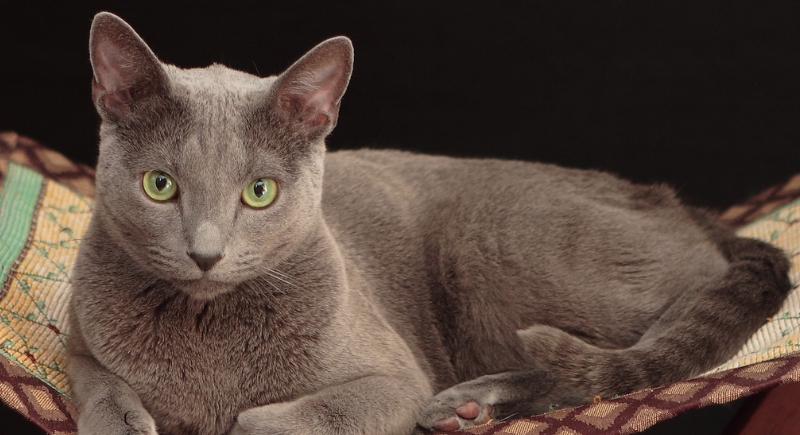
Russian Blue
Credit: Wikimedia Commons
With a lifespan stretching 15 to 20 years, Russian Blues have earned their reputation as one of the healthiest feline breeds around. Their dense, plush double coat and striking green eyes make them distinctive, while their naturally athletic temperament reduces the risk of obesity. They form strong bonds with their owners, and they don’t need extensive grooming.
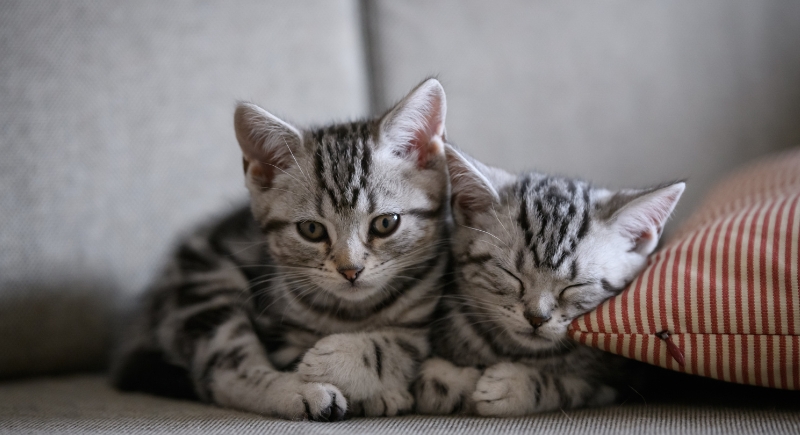
American Shorthair
Credit: Getty Images
American Shorthair cats built their reputation in barns and warehouses. That working background left them muscular and less prone to some inherited diseases. A short coat reduces grooming issues, while steady energy reduces the risk of obesity. With balanced diets and routine play, they sometimes reach 15 to 20 years.
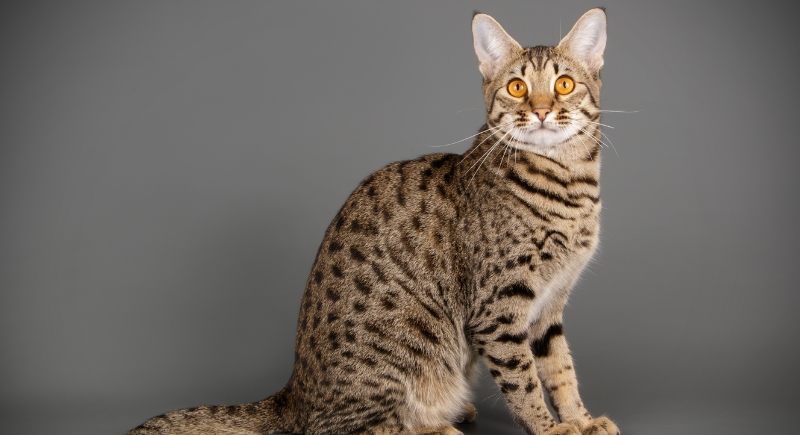
Savannah
Credit: Getty Images
The cross between domestic cats and wild servals produces cats with remarkable athleticism and an exotic appearance. Their high energy levels and muscular build require regular exercise and mental stimulation to keep them in excellent physical condition. While their hybrid background doesn’t confer special disease resistance, their active lifestyle promotes overall wellness.
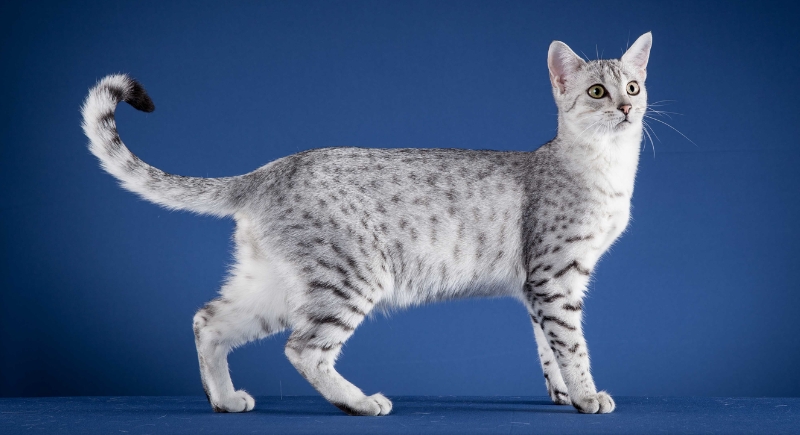
Egyptian Mau
Credit: Wikimedia Commons
The Egyptian Mau ranks among the fastest domestic cats, clocking speeds up to 30 miles per hour. Their naturally occurring spotted coat pattern sets them apart as one of the few breeds that exhibit this marking without significant selective breeding. Most live 12 to 15 years, and while they have a lower prevalence of major hereditary diseases than some breeds, they’re not entirely free of genetic health concerns.
Burmese
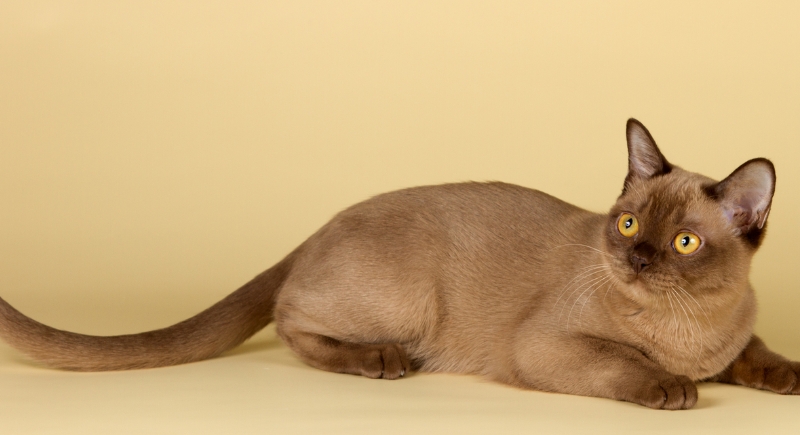
Credit: Wikimedia Commons
Burmese cats trace their lineage to a single female named Wong Mau, imported to America in 1930. Despite this narrow origin, careful outcrossing broadened their gene pool over subsequent generations. Their compact, muscular bodies and moderate build avoid some of the structural issues seen in more extreme body types. These affectionate cats often live 16 to 20 years, though responsible breeders screen for conditions like hypokalemia to maintain the healthiest lines possible.
Siamese
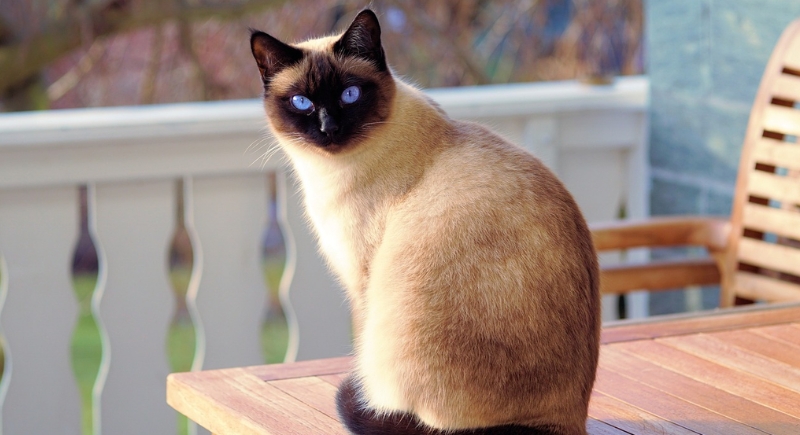
Credit: Wikimedia Commons
Traditional Siamese cats have a body shape that many veterinarians consider structurally balanced. Their wedge-shaped heads support normal breathing, unlike flatter-faced breeds. They can inherit issues such as progressive retinal atrophy, but careful breeders test for these risks. That well-known talkative personality usually comes from a cat built to stay comfortable through a 15 to 20-year lifespan.
Maine Coon
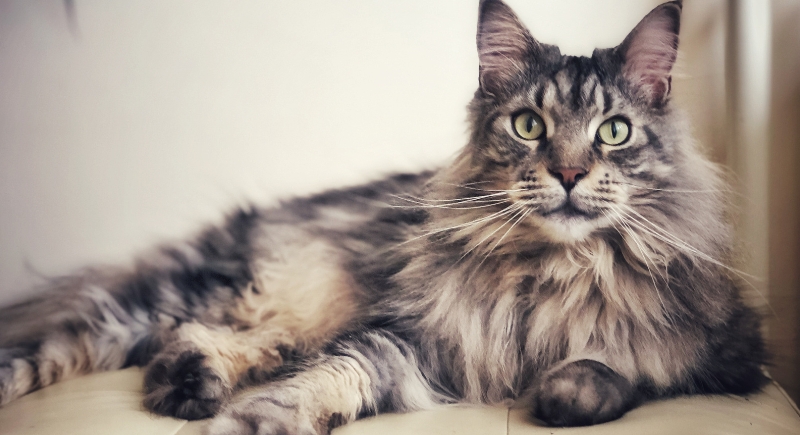
Credit: Getty Images
Responsible breeders screen Maine Coons for hip dysplasia and hypertrophic cardiomyopathy, conditions linked to the breed. Their large size often develops naturally and gives them a sturdy skeletal structure compared with artificially miniaturized breeds. When breeders put health testing first and follow veterinary standards, these gentle giants can live up to 15 years.
Norwegian Forest Cat
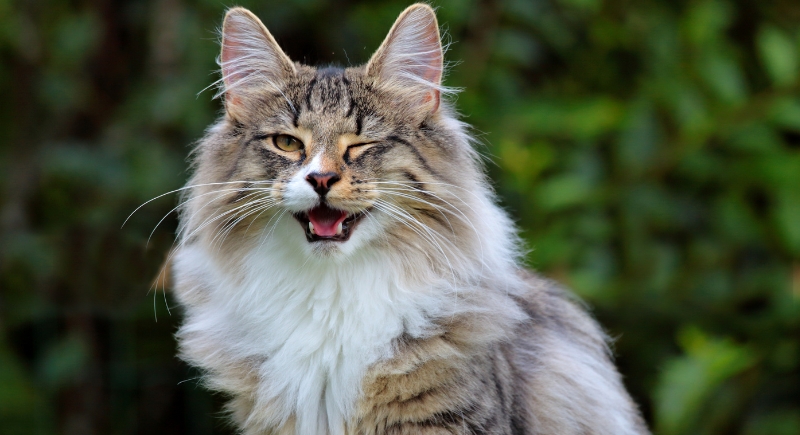
Credit: Getty Images
Natural development in harsh Scandinavian landscapes favored tough bones and efficient metabolisms in this breed, and that resilience follows the Norwegian Forest Cats indoors. Their thick, water-resistant double coats handle temperature changes well without constant care. While they can face some hereditary conditions, such as glycogen storage disease, responsible breeding practices keep documented problems to a minimum. Paired with regular exercise, balanced diets, and routine checkups, their lifespans can reach between 14 and 16 years.
Bengal
Credit: Canva
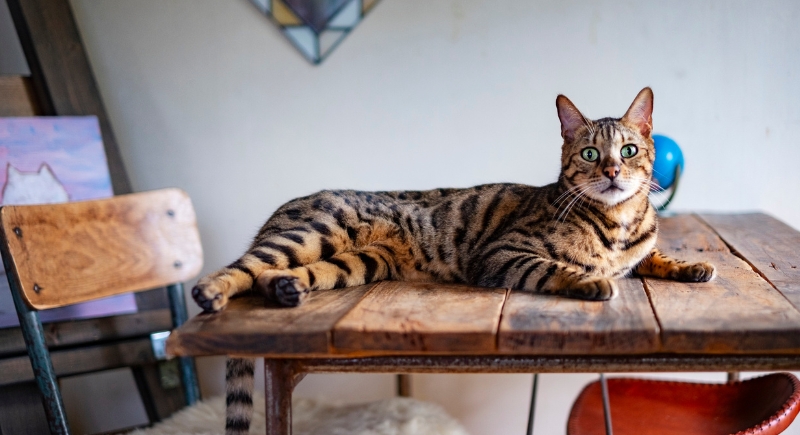
Athletic prowess and muscular build give Bengals an active lifestyle that lasts throughout their 12 to 16-year lifespan. This breed shares some genes with the Asian leopard cat, contributing to their distinctive spotted or marbled coat patterns. Their energetic nature reduces the risk of weight gain, which is a common cause of health problems in sedentary breeds. While they should be screened for conditions like hypertrophic cardiomyopathy and progressive retinal atrophy, Bengals also have short coats, which make grooming easier and reduce coat-related issues.
Oriental Shorthair
Credit: Wikimedia Commons
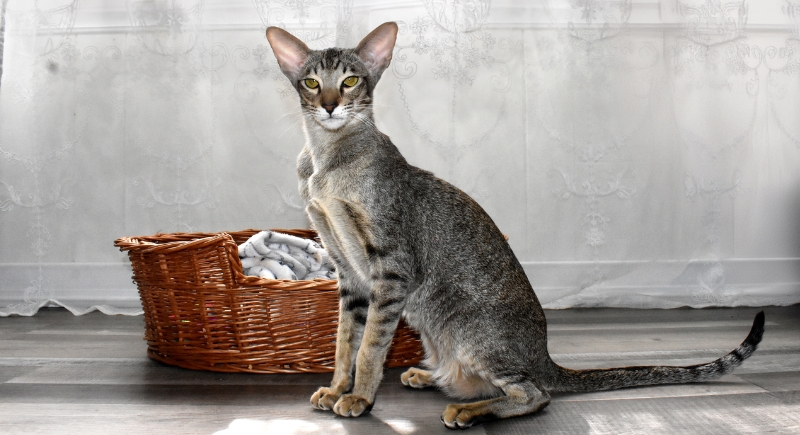
A shared ancestry with Siamese cats gives Oriental Shorthairs a similar health profile. Their slender builds stay fit through constant motion, and owners will appreciate their short coats, which means lower grooming demands. Mental stimulation matters, since boredom can trigger stress behaviors. With engagement and care, lifespans usually fall within 12 to 15 years in stable homes supported by ethical breeding, veterinary screening, and enrichment practices.