“Healthy” Dog Food Brands That Vets Secretly Hate
A bag can say all the right things, look spotless on the shelf, and still land on the wrong side of veterinary advice. Many pet food brands contain ingredients that sometimes rely on cheap fillers, have low meat content, and are linked to heart problems. That’s why some brands marketed as healthy end up being the ones vets warn people about. The surprising part is how often these foods look totally fine at first glance. Once the ingredients get a closer look, the shine comes off pretty fast.
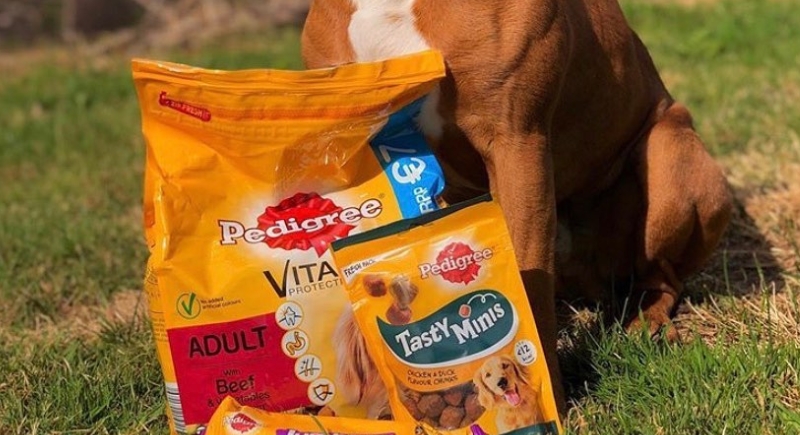
Pedigree Vital
Credit: Instagram
Pedigree Vital is primarily cereal-based, even though dogs require high-quality proteins for muscle repair and healthy skin. The meat content is 7.2%, which is far below what most veterinarians prefer to see. Its carb level reaches 82%, and diets high in carbs can lead to weight gain, weak muscle development, and sluggish behavior.
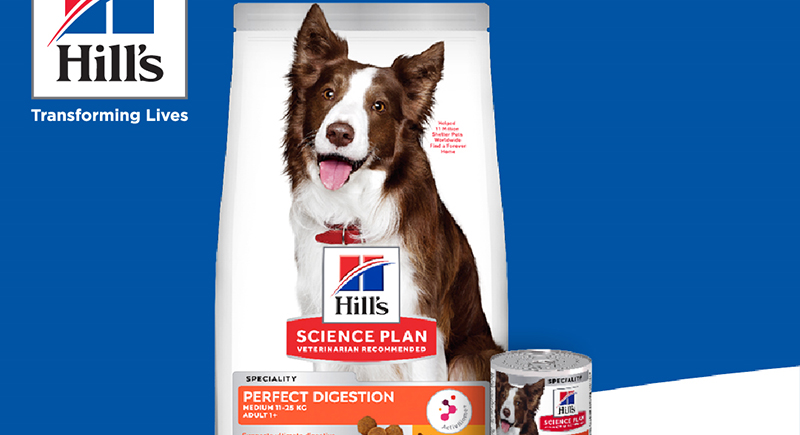
Hills Science Plan Perfect Digestion Adult 1+
Credit: Instagram
Dogs with sensitive stomachs usually do best with simple, digestible proteins; however, this formula relies on wheat, maize, rice, and oats. High grain loads can be tough on sensitive dogs and can contribute to bloating, gas, diarrhea, and constipation.
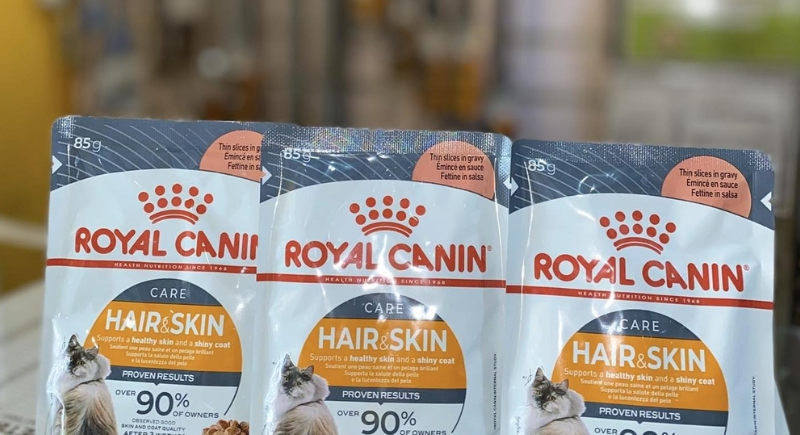
Royal Canin Skin Care
Credit: Facebook
Skin issues often connect to allergies, and grain-heavy diets can make things worse for sensitive dogs. The first three ingredients in this dog food are maize, gluten, and rice, so it’s more carb-focused rather than protein-centered. Royal Canin Skin Care does include omega fatty acids, which help alleviate inflammation, but the high grain content still raises concerns for dogs that are sensitive to these ingredients.
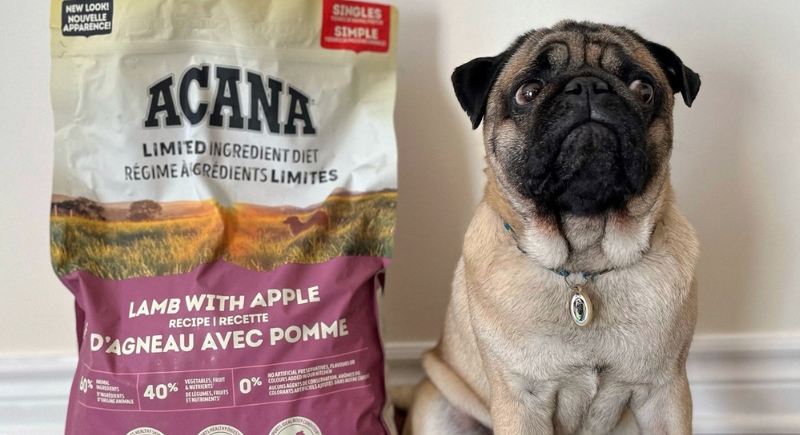
Acana
Credit: Facebook
Acana appears on the FDA’s list of grain-free foods linked to canine dilated cardiomyopathy. The cases associated with these foods ranged from 10 to 67 per brand, and Acana had the most. The FDA isn’t telling owners to stop feeding it yet, but many veterinary cardiologists advise switching to grain-inclusive diets until more is understood.
Bakers Senior
Credit: Facebook
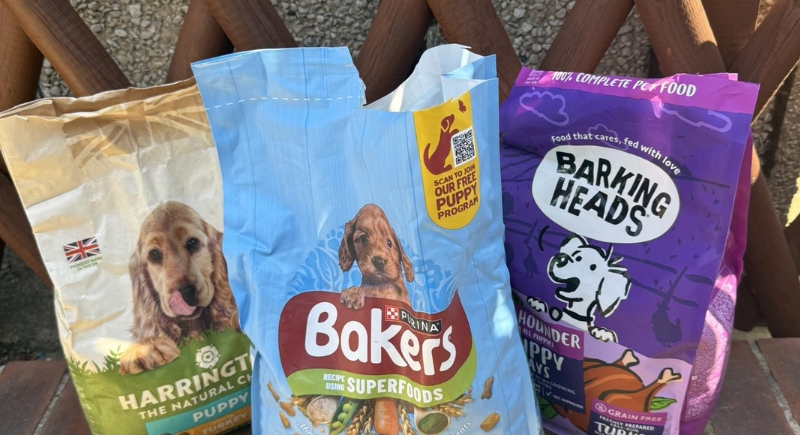
Older dogs often struggle with weight gain, so they do best with lower-carb content and higher-quality proteins. This recipe contains 52% whole grains and only 5.1% meat, listed as “meat and animal derivatives.” It also doesn’t include any supplements that support joints and energy levels, which leaves older dogs without the extra help they usually need.
Zignature
Credit: Facebook
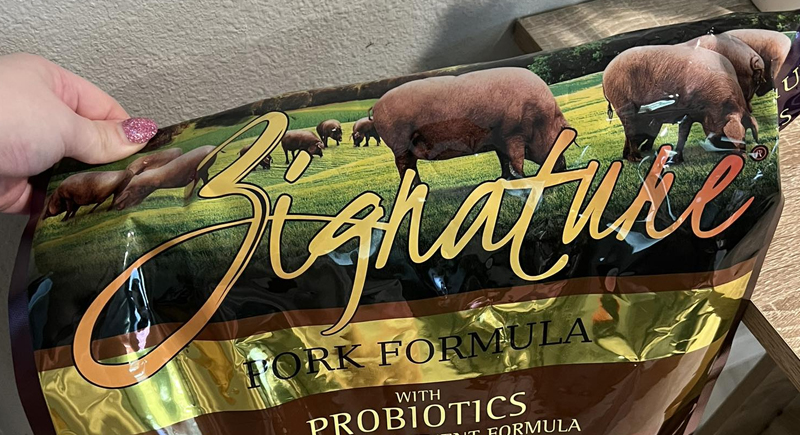
Grain-free Zignature often uses peas, lentils, and other pulse ingredients as its primary carb sources. Vets have noticed heart issues in dogs eating foods like this, especially when there’s no medical need for a grain-free diet. Early changes in heart function can be silent, which is why many cardiologists recommend avoiding foods like this one.
Harrington’s Puppy
Credit: Instagram
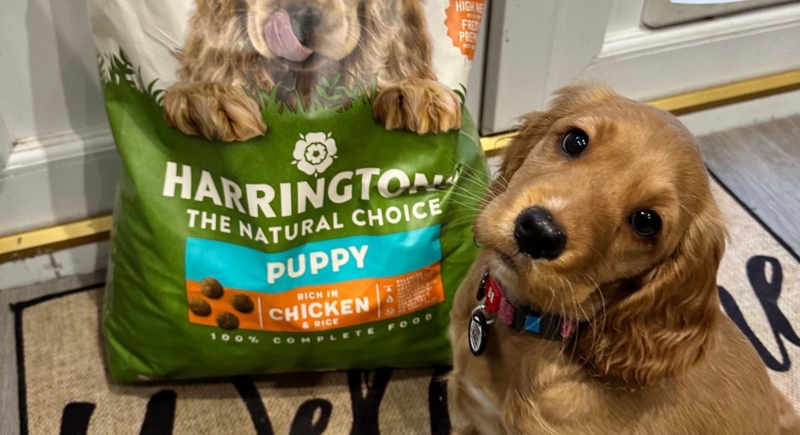
This food lists meat meal as its primary ingredient. Meat meal is made from rendered animal parts, and that process can reduce nutrient availability. Harrington’s Puppy also doesn’t specify which meats are used, which makes it harder for owners to identify allergens or track reactions. Puppy diets need consistency, and this formula doesn’t always offer it.
Taste of the Wild
Credit: Facebook
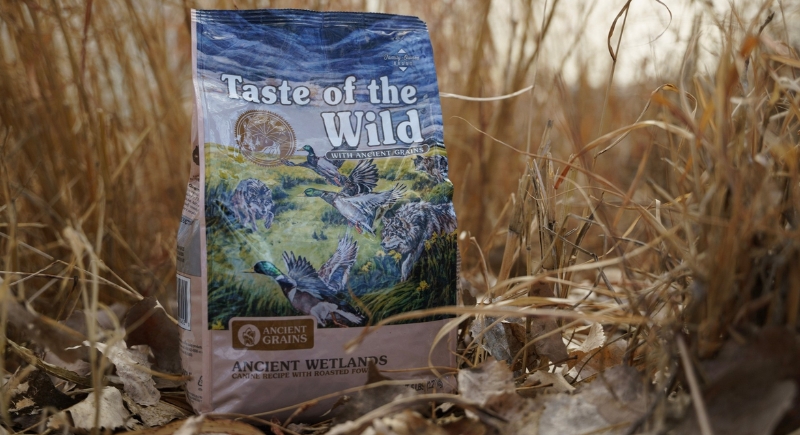
Flagged during the FDA investigation, this grain-free product utilizes potatoes and legumes as substitutes for grains. Some dogs developed DCM while eating it, and smaller breeds began showing signs of heart issues that usually appear in large breeds. These cases pushed vets to take the risks of grain-free diets more seriously.
Blue Buffalo
Credit: Facebook
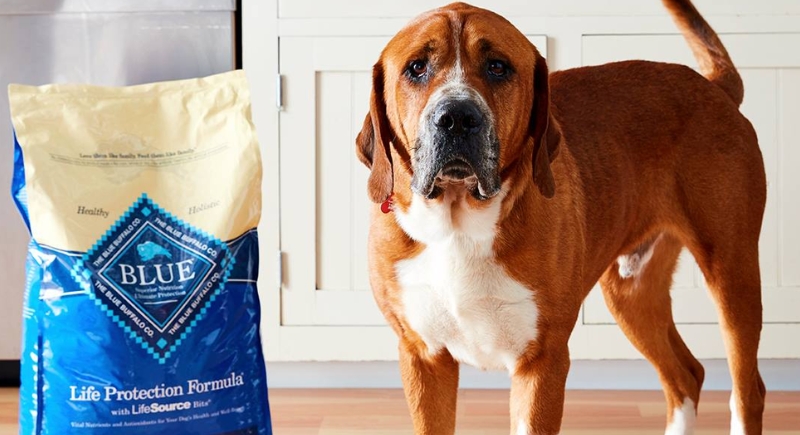
Blue Buffalo gained a reputation for being wellness-focused, but the formulas were grain-free recipes that relied on ingredients such as peas, potatoes, and others, and were linked to DCM. Unless a dog has a proven grain allergy, these substitutes may be an unnecessary risk.
Rachael Ray Nutrish
Credit: Facebook
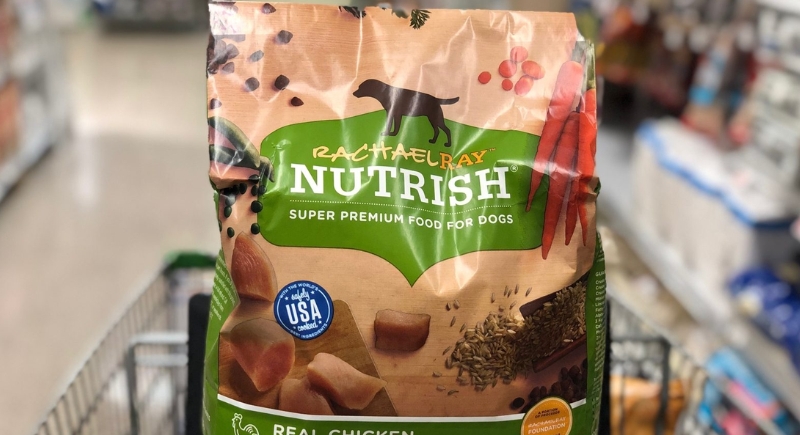
This brand’s grain-free recipes often use chickpeas, lentils, and peas. Veterinarians who have observed subclinical heart changes in dogs consuming grain-free diets sometimes recommend avoiding such foods until long-term data is clearer.