Heartwarming News About Pets That No One Is Talking About
Good news about pets rarely trends, but it keeps happening anyway. While loud headlines chase conflict, subtle changes are reshaping how animals are treated in everyday life. Across cities, countries, and courtrooms, policies are shifting by focusing on systems rather than one-off rescues. Here are 10 heartwarming developments about pets and animals that deserve more attention.
Netherlands Cat Breed Ban
Credit: Canva
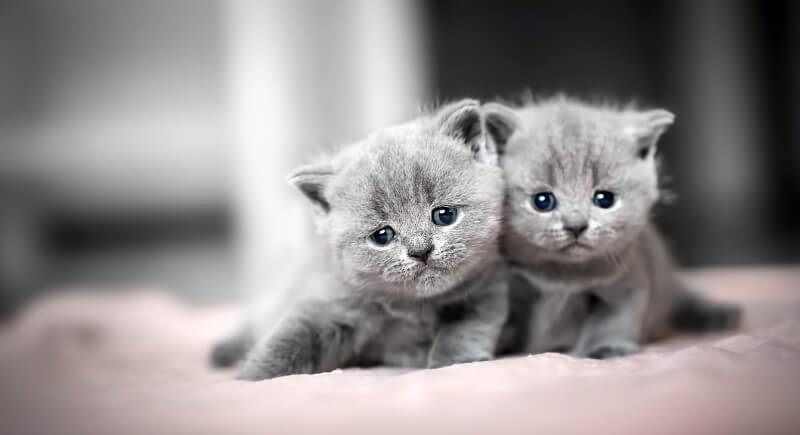
Starting in 2026, the Netherlands will prohibit breeding certain cat breeds linked to chronic genetic pain. The policy targets traits that cause lifelong suffering, including folded ears associated with cartilage disorders. Scottish Folds are the most cited example. Existing cats remain legal to own. The focus is on stopping future harm.
Amsterdam Canal Cat Staircases
Credit: Instagram
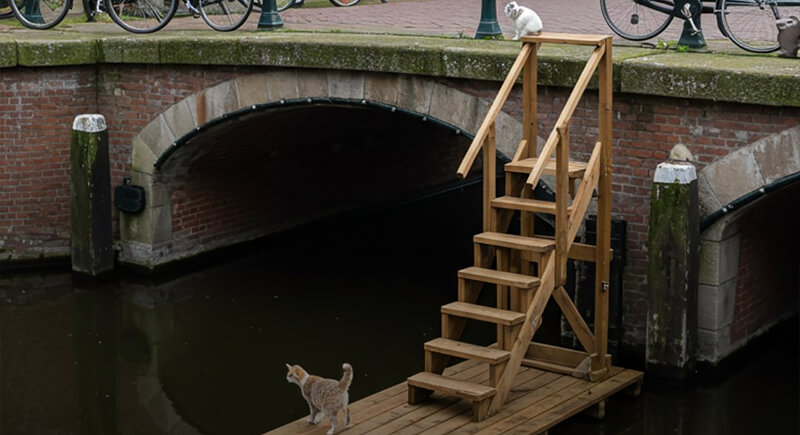
Investing €100,000 or roughly $120,000 to install small escape staircases along Amsterdam’s canals gives cats and other animals a way out after falling into the water. The city’s canals are steep, slippery, and dangerous for animals without exit points. The staircases are placed where incidents happen most often, based on rescue data.
Hungary Thermal Shelters for Stray Dogs
Credit: Facebook
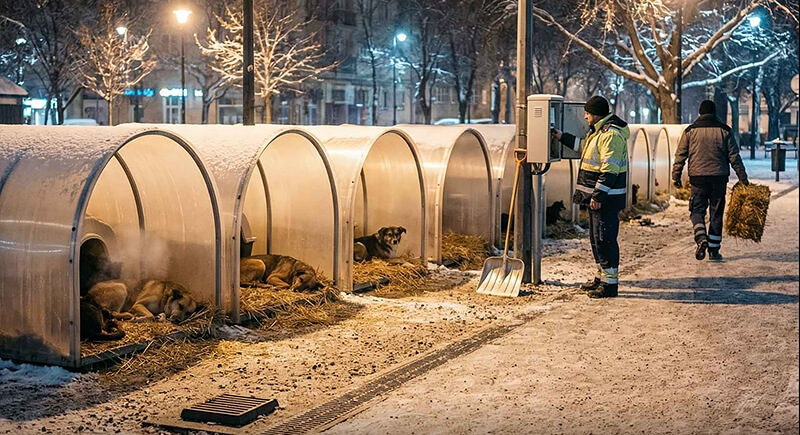
To protect stray dogs during extreme winter cold, Hungary has installed insulated thermal shelters. The shelters use enclosed designs that retain heat without electricity. They are placed in areas where street dogs commonly gather. Local animal welfare groups monitor usage during freezing conditions.
Mexico Ends Marine Animal Shows
Credit: Wikimedia Commons
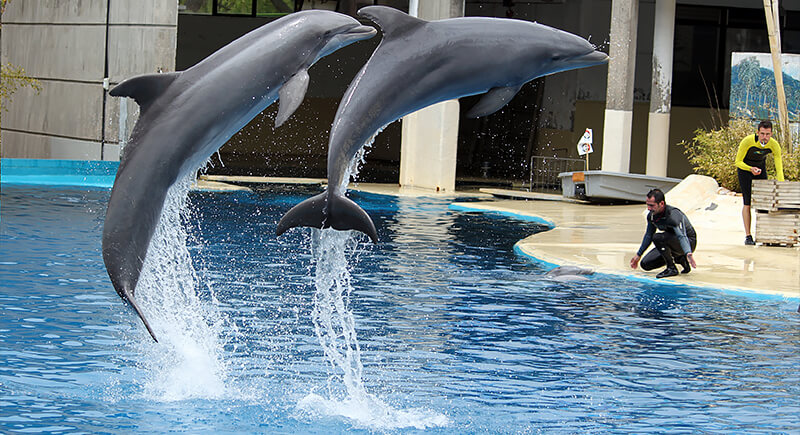
Around 350 dolphins are being transferred from entertainment facilities to sea pens and sanctuaries in Mexico, following the country’s ban on marine mammal shows, which ended dolphin performances nationwide. The move follows growing concern about confinement stress and health issues linked to performance training. Simply put, breeding for shows is no longer allowed.
Florida Animal Abuser Registry
Credit: Getty Images
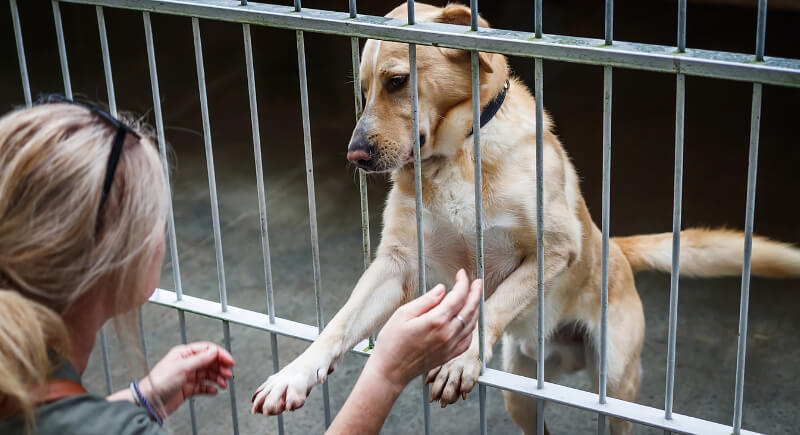
Florida now requires convicted animal abusers to be listed on a public registry. The database allows shelters, breeders, and adopters to check a person’s history before transferring an animal. The law closes gaps that previously allowed offenders to move from county to county without detection. The registry mirrors systems already used for other serious offenses.
California Declawing Ban Takes Effect
Credit: Getty Images
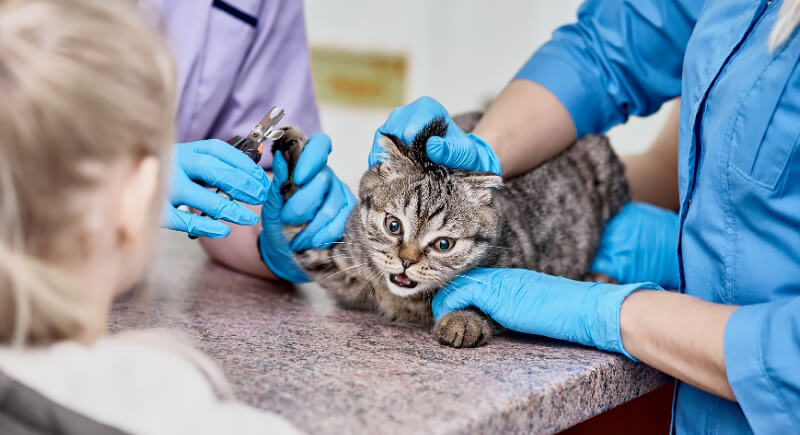
As of January 1, 2026, declawing cats in California is illegal unless medically necessary. The cruel act of declawing removes part of a feline’s toes and is linked to chronic pain and mobility issues. Many veterinarians had already stopped offering the procedure, and the law formalizes that shift statewide.
California Proposition 12 Impact
Credit: Wikimedia Commons
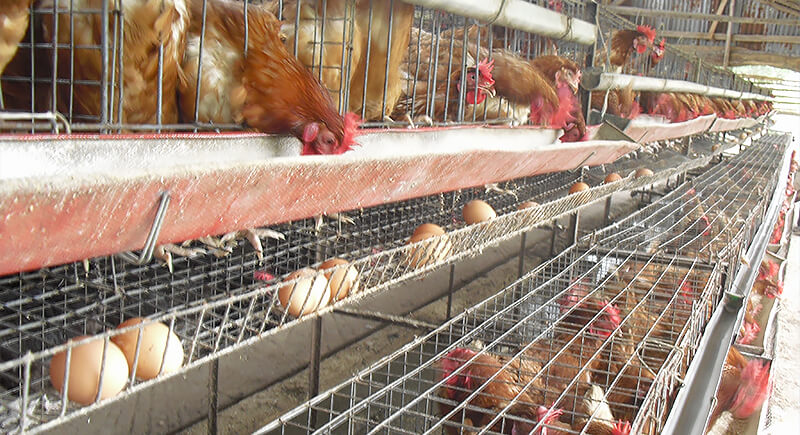
Farming practices have changed, as California’s Proposition 12 has been fully enforced for two years. Egg producers moved away from battery cages that restrict wing movement. Pork operations shifted from gestation crates that confine pregnant pigs for most of their lives.
Ohio Limits Gestation Crates
Credit: Getty Images
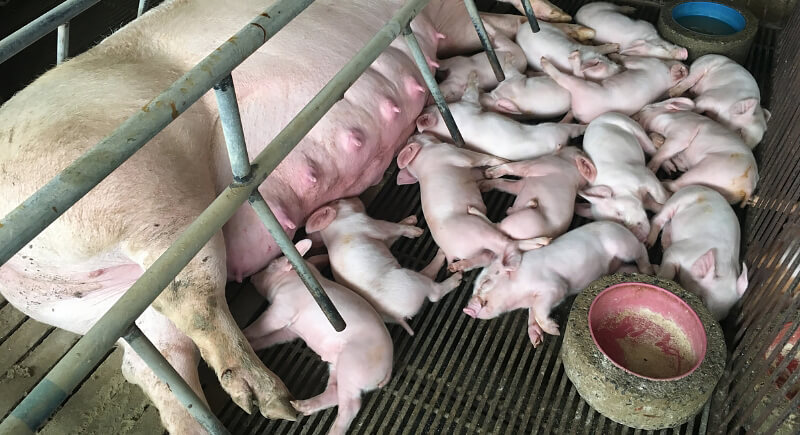
Breeding pigs must spend most of their pregnancy outside extreme confinement since Ohio updated its regulations limiting the use of gestation crates. This law took effect on December 31, 2025. Given that Ohio ranks among the top 10 pig-producing states, the rule indicates that high-volume production can still operate in compliance with welfare standards.
Pets in Housing Act in Washington, D.C.

Credit: Getty Images
Housing stability improves when people are not forced to choose between shelter and pets. And so, Washington, D.C., passed the Pets in Housing Act, reducing barriers for renters with animals. The law bans blanket pet prohibitions and excessive fees. It also launched the city’s first pet-friendly homeless shelter.
End of Bear Bile Farming in South Korea
Credit: Wikimedia Commons
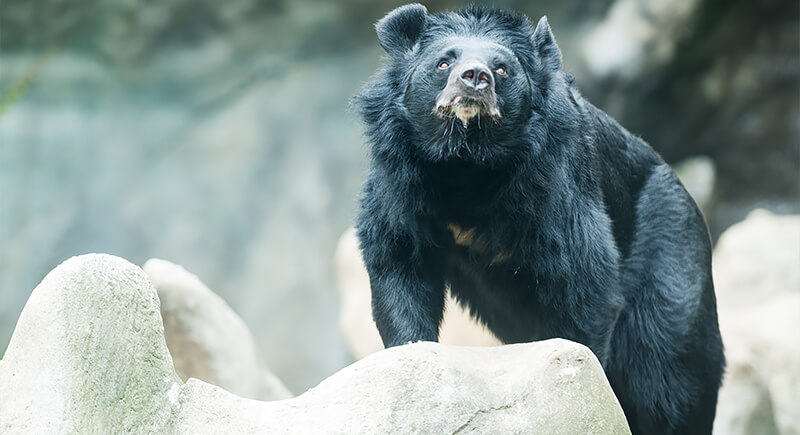
South Korea is ending the bear bile industry after decades of criticism. Moon bears will no longer be bred or kept in small cages for bile extraction. The practice involved invasive procedures repeated over many years. Remaining bears are being relocated to sanctuaries under government oversight.