
Three setups I use to stop the silent stuff: warped sheds, dried-out toes, and a heat source that lies to you.
The thermostat probe test that saved my snake's belly
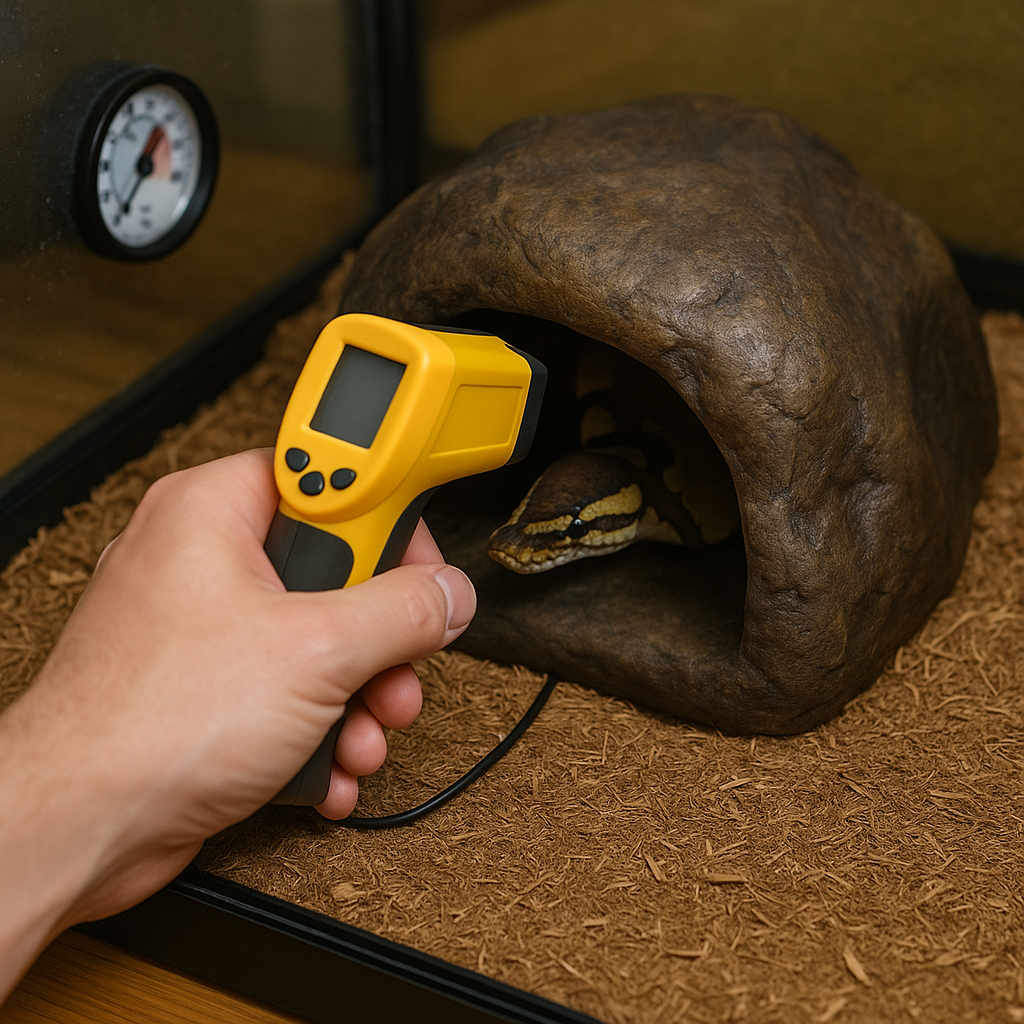
I learned the hard way that a heat mat can be "fine" in the air and still be too hot where it matters. The enclosure looked perfect on paper: under-tank mat on one side, thermostat set to a nice, conservative number, and a cheap stick-on thermometer telling me the warm side was in range. Then I did a proper surface check with an IR temp gun and felt my stomach drop. The glass directly over the mat was way warmer than the air, and the warm hide was trapping that heat like a little oven.
Here's the routine I stick to now, and it's boring on purpose. I put the thermostat probe exactly where the animal will rest, not where it looks tidy. For a snake using an under-tank mat, that usually means inside the warm hide, on the floor, secured so it can't get pushed under the substrate. If you're using paper towels or a bare floor, I tape the probe down with a small piece of aluminum tape (the HVAC kind), because it handles warmth better than regular tape and doesn't peel into goo. If there's substrate, I keep the probe on top of the enclosure floor and run a thin layer over it so the probe reads the surface, not the air pocket under the bedding.
Then I check three spots with the IR gun: the exact probe location, the hottest edge of the mat footprint, and the center of the hide after it's been closed up for at least an hour. That last one is the sneaky number. A hide can run several degrees warmer inside than the open warm side, especially if it's a snug resin cave with a single doorway. I also do a quick "push test" on day two: I gently nudge the hide like a snake would, just to see if it shoves the probe out of place. If it moves, I fix it. No debating. Heat injuries in reptiles aren't dramatic until they are, and by then you're doing wound care instead of enjoying your animal.
A humidity hide that doesn't turn into a mold farm
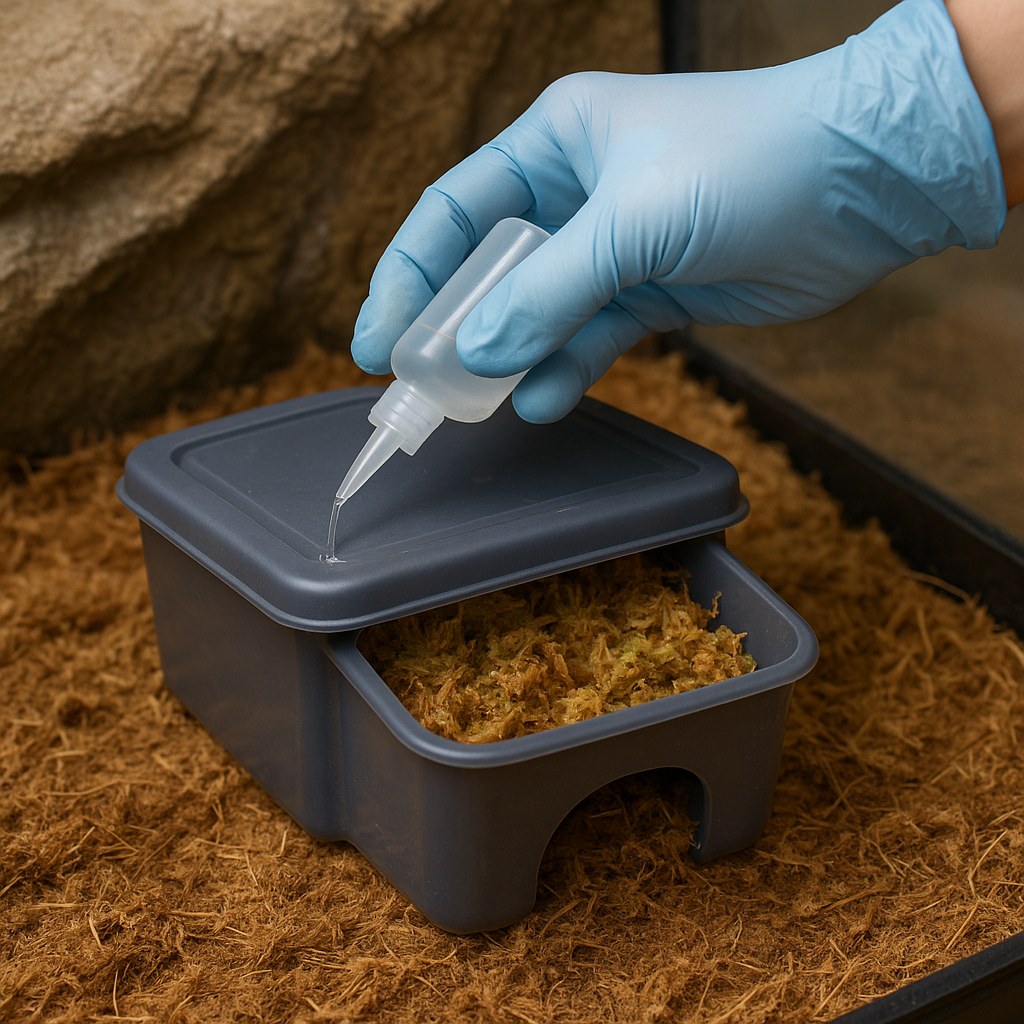
Bad sheds are the classic exotic-pet problem that looks like oops, dry air but usually comes from a chain of small, fixable choices. My fix isn't misting everything like a rainforest and hoping for the best. I make one specific place that stays reliably humid, stays clean, and is easy to reset when life gets busy.
I use a plastic hide with a lid I can remove (a small food-storage container works if you smooth the doorway so there are no sharp edges). Inside, I put sphagnum moss that's been rinsed and squeezed so it's damp, not dripping. The goal is a humid microclimate, not wet bedding that chills the belly. For species that like burrowing, I mix in a little coco fiber to keep the moss from compacting into a soggy brick, but I keep moss as the main ingredient because it holds moisture without becoming mud instantly.
The part that keeps it from turning gross is my schedule and my nose. Every time I refresh the water dish, I pop the lid and take a quick look. If the moss has dried to crunchy, I add a small splash of water and stir it with a gloved hand. If it smells sour, looks slimy, or has any visible fuzz, it all goes in the trash. I don't try to save it. A humid hide is supposed to prevent problems, not host them. Once a week, I wash the hide with hot water and dish soap, rinse well, and let it fully dry before I reload it.
Placement matters too. I keep the humidity hide on the warm side edge, not right on top of the hottest spot. Warmth helps evaporation, but too much heat turns the hide into a steam box, and the animal avoids it. When it's working, you'll see a very specific behavior: they tuck in there for a while, then come out and look like their skin suddenly remembered how to behave. Eye caps are the thing I watch closest. If the shed comes off in one clean tube but the face looks dull or stuck, I don't start peeling. I bump the hide moisture and wait for the animal to use it again. Slow is safer, and it usually works.
Feeding tongs, a kitchen scale, and the bitey misunderstanding
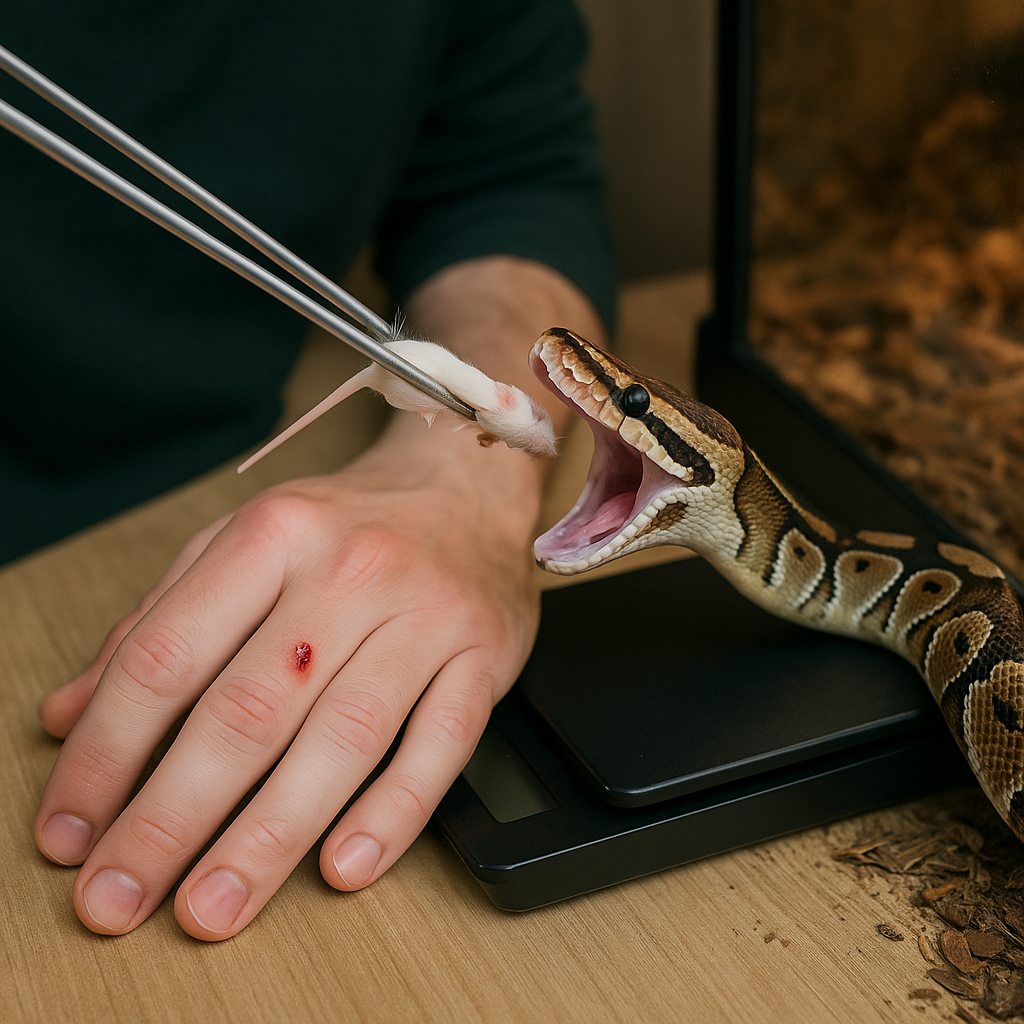
A lot of aggression with exotics is just confusion that we accidentally trained. Hands come in, prey appears, hands leave. Do that enough times and some animals stop waiting for the food part of the sequence. My fix is a combo of tools that sounds fussy until you live through one tag on the knuckle and spend the rest of the evening trying to convince yourself you deserved it.
First, I only offer food with long feeding tongs, the kind with a decent grip that won't twist when the animal strikes. I don't use my fingers to set a mouse down on the warm spot, and I don't wave prey around like a fishing lure. I present it steadily, a few inches off the substrate, and let the animal do the work. If I'm feeding frozen-thawed, I thaw safely in the fridge and then warm the prey in a sealed bag in warm water. No microwaves. You want even warmth, not hot spots, and you definitely don't want a half-cooked smell that makes the whole room weird.
Second, I keep a small kitchen scale near the enclosure and I weigh the animal on a predictable schedule. Not because I'm chasing some magic number, but because weight trends tell you when your feeding routine has drifted into too much or not enough territory. It's also how I catch slow problems early, like a lizard that looks fine but is quietly dropping grams week to week. I write the date and weight in my phone notes and that's it. No spreadsheets, no performance review.
Third, I separate feeding cues from maintenance cues. If I need to spot-clean, change water, or adjust a hide, I do it at a different time than feeding whenever I can. If I'm working in the enclosure and the animal is food-focused, I use a simple barrier like a piece of cardboard to guide them away from my hands, instead of trying to be quick and hoping they understand. They don't. Consistency is what they understand. Once I made those three changes, feeding days got calmer, handling got calmer, and the animal stopped treating every opened door like a surprise buffet.