Heatstroke in Dogs: The Warning Signs You Must Recognize Before It’s Too Late
Heatstroke in dogs can turn serious very quickly. In some cases, it can become fatal in under an hour, and extreme situations have led to death in as little as 15 minutes. A dog’s normal body temperature sits around 101.5°F, but once it rises above 104°F, the risk of internal damage begins. At 105°F, it is considered heatstroke, and beyond that, the chances of organ failure and neurological damage increase rapidly.
What makes this especially dangerous is how easy it is to miss the early signs. At first, it may look like simple tiredness or heavy panting, nothing that immediately feels urgent. By the time the symptoms become clearly alarming, the situation has often already progressed. Recognizing those subtle changes early can make the difference between a quick recovery and a life-threatening emergency.
How A Dog’s Cooling System Breaks Down

Image via Getty Images/NORRIE3699
Dogs don’t regulate their body temperature the way humans do. Sweat glands are found only in small areas, like paw pads, which barely help. Cooling depends on panting and widening blood vessels near the skin. That system works in mild conditions, but it struggles in high heat or humidity.
Once environmental heat overwhelms that process, body temperature rises fast. As it climbs, the body starts to lose control over vital functions. At around 106°F, organ and neurological damage can begin. At even higher temperatures, the proteins that support cells begin to break down, pushing the body toward failure. This explains why heatstroke escalates so quickly. The body has a narrow margin to recover before damage spreads.
Early signs hardly look dramatic. A dog may seem tired after a short walk or drink more water than usual. Heavy panting, faster breathing, and drooling often happen first. Gums can turn bright red, and the skin may feel unusually warm.
When It Starts Turning Dangerous
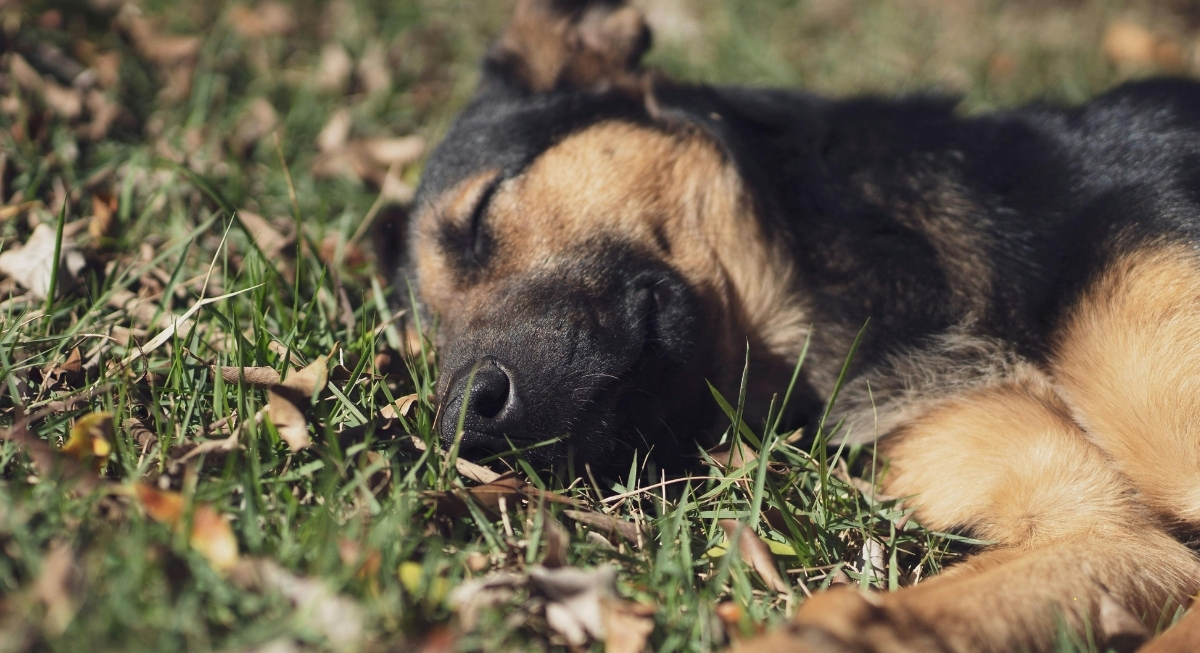
Image via Pexels/tainah ferreira
As heat exposure continues, symptoms escalate. Weakness sets in, coordination slips, and a dog may stumble, collapse, or struggle to stand. Vomiting and diarrhea can appear, sometimes with blood. Heart rate increases, and dehydration worsens.
More severe cases bring disorientation, muscle tremors, and seizures. Gums may change from red to pale or even bluish tones, signaling poor oxygen flow. At this stage, the body is under severe stress, and multiple organ systems may be affected, including the heart, lungs, kidneys, and brain. This progression can happen faster than expected, especially during hot, humid conditions.
The Situations That Quickly Trigger Heatstroke
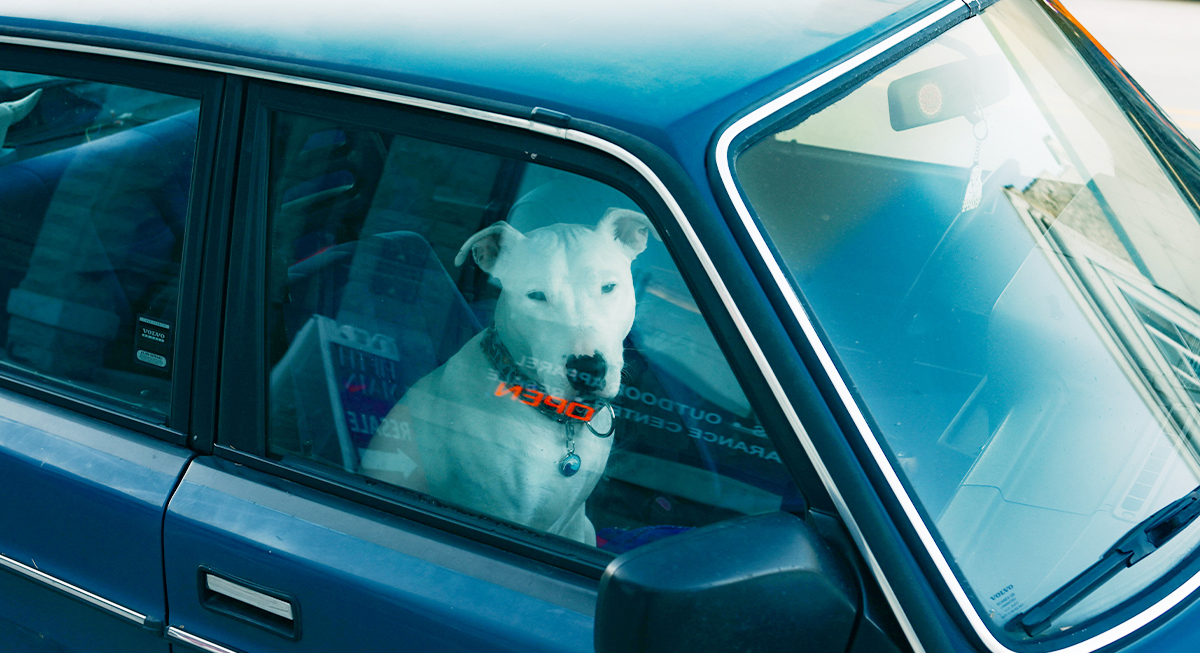
Image via Pexels/Anthony
Heatstroke often stems from everyday situations, but a parked car remains one of the most dangerous. Interior temperatures can rise by about 40°F within an hour, even when the outside air feels manageable. That means a mild 70°F day can quickly turn into a life-threatening environment above 110°F.
Exercise during hot weather is another common trigger. Even short walks can become risky when humidity is high, because panting becomes less effective. Poor airflow, lack of shade, and limited access to water add to the problem.
Certain dogs face a higher risk. Short-nosed breeds such as Pugs and Boxers have narrower airways, which makes cooling harder. Obesity, age, heart conditions, and respiratory issues also increase vulnerability. Some medications, including diuretics and beta-blockers, can further limit the body’s ability to handle heat.
What To Do In The First Critical Minutes
Immediate action makes a measurable difference. Cooling a dog before reaching a veterinary hospital can increase survival chances from about 50 percent to 80 percent.
Move the dog to a shaded or cool area right away. Use room-temperature or slightly cool water to wet the body, especially the underside. Airflow helps, so a fan can speed up cooling. Offer small amounts of water if the dog can drink.
Avoid ice or very cold water, as rapid cooling can trigger shock and interfere with circulation. Wrapping a dog tightly in wet towels can also trap heat rather than release it. Even if symptoms seem to improve, veterinary care remains essential. Heatstroke affects internal systems that may continue to deteriorate after initial cooling.