Here Is Why a Nuclear Canal Is the Perfect Home for Crocodiles
A nuclear canal does not sound like a place where crocodiles would settle in. The idea brings up images of danger and contamination. The reality is far less dramatic and far more interesting.
In South Florida, a network of cooling canals built for a nuclear facility has become one of the most important habitats for an endangered reptile species.
The story has little to do with radiation and more to do with how certain human-built spaces can end up supporting wildlife in ways few people expect.
How Crocodiles Ended Up at a Nuclear Power Plant
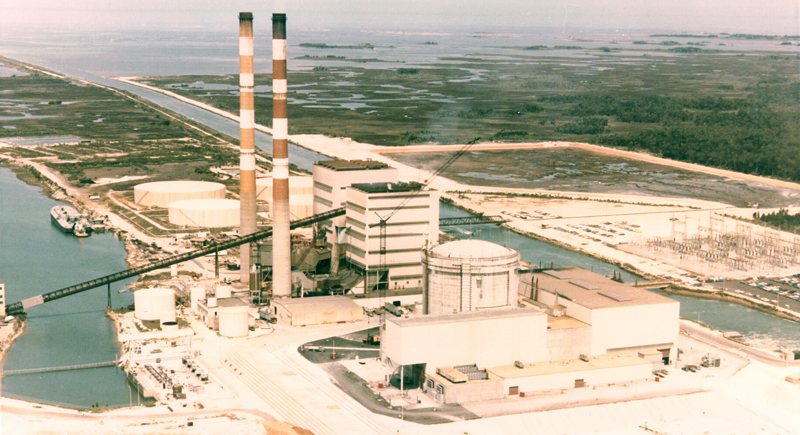
Image via Wikimedia Commons/Nuclear Regulatory Commission from US
In the 1970s, the American crocodile population in Florida was in serious trouble. Overhunting and habitat destruction had pushed numbers down to only a few hundred animals in the state. By 1975, the species was listed as endangered.
Not long after, workers at the Turkey Point Nuclear Generating Station, about 25 miles south of Miami, discovered crocodile nests inside the plant’s cooling canal system. Instead of removing them, the facility began working with wildlife specialists to monitor and protect the animals. That decision changed the future of the species in the region.
The Canal System Accidentally Created Ideal Crocodile Habitat
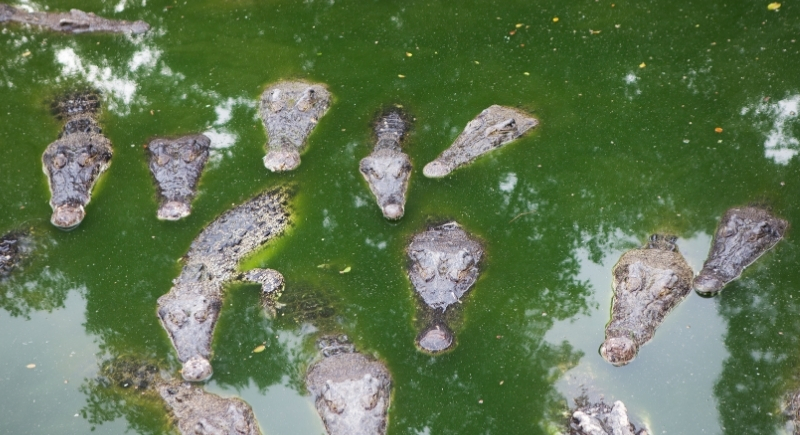
Image via Getty Images/ed78
The Turkey Point facility includes roughly 168 miles of man-made cooling canals spread across thousands of acres. For crocodiles, the setup checks several critical survival boxes at once.
The canals provide well-drained soil areas right next to water, which is exactly what female crocodiles need for nesting. Eggs must stay dry but close enough to water so hatchlings can reach safety quickly. The canal berms created during construction accidentally formed perfect nesting platforms.
Also, the area is relatively isolated from heavy human traffic, which lowers stress on nesting females and reduces the chance of eggs being disturbed.
Because the canals are located near the Everglades and Biscayne National Parks, wildlife can move between natural ecosystems and the canal system.
Human Monitoring Has Quietly Boosted Survival Rates
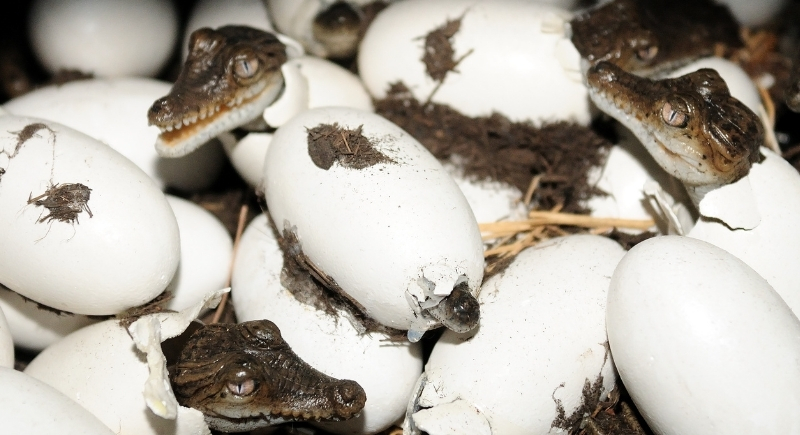
Image via Getty Images/folgt
Wildlife teams have actively supported crocodile survival at the site for decades. Since the late 1970s, specialists have monitored nests, tagged hatchlings with microchips, and sometimes relocated young crocodiles to safer areas to improve survival chances.
More than 7,000 hatchlings have been tagged through the program. In some recent years, hundreds of babies have been born at the facility in a single season.
Today, roughly a quarter of the American crocodiles living in the United States are connected to this habitat. The species’ conservation status improved from endangered to threatened in 2007, and protection efforts at Turkey Point played a major role.
Why This Matters as Natural Habitat Disappears
Coastal development and rising sea levels have damaged many traditional crocodile nesting areas across South Florida. Natural nests near coastlines can flood more easily, wiping out entire generations of eggs.
The canal system offers something that natural environments sometimes cannot anymore. Stable nesting zones that stay above flood levels while still sitting next to water.
In this case, industrial construction unintentionally recreated the environmental conditions crocodiles have depended on for thousands of years.
The Nuclear Factor Is Often Misunderstood
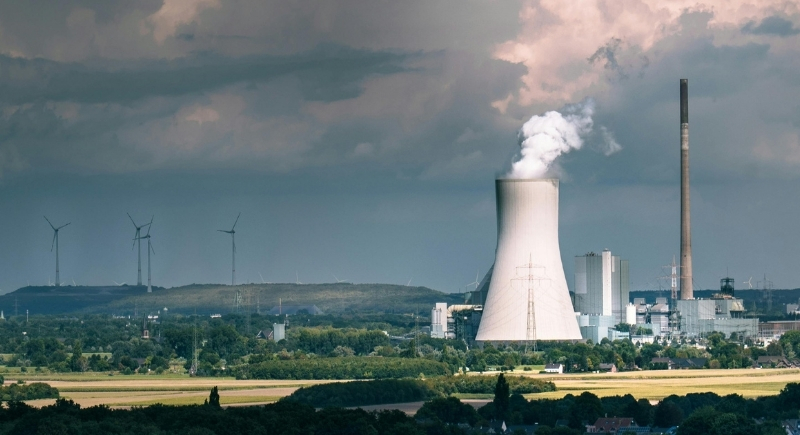
Image via Pexels/Jakub Zerdzicki
Despite popular myths that would make for a good movie, crocodiles are not thriving there because of radiation or mutation. Scientists point instead to habitat structure, isolation from development, and long-term conservation management.
The facility has faced environmental scrutiny over the years, including contamination concerns and water quality issues that required cleanup and monitoring. The environment is not perfect, and conditions like extreme salinity or temperature spikes can still harm nesting success. But the crocodiles are surviving there because the habitat works for their biology.
A Bigger Lesson About Wildlife and Human Development
The Turkey Point story has become a real-world example of something conservation scientists call reconciliation ecology. The idea is that wildlife and human infrastructure need not always exist in separate spaces.
Sometimes, when managed carefully, human-built environments can help replace habitat lost to development or climate pressure. As natural landscapes shrink, survival may depend on how well wildlife can adapt to spaces shaped by humans and how willing people are to design those spaces responsibly.