10 Subtle Signs Your Dog is in Pain That Most Vets Miss
Dogs are incredibly good at hiding pain, and this instinct can cause problems in modern homes. Many signs of discomfort are subtle and gradual. They are easy to explain away as aging or mood changes, and by the time pain becomes obvious, it has often been present for weeks or longer. Paying attention to small, consistent changes can reveal what a dog’s body is dealing with long before limping or crying shows up, and so we’ve compiled these 10 subtle signs.
Changes in Posture or Movement
Credit: Getty Images
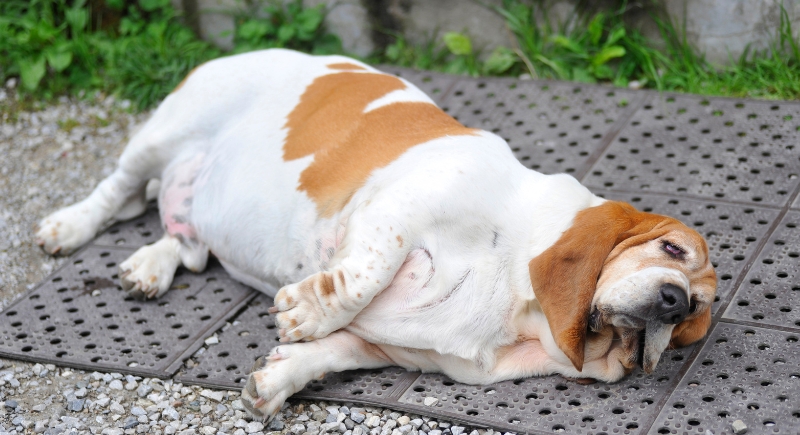
A dog’s body position often tells a clearer story than movement speed. Sitting off to one side or standing with weight shifted away from a limb usually reflects joint or spinal discomfort. Hesitation before jumping on furniture can indicate early arthritis, even when walking still looks normal. These adjustments are deliberate attempts to reduce pressure on painful areas.
Sleeping Positions Look Different
Credit: True Creatives
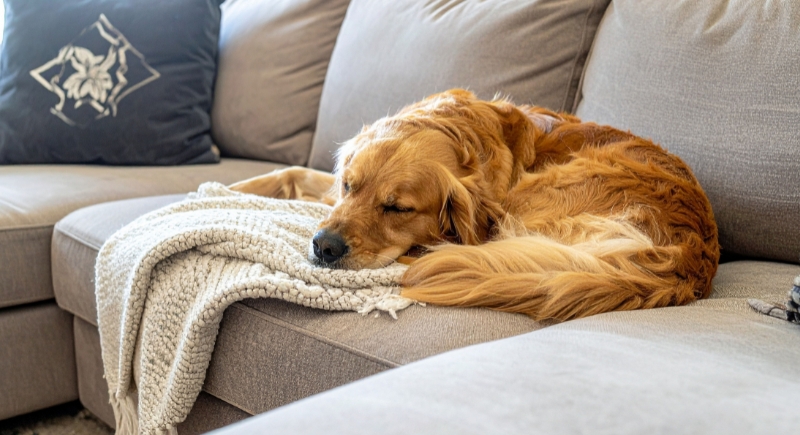
Sleep habits change when comfort changes. Dogs dealing with pain may avoid stretching out fully because certain positions increase pressure on sore joints or muscles. Frequent nighttime repositioning often indicates difficulty in finding relief. Poor sleep quality is strongly linked to chronic pain conditions.
Loss of Interest in Play
Credit: halfpoint
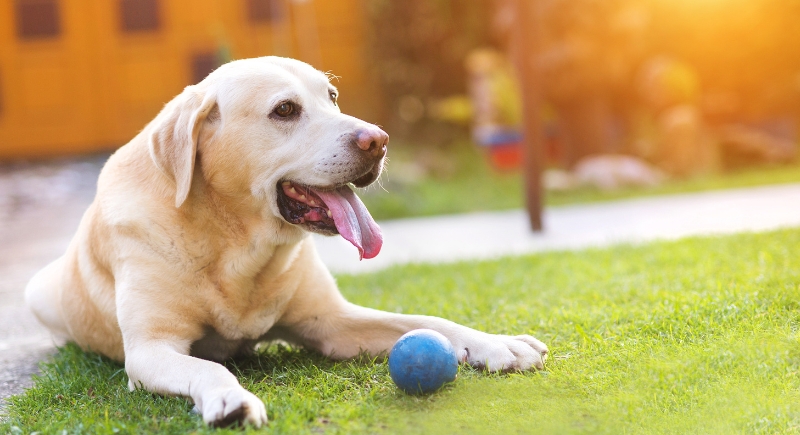
Play requires sudden movement, which pain makes risky. A dog that once initiated games may now observe from a distance. This shift often happens gradually. Reduced playfulness commonly reflects discomfort rather than a personality change.
Shorter or Slower Walks
Walking patterns often shift before owners realize why. Turning back early or slowing down mid-walk helps a dog manage joint strain. Repeated changes in walking distance usually indicate inflammation. These adjustments are protective behaviors.
Less Tolerance for Touch
Credit: Canva
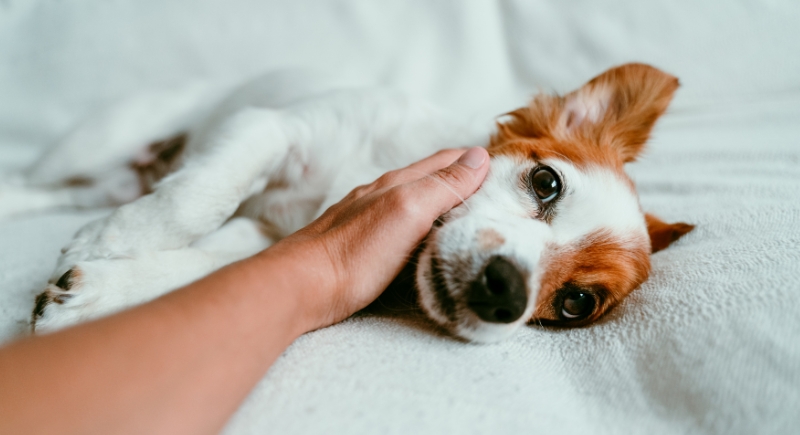
Pain can make even gentle contact uncomfortable, so pulling away when touched on the back or hips often signals localized soreness. Defensive reactions during handling frequently stem from pain rather than aggression. Dogs learn quickly which interactions hurt and try to avoid them.
Excessive Licking or Chewing
Credit: Getty Images
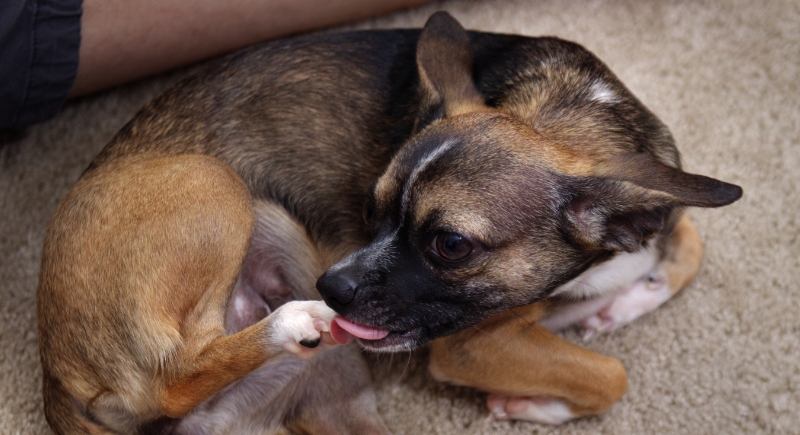
Licking is a natural self-soothing response. Dogs often focus on joints or limbs that hurt internally, even when the skin looks normal. Over time, constant licking can cause damage to the skin and lead to infection. This behavior commonly accompanies orthopedic pain.
Changes in Breathing Patterns
Credit: Getty Images
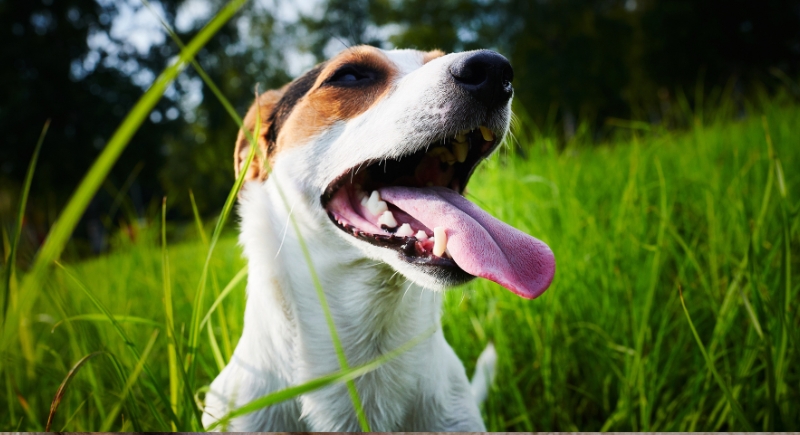
Breathing can change when pain increases internal stress. Faster or shallower breaths may appear during rest. These signs are difficult to catch during brief veterinary visits. Ongoing breathing changes often correlate with underlying discomfort.
Eating Habits Shift
Credit: Getty Images
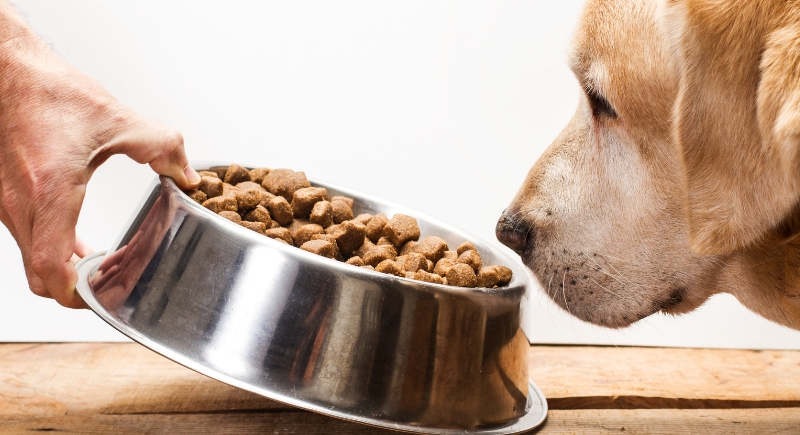
Pain can affect appetite in subtle ways, and eating more slowly may signal discomfort in the neck, jaw, or teeth. Skipped meals sometimes occur because standing or bending feels painful. Gradual weight loss may develop before appetite changes seem serious.
Bathroom Accidents Indoors
Credit: pixelshot
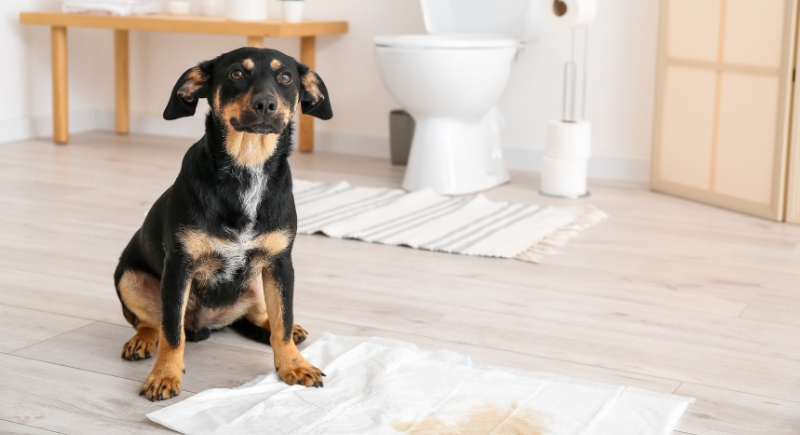
Toileting requires balance and a specific posture. Pain can make squatting or stepping outside difficult. Indoor accidents often happen when mobility decreases. These incidents are frequently mistaken for behavioral regression.
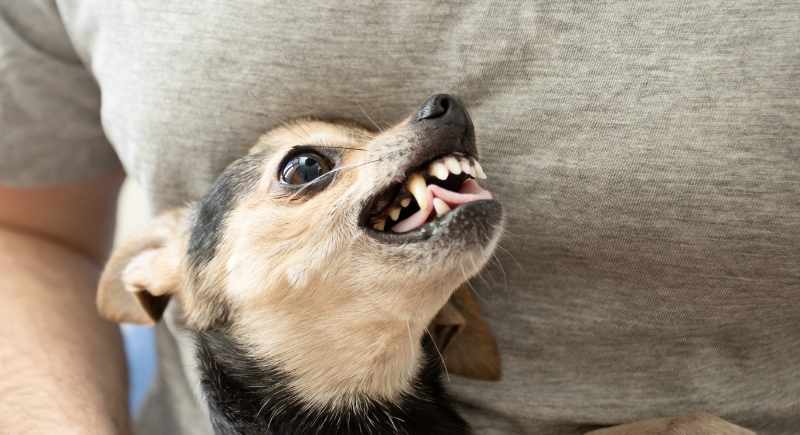
Personality Feels Off
Credit: Getty Images
Withdrawal from people may indicate ongoing pain. Increased irritability usually develops when discomfort becomes constant. Sudden personality shifts are more likely to be physical.