10 Breeds With the Highest “Emotional IQ”
Some dogs read a room better than most people. Change your tone, sigh a little heavier than usual, and they are already looking up at you. Emotional intelligence in dogs shows up in small, everyday ways. It is how quickly they notice your mood and how thoughtfully they respond.
Research suggests that certain breeds are especially attuned to human emotions. They react to crying, laughter, and subtle shifts in voice or posture. Many were bred to work side by side with people, so paying attention became part of who they are.
Border Collie
Credit:Wikimedia Commons
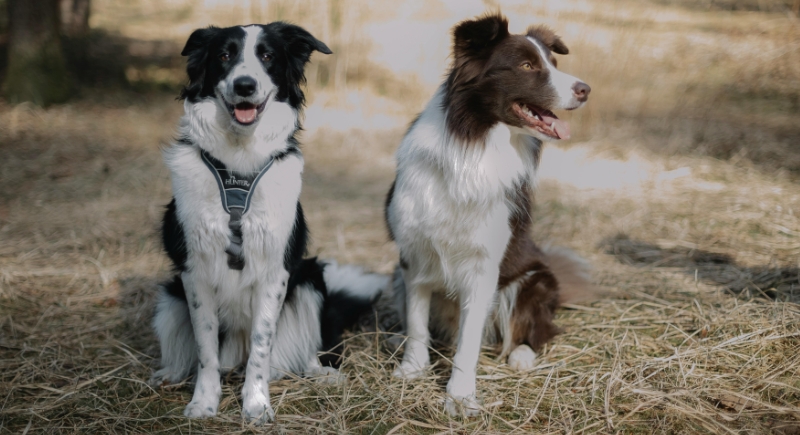
A study ranked the Border Collie near the top for social cognition, inhibitory control, and problem-solving. This is because this breed adjusts to mood and tone almost right away. Collies often check in mid-task to seek feedback before continuing. Consequently, they react quickly to changes in the environment or voice.
German Shepherd
Credit: Getty Images
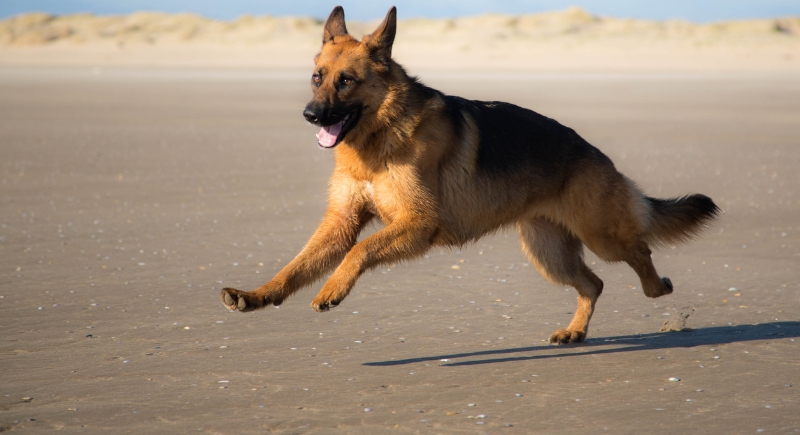
The German Shepherd, originally bred for herding and guarding, learned to interpret fast-moving situations and emotional tension. Handlers usually describe them as constantly assessing not just their surroundings but also the people in them. A shepherd may even change position between their person and someone unfamiliar when they perceive uncertainty or threat, especially in dogs trained for protection or alert work.
Golden Retriever
Credit: Wikimedia Commons
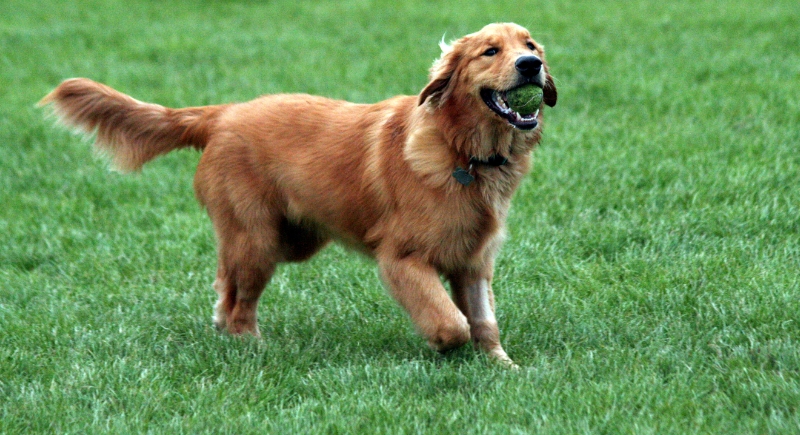
If someone is upset, a Golden Retriever answers by settling nearby or offering gentle contact, not with noise or fuss. Their ability to read your mood from your voice and facial expressions is all without formal training. That instinct helps explain their long-standing role in therapy and emotional support work.
Labrador Retriever
Credit: Getty Images
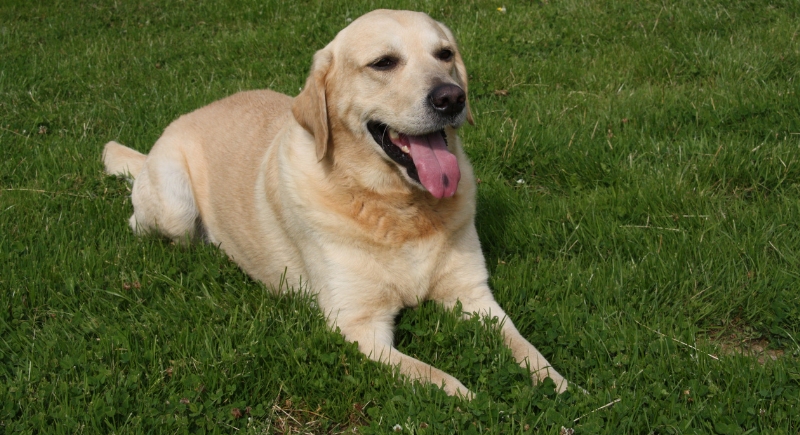
Bonding with a Labrador Retriever usually doesn’t take long. They don’t need many cues to understand what someone’s feeling. They also enjoy participating in daily life and adjust themselves to match the pace. Their friendly temperament, combined with awareness, creates a dog that doesn’t need instruction to offer emotional steadiness and calm support.
Australian Shepherd
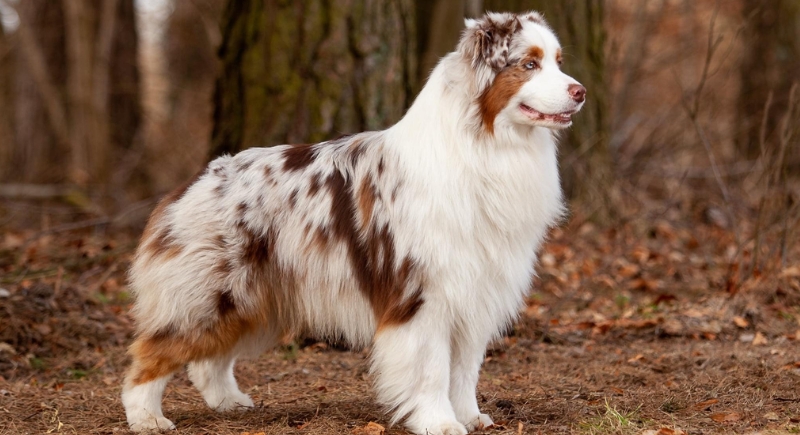
Credit: Wikimedia Commons
Energy and emotional insight go hand in hand with the Australian Shepherd. They don’t just follow commands, but anticipate needs. They are quick to notice when routines change or when people behave differently. That awareness, shaped by their background as herding dogs, helps them react to stress.
Vizsla
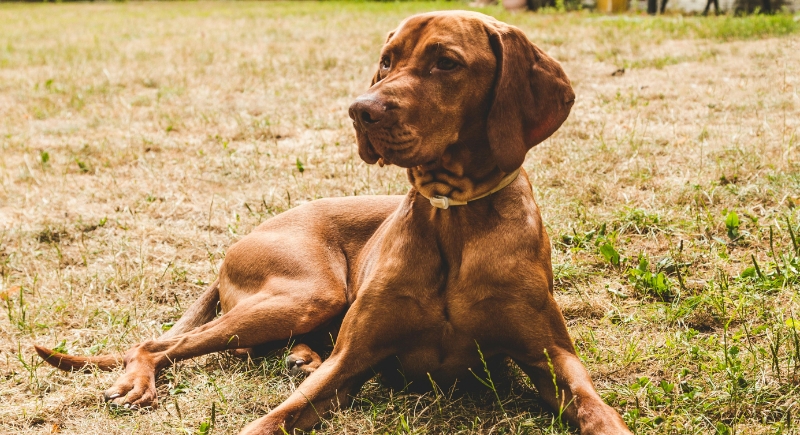
Credit: pexels
Vizslas developed their sensitivity by working closely alongside people for long hours. That history defines their emotional responsiveness today. They tend to remain near their person, watch for cues, and follow subtle differences in voice or posture.
Cavalier King Charles Spaniel
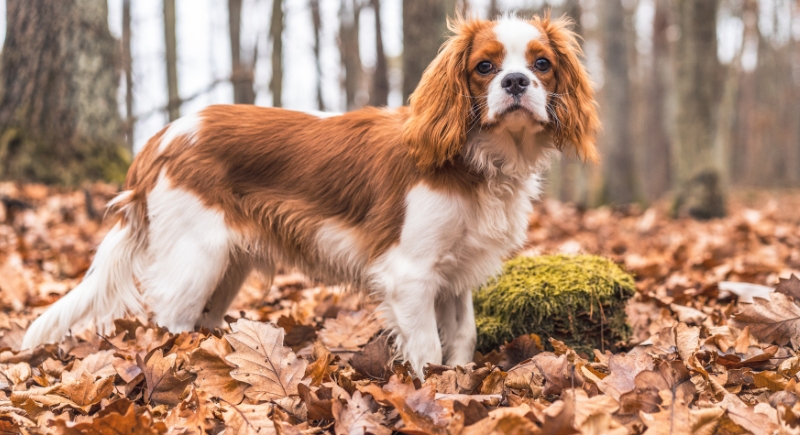
Credit: Getty Images
For those who need calm, consistent emotional support, the Cavalier King Charles Spaniel fits naturally into that role. They make sure to provide companionship without demanding energy or attention. Their way of expressing their care comes from staying close during silence, changing behavior when the mood changes, and responding gently to vocal cues.
Doberman Pinscher
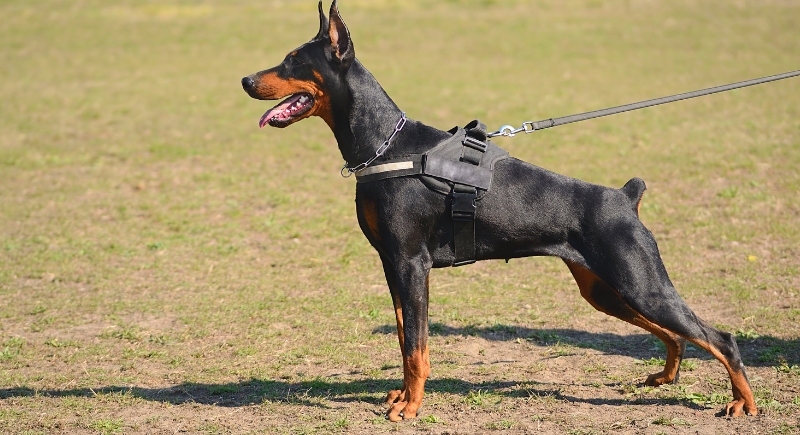
Credit: Getty Images
Once a Doberman bonds with you, they stay aware of your movement, voice, and habits. They respond to calm leadership, and once they feel secure, they begin to closely track your emotional speaking style. That attentiveness was reinforced through generations of work in high-stakes environments, where close attention to human cues supported performance alongside following orders.
Poodle
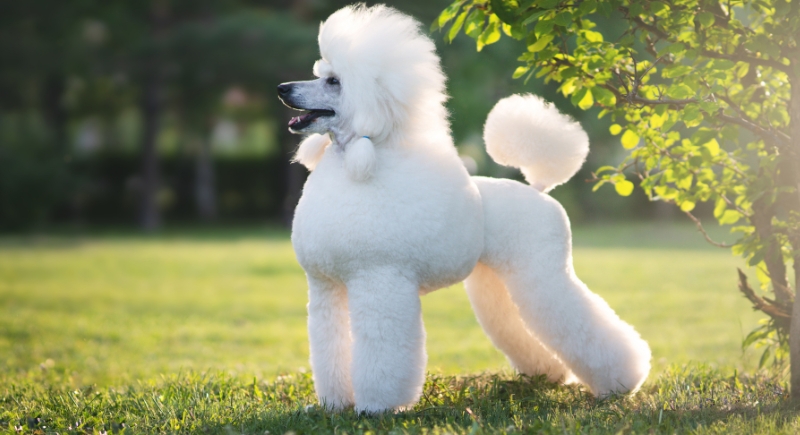
Credit: Getty Images
Many owners describe the feeling that their Poodle is “in the conversation” with them as they watch, listen, and wait for a cue. That sense of engagement comes from the breed’s sensitivity to voice patterns, facial expression, and body posture. Their love of routine also deepens emotional trust through steady, predictable interaction.
Shetland Sheepdog
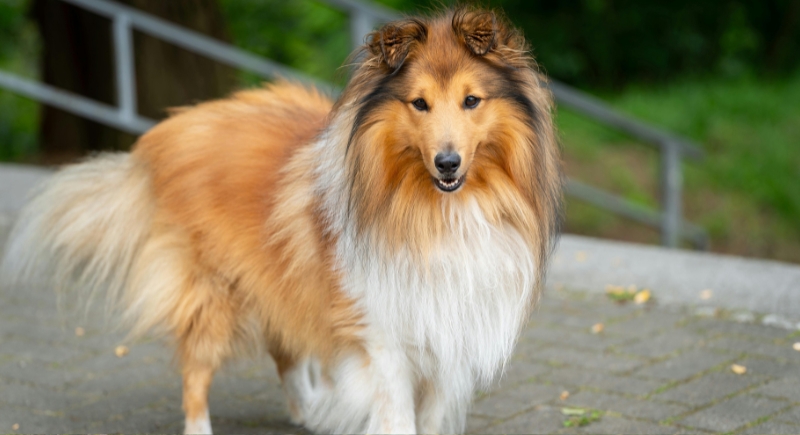
Credit: pexels
Managing livestock in unpredictable terrain allowed Shelties to develop sharp attention and a strong sense of timing, which can carry over into attentiveness toward people in everyday settings. On this note, they can detect when your mood changes. Shelties also favor simple routines and tend to create small daily habits, like choosing consistent resting spots.