Hiking With Your Dog? Watch Out for These Dangerous Plants
Fresh air, long trails, and a happy dog moving ahead on the path are some of the easiest ways to spend time outdoors. What many owners don’t notice until something goes wrong is how often plant hazards exist right beside popular trails. Some can poison dogs if eaten. Others are injured through seeds, spines, sap, or mold growing on plant material.
Veterinary guidance and trail safety research indicate that plant risks vary by region, season, and terrain. A desert trail, a forest trail, and a suburban greenway all have different hazards. Understanding how these dangers show up in real environments makes them easier to spot before they become emergencies.
Seeds, Spines, and Physical Plant Injuries Hiding Along Trails
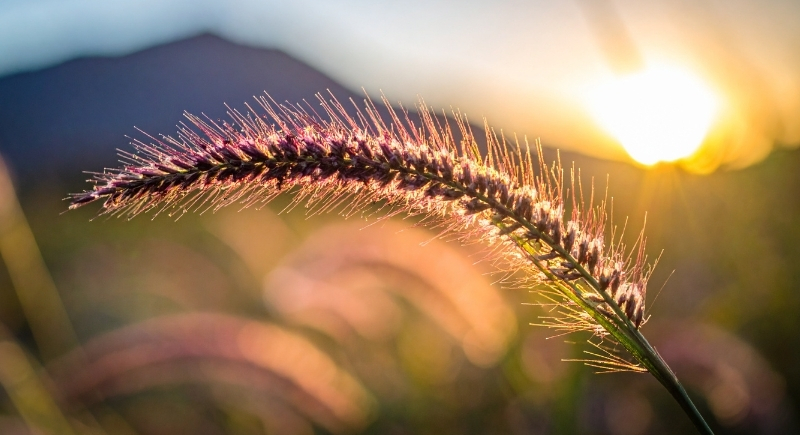
Image via Canva/TrueCreatives
Some of the most common plant dangers do not rely on toxins at all. Foxtails are a prime example. Their seed heads are shaped to move forward only, which means once they enter fur or skin, they continue traveling deeper. Dogs most often pick them up in their paws, noses, ears, and eyes while running through grass.
Spine-based plants create similar problems. Desert trails often hide cactus spines in soil or vegetation. Snow, dust, or leaf cover can make them nearly invisible until a dog steps directly onto one. Even a single spine can cause limping, infection, or swelling if it stays embedded.
Toxic Wild Plants That Can Affect the Nervous System or Organs
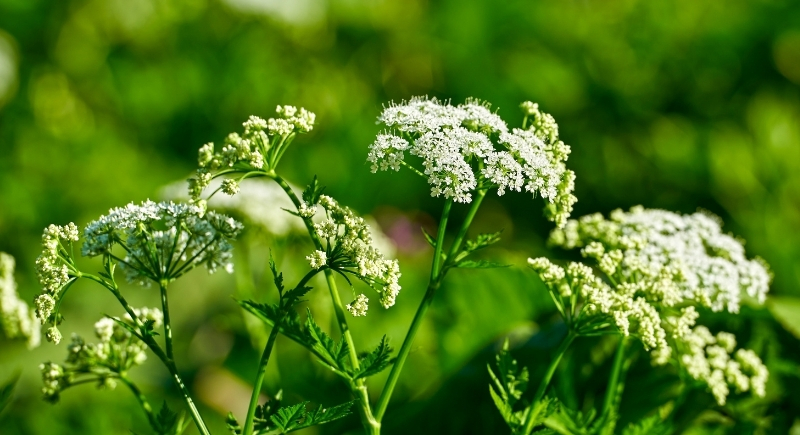
Image via Getty Images/Dzmitry Trambitski
Some trail plants create danger through chemical toxins rather than physical injury. Poison hemlock is one of the most serious examples. Every part of the plant contains compounds that affect the nervous system. Dogs that ingest it can develop tremors, vomiting, or seizures. One reason it causes problems is how easily it blends in with harmless wild plants growing near streams, fields, and trail edges.
Other toxic plants appear in more landscaped or park-style trail areas. Shrubs and flowering plants, such as oleander and foxglove, contain compounds that affect the heart. Even small ingestions can lead to vomiting, weakness, or heart rhythm problems. Because these plants often grow near maintained paths or residential hiking areas, exposure risk can be higher than expected.
Danger From Nuts, Mold, or Organic Debris
Some plant-related hazards develop after parts of the plant fall to the ground, like with black walnut trees. As nut husks break down, they can develop toxic mold. Dogs that eat contaminated husks or nuts can develop tremors or neurological symptoms.
Similar risks exist with mushrooms and composted plant material. Wild mushrooms vary widely in toxicity, and dogs do not reliably avoid dangerous types. Compost piles, grass clippings, and rotting plant debris can also harbor harmful mold that can trigger stomach illness or neurological reactions.
Harm Through Contact Instead of Eating
Image via Getty Images/hobo_018
Not every plant risk comes from chewing or swallowing. Giant hogweed produces sap that reacts with sunlight, causing severe skin burns. Dogs may not always show serious symptoms themselves, but sap can stick to fur and transfer to human skin during petting.
Plants like poison ivy or poison oak work differently but still cause issues. Dogs can carry plant oils on their fur, which later transfer to people through contact.
What Exposure Often Looks Like in Real Life
Plant exposure symptoms vary depending on how the dog encountered the plant. Dogs that ingest toxic plant material may show vomiting, drooling, diarrhea, confusion, heavy breathing, or unusual tiredness.
If exposure occurs through contact or foreign material, dogs often lick or bite the same area repeatedly. Sudden sneezing, head shaking, or paw chewing can signal seeds or plant material stuck in the skin, ears, or nose.
Desert trails often involve spine injuries. Wet forests increase mushroom and toxic plant exposure. Grassland and roadside trails increase seed-based injuries like foxtails.
Season also changes plant risk. Seeds dry and detach later in the year. Mold risk increases as organic material breaks down. Flowering plants cycle through growth stages that change toxicity and exposure likelihood.