10 Hilarious Animal Idioms From Around the World
Expressions that involve animals tend to stick in the mind, even when their meanings make zero sense at first. These phrases, scattered across different languages, reveal strange bits of culture, humor, and shared logic about how people see the natural world. Here’s a look at animal idioms used around the globe that are as funny as they are revealing.
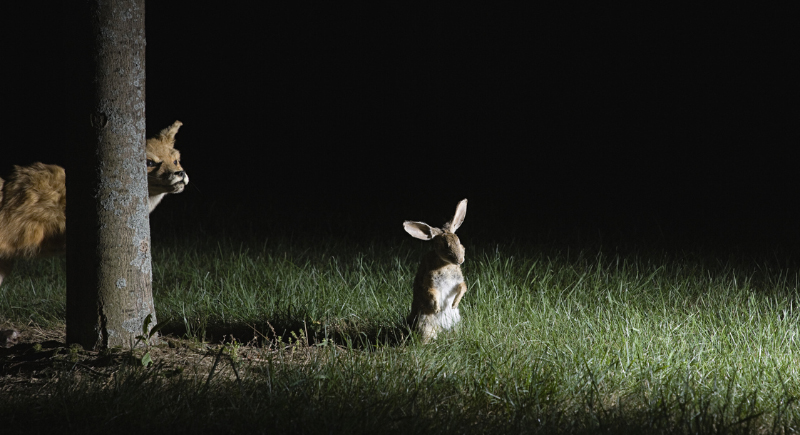
Where Fox and Hare Say Goodnight – German
Credit: iStockphoto
This idiom describes a remote place that feels completely deserted. In German, it paints a picture of such isolation that only animals live there and even say goodnight to one another. It’s often used to describe a location far from any town or trace of human activity, like the rural edge of nowhere.
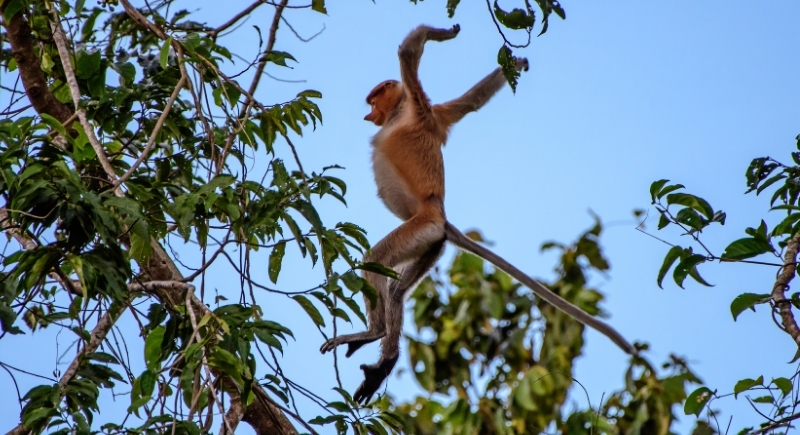
Even Monkeys Fall From Trees – Japanese
Credit: Getty Images
No one’s perfect, and this Japanese saying drives that home. “Saru mo ki kara ochiru” means that even experts mess up occasionally. The monkey, skilled at climbing trees, still has an off day. It’s used when someone experienced makes a mistake, and instead of harsh judgment, it’s often said with a shrug.
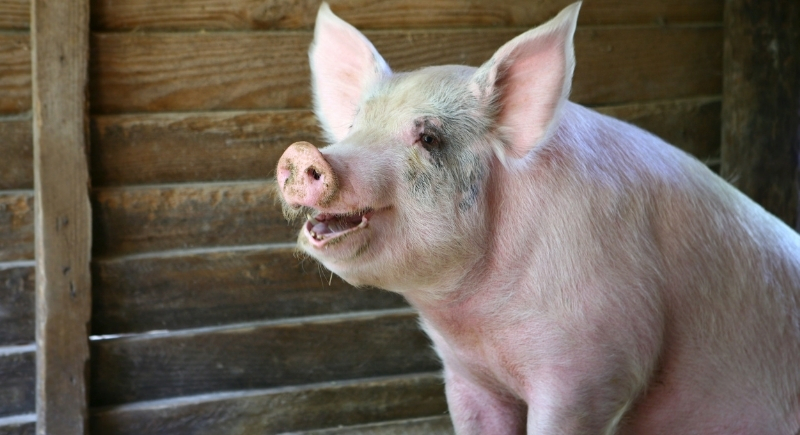
I Think My Pig Is Whistling – German
Credit: Getty Images
This is just a colorful way to say, “I can’t believe this is happening.” Its exact origin is unclear, but the image is hard to forget. If your pig starts whistling, something truly outlandish must be going on.
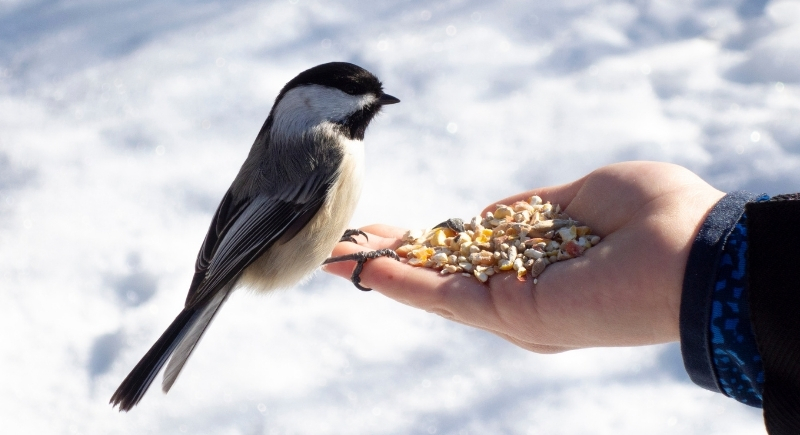
You Have a Bird – German
Credit: Getty Images
Telling someone they “have a bird” in German isn’t a compliment. “Du hast einen Vogel” implies they’re acting irrationally or flat-out nuts. Historically, birds were associated with wandering thoughts or confusion. It’s still commonly used today as a playful but pointed jab—perfect when someone makes a decision that leaves others baffled.
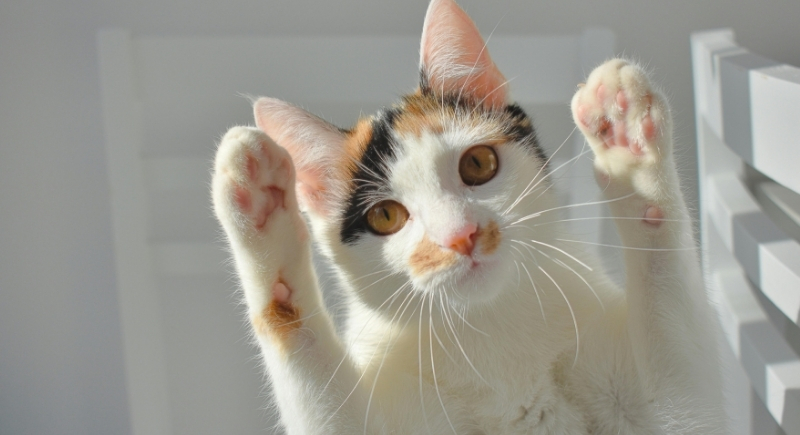
Even a Cat’s Paw Would Help – Japanese
Credit: pexels
When things pile up fast and help is scarce, this idiom captures the mood. “Neko no te mo karitai” means you’re so overwhelmed, you’d accept help even from a cat. Given how little practical assistance a cat usually offers, it says a lot about desperation. It’s especially relatable in the workplace or during deadline season.
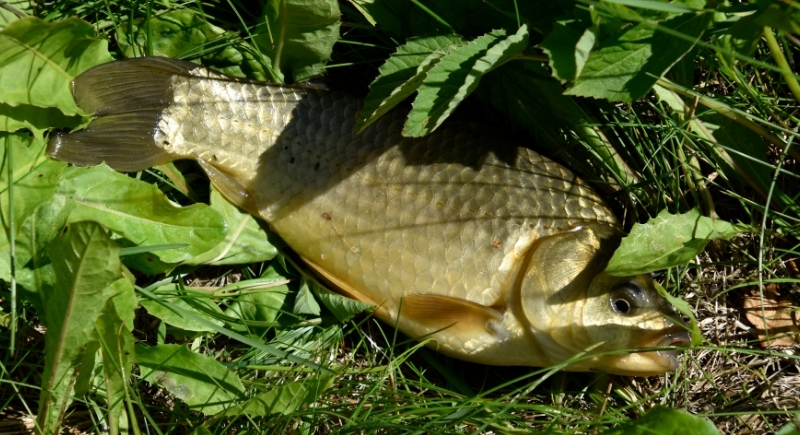
Like a Fish Out of Water – English
Credit: Getty Images
In English, this phrase is used when someone looks clearly uncomfortable or out of place. It’s been around for centuries, found in old poems and plays. The image of a gasping fish flopping on dry land sticks in the mind.
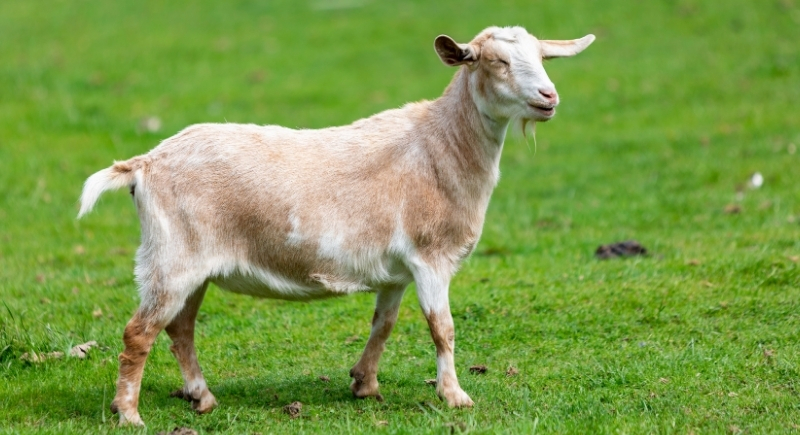
To Be Like a Goat – Spanish
Credit: Getty Images
“Estar como una cabra” describes someone who behaves in an odd or unpredictable way. In Spain, this idiom doesn’t imply danger or aggression—just eccentricity. The comparison to a goat probably comes from their unpredictable movements and odd behavior. It’s used with a mix of amusement and disbelief, often aimed at people who seem harmlessly strange.
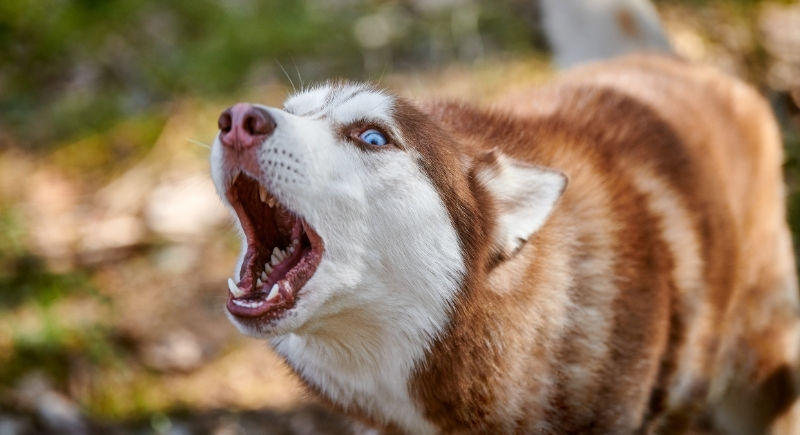
A Barking Dog Doesn’t Bite – Spanish
Credit: Getty Images
This Spanish expression is meant to convey bluster. “Perro que ladra no muerde” suggests that people who make the most noise are rarely the ones who take action. It’s a way of calling out empty threats or dramatic behavior without backing them up. Common in arguments, it dismisses aggressive talkers as harmless performers.
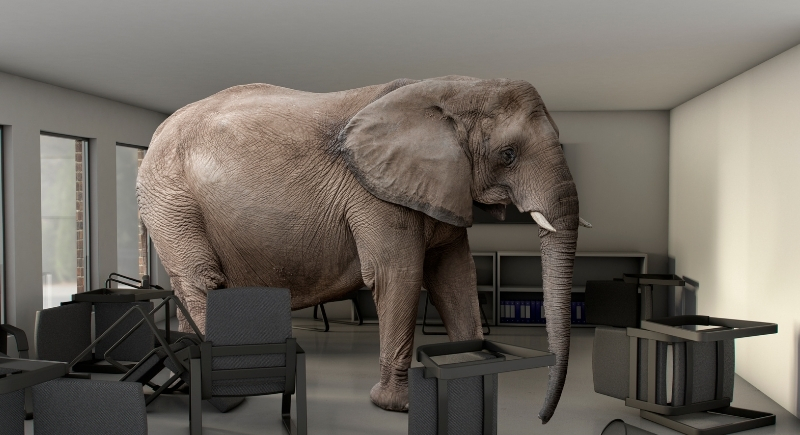
The Elephant In The Room – English
Credit: Getty Images
Used across English-speaking countries, this idiom highlights an obvious problem that no one wants to discuss. The phrase gained traction in the mid-20th century and paints an unmistakable picture: a giant creature taking up space while everyone avoids eye contact. It’s often reserved for the awkward truths that hang silently over conversations.
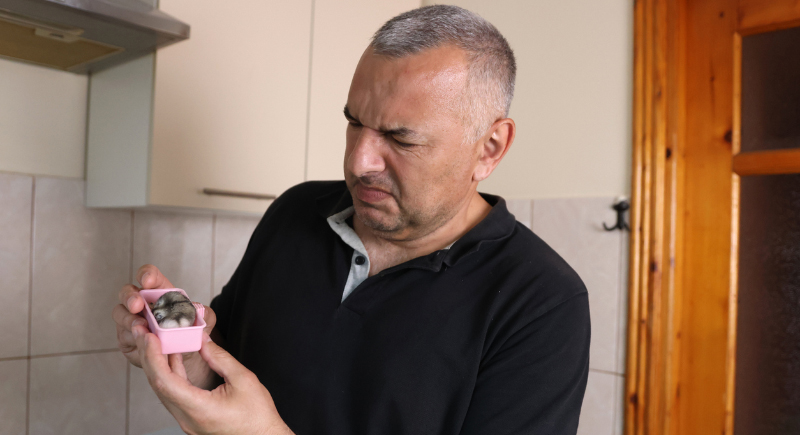
To Smell a Rat – American English
Credit: iStockphoto
Suspicion doesn’t get more sensory than this. “To smell a rat” implies sensing dishonesty or deceit. It dates back to the 16th century and probably comes from the idea that something rotten—like a rat—gives itself away through smell. It’s used when someone’s story just doesn’t add up, and the listener knows it.