How AI Is Changing the Way Vets Diagnose Sick Pets
Veterinary clinics once relied on visible symptoms and manual interpretation. Now, artificial intelligence is stepping in as a second set of eyes, one that processes far more information than any human could in a short time.
By 2024, nearly 30 percent of veterinarians reported using AI tools daily or weekly, according to a survey of almost 4,000 professionals. Most early use cases focus on diagnostic imaging and medical records. AI systems can scan radiographs, flag abnormalities, and even help transcribe conversations into patient files, cutting down time spent on paperwork.
Faster analysis means vets spend less time typing and more time focusing on the animal in front of them. At the same time, the technology is helping catch patterns that might slip past even experienced practitioners. Still, concerns remain. Around 70 percent of vets in that same survey pointed to reliability and accuracy as key issues. Data privacy and lack of training also sit high on the list. Even so, adoption continues to grow.
Detecting Illness Before It Shows
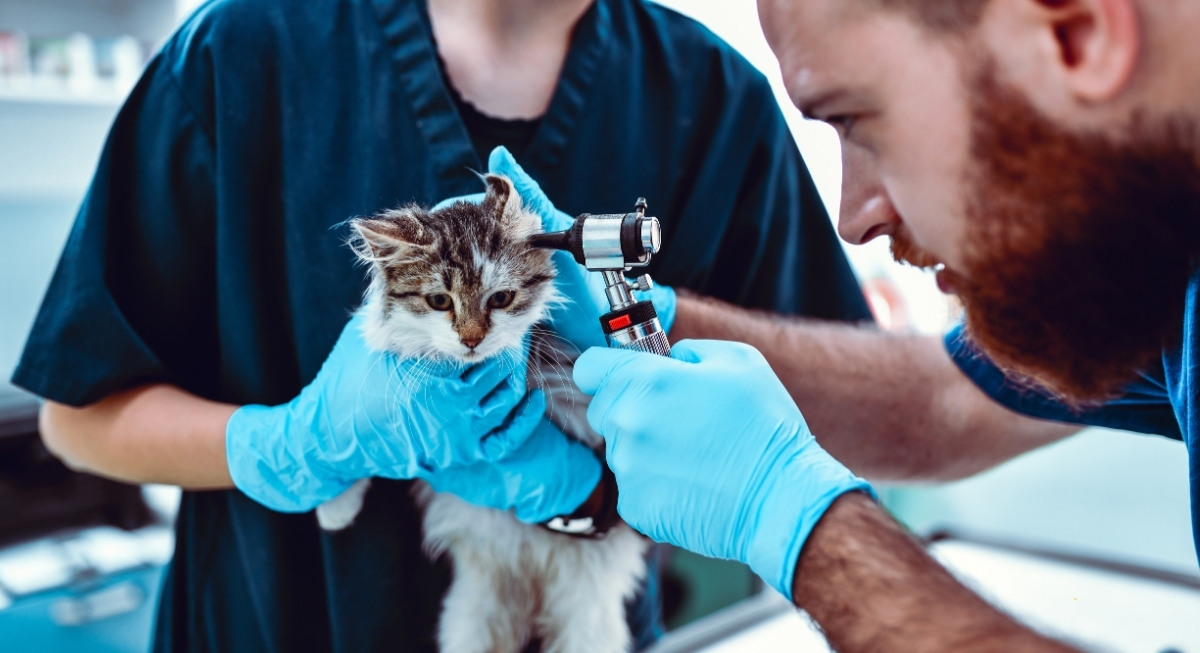
Image via Getty Images/AleksandarGeorgiev
One of the biggest changes is in early detection. AI systems trained on large datasets can spot subtle biological signals long before visible symptoms appear. Tools built on microRNA analysis are leading that charge. These tests examine molecular changes in the body and pair that data with AI models that recognize patterns associated with specific diseases.
A clear example comes from feline care. AI-powered platforms can track subtle changes in a cat’s behavior, such as grooming habits or activity levels, and connect those signals to deeper diagnostic testing. This moves the process away from reactive illness care toward early detection.
Another tool, developed using hundreds of thousands of feline medical records, can predict chronic kidney disease up to two years before diagnosis. That kind of lead time can change treatment plans entirely.
Pets Are Generating Their Own Health Data
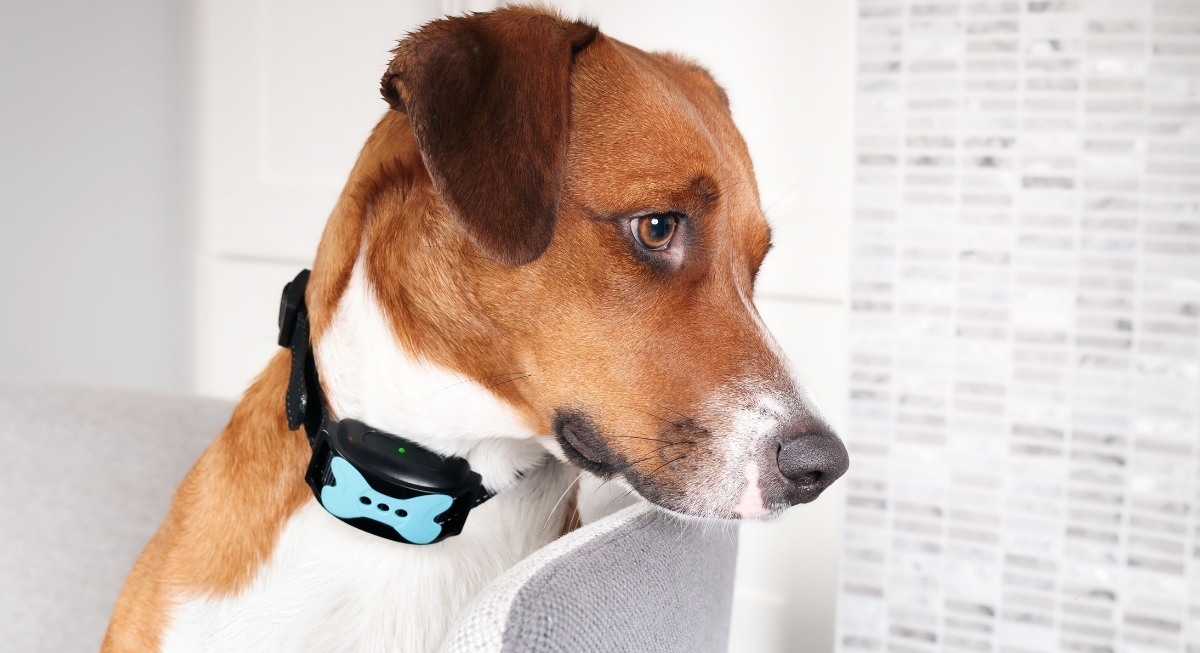
Image via iStockphoto/Petra Richli
Pet health monitoring now happens throughout the day. Smart collars and wearable devices track heart rate, activity, sleep, and other vital signs in real time. Some systems can flag events like seizures or sudden drops in movement. New tools are also exploring nose-print identification as an alternative to microchips.
This steady flow of data gives vets a clearer picture of an animal’s health. They can review patterns over time, which helps them catch changes earlier and make more accurate decisions about care.
Gen Z Is Driving a New Care Model

Image via Pexels/Helena Lopes
A growing group of pet owners expects faster answers and more transparency. Gen Z, in particular, is pushing veterinary care toward a more connected and data-driven approach.
With the global pet care market projected to reach $427.75 billion by 2032, younger owners are shaping how services evolve. Many see pets as family members and expect the same level of insight they would want for their own health.
That expectation is changing the relationship between vets and owners. Diagnosis is becoming more collaborative. Owners supply real-time data from home, while vets interpret that information and guide treatment. The result is a process that feels more immediate and less reactive.
AI Is Expanding Beyond the Exam Room
The same technology reshaping pet care is also making waves in larger-scale animal health. On farms, monitoring systems collect data on feeding, movement, and temperature. AI models analyze that information to detect early signs of illness, including conditions that animals tend to hide. Early alerts help farmers isolate and treat affected animals before problems spread.
AI is also being used to predict disease outbreaks. Models can factor in variables such as farm density, weather patterns, and animal movement to estimate infection risk on a daily basis. That kind of forecasting gives veterinarians and producers time to prepare rather than react after the fact.
Back in clinics, researchers are exploring how AI can guide treatment decisions. In oncology, machine learning tools are helping predict how individual dogs might respond to specific cancer drugs. This approach moves away from one-size-fits-all treatment and toward more tailored care.