How Beavers Are Turning Rivers Into Effective Carbon Sinks
When most people think of beavers, they picture animals chewing through trees or building dams across streams. But recent research shows that these animals are doing something far more important: helping rivers store carbon and become more resilient to climate change.
A study published on March 18, 2026, in Communications Earth & Environment found that river sections worked by European beavers stored 26 percent more carbon over a year than similar sections without them. The study, led by Lukas Hallberg from the University of Birmingham, examined an 800-meter stretch of the Rhine basin in Switzerland where beavers have been active since 2010.
The researchers measured how carbon moved through the area by studying water flow, greenhouse gas emissions, sediments, plants, and dead wood. Their findings showed that the beaver-modified section stored about 1,200 net United States tons of carbon over 13 years. That means the area acted as a carbon sink and stored more carbon than it emitted.
How Beavers Change a River
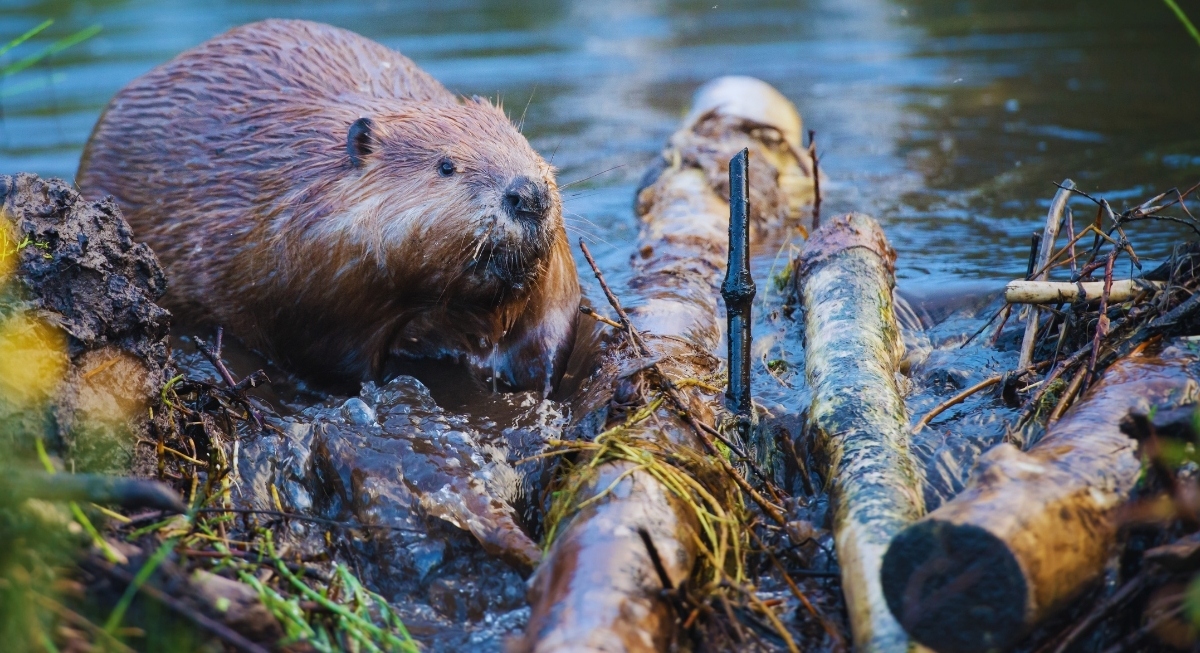
Image via Getty Images/Jillian Cooper
Beavers build dams with branches, mud, stones, and plant material. These dams slow water flow and create flooded areas upstream. That simple change completely alters how a river behaves.
In a fast-moving stream, leaves, sticks, sediment, and other organic material are usually carried downstream. But in a beaver-modified river, the slower water allows that material to settle. Dead wood, plant matter, and carbon-rich sediment build up over time instead of being washed away.
This stored carbon can remain trapped in sediments and dead wood for up to three decades. Even when wetlands release small amounts of carbon dioxide or methane during drier months, the overall balance still favors storage.
More Than Carbon Storage
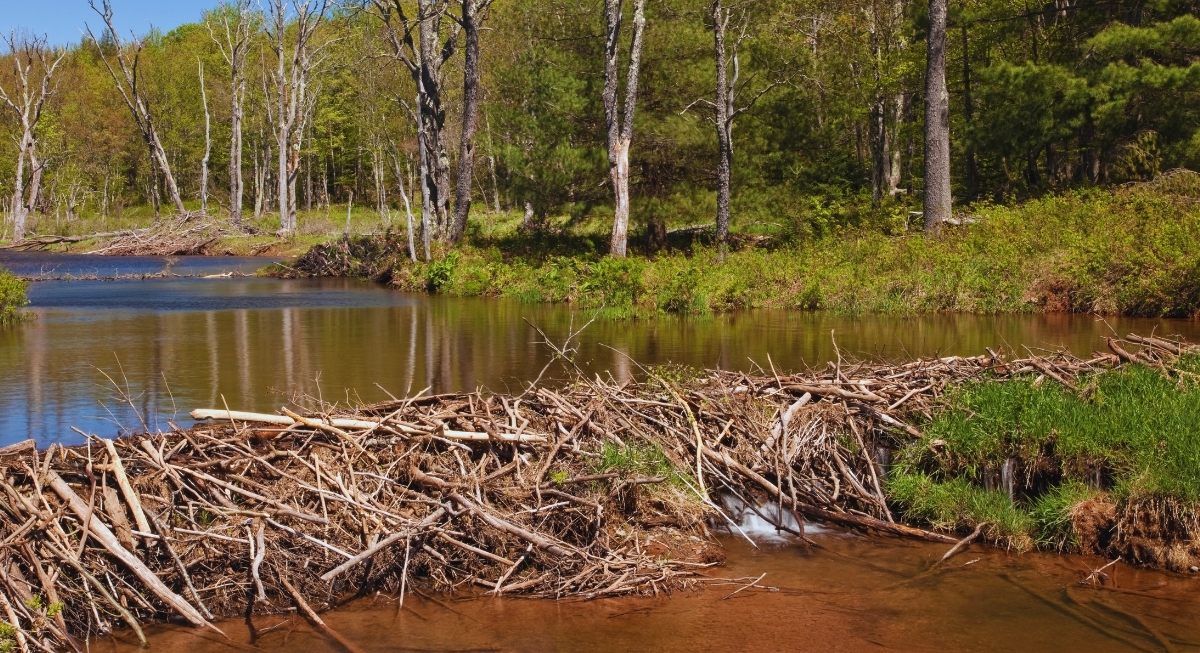
Image via Getty Images/DeniseBush
Aside from helping with one environmental problem, their dams also improve the water cycle. By slowing water down, beaver wetlands give it more time to soak into the ground. This helps recharge underground water reserves, which can be especially useful during droughts. The water may not always be visible on the surface, but more of it remains stored underground for later use.
Beaver wetlands also work like natural water filters. As water passes through mud and sediment, pollutants such as nitrogen and phosphorus can become trapped rather than spreading further downstream. The extra moisture also creates better conditions for wildlife. Fish, amphibians, insects, bats, and pollinators often do well in the richer, wetter habitats that beavers leave behind.
A Natural Defense Against Droughts, Fires, and Floods
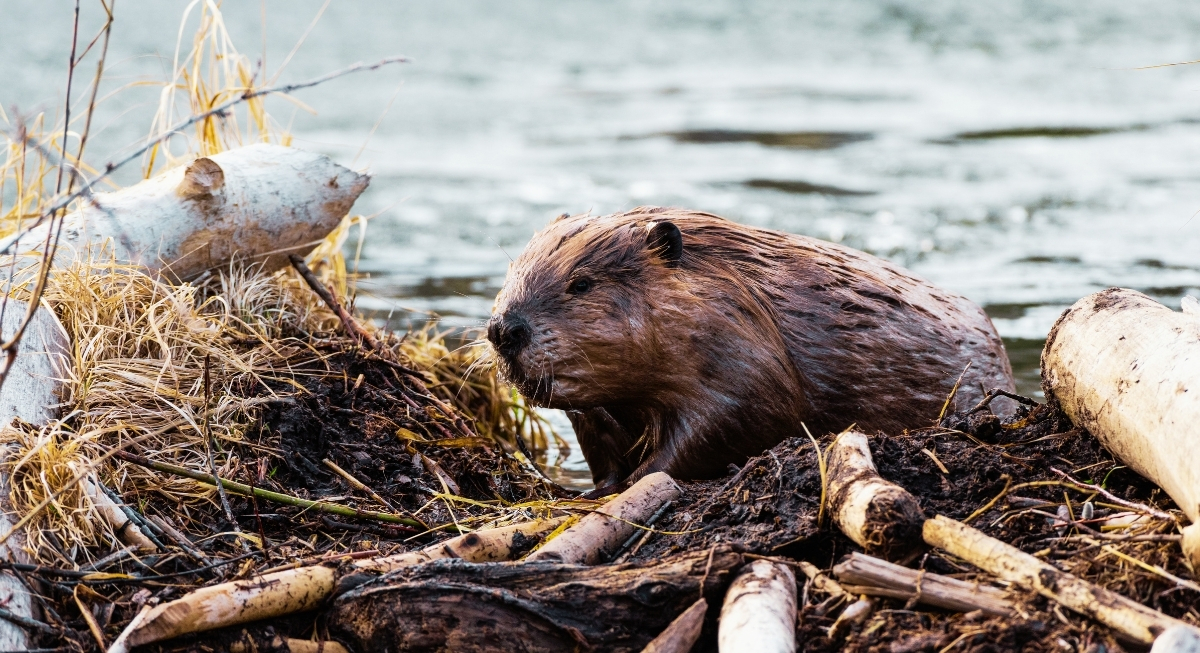
Image via Getty Images/Dan Pepper
Beavers also help landscapes handle extreme weather. Their ponds and wetlands keep soil moist for longer periods, which supports plants and animals during dry seasons. This moisture can make a major difference during wildfires. Research cited by WWF shows that areas with beaver activity can suffer only about one-third of the fire damage seen in similar areas without beavers.
Their dams also reduce flooding by holding back water during heavy rain and releasing it slowly. Instead of rushing downstream all at once, the water spreads out and moves more gradually. This helps stabilize river systems and protect nearby ecosystems.
Why This Is Important
Beavers will not solve climate change on their own, but they show how powerful nature-based solutions can be. By doing what they naturally do, they slow rivers, build wetlands, store carbon, filter water, support wildlife, and protect landscapes from droughts, fires, and floods.
That is what makes this research so interesting. A creature often treated as a nuisance is one of the most useful partners in restoring rivers and building climate resilience. Beavers are not just building dams; they are helping rebuild entire ecosystems.