How Different Countries Around the World Celebrate Their Cats
Cats live alongside people almost everywhere, but the way different cultures treat them can feel surprisingly different. In some places, cats are tied to old traditions, religion, or folklore. In others, they simply roam neighborhoods, show up in shops or offices, and become part of daily life. Travel around the world, and you start to notice how each country has its own way of welcoming, celebrating, and living with cats.
Japan

Credit: pexels
In Japan, cats appear in everyday places in ways visitors quickly notice. Many shops keep a small statue of a cat with one paw raised. The figure, called the maneki-neko, is believed to bring good luck and prosperity. Business owners usually place it near entrances or cash registers as a welcoming sign. Japan’s affection for cats shows up in other ways too. Tokyo has cat cafés where people can sit, relax, and spend time with resident cats. There are even places such as Aoshima Island, where the number of cats far exceeds the number of people living there.
Belgium
Credit: Wikimedia Commons
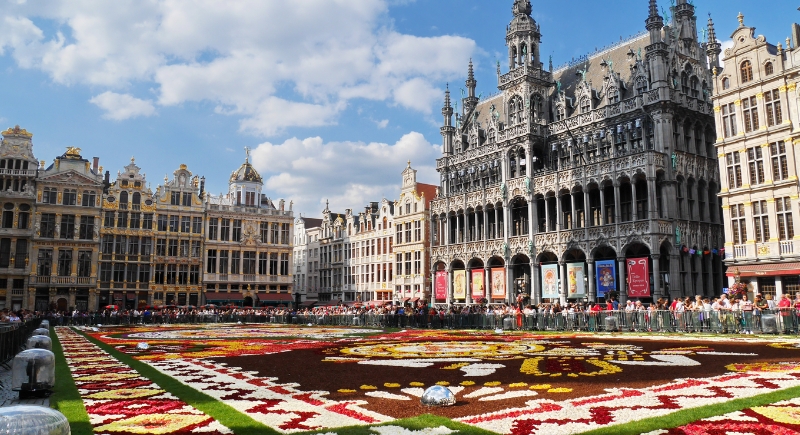
Every few years, the Belgian city of Ypres fills its streets with giant cat figures, costumes, and theatrical performances. This event, called the Kattenstoet, is one of the world’s strangest cat-themed parades. It began as a way of remembering an odd medieval tradition tied to the town’s past. Over time, the parade turned that history into spectacle, drawing crowds who came specifically to watch the feline-themed procession.
Egypt
Credit: Wikimedia Commons
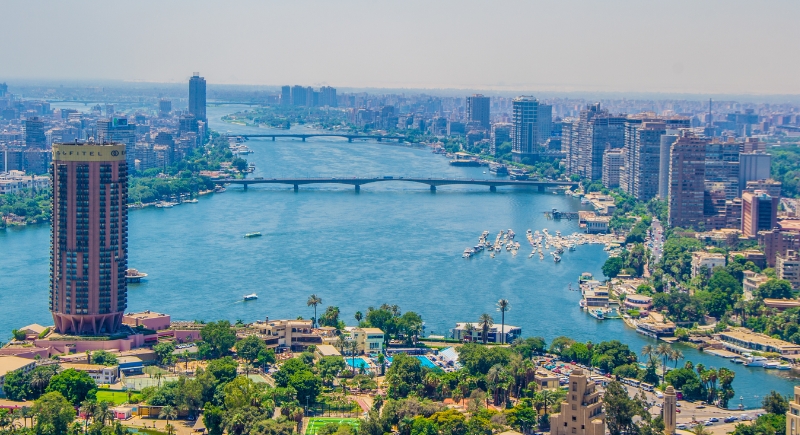
Thousands of years ago, harming a cat in Egypt could carry severe punishment. Cats were linked to the goddess Bastet, a protector associated with home and fertility. Families mourned their cats intensely, sometimes shaving their eyebrows as a sign of grief. Archaeologists have even discovered large cemeteries filled with mummified cats. Modern Egypt no longer treats them as divine, but cats remain a familiar sight in cities where many residents still feed and care for them.
Thailand
Credit: Wikimedia Commons
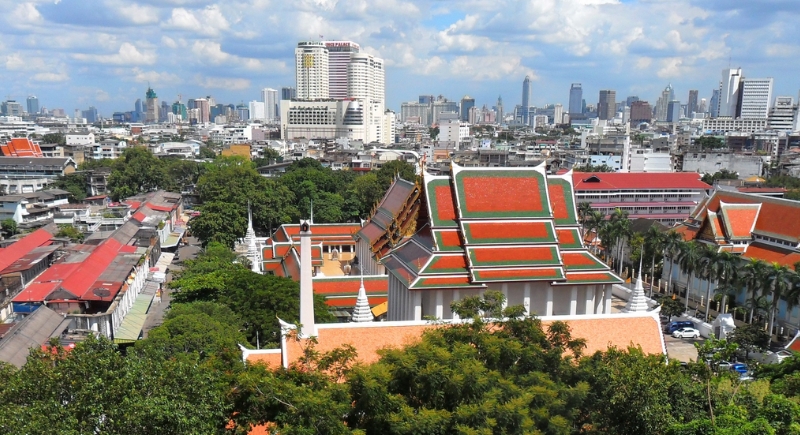
In parts of Thailand, older traditions once linked cats with the hope of rain. During droughts, some villages practiced a ritual called Hae Nang Maew. A cat was carried through the village while people splashed water nearby, which made the animal cry out. Those cries were believed to help call rain for the rice fields and crops. Today, the custom mostly survives as a cultural celebration. Processions and music still take place in some areas, but communities usually use symbolic figures instead of a real cat.
Italy
Credit: pexels
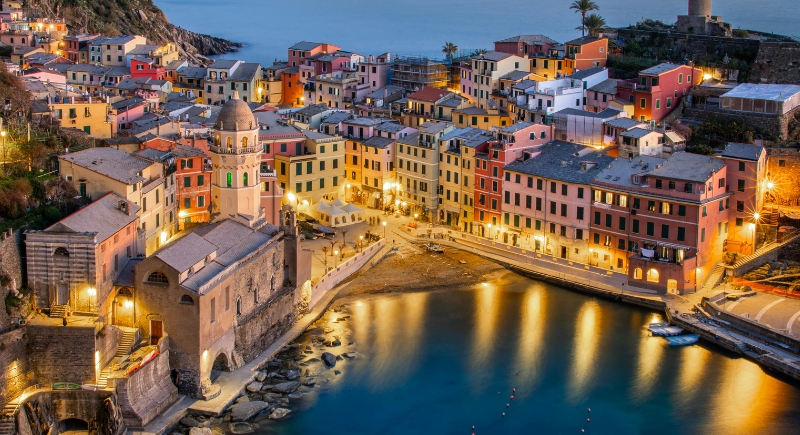
In Rome, cats stretch out on stones that were already ancient when the Roman Empire ruled the Mediterranean. One of the best-known places to see this is Torre Argentina, a set of ruins that also functions as a cat sanctuary. Volunteers look after the animals living among the crumbling temples, arranging medical care and adoptions when possible. The sight of cats lounging among columns and broken walls has become one of the city’s most recognizable scenes.
Russia
Credit: Wikimedia Commons
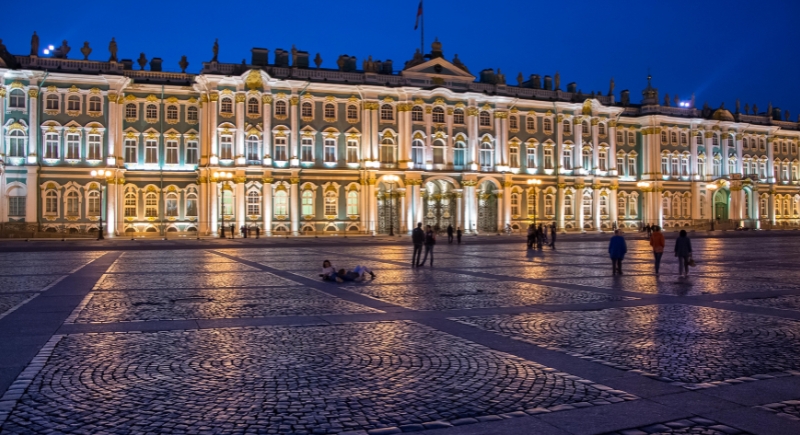
Inside the Hermitage Museum in St. Petersburg, cats patrol the building’s basement corridors.
Their presence dates back to the 1700s, when Empress Elizabeth ordered cats brought to the palace to control rodents. The museum never abandoned the practice. Today these cats are part of the institution’s identity, and the Hermitage even hosts an annual Cat Day celebrating their unusual role in protecting priceless artwork.
Malaysia

Credit: Getty Images
One city in Malaysia has built its identity around cats. Kuching, whose name is often associated with the Malay word for cat, features feline statues, murals, and decorative motifs throughout the city. The theme reaches its peak in the Kuching Cat Museum, which houses thousands of cat-related objects, artworks, and historical displays from around the world.
Turkey
Credit: Wikimedia Commons
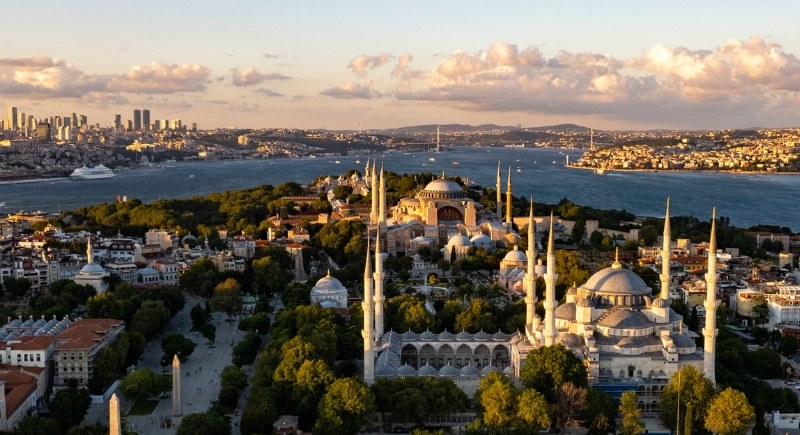
In Istanbul, seeing a cat stretched out on a café chair or wandering through a shop hardly surprises anyone. Cats move freely through the city, passing through markets, bookstores, apartment courtyards, and even the grounds of mosques as part of everyday life. Many residents leave out bowls of food and water, and small shelters appear along sidewalks when the weather turns cold. People rarely think of these animals as strays. Instead, they are treated as neighborhood companions that everyone helps care for.
United Kingdom
Credit: pexels
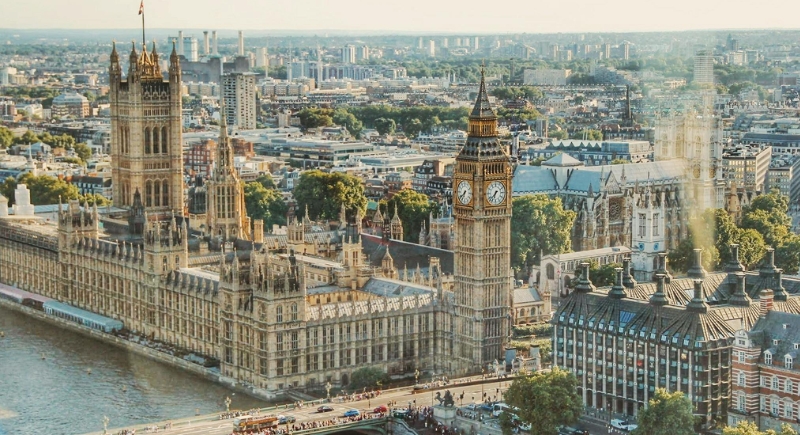
Britain’s most famous cat technically works for the government. The position of Chief Mouser to the Cabinet Office is held by a resident cat at 10 Downing Street. The current holder, Larry, helps keep rodents away from the prime minister’s residence. Cats have served in similar roles in British government buildings for centuries, though today the title has turned the tradition into a small piece of national personality.
United States
Credit: pexels
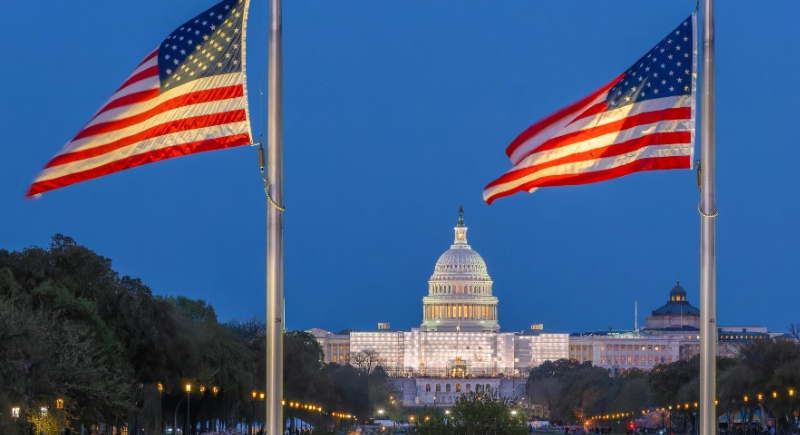
In the United States, cats dominate the internet almost as much as they dominate living rooms. Online personalities like Grumpy Cat and Nala Cat gathered millions of followers, turning everyday feline behavior into global entertainment. At the same time, animal shelters and rescue organizations across the country run adoption drives and community cat programs to help care for stray populations.