How Dogs Developed Their Unique Traits From Wolves
Watch a wolf documentary for a few minutes, then look at a French Bulldog snoring on someone’s couch. It almost feels impossible that they share the same ancestry. And yet they do. Every Chihuahua, Labrador, and Great Dane can trace its roots back to an ancient wolf population that also gave rise to the gray wolf. That shift from wary wild hunter to the dog sleeping at your feet did not happen quickly.
It took thousands of years. Small behavioral changes, survival advantages near human camps, and later, intentional breeding choices slowly shaped bodies, temperaments, and instincts. What you see in modern dogs is the long story of adaptation, trust, and human influence written into fur and bone.
Wolves Already Had the Right Blueprint
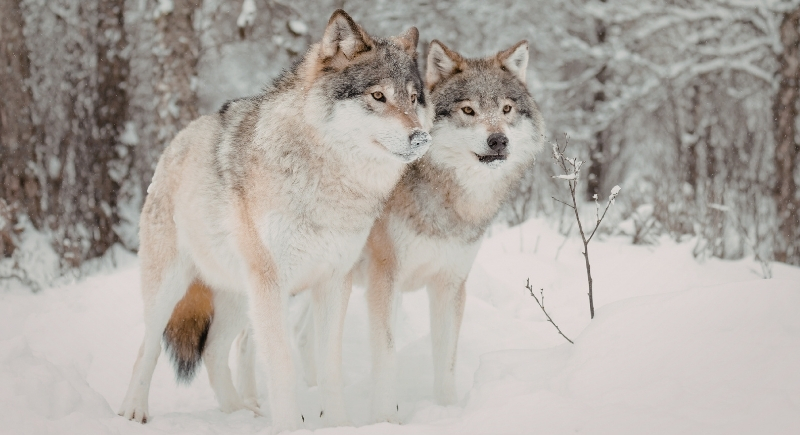
Image via Canva/Sofia Gabureanu’s Images
Wolves were always uniquely suited for domestication, even before humans ever intervened. They lived in structured social groups, cooperated during hunts, and showed strong bonding within their packs. They also possessed flexible diets and impressive memory, traits that helped them adapt to changing environments.
A species that already understood hierarchy, cooperation, and social attachment stood a far better chance of forming a working relationship with humans than a solitary animal would.
The First Big Change Was Behavioral
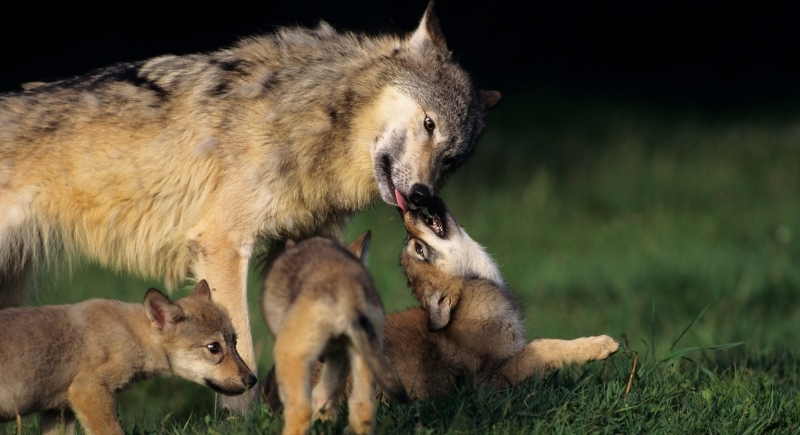
Image via Canva/Tom Brakefield from Photo Images
Scientists generally agree that domestication began roughly 15,000 to 20,000 years ago, though genetic evidence suggests it may have started even earlier. Two main ideas attempt to explain how it happened.
One hypothesis proposes that humans actively collected wolf pups from dens, raised them, and kept the most cooperative individuals. Over generations, people fed and protected these wolves while breeding those that showed reduced fear and aggression.
Another theory suggests that certain wolf populations adapted themselves to life around human settlements, scavenging waste and gradually diverging from other wolves. While debated, both explanations highlight the same turning point.
Time and Food Changed the Gene Pool
The wolf did not suddenly become a dog. The gene pool shifted gradually as certain traits accumulated. When humans consistently fed wolves and allowed only the calmest individuals to remain nearby, they created strong selection pressure. Wolves that reacted aggressively or remained highly anxious didn’t stay close to camps. Those who handled proximity well did.
Over many generations, this repeated filtering reduced fear responses and increased sociability. Behavioral shifts often triggered physical changes as well.
Domesticated animals across species tend to show similar traits, including coat variation, changes in skull shape, and altered ear carriage. These changes likely resulted from selecting for reduced stress and aggression.
Function Came Before Fashion
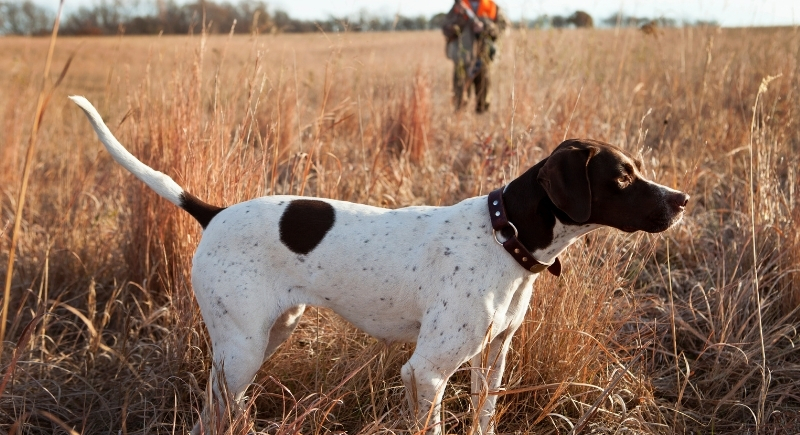
Image via Getty Images/JMichl
Early dogs served practical purposes. Humans likely valued them as companions, hunting partners, guards, and even as a cleanup crew around settlements. Because behavior mattered most, early breeding focused on working ability rather than appearance.
Genetic studies of herding dogs reveal something fascinating. Herding breeds from the United Kingdom, Northern Europe, and Southern Europe developed distinct genetic signatures linked to different herding strategies. Multiple human populations independently shaped these dogs and selected traits that met local needs.
Migration Shaped Early Dogs
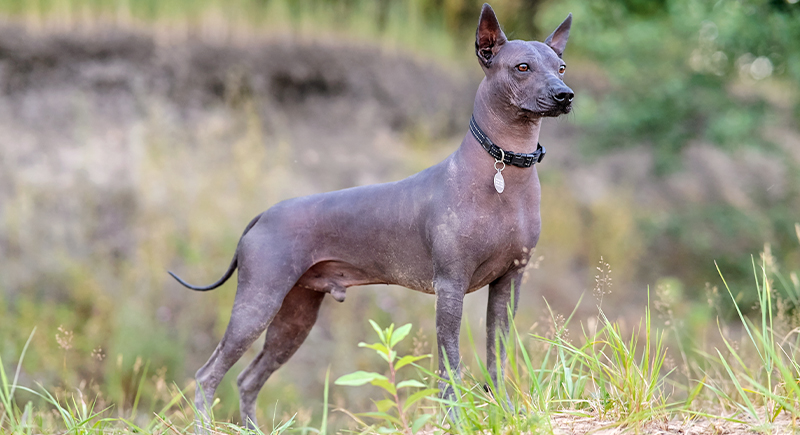
Image via iStockphoto/nickpo
Genetic research has uncovered traces of ancient dogs that crossed the Bering Strait with humans roughly 23,000 years ago. These Siberian dogs spread into the Americas and left genetic traces in certain modern breeds, such as the Xoloitzcuintle and the Peruvian hairless dog.
This evidence confirms that dogs didn’t evolve in one isolated pocket. They traveled with others, adapted to new environments, and continued to diverge as human societies expanded.
The Victorian Era Accelerated Change
Most of the breeds we recognize today developed within the last 150 years. During the Victorian period in Great Britain, interest in controlled breeding intensified. Inspired by Darwin’s ideas about selection, breeders began refining specific conformational traits.
Shorter legs, broader skulls, elongated bodies, exaggerated coats—many of these features emerged rapidly during this period. The diversity we see today largely reflects this relatively recent burst of selective breeding.
This phase created dramatic visual variety but also reduced genetic diversity in many breeds, increasing the risk of inherited diseases.
Wolves Still Live Inside Dogs
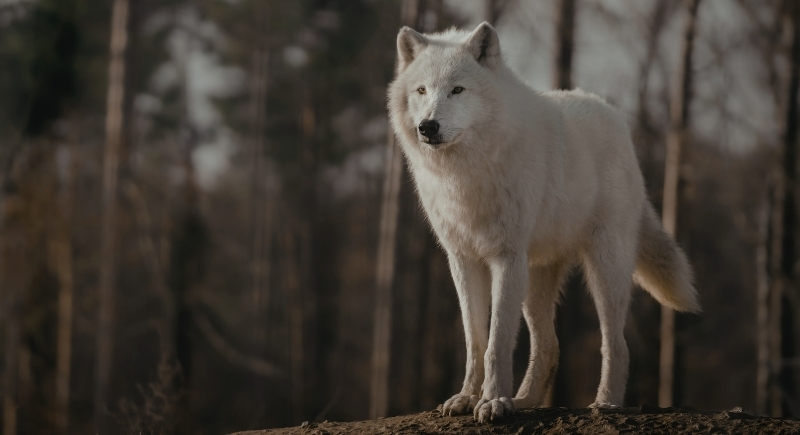
Image via iStockphoto/Sebastian Moldoveanu’s Images
Despite thousands of years of divergence, dogs remain genetically close to wolves. Their scientific name, Canis lupus familiaris, reflects that shared ancestry.
Many wolf traits persist: social bonding, communication through body language, cooperative behavior, and certain hunting instincts.
What changed most was their threshold for human connection. Dogs developed the ability to read human cues, tolerate proximity, and form attachment bonds that wolves rarely maintain outside their own pack.
A Partnership That Reshaped Two Species
Dogs were the first domesticated animal, and that partnership changed more than canine biology. As humans selected for temperament and skill, dogs influenced how people hunted, settled new territories, and protected communities. They became integrated into travel, agriculture, and daily survival.
Over time, this relationship moved beyond utility. Dogs shifted from working partners to companions woven into family life. Few domestication stories show such a deep, lasting mutual influence.