How Dogs Have Been Trained to Detect Cancer, Seizures, and Low Blood Sugar
Dogs rely on scent in ways that still surprise researchers. They have up to 300 million olfactory receptors, compared to about 6 million in humans, and can detect smells 10,000 to 100,000 times more accurately. Their noses pick up small chemical changes that most people would never notice.
That ability now goes beyond search and rescue. In studies and real-life situations, trained dogs have identified early signs of conditions like cancer, seizures, and low blood sugar, often before symptoms become clear.
Cancer Detection Starts With Scent Changes
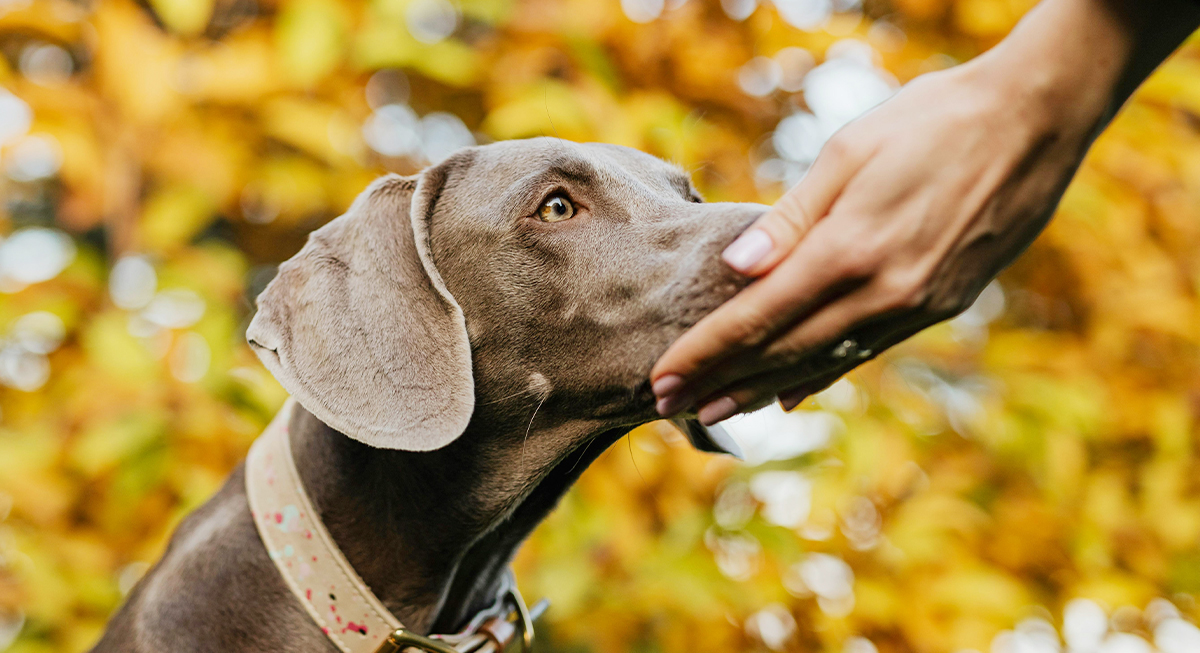
Image via Pexels/www.kaboompics.com
Research into canine cancer detection focuses on one key idea: disease changes how the body smells. Cancer cells release unique chemical compounds that show up in breath, urine, sweat, and even blood.
In a widely cited 2006 study, trained dogs identified lung cancer in breath samples with 99 percent sensitivity and specificity, and breast cancer with 88 percent sensitivity and 98 percent specificity. Other research has explored detection across bladder, prostate, skin, and ovarian cancers using similar scent cues.
Training is vital to this, as dogs learn by repeatedly identifying cancer-linked samples and receiving rewards for accuracy. Researchers, including teams at the University of Pennsylvania’s Penn Vet Working Dog Center, are working to isolate these chemical “fingerprints” so machines can eventually replicate what dogs already do.
Still, performance changes outside controlled environments. A 2016 study found lung cancer detection dropped to a positive predictive value of 30.9 percent in real-world screening. Factors like fatigue, distraction, and attention span affect results, which is why dogs are seen as a complement to medical testing rather than a replacement.
Seizure Dogs Focus On Response, Not Prediction
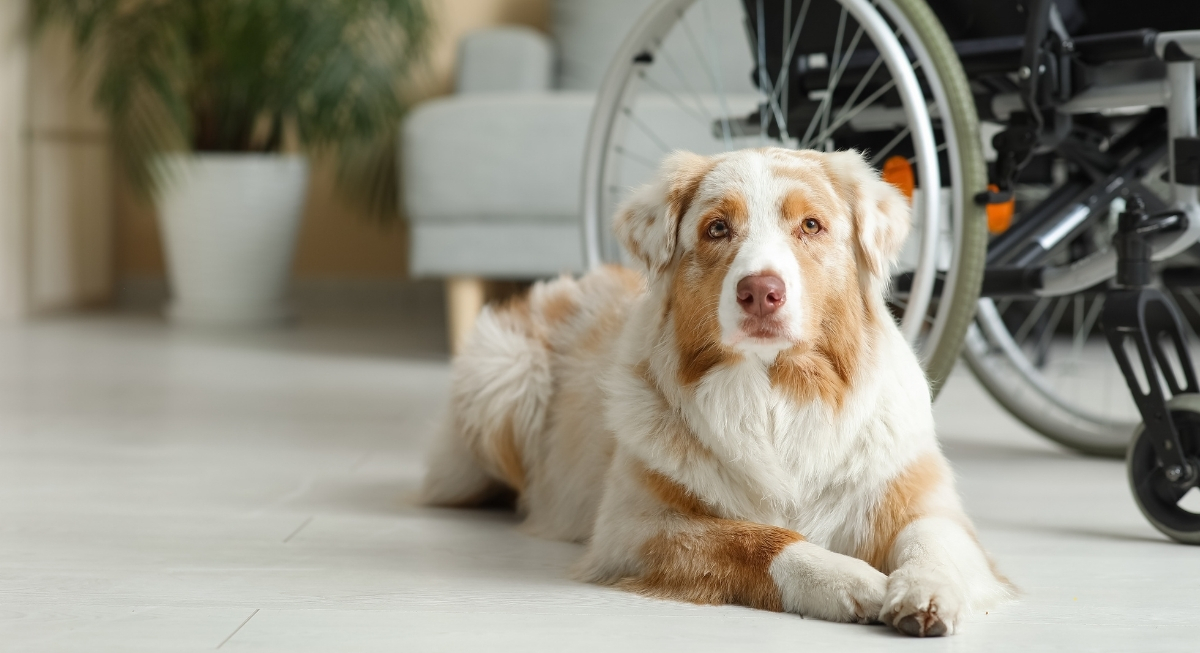
Image via Canva/pixelshot
Dogs trained to assist people with epilepsy already play a practical part in daily life. These seizure dogs are taught to respond when a seizure happens or immediately after. Common tasks include barking to alert family members, lying next to someone to prevent injury, or activating an alarm system.
Some dogs are trained to position themselves in a way that reduces the risk of a fall at the onset of a seizure. These dogs provide steady support and help reduce risks during episodes.
Low Blood Sugar Detection Happens In Real Time
Diabetic alert dogs show how scent detection translates into everyday health management. These dogs are trained to recognize changes in blood sugar levels and alert their owners before the situation becomes dangerous.
When blood glucose drops or rises sharply, the body releases specific chemicals in breath, sweat, and saliva. One compound linked to low blood sugar, isoprene, has been identified in breath samples during controlled studies. Dogs learn to detect these changes through training that uses real scent samples collected during different glucose levels.
Alerts vary by training. Some dogs nudge or paw, while others bark or retrieve a glucose monitor. In some cases, dogs have detected low blood sugar before the person experienced symptoms.
Accuracy also varies. Studies show diabetic alert dogs often perform better than chance, with overall sensitivity around 57 percent, though results differ widely between dogs. Continuous glucose monitors still provide more consistent readings, especially overnight when dogs are less reliable. Even so, many people report fewer severe episodes and greater confidence in daily activities when using a trained dog alongside standard care.