How Millions of Rabbits Stopped a Desert From Swallowing the Land
China has spent decades trying to stop a slow but serious problem. Sand from expanding deserts began creeping across roads, farms, and villages, forcing some communities to move. By the early 2000s, about 27 percent of the country’s land showed signs of desertification. In Inner Mongolia’s Kubuqi Desert, dunes pushed forward year after year, swallowing productive land and putting pressure on already limited water supplies. Officials experimented with wells, grazing limits, and sand barriers, yet the desert kept advancing.
The Desert That Wouldn’t Sit Still
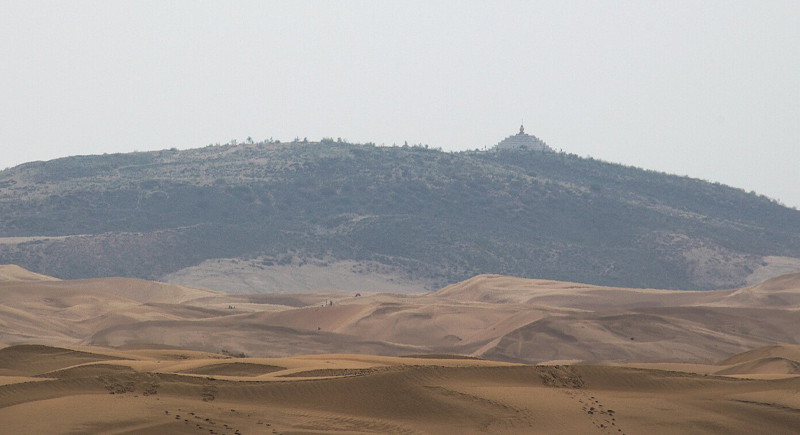
Image via Wikimedia Commons/Popolon
The Kubuqi Desert covers about 7,000 square miles in northern China. For years, shifting dunes damaged roads and swallowed cropland. Harsh winters and scorching summers made reforestation difficult, and wind erosion stripped soil of nutrients.
Beijing had already launched large-scale anti-desertification campaigns in the late 20th century, including the Three-North Shelterbelt Program that began in 1978. Planting trees helped slow the wind, yet stabilizing sand did not automatically create fertile soil. Sand can sit in place and remain lifeless. This gap pushed planners to think beyond trees.
Trees Came First
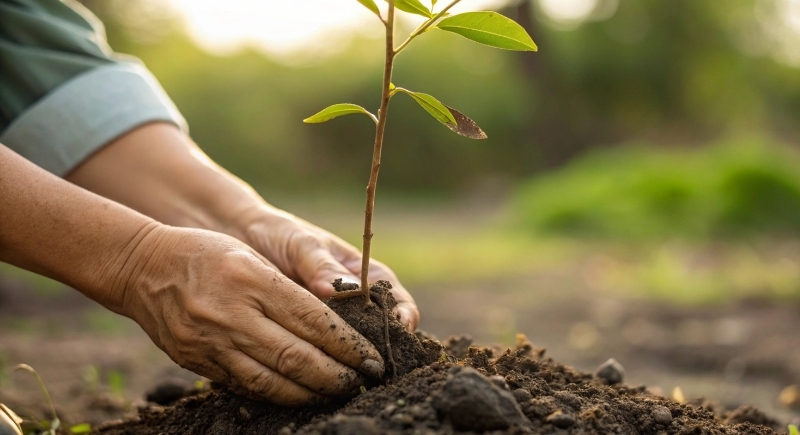
Image via Canva/adwa
Willow species that tolerate dry conditions became a key part of the plan. Their deep roots can reach groundwater and hold shifting dunes in place. Planting them required careful work. Crews first mapped where moisture existed beneath the sand. They then used water jets to drill into damp layers, placed seedlings into the openings, and protected them with fencing to limit wind damage.
The roots helped steady the sand, but that alone did not improve the soil. Desert sand contains very little nitrogen, phosphorus, or potassium, the nutrients plants need to grow. Officials needed a way to build fertile soil without transporting huge amounts of fertilizer. That is where rabbits entered the plan.
The Role of 1.2 Million Rabbits
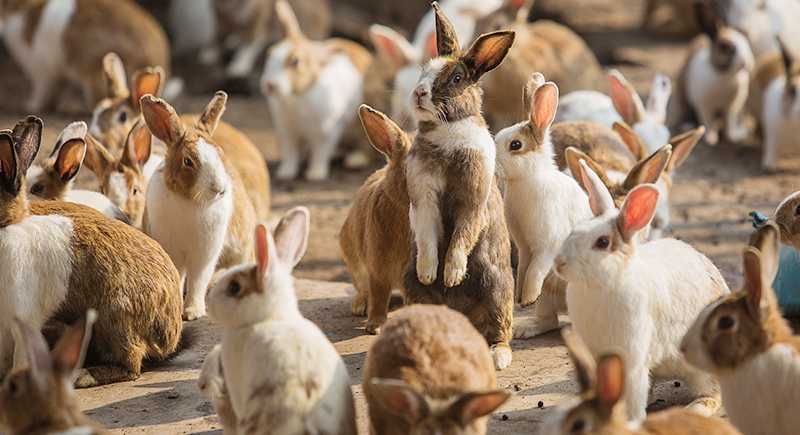
Image via iStockphoto/EyeEm Mobile GmbH
Reports describe the use of roughly 1.2 million Rex rabbits in a controlled agricultural system tied to desert recovery efforts. The animals were not released into open dunes, but they were raised on managed farms near willow plantations.
Willow leaves served as feed. Rabbit manure, rich in nitrogen and organic matter, returned to the land as fertilizer. Over time, manure breaks down into humus, which darkens soil and improves moisture retention. Increased organic content allows sand to hold water longer and support grasses and shrubs.
Rabbits also added an economic benefit to the project. Rex rabbits are raised for both meat and fur, which creates a steady source of income for local communities. That revenue helps cover the costs of fencing, tree planting, irrigation, and labor. In the Kubuqi region, desert restoration projects have generated billions of yuan through related industries. An animal known for damaging ecosystems in Australia has become a useful agricultural resource in Inner Mongolia under careful management.
Solar Power
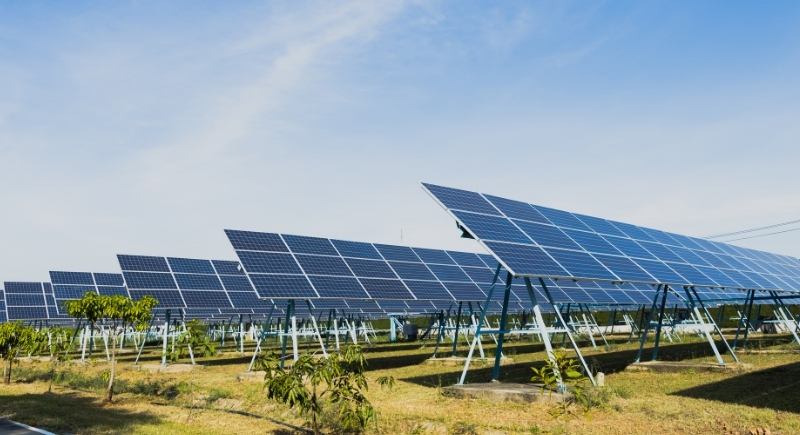
Image via Canva/Khwanchai Phanthong’s Images
The strategy did not stop with trees and livestock. The Kubuqi Desert is also home to major solar installations. In 2019, a large solar farm shaped like a galloping horse was completed in the region, containing hundreds of thousands of panels.
Solar arrays do more than generate electricity. Panels cast shade, reduce surface temperatures, and lower evaporation rates beneath them. Structures also reduce wind speed at ground level. These factors create pockets where vegetation can more easily establish itself. In some areas, sheep graze under panels to control grass growth, turning power plants into dual-use landscapes.
What Changed Underground
One of the more striking claims tied to the Kubuqi restoration effort involves groundwater recovery. Regional reports indicate that in certain project zones, the water table rose between 1.5 and 2 meters over roughly two decades. Increased vegetation reduces erosion and improves water infiltration, which can help stabilize aquifers when paired with careful management.
Desertification once defined this region as the “sea of death.” Today, sections support agriculture, renewable energy, and livestock operations within a coordinated framework. Engineering did not overpower the desert through force. It reorganized trees, animals, and energy infrastructure into a managed system designed to rebuild soil step by step. And that is how 1.2 million rabbits became part of one of the world’s largest ecological recovery experiments.