How Penguins Survive and Raise Chicks in Extreme Cold
Emperor penguins raise their chicks in conditions that would overwhelm most animals. Winter temperatures can fall to minus 50°F, winds are relentless, and food is out of reach for months at a time. Yet each year, they return to the same frozen breeding grounds and make it work. Their survival depends on careful timing, physical adaptations built for the cold, and a level of cooperation that turns open ice into a functioning nursery.
Built For Brutal Cold
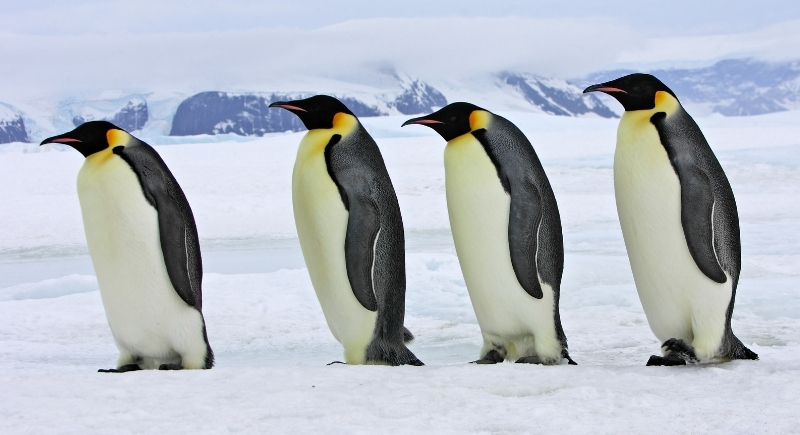
Image via Getty Images/Michel VIARD
Emperor penguins carry physical tools that keep their body heat locked in, even when air temperatures drop below -50°F and blizzards last for days. Several layers of dense, scale-like feathers trap air close to the skin, while a thick layer of fat provides insulation. Genetic research shows that penguins have extra copies of beta keratin genes, which allow them to grow short, densely packed feathers that lock in warmth, repel water, and shield their bodies from harsh winds.
Their body shape also reduces heat loss. Smaller beaks, flippers, and feet limit surface area exposed to cold air. Blood vessels in the extremities recycle heat through countercurrent exchange, meaning warm blood heats cooler blood returning toward the body’s core.
Teamwork Keeps Eggs Alive
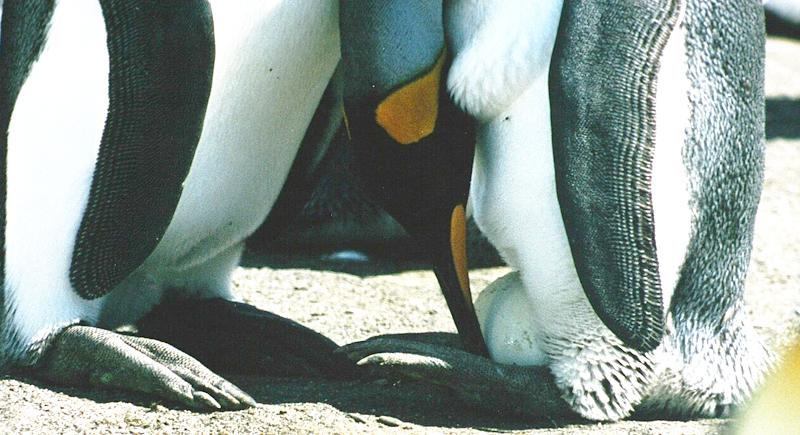
Image via Wikimedia Commons/Mbz1
The breeding calendar runs like a strict schedule. Adults spend the early months feeding at sea to build fat reserves. Then, colonies march more than 60 miles inland across sea ice to breed. After mating, females lay a single egg and head back to sea to feed. Males take over incubation duties, balancing the egg on their feet under a warm brood pouch. Dropping the egg can cause it to freeze quickly, so transfers are done carefully.
During incubation, males can fast for close to four months and lose about half their body weight, and survival depends heavily on huddling behavior. Thousands pack together, rotating positions so each bird gets time shielded inside. Heat loss can drop about 50 percent inside these groups, and temperatures inside large huddles can reach about 95°F while the outside air stays far below freezing.
Raising Chicks In The Harshest Season
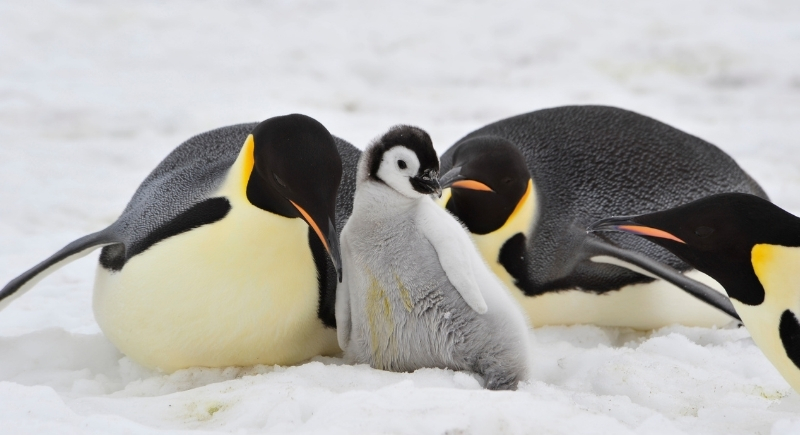
Image via Getty Images/vladsilver
Chicks usually hatch around August. Timing is important because young birds need several months to grow waterproof feathers before summer sea ice begins to break up. Parents trade off feeding duties and travel long distances to hunt for fish, krill, and Antarctic silverfish. Hunting often happens hundreds of feet below the surface. Some emperors have reached depths of more than 1600 feet and stayed underwater for more than 20 minutes.
Chicks often gather in groups called creches while parents hunt. These clusters help conserve heat and reduce exposure to predators. Families reunite using unique vocal calls, allowing parents to find one chick among thousands. Juveniles eventually head toward open water and must quickly learn to survive on their own.
Evolution And The Long Survival Story
Penguins first appeared roughly 60 million years ago, with the emperor and Adélie species splitting about 23 million years ago. Genetic shifts helped turn wings into strong flippers optimized for underwater movement. Other changes improved fat storage, helping birds survive long periods of fasting during the breeding season.
Vision also evolved, as Penguins have fewer color-detection genes than many birds but show stronger low-light vision traits, helping emperors function during the dark winter months.
Population data suggest that emperor penguins handled past ice-age conditions well, remaining stable during colder eras while other species fluctuated. Still, climate models suggest major colony losses could occur this century if sea ice declines significantly, since stable ice is critical during the breeding season.