How to Attract Owls to Your Backyard (and Why You’d Want To)
Owls offer a kind of help that’s easy to overlook until you see the impact. A single bird can keep mice, rats, and other small animals in check around your home, often covering more ground than any trap or deterrent. For anyone dealing with rodents near a garden or living space, that steady, natural control makes a real difference without extra effort or added cost.
There’s also a different kind of appeal that goes beyond practicality. Most people know owls are nearby, but rarely get a clear look at one. When your yard starts to suit them, those brief, distant encounters can turn into something more regular. It might still be a quick movement at dusk or a call in the evening, but it feels closer and more connected to the space you’re in.
Stop Thinking Like a Bird Feeder
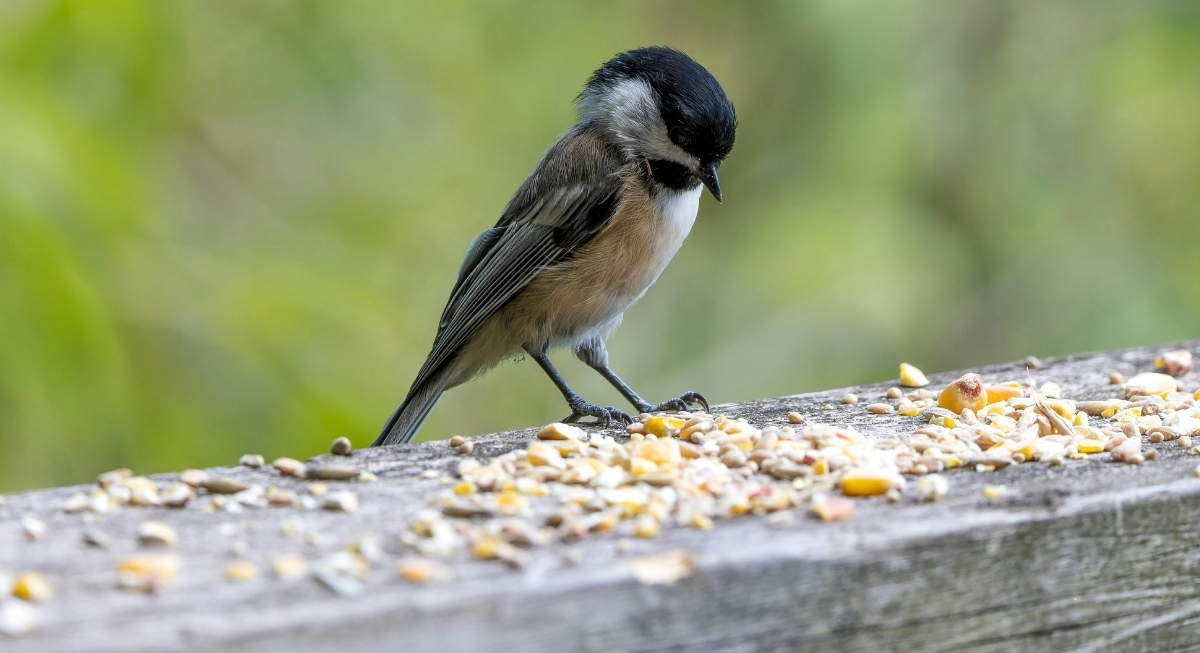
Image via Pexels/Yz ZZZ
The usual backyard playbook doesn’t apply here. Feeders, seeds, and bright lights won’t help. In fact, they can push owls away. Owls hunt live prey. That means your yard needs to support the animals they eat. If insects and small mammals thrive, owls take notice. If those disappear, so do the owls.
Lighting is also important. Sudden flashes or bright outdoor lights interrupt their hunting patterns. Keeping the yard darker at night makes it easier for them to move and hunt.
Give Them a Place to Stay
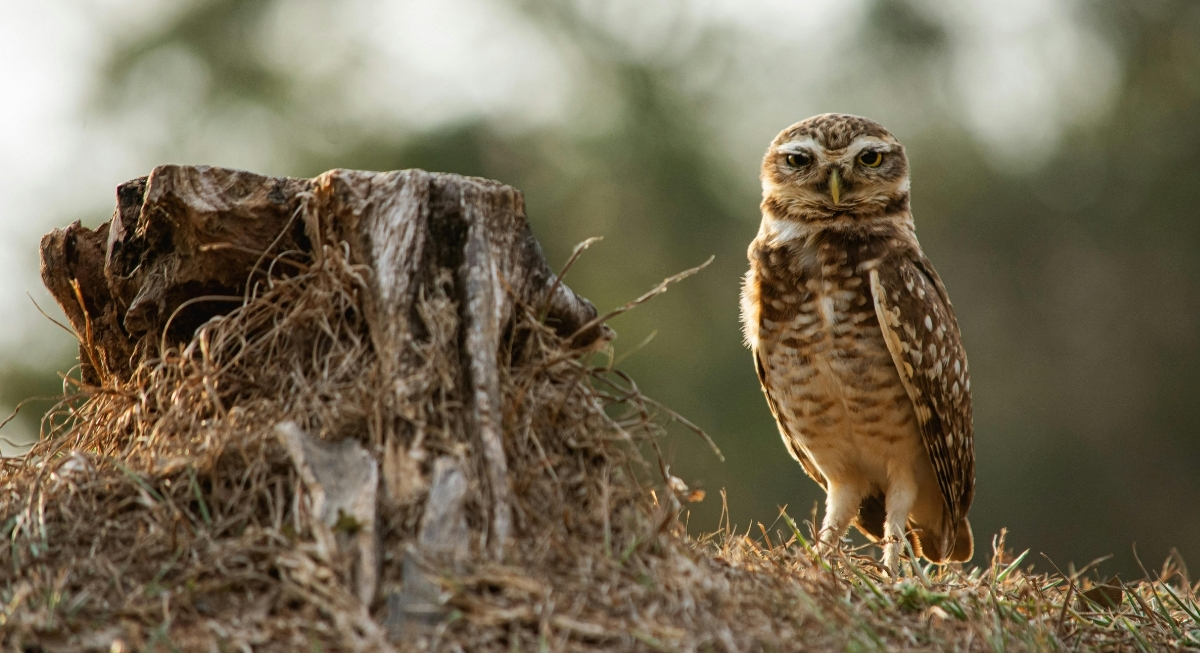
Image via Pexels/Jerson Martins
Shelter is the turning point, as owls don’t hang around without a safe place to rest or nest. Many species rely on tree cavities or dead trees, often called snags. Leaving a standing dead tree, if it’s safe to do so, can create a ready-made home. Even large dead limbs with natural hollows can work.
If that’s not an option, a nesting box can do the job. Smaller species like screech and saw-whet owls will use boxes designed for their size. A typical screech owl box is about 16 inches tall, with an entrance hole about 3 inches wide. Mount it about 10 feet off the ground in a shaded area, ideally near open space where owls can hunt.
Skip the perch. It may look helpful, but it gives predators an easy foothold. Untreated wood works best, and adding drainage holes and a small layer of wood chips inside helps keep the space usable. Larger owls, like great horned owls, usually prefer open nests rather than enclosed boxes, so expectations should match the species in your area.
Build a Yard That Feels Safe
Owls spend the day hidden, so cover is essential. Dense trees, especially evergreens like pine or cedar, give them a place to rest out of sight. Native plants also help by supporting insects and small animals that become food later on.
A yard with layers of vegetation creates a more complete habitat. Open areas nearby give owls room to hunt, while thicker sections offer protection during daylight hours.
Keep the System Working
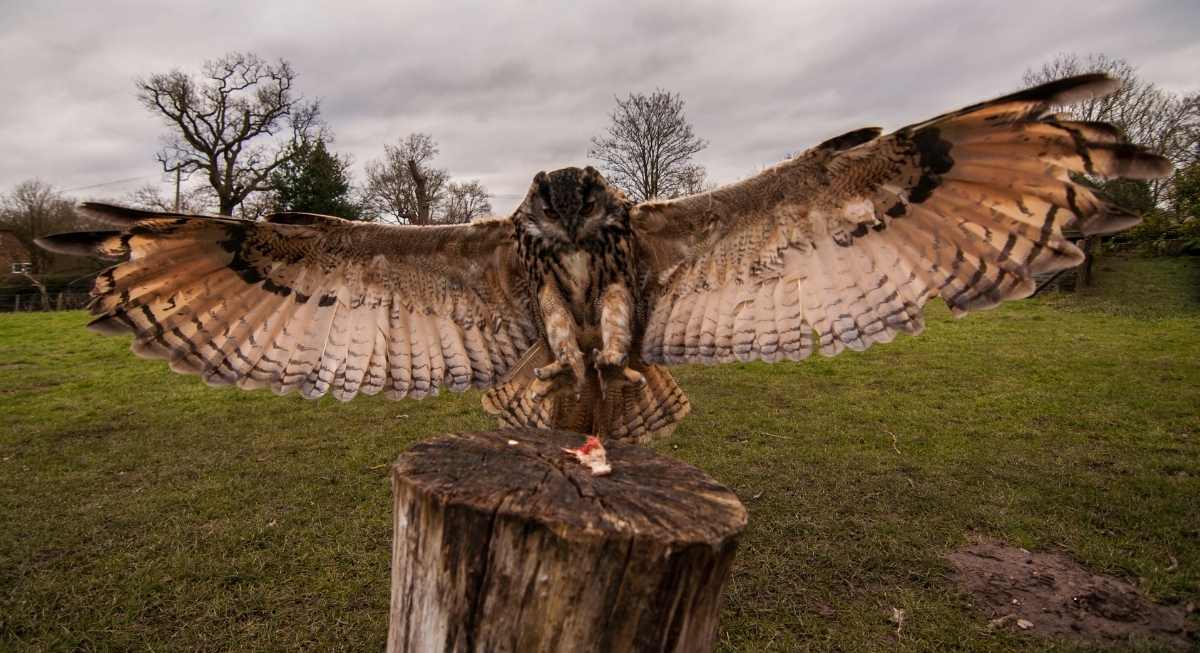
Image via Getty Images/Matt_Lyford_Photography
Once owls start using a space, small choices can make a big difference. Rodent poison is one of the biggest risks. An owl that eats a poisoned mouse can become sick or die. The same goes for insecticides that reduce their food supply or pass toxins up the chain.
Pets need attention, too. Small cats and very small dogs are vulnerable at night, and roaming pets can also reduce the prey that owls depend on. Keeping them indoors after dark protects both sides.
It’s also worth resisting the urge to interfere. Feeding owls or leaving out dead animals can make them dependent on people, which creates long-term problems. When everything lines up, the yard starts handling its own pest issues, and those quiet nighttime sounds finally have a clear explanation.