How to Build a Native Plant Pollinator Garden in Your Backyard
A pollinator garden is one of the few backyard projects that can look good, cut maintenance, and do something useful at the same time. However, you can’t expect bees to show up just by planting flowers. If you want it to actually work, you need to think about what pollinators use your yard for, not just how it looks.
That comes down to a few practical choices. Pick plants suited to your region, plan for blooms across the season, and arrange the space so insects and birds can feed, rest, and reproduce. Once those pieces are in place, building a pollinator garden becomes much more manageable, whether you’re working with a full backyard or just a few containers on a patio.
Start With The Yard You Actually Have
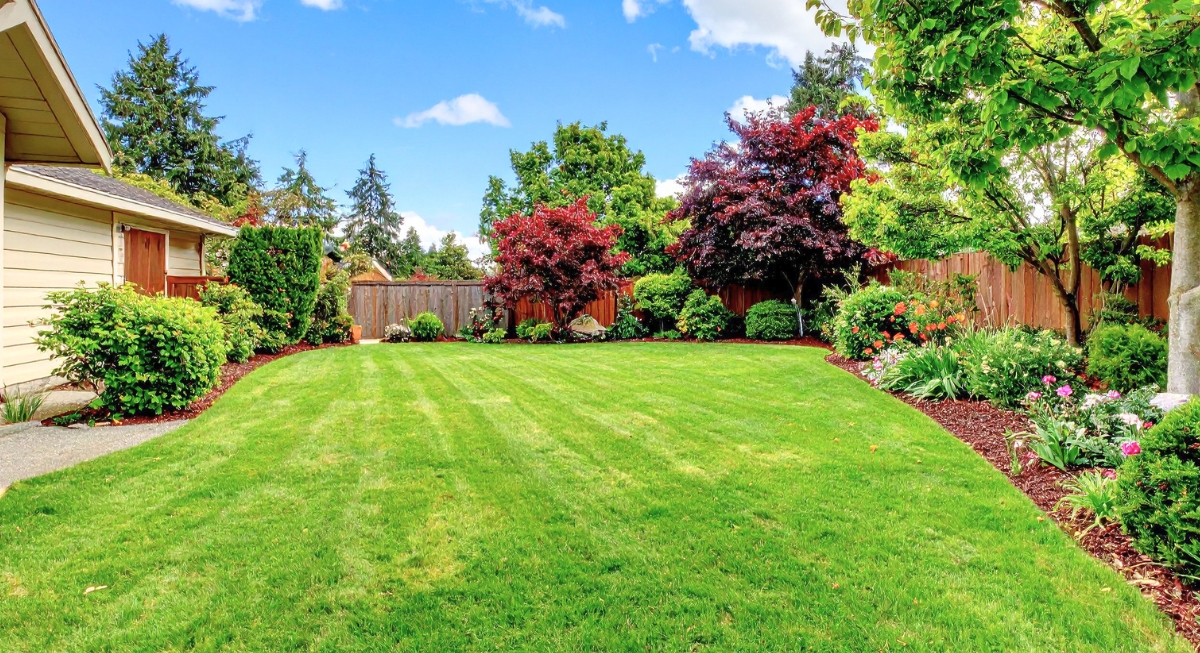
Image via Canva/TrueCreatives
A good pollinator garden starts with a reality check. Look at sunlight first. Many popular pollinator plants do best in full sun or partial sun, and pollinators like butterflies also like warm, sunny spots where they can rest and feed.
Wind matters too, since a sheltered area is easier for pollinators to use regularly. Then check the soil. Is it sandy and quick to drain, or heavier and clay-like? This determines what will thrive there. If you skip this part and buy plants based on looks alone, the garden can turn into an expensive lesson.
The smartest move is to match plants to your soil and light instead of trying to force the yard into something it is not.
Size matters less than people think. A full backyard works, but so do raised beds, flower boxes, and large containers on a deck or patio. Pollinator gardening is not reserved for people with huge lots and endless time. Small spaces still count when planted with purpose.
Build Around Native Plants First
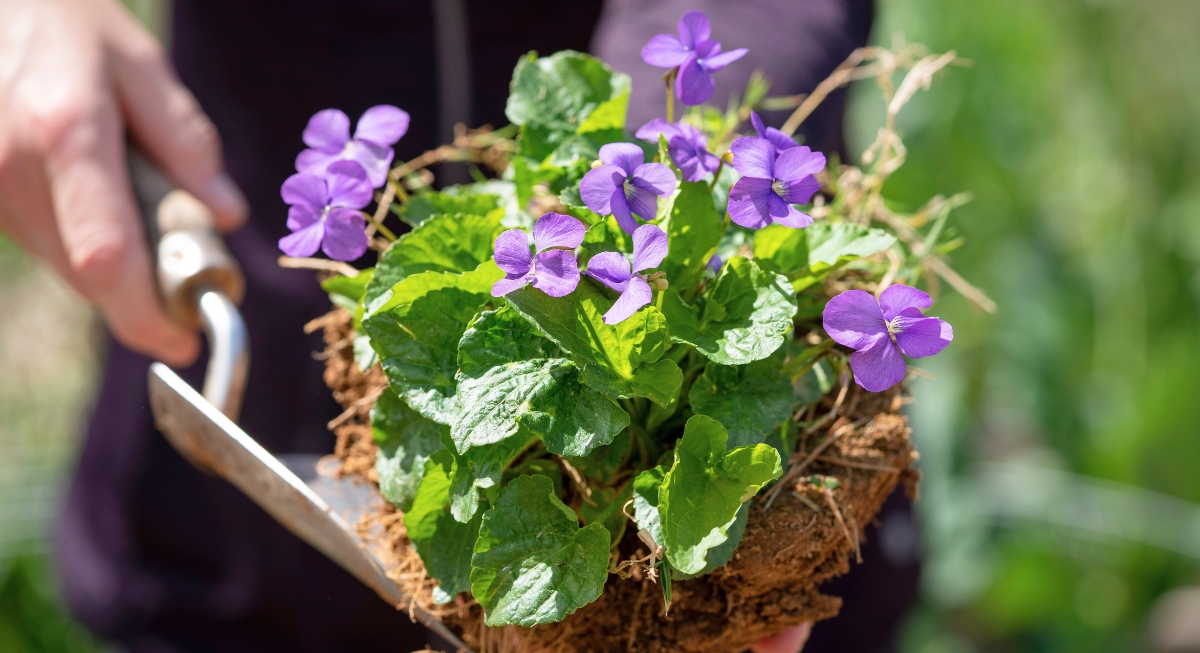
Image via Getty Images/nadiasphoto
Native plants do the heavy lifting because they are already suited to your local soil, weather, and pollinators. They usually need less maintenance once established, and their bloom times tend to line up with the entire life cycles of the insects and birds that depend on them.
Some native plants flower when early spring bees emerge. Others carry the garden through late summer and fall, when migrating monarchs still need nectar. Imported ornamentals often cannot perform as well as they do.
Monarch caterpillars, for example, need milkweed as a host plant. Without it, you can attract adult butterflies and still fail to support the next generation. The same principle applies to other pollinators with strong ties to specific native plants.
That does not mean every plant has to be native in a strict all-or-nothing way. Annuals and herbs can still add value. Blooming herbs such as basil, oregano, rosemary, and lavender can feed pollinators, and parsley or dill can serve as host plants for black swallowtail caterpillars.
Make Sure Something Is Blooming For Months
One of the easiest mistakes is planting for one pretty stretch in summer and calling it a pollinator garden. Pollinators need a food source across the season, from early spring into fall. That means you need bloom overlap, not one big burst followed by a long quiet stretch.
This is where planning gets practical. Pick a few early bloomers, a strong summer set, and plants that keep going late. The garden will look fuller for longer, and pollinators will find it more useful than random.
A four-season mindset also helps you avoid the common backyard problem where everything peaks at once and then fades fast.
Group Plants Like You Mean It
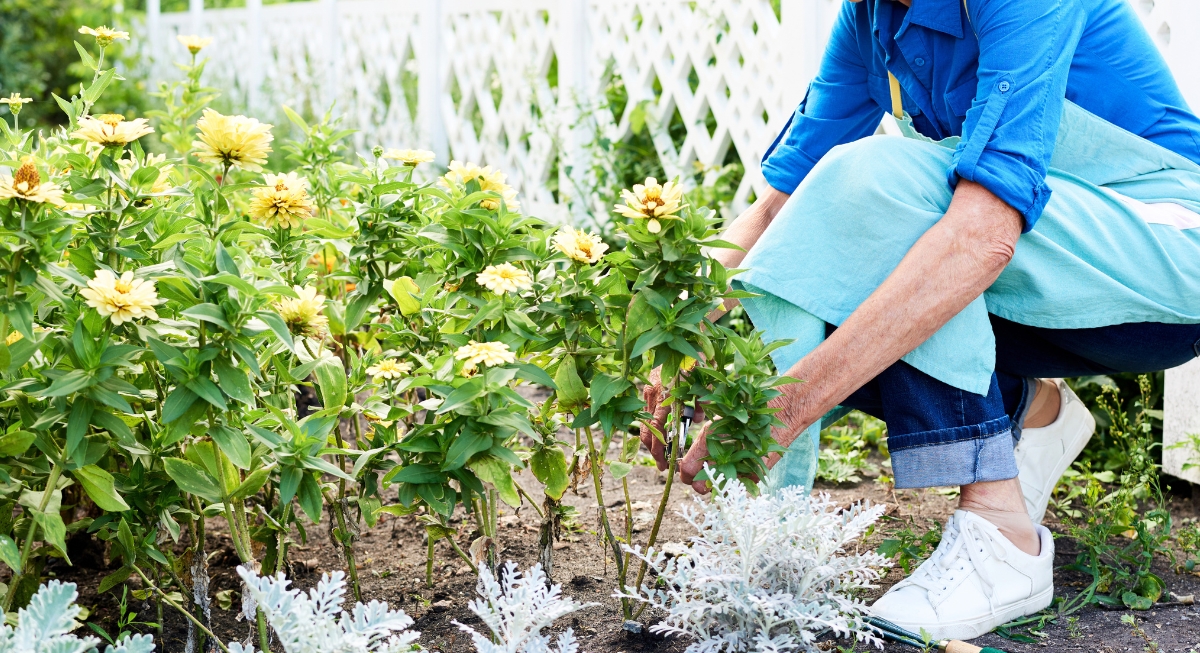
Image via Canva/Konstantin Pelikh
Scatter-planting makes the garden harder for pollinators to use. Planting in clusters of the same species helps bees and butterflies find food more easily. A patch of one flower type is more visible and more efficient than single stems spread everywhere.
Dense planting helps too. It reduces open ground where weeds can take over, gives the garden a fuller look faster, and creates cover from wind and weather. If space is tight, think vertically. A trellis with a suitable vine can add more habitat without taking up much ground.
In containers, combine different heights and textures so the planting is both useful and visually strong.
Prep The Ground Before You Plant Anything
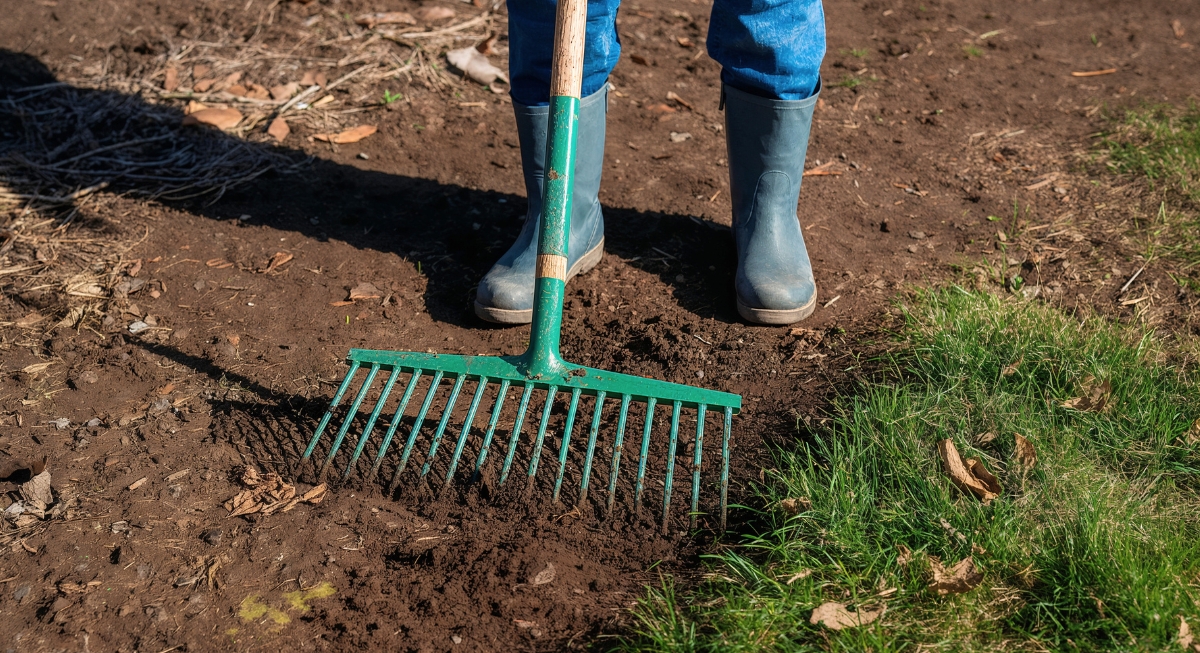
Image via Canva/Zulqarnain’s Images
If your backyard is currently lawn, weeds, or a mix of both, that has to be handled first. You can remove grass and existing cover by digging, solarization, or other site-clearing methods. If the whole yard feels overwhelming, do it in phases. Converting one section each year is still progress, and it is a lot more realistic for most people.
Once the area is cleared, loosen the soil and work in compost or organic matter. Good soil prep gives plants a better start and cuts down on frustration later. Add mulch after planting to help with weeds and moisture retention.
Raised beds and containers can make the setup easier, especially in smaller spaces or on sites with poor soil. Just make sure containers are large enough for roots to grow and have solid drainage. Big pots dry out more slowly, which makes maintenance more manageable in summer heat.
Decide Whether You Want Seeds Or Starter Plants
Seeds are cheaper and make sense for larger spaces, but they take more patience. In many cases, they should be sown in the fall or late winter so they have time to settle in and germinate properly.
Starter plants cost more, but they give you a faster payoff and can bring pollinators into the yard sooner. That choice really comes down to budget, timeline, and how quickly you want the space to look established. If you are the type who wants visible progress right away, starter plants are the safer bet. If you are building a bigger area and can wait, seeds stretch your money much further.
Add Water And Places To Nest
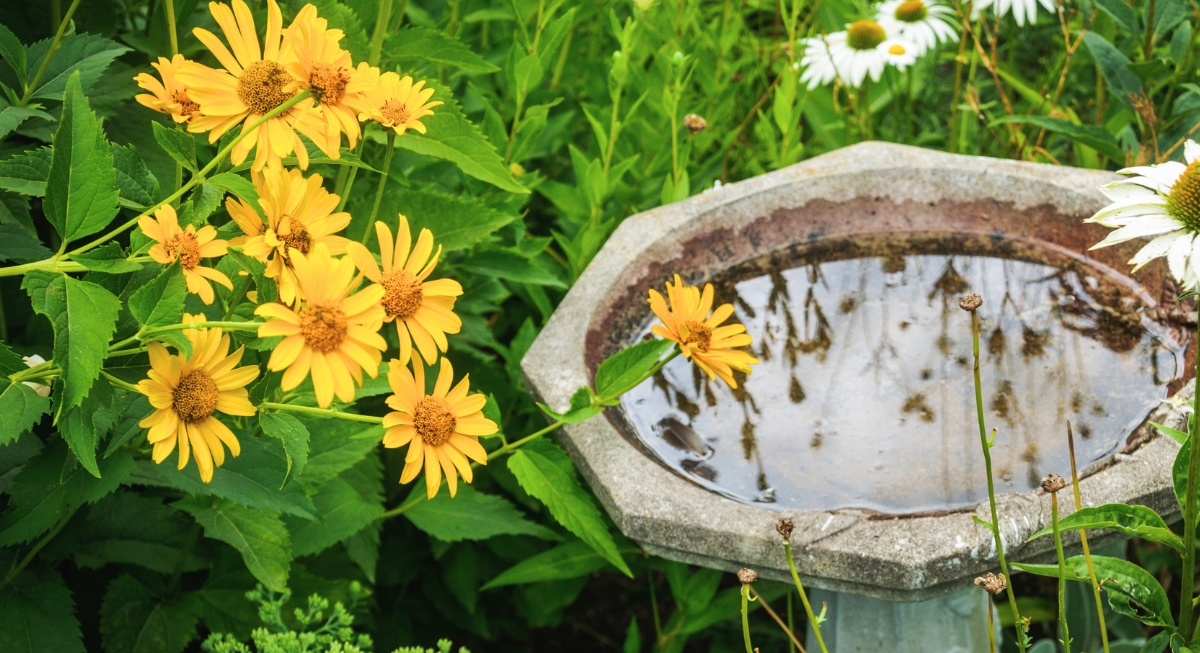
Image via Getty Images/KenWiedemann
Flowers alone are not enough. Pollinators also need water and shelter. A shallow water source, such as a birdbath with rocks for landing spots, helps bees and other insects drink safely. Butterflies will also use wet, mineral-rich puddling spots. Hummingbirds need water, too, and a shallow bath can help.
Nesting space matters just as much. Some native bees use tunnels in wood or hollow stems. Others need bare patches of ground, while some nest in leaf litter.
A bee house can help certain species, but it should be part of a larger habitat setup, not the whole plan. Leaving some areas less polished can actually make the garden more useful.
Skip The Chemicals That Undercut The Goal
If you want pollinators to visit, avoid plants treated with pesticides, insecticides, or neonicotinoids. It is also smart to keep pesticide use in the garden as low as possible. Otherwise, you can end up building a pollinator space with one hand and damaging it with the other.
Buying from nurseries that specialize in native plants can make this easier, since they are more likely to understand regional plant needs and treatment concerns.
A pollinator garden is not an instant-finish project. Some plants settle in quickly, while others take a season or two before they really show what they can do. The early job is to water, weed, watch, and adjust.