How to Know When It’s Time: A Vet’s Guide to End-of-Life Decisions for Pets
Time passes quickly with a pet. One year, your dog is sprinting across the yard or begging for a walk, and before you know it, the muzzle turns gray and getting up takes a little longer. Many families reach a moment when they start wondering what their pet is feeling and whether keeping them around is still the kindest choice. Veterinarians say this is one of the most difficult decisions pet owners ever face.
Quality Of Life Is The Starting Point

Image via Canva/SeventyFour
Veterinary guidance almost always begins with the same phrase: quality of life. Dr. Mary Gardner, DVM, a University of Florida graduate and co-founder of Lap of Love, a nationwide veterinary hospice network, explains that the decision depends on several factors working together. These include the pet’s medical condition, their personality, the family’s beliefs, and the practical ability to provide care.
Health status usually holds the most importance. Severe mobility problems, organ failure, advanced cognitive decline, or persistent pain often signal that a pet may be approaching the end of life. Veterinarians assess how quickly an illness is progressing and whether treatment can keep the pet comfortable. Even with serious disease, many animals still enjoy meaningful daily moments. That is why vets also encourage families to look beyond medical charts and watch their pet’s behavior.
Behavior Often Reveals The Truth

Image via Getty Images/EvaMencnerova
Animals communicate distress in subtle ways. Changes in appetite, difficulty walking, loss of interest in favorite activities, or withdrawal from social interaction can indicate declining well-being. Some pets struggle with basic routines such as drinking water, taking medication, or going outside.
Veterinary hospice providers frequently suggest tracking good days and bad days. When difficult days begin to outnumber comfortable ones, quality of life may be slipping. Behavior can also reflect anxiety rather than pain alone. In late stages of illness, dogs sometimes pace, pant, cry, or remain restless at night. Veterinarians say these signs can signal that the body is struggling and the animal feels vulnerable.
The Hard Reality Of Waiting Too Long
Many pet owners fear making the decision too early. Veterinary hospice teams often see the opposite problem. Families facing end-of-life care for the first time commonly wait until the very last stage of decline. Later, many say they wish they had acted sooner after seeing how much discomfort their pet experienced in those final days.
The goal of euthanasia in veterinary medicine is the prevention of suffering rather than reacting after severe distress has already begun. Humane euthanasia can allow a calm and peaceful passing before an emergency develops.
Veterinarians also explain that natural death in pets rarely resembles the quiet sleep many people hope for. Even with hospice care, natural passing can involve dehydration, breathing problems, or prolonged discomfort.
Understanding What Actually Happens
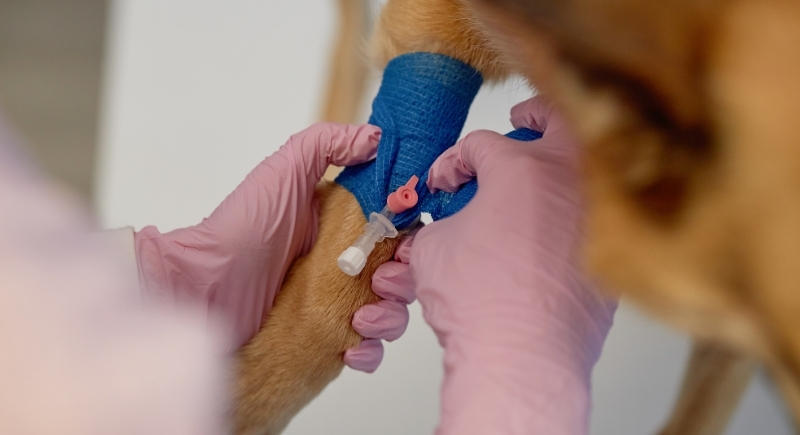
Image via Canva/SeventyFour
Knowing what to expect during euthanasia often helps families feel more prepared. The procedure is designed to be quick and painless. A veterinarian usually places a small catheter into a vein in the pet’s front leg. Once everything is ready, the vet administers a medication containing pentobarbital, a drug historically used as an anesthetic.
The medication causes the pet to lose consciousness within moments. Breathing slows, the heart stops, and the veterinarian confirms that the pet has passed peacefully. Some families choose to stay with their pet during the procedure by offering comfort and familiar voices.
Preparing For The Final Appointment
When timing allows for planning, vets encourage families to consider a few details before the appointment. Many clinics offer both in-hospital and at-home euthanasia services. A home visit allows the pet to remain in a familiar space, which can reduce stress. Clinics provide immediate access to medical equipment and staff support.
Owners sometimes bring a favorite blanket, toy, or bed to the appointment. Some schedule the visit during a quieter time of day so the experience feels calm rather than rushed. Veterinarians also advise discussing aftercare in advance. Options may include cremation, burial, or memorial keepsakes that help families honor the bond they shared with their pet.