How Treats Are Sabotaging Your Dog’s Weight
We reward our dogs all the time. They follow a command, wait patiently, or just look especially cute, and we hand over a treat without much thought. It feels normal. It feels like part of caring for them.
But those small extras add up. In 2018, the Association for Pet Obesity Prevention reported that 56 percent of dogs in the United States are overweight or obese. Extra weight increases the risk of type 2 diabetes, joint strain, and a shorter lifespan. Most of us are not trying to overfeed. The issue often comes from everyday rewards that quietly push calorie intake higher than we realize.
The Three-Calorie Trap
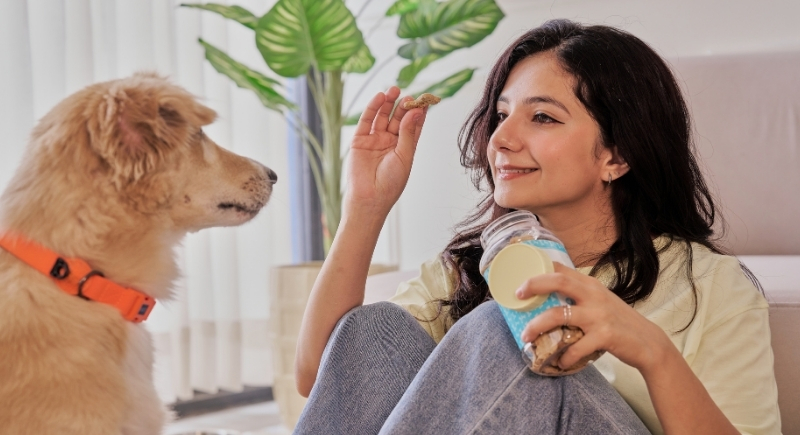
Image via Canva/Shreshth Sharma
Treats feel tiny, and many clock in at just 2 or 3 calories each. That sounds harmless until the math adds up. Take a popular soft training treat that contains three calories per piece. About 50 of them fit into a quarter cup, which takes he calories to 150. For comparison, a quarter cup of some kibble contains around 93 calories. The “light” treat can deliver far more energy than a regular meal.
Food labels also overestimate how much dogs need. Calorie calculators such as the one provided by Pet Obesity Prevention often suggest lower totals than the feeding charts printed on bags. When the bowl gets filled according to the bag, and treats stack up during the day, weight gain follows. The issue is not that treats exist, but that they get added on top of everything else.
Free Feeding And Friendly Sabotage
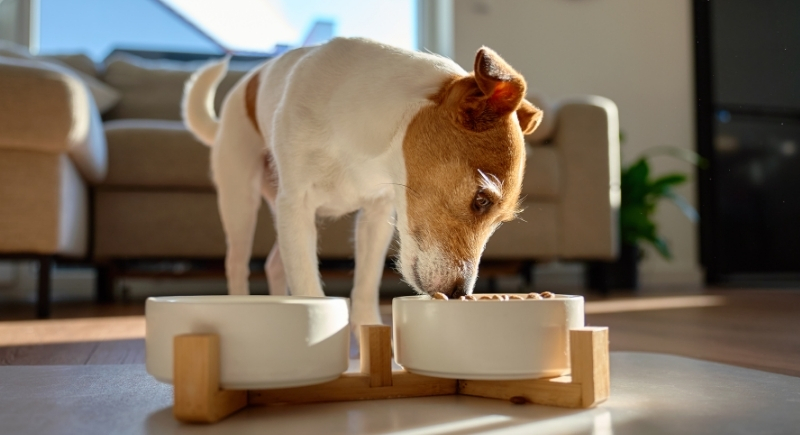
Image via Canva/aliaksandrbarysenka
Leaving food out all day makes it hard to track intake. Dogs eat when food is available, and this behavior makes sense for survival. In a modern kitchen, it means calories creep upward. Families can add to the problem without realizing it. One person hands out a biscuit after a walk, another shares a bite of chicken, or a child drops half a sandwich on the floor. The dog collects all of it.
Veterinarians often recommend that treats account for no more than 10 percent of a dog’s daily calories. Few households measure that closely. A weekly weigh-in helps reveal what daily habits hide. Owners can step on a scale, pick up the dog, then subtract the difference. Many clinics also offer free weight checks for larger breeds.
Smart Training Without Weight Gain
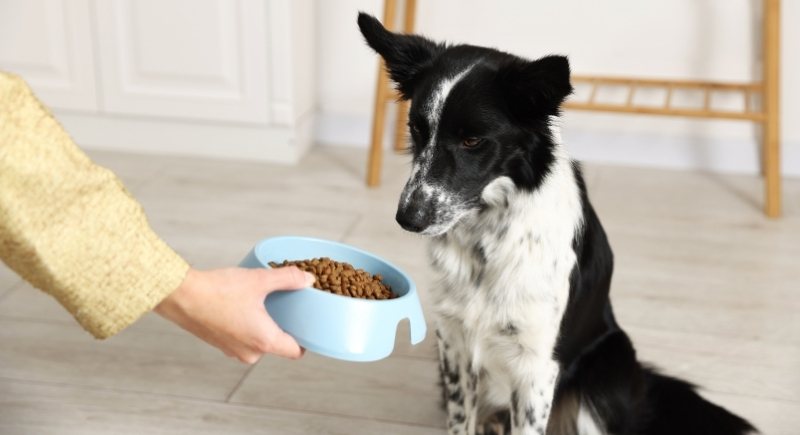
Image via Canva/Africa images
Food remains one of the most effective training tools available because positive reinforcement works. The key is calorie budgeting. Instead of pouring two full cups of kibble into a bowl, measure out the daily portion and reserve some for training. Some trainers ditch the bowl and use meals for structured sessions and enrichment toys. That way, calories shift rather than increase.
For high-distraction environments, lean meats can deliver strong motivation without a heavy calorie load. A third of a pre-packaged stack of turkey cold cuts can contain about 50 calories. That can stretch through several walks. Treat size is also important, and a pea-sized piece does the job. Dogs respond to frequency, not volume.
Lower-calorie options such as green beans, carrots, apple slices, or small bits of boiled chicken work well for basic manners practice. High-value foods can be reserved for tougher tasks like working through fear or reactivity.
Exercise Is Part Of The Equation
Calorie control alone will not solve the problem. Dogs need movement, and most benefit from 30 minutes to two hours of activity per day, depending on breed, age, and health status. Walking, swimming, and fetch all burn energy and support joint health.
Weight loss should be gradual. A veterinarian can rule out medical issues such as hypothyroidism that may contribute to weight gain. Regular checkups allow for portion adjustments as the dog progresses. Puppies under six months operate on a different calorie budget. Growth demands more fuel, and excess weight is less common at that stage, while adult dogs require tighter management.
Treats become a problem when they escape the daily total. A few tiny rewards repeated dozens of times can outweigh a full meal. Once the math becomes clear, it is easier to train hard, reward often, and keep the scale steady.