Animals That Kill the Most Humans Yearly
Most of us think lions, sharks, and bears are the world’s deadliest animals. Surprisingly, the creatures claiming hundreds of thousands of human lives each year aren’t apex predators with massive teeth. In some cases, they’re insects smaller than your fingernail, herbivores that seem gentle, and critters you’d walk right past without noticing. The 10 animals here are responsible for the most human deaths worldwide, from least to most lethal.
Elephant
Credit: Getty Images
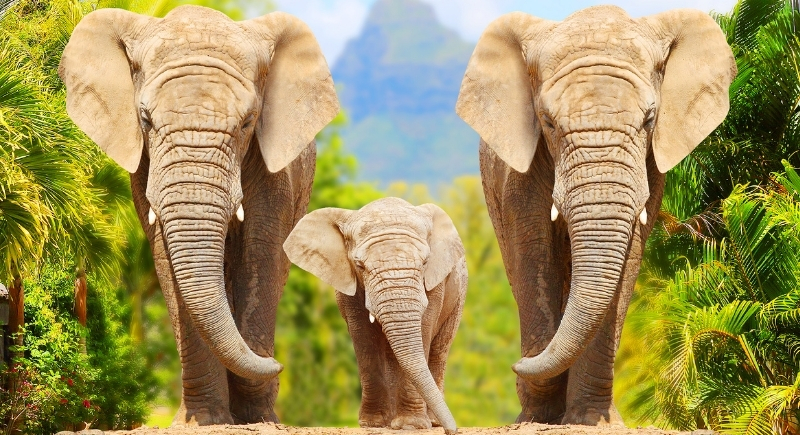
Groups of elephants sometimes raid farms and villages when habitat loss pushes them into human territory. Since they’re the largest living land animals, one blow from an elephant can kill a person instantly. Males weigh around 6,000 pounds and can trample anyone who gets in their way. Around 500 deaths per year are attributed to these habitat clashes.
Hippopotamuses
Credit: Getty Images
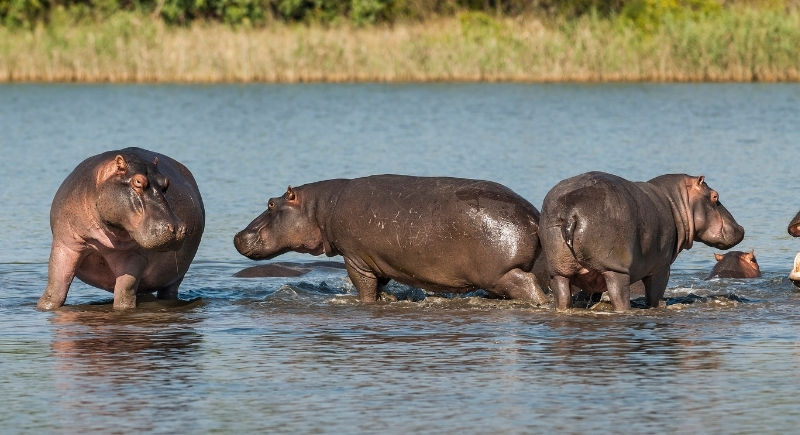
Don’t let the plant-based diet fool you. Hippos charge at anything that feels like a threat, running 30 mph on land with a bite force exceeding 1,800 pounds per square inch. They can flip boats and crush or drown everyone aboard. Males become especially aggressive during mating season and when protecting calves. Despite their docile appearance while wallowing in water, hippos kill approximately 500 humans each year across Africa.
Crocodiles
Credit: Getty Images
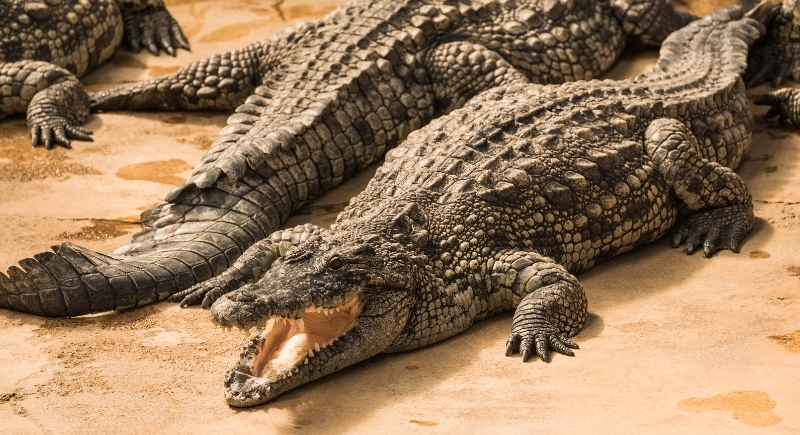
These prehistoric predators have perfected the art of ambush. Saltwater and Nile crocodiles pose the greatest danger, with salties reaching over 20 feet long and weighing more than a ton. Their hunting strategy relies on explosive speed and a bite force that crushes bones instantly. They drag victims underwater and drown them, accounting for approximately 1,000 human deaths each year.
Ascaris Roundworms
Credit: Wikimedia Commons
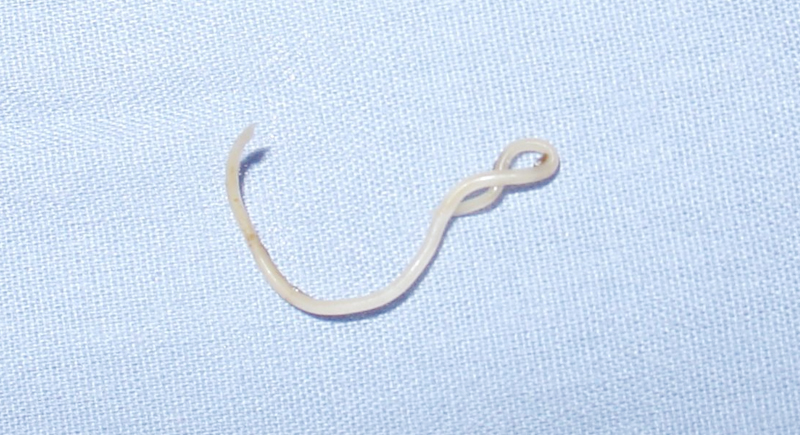
Contaminated food and water can harbor eggs from these parasitic worms, which turn deadly once they hatch inside the human body. The larvae migrate through organs, eventually settling in the small intestine. Heavy infections lead to a tangled mass of worms that obstruct the bowel. Sadly, around 2,500 people die from Ascaris lumbricoides annually, mostly from intestinal blockages and complications in regions with poor sanitation.
Scorpions
Credit: Getty Images
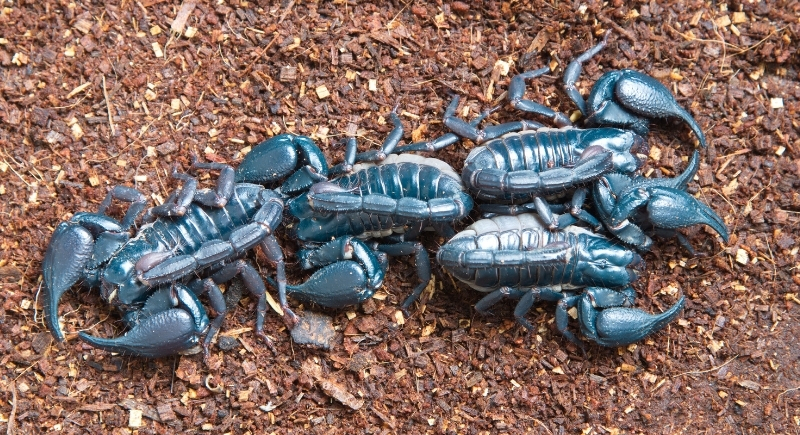
Roughly 2,600 deaths occur each year after stings from toxic Scorpion species. While they usually don’t attack, most victims often step on scorpions or put on shoes where they hide. Antivenom saves lives, but its availability varies widely in desert and tropical regions. Even an antivenom created for one type of scorpion often has limited or no effect on another.
Assassin Bugs
Credit: Canva
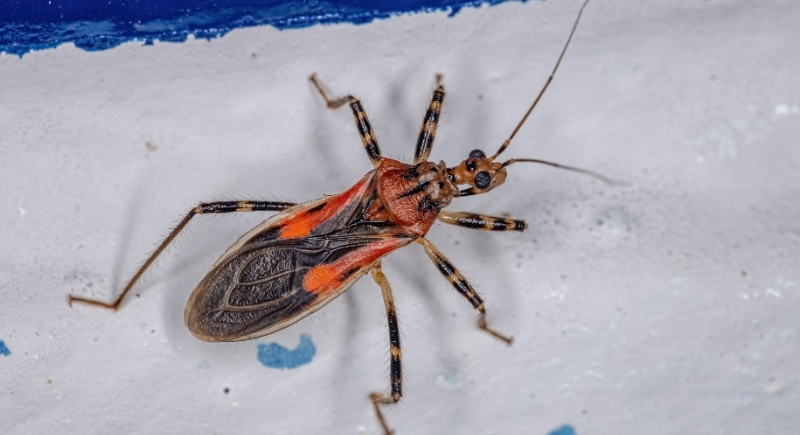
Assassin bugs earned the nickname “kissing bugs” by biting the faces of sleeping people, then defecating near the wound. When you scratch in your sleep, you rub those infected feces into the bite. The parasites cause Chagas disease, which slowly destroys the heart and digestive system, accounting for 10,000 human deaths annually.
Dogs

Credit: Getty Images
Stray dogs in developing countries carry rabies at alarming rates, and a single bite can transfer the virus through infected saliva. Once it enters someone’s system, the virus attacks the central nervous system. Early treatment with post-exposure vaccines can prevent death, but rural areas often lack medical facilities within reach. If treatment is delayed, the disease is nearly 100% fatal. Somehow, man’s best friend kills between 25,000 and 35,000 people annually.
Snakes
Credit: Getty Images
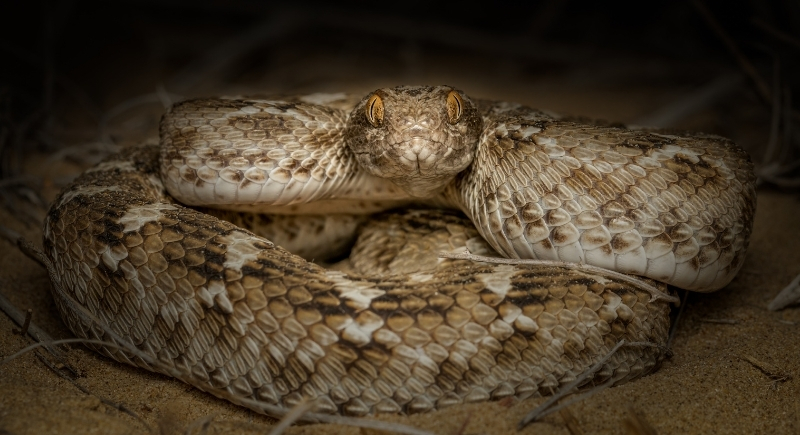
Venomous snakebites cause between 80,000 and 138,000 deaths worldwide each year, with one species responsible for a disproportionate share. Agricultural workers in rural communities face constant danger from the saw-scaled viper, which is known to strike at the slightest disturbance. Lethal snake venom causes tissue necrosis, internal hemorrhaging, and organ failure.
Freshwater Snails
Credit: Wikimedia Commons
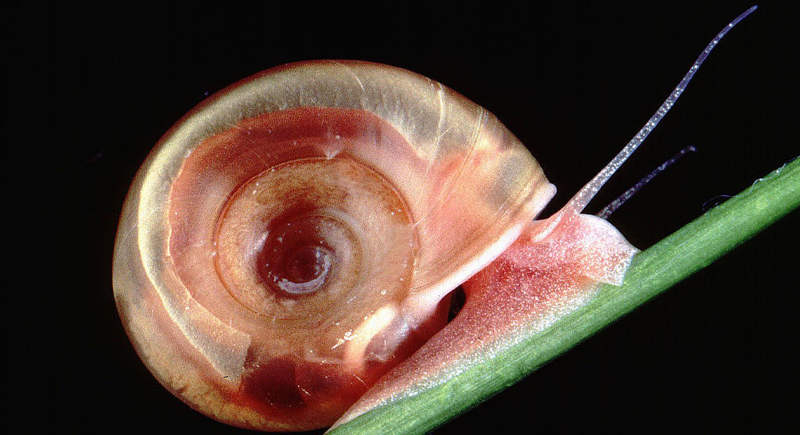
Microscopic larvae released by these tiny mollusks penetrate human skin the moment you wade into contaminated freshwater. The parasites migrate to organs and spend months or years triggering internal bleeding, liver damage, bladder cancer, and organ failure. Approximately 200 million people currently live with the infection. The disease they cause, called schistosomiasis, kills around 200,000 people annually, a staggering toll for such an overlooked threat.
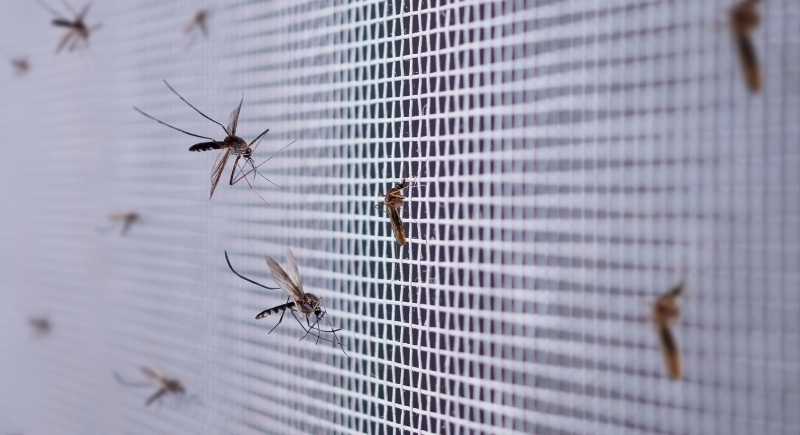
Mosquitoes
Credit: Canva
That tiny whine in your ear belongs to humanity’s deadliest adversary, responsible for roughly 750,000 human deaths annually. Female mosquitoes can transmit pathogens between hosts while sucking blood. Malaria remains the primary killer, causing around 600,000 deaths annually according to the WHO. Add dengue fever, yellow fever, Zika virus, and West Nile virus to the list, and you get a devastating list of diseases from one tiny animal.