Icelandic Horses Are Banned From Returning to Iceland for a Crazy Reason
Icelandic horses compete internationally, sell abroad in large numbers, and appear at major equestrian events across Europe and North America. Yet one rule outweighs all of that. The moment an Icelandic horse leaves the country, it can never come back. The policy applies to champions, breeding stock, and leisure horses, and has remained unchanged as of 2025.
For a nation that depends heavily on horses, this level of restriction raises obvious questions and requires a more serious explanation. At first glance, the policy feels harsh. Iceland exports about 3K horses per year, and many of those animals go on to successful careers overseas. Yet Iceland willingly gives them up forever. That decision comes down to one threat the country refuses to take a chance on.
An Island With a Clean Slate
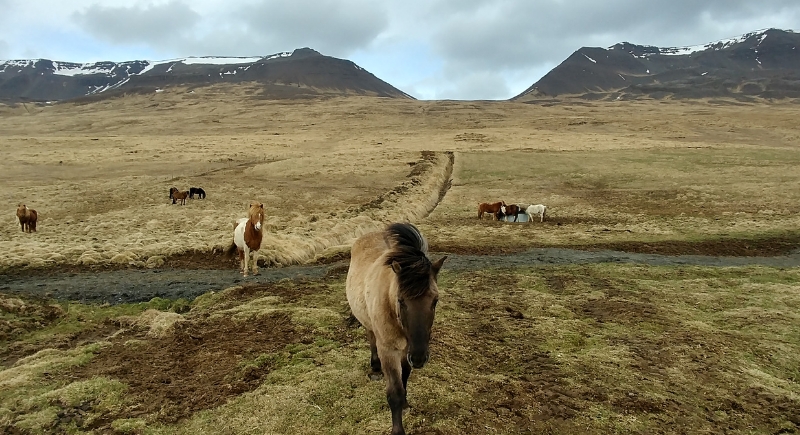
Image via Getty Images/Besides the Obvious
Iceland has never allowed horse imports since the year 982 AD, when the Icelandic parliament banned them outright. That ban created one of the purest horse populations on the planet. It also made something else just as valuable.
Icelandic horses grew up without exposure to many common equine diseases. The local horse population lacks immunity, and an outbreak could spread fast across farms, valleys, and riding centers. One infected horse returning home could trigger a crisis.
Why Quarantine Is Not Enough
Many countries rely on quarantine, testing, and vaccination to manage animal movement, but Iceland rejects that approach for horses. Testing does not catch every pathogen. Some diseases remain dormant, and others escape detection entirely. Even equipment used overseas poses a danger. Saddles, bridles, boots, and clothing that contact horses abroad are banned unless thoroughly disinfected or replaced.
Officials determined that permanent exclusion works better than partial safeguards. Once a horse leaves, the door closes for good. This rule protects the entire population instead of relying on individual compliance.
The Cost of Protection
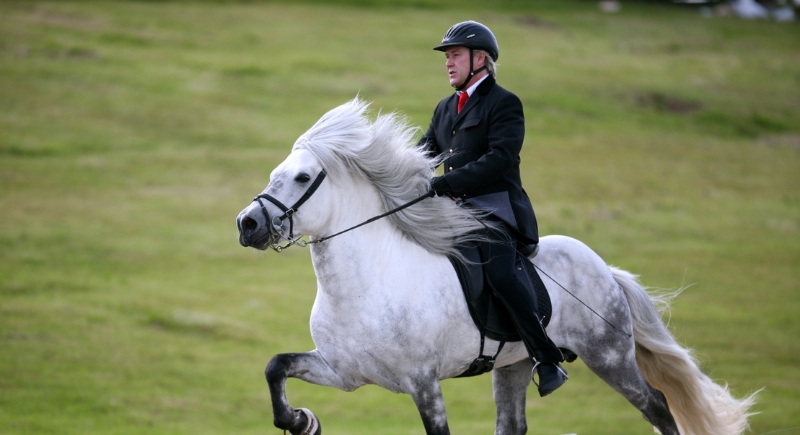
Image via Wikimedia Commons/Dagur Brynjólfsson
The policy creates real consequences. Icelandic horses compete in world championships held outside Iceland, and every participant leaves knowing return is impossible. Breeders accept that exporting top bloodlines means losing them forever.
Owners also face emotional costs. Many riders sell horses overseas rather than risk separation later. Tour operators manage strict biosecurity rules for visitors, including boot washing and gear restrictions. Still, support for the policy remains strong inside Iceland. The alternative feels far worse.
A Breed Built By Isolation
This rule did more than protect health. It shaped the breed itself. Icelandic horses stayed genetically consistent for over a millennium. They developed strength relative to size, thick coats suited to cold weather, and five natural gaits that handle rough ground with ease. That stability came directly from isolation and careful protection.
Calling the policy outdated misses the point. Icelandic horses exist as they do today because the country refused to compromise. Modern trade makes most biosecurity rules flexible. Iceland went the opposite direction. Officials treat the horse population as a shared national responsibility, not a private asset.
Tourism, sport, and breeding all thrive under this system. Icelandic horses remain healthy, long-lived, and unusually resilient. Many live well into their 30s with minimal veterinary intervention. The ban also sends a clear message. Some risks cost too much to take, even when the rule sounds unreasonable. For Iceland, keeping horses healthy matters more than bringing them home.