In Ireland, Every Cow Is Issued an Official Passport for Life
Before a cow in Ireland ever becomes beef, it gets paperwork. Real paperwork. Every calf born since July 1, 1996, is registered almost immediately and tracked for its entire life through a national system. The goal is simple but serious: protect food safety, support farmers, and maintain Ireland’s export reputation. From birth to final destination, each animal’s movements and history are officially recorded.
This policy grew out of food safety reforms introduced across Europe after major livestock disease outbreaks in the 1990s. Ireland, with an economy heavily tied to beef and dairy, adopted especially strict standards. The legal framework comes under the Cattle Identification Regulations introduced in 2007. These rules formalized how cattle are registered, tracked, and recorded, creating a paper trail that follows each animal across farms, counties, and markets.
What The Passport Actually Does
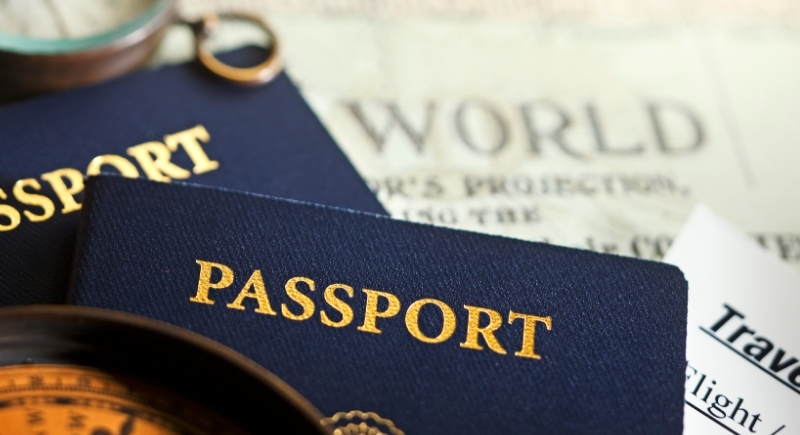
Image via Getty Images/DNY59
A cow’s passport works as a lifelong ID record. Each one includes a unique ear tag number, the animal’s date of birth, and a complete movement history. Every farm transfer, sale, or export is logged and connected to national databases used by regulators and food safety authorities.
Farmers must keep these passports on hand and present them during inspections or sales. Buyers rely on them to verify origin and health history, and export partners depend on them to meet European Union trade requirements. Without this system, large-scale beef exports would face serious trust issues.
Ear Tags Are Just As Important
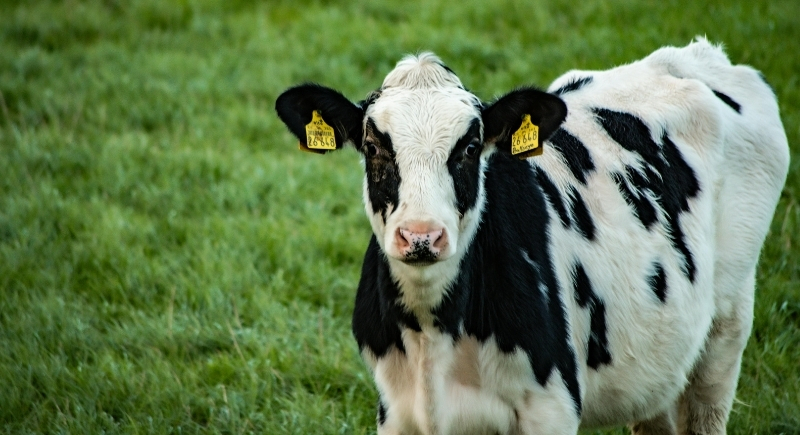
Image via pexels/Esmerald Heqimaj
Paper records only work when paired with physical identification. That is where ear tagging comes in. Irish cattle born after January 1, 1998, must carry two official ear tags, one in each ear. The primary tag is yellow and displays the herd number and individual animal ID, while the second tag often repeats that information or adds extra markings.
Tags sometimes get lost when cattle rub against fences or feeding equipment, so farmers must replace missing tags quickly to maintain compliance. Matching ear tags to passport records keeps the system accurate and prevents tracking gaps.
Disease Control Drives The Whole System
Tracking allows authorities to respond fast if a disease surfaces. If bovine tuberculosis or foot-and-mouth disease appears, officials can trace exposed animals, isolate affected herds, and limit spread without shutting down entire regions. This precision protects farmers financially and prevents unnecessary culls. It also reassures international buyers that Irish beef meets strict health standards.
Ireland exports beef to dozens of countries, many with tough import rules, so buyers expect proof of origin, movement history, and health oversight. A passport-based system delivers that proof in a clear, standardized format. It shows that the animal spent its life inside a regulated framework, monitored at each step. Consumers benefit as well, as clear records make it easier to verify labeling claims and address safety concerns.
A System Built For Scale
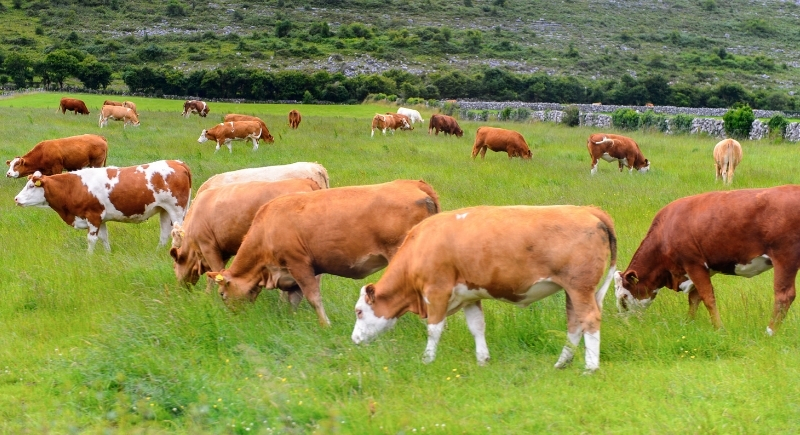
Image via Getty Images/Siempreverde22
With millions of cattle moving through farms, marts, and processing plants each year, manual tracking would collapse fast. Ireland’s approach blends paperwork, ear tagging, and centralized databases into a system designed for volume. Farmers interact with it daily, regulators audit it regularly, and exporters depend on it constantly. It’s a serious infrastructure that keeps Irish agriculture competitive, credible, and tightly regulated.