Human Foods That Can Cause Instant Kidney Failure in Dogs (Beyond Grapes)
Not all human foods are good for dogs; some of them can shut down a dog’s kidneys fast or set off a chain reaction that ends there. Most of us direct our attention to grapes, but several other everyday foods can push a dog’s kidneys into crisis. Knowing which foods are troublesome makes it easier to keep dogs safe and act fast when something goes wrong.
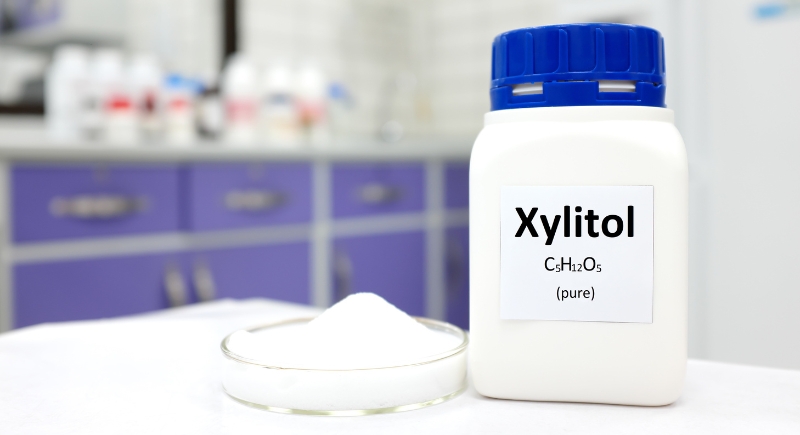
Xylitol
Credit: Getty Images
This sugar substitute causes one of the fastest medical spirals seen in dogs. After ingestion, xylitol triggers a massive insulin release that drops blood sugar within 10 to 60 minutes. That crash can reduce blood flow to vital organs, including the kidneys. Some dogs also develop acute liver failure, which further increases kidney strain through toxin buildup in the bloodstream.
Chocolate

Credit: pexels
The danger comes from theobromine, a stimulant that dogs process slowly. As levels build, heart rate increases, and dehydration becomes more likely due to vomiting and diarrhea. Reduced hydration lowers kidney filtration efficiency, which raises the risk of kidney injury in severe cases. Dark and baking chocolate contains the highest concentrations, making even small portions dangerous for medium-sized dogs.
Onions
Credit: Canva
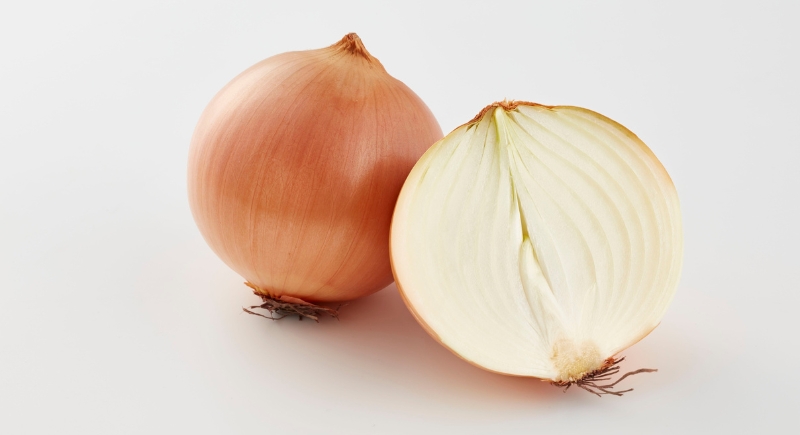
Onions damage red blood cells and cause hemolytic anemia. When red blood cells break down, waste products accumulate in the system, forcing the kidneys to work harder. That added workload can increase the risk of kidney complications in vulnerable dogs. Toxicity has been documented at approximately 0.5% of a dog’s body weight, which is equivalent to only a few ounces for larger breeds.
Garlic
Credit: Canva
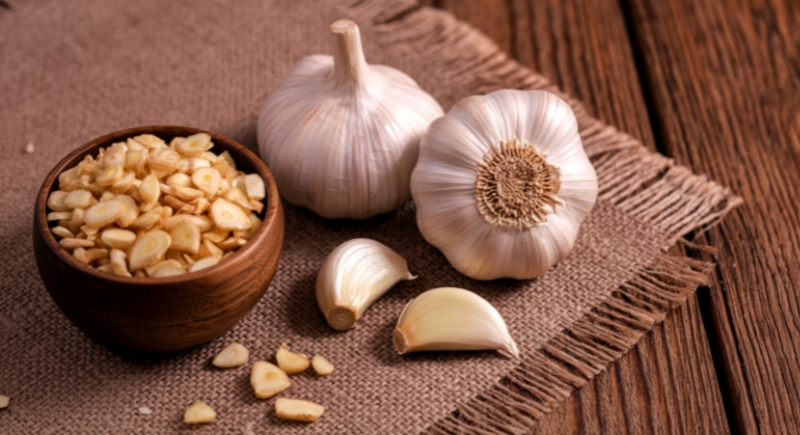
Garlic belongs to the same Allium family as onions and works through a similar mechanism. Repeated small exposures can be just as risky as a single large one, as the toxin accumulates over time. Ongoing red blood cell damage reduces oxygen delivery to organs, including the kidneys. Symptoms may appear days after ingestion, which often delays treatment.
Alcohol

Credit: pexels
Even a small volume can cause vomiting, low blood pressure, and dangerous drops in body temperature. These effects reduce blood flow to the kidneys and increase the chance of acute injury. Cooking with alcohol does not make it safe because enough ethanol can remain to cause toxicity.
Caffeine

Credit: Canva
This stimulant stresses the heart and nervous system while raising body temperature. Increased urination and vomiting often follow, which promotes dehydration. Dehydration directly reduces kidney perfusion and filtration. Concentrated sources, such as coffee grounds, tea bags, and energy drinks, pose the highest risk.
Cooked Bones
Credit: Getty Images
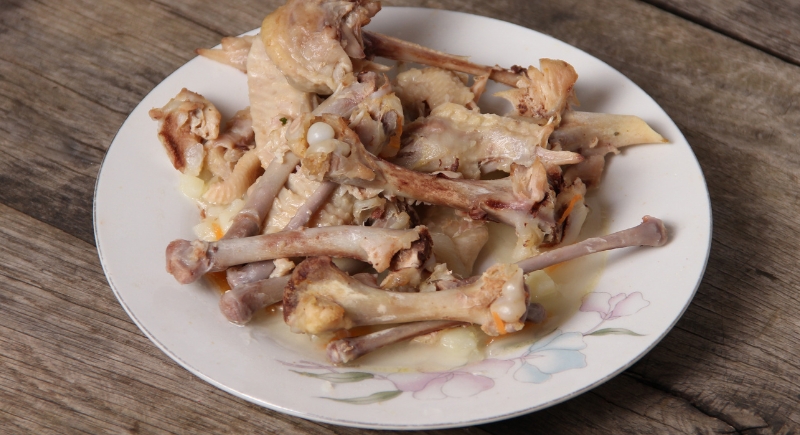
Cooked bones splinter easily and can puncture the gastrointestinal tract. Internal injuries often lead to infection and fluid loss, both of which can strain kidney function. Emergency clinics report bone-related injuries as a common problem during the holiday season. Kidney stress increases when the body redirects fluids to manage trauma.
Avocado
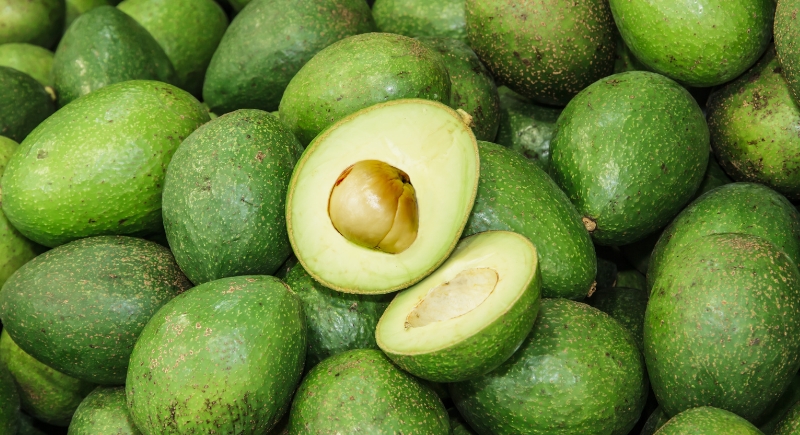
Credit: Getty Images
Avocados contain persin, which can cause vomiting and diarrhea in dogs. Fluid loss from repeated vomiting increases dehydration risk, a known trigger for kidney stress. The pit also poses a choking hazard and can block the intestines, which worsens systemic illness and kidney workload.
Sugar-Free Peanut Butter
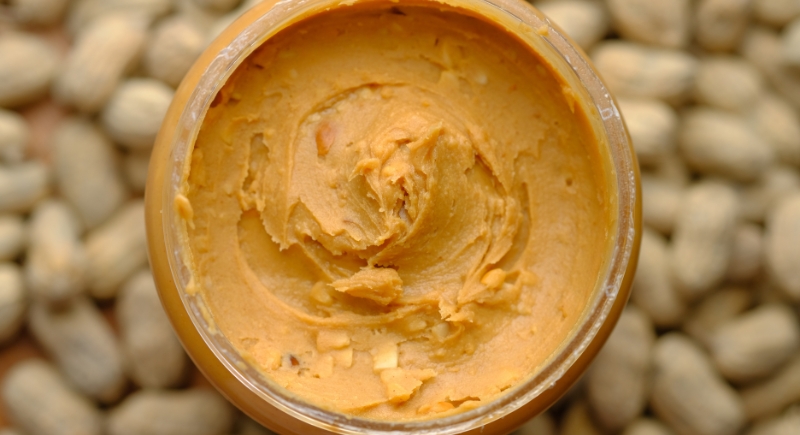
Credit: pexels
Some peanut butter brands use xylitol as a sweetener. Dogs often gobble up peanut butter, which speeds absorption of the toxin. Rapid hypoglycemia and potential liver failure can quickly compromise kidney function. Label checking is the only reliable way to spot the risk.
Toothpaste and Mouthwash

Credit: Canva
Many dental products contain xylitol and appeal to dogs because of their sweet flavors. Ingestion can happen during routine bathroom access or when tubes are left within reach. The same insulin surge seen with food sources occurs here, leading to fast systemic collapse. Kidney stress increases as blood sugar drops and organs lose a stable energy supply.